

 Visa i rummet
 Skicka
 Dela
Dela
 Detaljer
 Studentguide för konstverk

 Ladda ner
 Liknande objekt
 Röntgen
 Bildspel
 Besökstatistik
Seascape
 Oil On Canvas
- WallArt
- Naturalist Painting
 1918
1918- Modern
 30.0 x 35.0 cm
 Grão Vasco National Museum
 Läs mer
Handgjord oljereproduktion
Handmålad olja på duk i din valda storlek och ram, tillverkad efter beställning av våra konstnärer. ( Byt till tryckta exemplar Byt till digital bildförsäljning)




P118B Skr10

P118H Skr10

P118W Skr10

P438Z Skr10

P508JH Skr12

P508YH Skr12

P805H Skr10

P805Z Skr10

P919BZ Skr10

P919G Skr10

P919XJ Skr10

P959ZH Skr10

P968JZ Skr12

W106C Skr8

W218G Skr10

W218JH Skr8

W218Y Skr10

W307PJ Skr10

W316G Skr10

W316PJ Skr8

W316Y Skr10

W398PJ Skr8

W4111J Skr10

W500HY Skr15

W500JH Skr15

W692G Skr12

W849H Skr8

W940BG Skr15

W953PJ Skr8




Välj bland våra förinställda storlekar som motsvarar konstverkets ursprungliga proportioner.

Ange den bredd och höjd du behöver för att passa din ram eller din vägg. Eftersom detta är handmålat kan konstnären vid en annan form måla lite mer runt bilden eller beskära den något – du väljer själv. Vi skickar en digital mockup för godkännande innan målningen påbörjas. Bilden som visas på denna sida representerar inte det slutgiltiga resultatet — det är endast mockuppen som visar det.
Efter beställning kommer OriginalUniqueArt.com team att mejla kunden för instruktioner och tillhandahålla en skissförhandsvisning
Leverans över hela världen () på 3–4 veckor istället för standard 5 veckor. (24 oktober). Inga kompromisser med kvaliteten.

Fri expressfrakt över hela världen

Högkvalitativ linnecanvas

Fullständig fraktförsäkring

Garantier för återbetalning av tullavgifter

Garantier för exakt färgåtergivning

100 dagars returrätt vid fabrikationsfel

100% pengarna tillbaka-garanti

Mängdrabatt erbjuds
 Glasalternativet är endast tillgängligt i storlekar under 110 cm.

Seascape
Tryckteknik
Reproduktionsstorlek
-


Totalpris
Skr 2973
A Wave of Memory: José Malhoa’s “Seascape”
José Malhoa's "Seascape," painted in 1918, isn’t merely a depiction of the Atlantic; it’s a profound meditation on memory, the passage of time, and the enduring connection between humanity and the natural world. Created during a pivotal period of artistic evolution in Portugal – bridging the rigid formality of academic painting with the burgeoning influences of Impressionism and early Modernism – this work stands as a testament to Malhoa's unique vision and his deep-seated respect for the rugged beauty of the Portuguese coastline.
The scene unfolds before us with remarkable immediacy. A powerful wave, rendered in bold strokes of cerulean blue and frothy white, crashes against a jagged array of dark rocks. These aren’t idealized, romanticized seascapes; Malhoa presents a raw, almost brutal encounter between water and stone. The composition is carefully balanced – the energetic surge of the wave dominating the left foreground, contrasted by the calmer, yet equally significant, expanse of the horizon on the right. This dynamic tension speaks to the constant interplay between chaos and serenity, action and reflection, that defines both nature and human experience.
The Naturalist’s Eye: Technique and Style
Malhoa was a staunch proponent of Naturalism, an artistic movement emphasizing realistic representation and a deep engagement with everyday life. However, he wasn't simply replicating what he saw; he was actively interpreting it through his own lens. His brushwork is loose and expressive, eschewing the meticulous detail favored by earlier academic painters. Notice the visible strokes, the layering of color – these aren’t attempts to create a photographic likeness but rather to capture the *feeling* of the sea, its energy, its power, its inherent drama.
The use of color is particularly noteworthy. Malhoa employs a vibrant palette, dominated by blues and whites, yet he avoids any sense of artificiality. The colors are grounded in the natural hues of the ocean and sky, subtly modulated to create depth and atmosphere. He masterfully utilizes light and shadow, suggesting both the brilliance of the sun on the water’s surface and the ominous darkness lurking beneath. The painting's almost photographic quality is a deliberate choice, reflecting Malhoa’s interest in capturing fleeting moments and conveying an immediate sense of reality.
A Coastal Legacy: Context and Symbolism
Malhoa’s frequent visits to Praia das Maçãs, near Lisbon, provided him with a lifelong connection to the Atlantic coast. This intimate familiarity is evident in the painting's meticulous attention to detail – the textures of the rocks, the movement of the waves, the subtle shifts in color. The location itself holds symbolic weight; the area was known for its dramatic cliffs and powerful surf, offering a constant source of inspiration.
Beyond the purely visual, “Seascape” can be interpreted as an elegy to a bygone era. Painted in 1918, towards the end of his career, it reflects Malhoa’s growing awareness of the changing world and his desire to leave behind a legacy of authentic Portuguese art. The painting's sense of melancholy – conveyed through the muted tones and the solitary presence of the waves – hints at a contemplation on mortality and the enduring power of nature.
A Timeless Masterpiece: Reproduction and Appreciation
Reproductions of “Seascape” capture much of its original impact, offering a window into Malhoa’s artistic vision. OriginalUniqueArt offers high-quality reproductions that faithfully recreate the painting's vibrant colors and expressive brushwork. Whether displayed in a coastal home or a contemporary interior space, this artwork serves as a powerful reminder of Portugal’s rich artistic heritage and the enduring beauty of the natural world.
Consider framing “Seascape” with a simple, elegant frame to allow the painting's colors and textures to truly shine. Its evocative imagery will undoubtedly spark conversation and add a touch of timeless elegance to any room.
Frågor och svar
Vilken atmosfär tillför "Seascape" av José Malhoa ett rum?
Den Calm atmosfären i "Seascape" av José Malhoa passar perfekt för det rekommenderade rummet: ett Living Room.
Vad rekommenderas en reproduktion av "Seascape" av José Malhoa för?
En reproduktion av "Seascape" av José Malhoa rekommenderas för Statement. Detta förslag grundar sig på verkets motiv, stämning och färger.
Vilken teknik har använts för "Seascape"?
"Seascape" är utförd i Oil On Canvas.
Om konstnären
Ett liv rotat i portugisisk jord
José Vital Branco Malhoa, känd helt enkelt som José Malhoa, framträdde ur Portugals hjärta år 1855, född i den termala staden Caldas da Rainha. Redan från en tidig ålder var det uppenbart att unge José besatt en medfödd konstnärlig känslighet. Vid endast tolv års ålder påbörjade han sin formella utbildning vid Kungliga konstakademien i Lissabon, vilket lade en solid teknisk grund som skulle tjäna som fundament för hans framtida utforskningar. Denna tidiga fördjupning i akademisk stringens kvävde inte hans anda; snarare utrustade den honom med verktygen att senare utmana konventioner och skapa sin egen väg inom det föränderliga portugisiska konstlandskapet. Hans uppväxt bland vanliga människors vardagsliv formade hans konstnärliga vision djupt, och ingöt i honom en önskan att avbilda världen så som han observerade den – osminkad, autentisk och djupt sammankopplad med Portugals själ.Naturalismens framväxt och en särpräglad portugisisk röst
Malhoas namn blev synonymt med portugisisk naturalism under den senare hälften av 1800-talet. Tillsammans med Columbano Bordalo Pinheiro ledde han en rörelse som strävade efter att skildra livet med orubblig realism, och förkastade idealiserade representationer till förmån för ärliga skildringar av samhället och dess invånare. Hans tidiga verk fokuserade intensivt på scener från den dagliga existensen – bönder som arbetade på fälten, familjer samlade i ödmjuka hem, ögonblick av vila och arbete fångade med minutiös detaljrikedom. Detta engagemang var inte bara ett stilistiskt val; det var ett medvetet försök att röra sig bort från akademiska begränsningar och omfamna en unikt portugisisk konstnärlig identitet. Han sökte inte bara fånga *vad* han såg, utan även *hur* livet kändes inom sin nations kulturella kontext. Malhoa var dock inte immun mot de förändringsvågor som svepte genom konstvärlden. Allt eftersom hans karriär fortskred började subtila influenser från impressionismen framträda i hans arbete, särskilt tydligt i hans alltmer nyanserade användning av ljus och färg – ett bevis på hans vilja att experimentera och utvecklas.Ett bestående arv: En bro mellan epoker och en inspiration för generationer
José Malhoa uppnådde stor erkännande under sin livstid och blev en av Portugals mest hyllade konstnärer. Hans bidrag sträckte sig bortom duken; han spelade en avgörande roll i etablerandet av en distinkt portugisisk konstnärlig identitet, genom att bryta sig loss från utländska influenser och främja nationella teman. Invigningen av José Malhoa-museet i Caldas da Rainha sent i hans liv fungerade som ett kraftfullt vittnesbörd om hans bestående inflytande. Vidare står hans tidigare hem i Lissabon, nu känt som Dr. Anastácio-Gonçalves House-Museum, som en levande hyllning till hans konstnärliga gärning och ger ovärderlig insikt i hans kreativa process. Malhoas arbete representerar en avgörande övergång i portugisisk konst – en bro mellan traditionella akademiska stilar och mer moderna ansatser. Han dokumenterade inte bara sin tid; han *tolkade* den, och erbjöd värdefulla insikter i Portugals sociala väv under en period av betydande förändring. Hans inflytande sträckte sig till efterföljande generationer av portugisiska konstnärer och inspirerade dem att omfamna realismen, utforska den nationella identiteten och tänja på de konstnärliga uttryckens gränser. Idag fortsätter José Malhoas arv att blomstra och befäster hans position som en central gestalt i den portugisiska konsthistorien – en mästare som fångade sin nations essens med både teknisk briljans och ett djupt emotionellt djup.
José Malhoa
1855 - 1933 , Portugal
Snabbfakta
- Artistic Movement Or Style: Naturalism, Realism
- Artists Or Movements Influenced By This Artist: ['Portugisiska konstnärer']
- Artists Who Influenced This Artist: ['Columbano Bordalo Pinheiro']
- Date Of Birth: 28 april 1855
- Date Of Death: 1933
- Full Name: José Vital Branco Malhoa
- Nationality: Portugisisk
- Notable Artworks:
- The Drunks
- Fado
- Autumn
- Anastácio Gonçalves
- Place Of Birth: Caldas da Rainha, Portugal
Relaterade artiklar
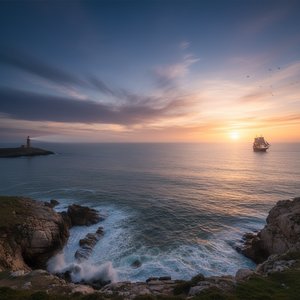
The Allure of the Horizon: A Comprehensive Exploration of Seascape Art Through History & Emotion
Explore the captivating world of seascape art! Discover its history, key artists & movements – from Dutch Masters to Impressionism. Expert insights for collectors and enthusiasts at OriginalUniqueArt.

Katsushika Hokusais 25 Mästerverk: Ukiyo-e Konst & Heminredning | OriginalUniqueArt
Utforska Katsushika Hokusais 25 mest ikoniska ukiyo-e konstverk. Lär känna historien bakom 'The Great Wave' och andra mästerverk från japansk konst. Köp högkvalitativa reproduktioner & inred med tidlös skönhet på OriginalUniqueArt.com.

De 10 mest ikoniska målningarna i nyansen 'Skifferblått' – Konst & Inredning
Utforska de 10 mest ikoniska målningarna dominerade av nyansen 'skifferblått'. Lär känna Monet, Van Gogh & andra mästare. Hitta inspiration för din inredning och köp museumkvalitativa konsttryck på OriginalUniqueArt.com – din källa till tidlös skönhet.
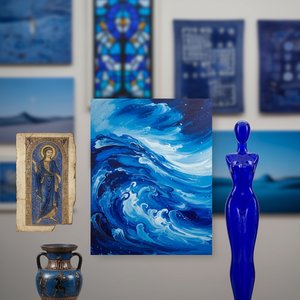
The Allure of Azure: Exploring the Symbolic & Aesthetic Depths of Blue in Art History
Explore the rich history of blue in art! Discover its symbolism, from ancient pigments to modern masterpieces by Kandinsky & Seurat. Uncover the psychological impact and cultural meanings behind this captivating hue.

Goyas 25 Mästerverk: En Konstnärlig Resa Genom Spansk Historia | OriginalUniqueArt
Utforska Goyas 25 mest ikoniska målningar! Fördjupa dig i spansk konsthistoria, romantikens dramatik och mörka färger. Köp museumkvalitativa reproduktioner & inred med tidlösa klassiker på OriginalUniqueArt.com.