

 Förhandsvisa
 Skicka
 Dela
Dela
 Visa detaljer
 Guide
Guide

 Ladda ner
 Liknande objekt
 Röntgen
 Bildspel
 Statistik
Hounds and a Magpie
 Oil On Canvas
- WallArt
- 18th Century Rococo
 1740
1740 152.0 x 128.0 cm
 Ermitaget
 Visa mer
Giclée / Konsttryck
Giclée- eller canvasprint av museumskvalitet med snabb produktion och flexibla ytbehandlingsalternativ. ( Beställ handmålad reproduktion Byt till digital bild)




P118B Skr10

P118H Skr10

P118W Skr10

P438Z Skr10

P508JH Skr12

P508YH Skr12

P805H Skr10

P805Z Skr10

P919BZ Skr10

P919G Skr10

P919XJ Skr10

P959ZH Skr10

P968JZ Skr12

W106C Skr8

W218G Skr10

W218JH Skr8

W218Y Skr10

W307PJ Skr10

W316G Skr10

W316PJ Skr8

W316Y Skr10

W398PJ Skr8

W4111J Skr10

W500HY Skr15

W500JH Skr15

W692G Skr12

W849H Skr8

W940BG Skr15

W953PJ Skr8




Välj bland våra förinställda storlekar som motsvarar konstverkets ursprungliga proportioner.

Ange den bredd och höjd du behöver för att passa din ram eller vägg. Ett tryck kan endast beskäras, aldrig göras större än originalbilden, vilket innebär att ett format med en annan proportion leder till att en del av bilden går förlorad. Vi skickar en digital mockup för godkännande innan vi påbörjar tryckningen. Bilden som visas på denna sida visar inte den faktiska beskärningen — det är endast mockuppen som gör det.
Leverans över hela världen () på 2 veckor istället för standard 4/5 veckor. (28 oktober)

Fri expressfrakt över hela världen

Högkvalitativ linnecanvas

Fullständig fraktförsäkring

Garantier för återbetalning av tullavgifter

Garantier för exakt färgåtergivning

100 dagars returrätt (endast vid fel)

100% pengarna tillbaka-garanti

Mängdrabatt erbjuds
 Glasalternativet är endast tillgängligt i storlekar under 110 cm.

Hounds and a Magpie
Giclée / Konsttryck
Storlek på reproduktion
-


Slutgiltigt pris
Skr 797
A Sporting Symphony: John Wootton’s “Hounds and a Magpie”
John Wootton's "Hounds and a Magpie," painted in 1740, is more than just a charming depiction of dogs; it’s a meticulously crafted window into the aristocratic world of 18th-century England. This vibrant scene, measuring 152 x 128 cm, captures a moment of lively interaction amongst a carefully arranged group of hounds and a solitary magpie, all set within a subtly rendered landscape. Wootton, a pivotal figure in British sporting art, masterfully blended the burgeoning trends of animal portraiture with elements of classical composition, establishing himself as a leading voice in his era.
Wootton’s artistic journey began under the tutelage of Jan Wyck, providing him with a solid foundation in draftsmanship. However, it was his association with the Beaufort family that truly shaped his career, immersing him in the world of equestrian pursuits and aristocratic patronage. This connection is powerfully evident in “Hounds and a Magpie,” where the dogs are presented not merely as animals but as symbols of status, skill, and the pursuit of excellence – qualities highly valued within the circles frequented by figures like George II.
The Art of Sporting Portraiture
Wootton’s style is characterized by an elegant realism that prioritized capturing the essence of his subjects. He eschewed overly dramatic poses or theatrical lighting, instead favoring a naturalistic approach that highlighted the animals' grace and movement. Note the careful attention to detail in each hound – the texture of their coats, the alert expressions in their eyes, and the subtle variations in posture all speak to Wootton’s keen observational skills. The composition itself is carefully balanced, drawing the eye through the scene with a clear sense of depth and perspective.
The use of light and shadow further enhances the painting's realism. Wootton employs soft, diffused lighting that illuminates the dogs while leaving the background in gentle obscurity. This technique creates a sense of atmosphere and allows the viewer to fully appreciate the details of each animal. The subtle gradations of tone contribute significantly to the overall feeling of depth and three-dimensionality within the canvas.
Symbolism and Context
The inclusion of the magpie, perched on a branch, adds an intriguing layer of symbolism to the painting. Magpies were traditionally associated with intelligence, cunning, and even prophecy in folklore. In this context, the bird’s presence could be interpreted as a subtle commentary on the skills and instincts required for successful hunting – qualities admired in both dogs and their handlers. The setting itself—a gently rolling landscape reminiscent of the English countryside—reinforces the connection to rural life and the aristocratic pursuit of sporting activities.
“Hounds and a Magpie” was created during a period of significant social and cultural change in England. The rise of the gentry as a powerful class, coupled with an increasing interest in hunting and equestrian pursuits, fueled the demand for sporting art. Wootton’s paintings catered directly to this market, providing wealthy patrons with elegant depictions of their beloved hounds and the activities they enjoyed.
A Legacy of Elegance
John Wootton's "Hounds and a Magpie" stands as a testament to his skill as an artist and his understanding of the cultural context in which he worked. It’s a captivating image that offers a glimpse into the world of 18th-century England, where hunting was not just a pastime but a symbol of status and refinement. Today, reproductions of this remarkable painting offer art lovers and collectors alike the opportunity to experience Wootton's artistry firsthand, bringing a touch of elegance and historical charm to any interior space.
Wootton’s influence extended beyond his own work; he is considered a key figure in shaping the aesthetics of sporting art for generations to come. His meticulous attention to detail, combined with his ability to capture the essence of his subjects, established him as one of the most celebrated artists of his time.
Frågor och svar
Hur är färgkompositionen i "Hounds and a Magpie" av John Wootton uppbyggd?
Färganalysen av "Hounds and a Magpie" av John Wootton uppvisar en Bold kontrast och en Balanced Harmony harmoni.
Vilken emotionell ton förmedlar 18th Century Rococo-stilen i "Hounds and a Magpie"?
Inom 18th Century Rococo-rörelsen är "Hounds and a Magpie" präglad av en Calm ton.
Vilken fas i John Woottons karriär motsvarar årtalet 1740 för "Hounds and a Magpie"?
"Hounds and a Magpie", skapat år 1740, tillhör den Mature Period av John Woottons karriär.
Konstnärsbiografi
John Wootton - Pioneer of British Sporting Art
John Wootton (c. 1682 – 1764) was an English painter of sporting subjects, battle scenes and landscapes, and illustrator who stands as a cornerstone in the history of British art. His remarkable talent for capturing the spirit of horses—together with Peter Tillemans and James Seymour—established him as the foremost practitioner of sporting art during his lifetime, securing patronage from influential figures like George II and Frederick, Prince of Wales. Wootton’s artistic journey began with formal training under Jan Wyck in the 1690s, where he honed foundational skills in draftsmanship and painting techniques – a bedrock upon which he built an oeuvre characterized by unparalleled detail and sensitivity.Early Life and Artistic Training
Born around 1686 in Snitterfield, Warwickshire (near Stratford-upon-Avon), Wootton’s early life remains somewhat shrouded in obscurity. However, biographical accounts suggest he entered the service of the Beaufort family at a young age—a formative experience that instilled within him an enduring fascination with equestrian pursuits and the aristocratic milieu of his time. This patronage provided invaluable access to artistic circles and fostered connections with fellow artists who would shape Wootton’s intellectual and creative trajectory. His initial training under Jan Wyck proved instrumental in developing his mastery of chiaroscuro—the dramatic interplay of light and shadow—a technique he skillfully employed throughout his career, imbuing his paintings with depth and realism.The Rise to Fame: Sporting Art and Newmarket
By 1706, Wootton had firmly established himself in London’s artistic landscape, swiftly gaining recognition for his depictions of horses at Newmarket—the epicenter of British racing culture. He wasn't merely documenting these animals; he was conveying their dynamism, their nobility, and their individual personalities with an unprecedented level of precision and empathy. This specialization cemented Wootton’s reputation as a visionary artist who understood the cultural significance of sport and skillfully translated it onto canvas. His canvases became highly sought after by members of the British aristocracy—a testament to his ability to capture both visual beauty and social prestige.A Landscape Innovator: Embracing Dughet's Influence
Wootton’s artistic vision extended beyond equine portraits; he spearheaded the introduction of what would become known as the “ideal landscape” to British art—a stylistic departure from prevailing Dutch and Flemish traditions. Heavily influenced by Gaspard Dughet (also Gaspar van Wittel), Wootton adopted a classical approach characterized by harmonious compositions, atmospheric perspective, and meticulous attention to detail. This stylistic choice represented a pivotal moment in British artistic history, fostering a new aesthetic sensibility that resonated throughout the eighteenth century—particularly with artists like Gainsborough who would subsequently champion this innovative style. Wootton’s landscapes weren't merely scenic representations; they were imbued with symbolic meaning—reflecting Enlightenment ideals of beauty and rationality.Legacy and Enduring Influence
Although later artists such as George Stubbs achieved greater technical prowess in animal painting, John Wootton’s pioneering role remains undeniable. He established sporting art as a legitimate genre, paving the way for subsequent generations to explore this subject matter with increasing sophistication. His masterful technique—characterized by luminous color palettes and dramatic lighting—continues to inspire admiration among art historians and collectors alike. Wootton's legacy extends beyond his individual artworks; he fundamentally altered the course of British painting—solidifying his place as a true visionary artist whose influence persists to this day. He bridged the gap between earlier traditions and the emerging styles that would define 18th-century British art. Today, Wootton’s works are held in prestigious collections worldwide – including the Tate Gallery (London), the Virginia Museum of Fine Arts (Richmond), and the Yale Center for British Art—ensuring his enduring contribution to artistic history is celebrated by audiences across generations.
John Wootton
1682 - 1764 , Storbritannien
Kortfakta
- Artistic Movement Or Style: Sporting art, Landscape
- Artists Or Movements Influenced By This Artist:
- Thomas Gainsborough
- George Stubbs
- Artists Who Influenced This Artist:
- Jan Wyck
- Gaspard Dughet
- Date Of Birth: c. 1682
- Date Of Death: 1764
- Full Name: John Wootton
- Nationality: British
- Notable Artworks:
- Bonny Black
- Before the hunt
- The Bloody-Shouldered Arabian
- Place Of Birth: Snitterfield, UK
Relaterade artiklar
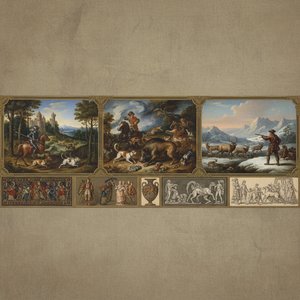
The Pursuit of Power & Prestige: Hunting Scenes in Western Art
Explore the rich history of hunting scenes in Western art, from royal pursuits to powerful allegories. Discover masterpieces & expert insights for discerning collectors. OriginalUniqueArt offers museum-quality reproductions.

John Singer Sargents 25 Mästerverk: Porträtt & Impressionism för Hemmet | OriginalUniqueArt
Utforska John Singer Sargents 25 mest ikoniska målningar! Lär känna porträttkonsten, impressionismen och hans unika ljusspel. Hitta inspiration & köp högkvalitativa konsttryck på OriginalUniqueArt.com – för en elegant heminredning.
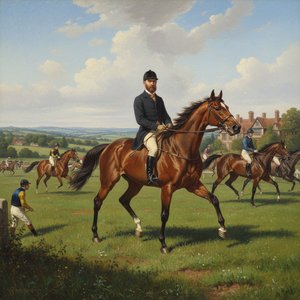
John Frederick Herring Sr.: Equestrian Mastery & the Rise of Sporting Art in Victorian England
Explore the life & work of John Frederick Herring Sr., a leading Victorian equestrian artist. Discover his masterpieces, patronage, techniques & investment potential. Expert insights for collectors.
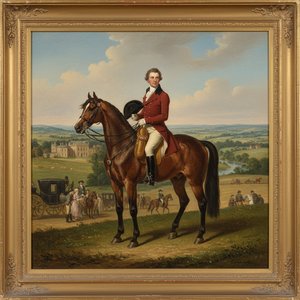
Sr. John E. Ferneley: Equestrian Portraiture & England's Social Fabric
Explore the captivating world of Sr. John E. Ferneley, a master of British sporting art. Discover his exquisite equestrian paintings & insights into 19th-century society. Invest in timeless masterpieces with OriginalUniqueArt.

John Constables 25 Mästerverk: En Konstnärlig Resa i Det Engelska Landskapet | OriginalUniqueArt
Utforska John Constables 25 mest ikoniska målningar – romantikens mästare av det engelska landskapet. Upptäck historien, tekniken & skönheten i verk som 'Hay Wain'. Köp exklusiva konsttryck på OriginalUniqueArt.com.
