Förhandsvisa
 Skicka
 Dela
Dela
 Visa detaljer
 Guide
Guide

 Ladda ner
 Liknande objekt
 Röntgen
 Bildspel
 Frågor och svar
 Statistik
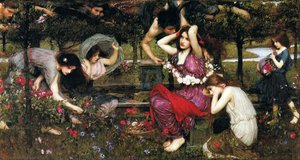
A Mermaid

- 96.0 x 66.0 cm


 Visa mer
Giclée / Konsttryck
Giclée- eller canvasprint av museumskvalitet med snabb produktion och flexibla ytbehandlingsalternativ. ( Beställ handmålad reproduktion Byt till digital bild)




P118B Skr10

P118H Skr10

P118W Skr10

P438Z Skr10

P508JH Skr12

P508YH Skr12

P805H Skr10

P805Z Skr10

P919BZ Skr10

P919G Skr10

P919XJ Skr10

P959ZH Skr10

P968JZ Skr12

W106C Skr8

W218G Skr10

W218JH Skr8

W218Y Skr10

W307PJ Skr10

W316G Skr10

W316PJ Skr8

W316Y Skr10

W398PJ Skr8

W4111J Skr10

W500HY Skr15

W500JH Skr15

W692G Skr12

W849H Skr8

W940BG Skr15

W953PJ Skr8




Välj bland våra förinställda storlekar som motsvarar konstverkets ursprungliga proportioner.

Ange den bredd och höjd du behöver för att passa din ram eller vägg. Ett tryck kan endast beskäras, aldrig göras större än originalbilden, vilket innebär att ett format med en annan proportion leder till att en del av bilden går förlorad. Vi skickar en digital mockup för godkännande innan vi påbörjar tryckningen. Bilden som visas på denna sida visar inte den faktiska beskärningen — det är endast mockuppen som gör det.
Leverans över hela världen () på 2 veckor istället för standard 4/5 veckor. (10 november)

Fri expressfrakt över hela världen

Högkvalitativ linnecanvas

Fullständig fraktförsäkring

Garantier för återbetalning av tullavgifter

Garantier för exakt färgåtergivning

100 dagars returrätt (endast vid fel)

100% pengarna tillbaka-garanti

Mängdrabatt erbjuds
 Glasalternativet är endast tillgängligt i storlekar under 110 cm.

A Mermaid
Giclée / Konsttryck
Storlek på reproduktion
-


Slutgiltigt pris
Skr 813
A Mermaid by John William Waterhouse: An Ode to Myth and Tranquility
John William Waterhouse’s “A Mermaid,” painted in 1900, is more than just a depiction of a fantastical creature; it's an immersion into a world of dreamlike beauty and profound symbolism. This captivating work, housed at the Royal Academy of Arts, exemplifies Waterhouse’s mastery of Pre-Raphaelite aesthetics – a style characterized by meticulous detail, vibrant color palettes, and a deep engagement with mythology and folklore. The painting immediately draws the viewer in with its serene composition: a mermaid, poised on weathered rocks overlooking a tranquil ocean, lost in contemplation.
- Subject Matter: The central figure of the mermaid embodies timeless themes of allure, mystery, and connection to nature.
- Composition: Waterhouse skillfully employs a pyramidal composition, directing the eye towards the mermaid’s face and emphasizing her isolation within the vastness of the sea.
- Color Palette: The artist utilizes rich, saturated hues – deep blues and greens for the water, warm browns and ochres for the rocks – to evoke a sense of depth and atmosphere.
The Symbolism of Beauty and Reflection
More than simply a beautiful image, “A Mermaid” is laden with symbolic meaning. The mermaid herself represents the untamed power of nature, a creature both alluring and potentially dangerous. Her act of combing her hair can be interpreted as a gesture of self-reflection – a moment of quiet introspection amidst the chaos of the world. The bowl nearby adds another layer to this symbolism; it could represent sustenance, nourishment, or perhaps even a longing for connection. Waterhouse’s meticulous attention to detail—the delicate strands of the mermaid's hair, the texture of the rocks—further enhances the painting’s sense of realism and invites viewers to lose themselves in its details.
A Masterclass in Pre-Raphaelite Technique
Waterhouse was a key figure in the Pre-Raphaelite movement, known for his painstaking technique and dedication to recreating the beauty he saw in classical art and nature. “A Mermaid” showcases this skill perfectly. The artist’s brushwork is remarkably smooth and controlled, creating an illusion of depth and texture that draws the viewer into the scene. The use of sfumato – a subtle blurring of edges – adds to the painting's ethereal quality, contributing to its dreamlike atmosphere. This meticulous approach reflects Waterhouse’s deep understanding of artistic principles and his commitment to producing works of lasting beauty.
Historical Context and Artistic Influence
Painted in 1900, “A Mermaid” represents a culmination of Waterhouse's artistic development, influenced by both the Pre-Raphaelite Brotherhood and the burgeoning Symbolist movement. The Symbolists, like Waterhouse, sought to evoke emotion and ideas through imagery rather than literal representation, exploring themes of mythology, dreams, and the subconscious. This painting stands as a testament to Waterhouse’s ability to synthesize these diverse influences into a uniquely captivating work of art. Its legacy continues to inspire artists and collectors alike, solidifying its place as a cornerstone of Victorian romanticism.
Frågor och svar
Vilken epok tillhör "A Mermaid"?
"A Mermaid" tillhör den 19th Century epoken.
Vem är upphovspersonen till "A Mermaid" och inom vilken stilriktning?
"A Mermaid" skapades av John William Waterhouse i Pre-Raphaelite Symbolism-stil. Konstnären och stilen definierar verkets tradition.
Vilken storlek rekommenderas för tryck av "A Mermaid"?
Rekommenderad tryckstorlek för "A Mermaid" av John William Waterhouse är Large.
Konstnärsbiografi
A Roman Beginning: The Early Life and Influences of John William Waterhouse
John William Waterhouse, en namn synonymt med den romantiska locken från Pre-Raphaelitism, började sin konstnärliga resa långt bortom de dimmiga landskap som ofta associeras med rörelsen. Född i Rom 1849 till engelska föräldrar, var hans tidigaste år djupt rotade i den klassiska skönheten i Italien – en miljö som skulle forma hans estetiska känslor på djupgående. Denna formativa period inställde inom honom ett djupt uppskattande för antik romersk konst och mytologi, teman som skulle återkomma genom hela hans produktiva karriär. Waterhouses familj återvände till England 1854 och bosatte sig i South Kensington, London, en plats strategiskt vald för sin närhet till det växande Victoria and Albert Museum. Här utsattes den unga John för en otrolig samling klassiska skulpturer och dekorativa konstverk, vilket ytterligare stärkte hans fascination för antiken. Hans initiala utbildning var konventionell, omfattande studier vid Royal Academy Schools, där han finslipade sina tekniska färdigheter i ritning och målning, men det var atmosfären av intellektuell nyfikenhet och konstnärliga innovation som verkligen tände hans passion. Även tidiga verk avslöjar en noggrann uppmärksamhet på detaljer och ett engagemang för historisk korrekthet, kvaliteter som skulle bli kännetecken för hans stil.Embracing the Pre-Raphaelite Brotherhood
Medan Waterhouses initiala arbete visade klassiska tendenser som påminde om konstnärer som Alma-Tadema och Frederic Leighton, började han gradvis att vända sig mot idealen hos Pre-Raphaelitismrörelsen. Denna konstnärliga sammanslutning, grundad 1848, förespråkade en återgång till noggrann observation av naturen och de livfulla färgerna som fanns i tidig italiensk renässanskonst – innan vad de ansåg vara den stilistiska nedgång som initierades av Raphael. Waterhouse anslöt sig inte själv till broderskapet, men omfamnade dess principer helhjärtat, och infogade sina målningar med en lyrisk skönhet och emotionell djup som resonerade djupt hos publiken. Hans 1874-målning, *Sleep and his Half-Brother Death*, utställd på Royal Academys sommarutställning, markerade en vändpunkt, vilket visade hans ökande behärskning av symbolisk berättelse och atmosfäriska effekter. Detta lyckade banade väg för konsekvent inkludering i de årliga utställningarna, etablerade honom som en stjärna på uppgång inom det London konstscenen. Han kopierade inte bara Pre-Raphaelitism teknik; han tolkade den genom sitt eget unika perspektiv, blandade klassisk precision med romantisk känsla.Mythological Visions and Arthurian Echoes
Waterhouses mest berömda verk är de som hämtar inspiration från mytologi och arturiska legender. Han hade en otrolig förmåga att ge liv åt gamla berättelser, porträtterade gudar, nypon och tragiska hjältinnor med en utsökt blandning av skönhet och patos. *The Lady of Shalott*, kanske hans mest ikoniska målning, existerar i tre versioner (1888, 1894 och 1916), var och en ett testamente till hans bestående fascination för Tennysons dikt. Bilden av den förtvivlade damen, flytande på sin flodbåt, blev symbolisk för viktoriansk romantik och den tragiska utsattheten hos konstnärlig isolering. På samma sätt är hans porträtt av Ophelia, som fångar ögonblicket innan hennes tragiska död, fyllda med en kuslig melankoli. Han illustrerade inte bara dessa berättelser; han utforskade deras psykologiska djup, fokuserade på sina subjects känslostillstånd. *Hylas and the Nymphs*, *Ariadne* och *Penelope and the Suitors* är ytterligare exempel på hans förmåga att förvandla klassiska berättelser till visuellt slående och emotionellt resonanta konstverk. Hans målningar var inte bara vackra; de var fyllda med en känsla av narrativ kraft, som inbjöd tittarna att reflektera över de komplexa aspekterna av mänskligt upplevelse.Legacy and Lasting Influence
John William Waterhouse fortsatte att måla flitigt fram till sin död 1917, och uppnådde allmänt erkännande och berömmelse under sin livstid. Han valdes in som full akademiker 1895 och ägnade tid åt att undervisa vid St John's Wood Art School, vägleda nästa generation konstnärer. Även om hans popularitet minskade något efter första världskriget har det funnits en betydande återuppväckning av intresset för hans verk under de senaste decennierna. Idag hyllas Waterhouse som en av de viktigaste figurerna i Pre-Raphaelitismrörelsen och en mästare inom viktoriansk målning. Hans målningar fortsätter att fängsla publiken med sin utsökta skönhet, emotionella djup och tidlösa attraktion. Han lämnade efter sig ett arv av romantiska visioner, mytologiska tolkningar och tragiska hjältinnor som fortsätter att inspirera konstnärer och konstälskare världen över. Hans verkets bestående kraft ligger i dess förmåga att transportera tittarna till en annan värld – en värld av myt, legender och djupgående mänsklig känsla.
John William Waterhouse
1849 - 1917 , Italien
Kortfakta
- Artistic Movement Or Style: Prerafaelit, Victoriana
- Artists Or Movements Influenced By This Artist: ['Impressionism']
- Artists Who Influenced This Artist:
- Alma-Tadema
- Leighton
- Date Of Birth: 1849-04-06
- Date Of Death: 1917-02-10
- Full Name: John William Waterhouse
- Nationality: Engelsk
- Notable Artworks:
- Lady Shalott
- Ophelia
- Hylas
- Place Of Birth: Rom, Italien
Relaterade artiklar

The Pre-Raphaelite Brotherhood: Rediscovering Beauty, Romance, and Medieval Magic in Victorian Art
Embark on a journey through the Pre-Raphaelite Brotherhood. Discover the romantic symbolism, medieval magic, and radical beauty of Rossetti and Burne-Jones in this expert exploration of Victorian art history.

The Pre-Raphaelite Revolution: A Symphony of Vivid Color and Romantic Grandeur
Delve into the breathtaking Pre-Raphaelite Revolution. Explore the vivid colors, intricate details, and romantic symbolism of masters like Rossetti and Millais in this authoritative journey through 19th-century art history for true enthusiasts.

Arthur Hughes: Pre-Raphaelite Visions of Beauty & Melancholy
Explore the captivating world of Arthur Hughes (1832-1915), a leading Pre-Raphaelite painter. Discover his dreamy landscapes, poetic narratives & iconic Victorian artworks. Learn about his life, style & collecting today.

John William Waterhouse: Pre-Raphaelite Mythmaker & Poetic Depictions of Female Identity
Explore the captivating world of John William Waterhouse, a master of Pre-Raphaelite painting. Discover his iconic depictions of mythology and female identity in this expert guide.

Dante Gabriel Rossettis 25 Mästerverk: Konst, Symbolik & Heminredning
Utforska Dante Gabriel Rossettis 25 mest ikoniska konstverk! Upptäck prerafaeliternas symbolik, romantisk konst och tidlösa berättelser bakom mästerverken. Köp museumkvalitativa tryck & inred med vacker väggkonst på OriginalUniqueArt.com.