

 Visa i rummet
 Skicka
 Dela
Dela
 Detaljer
 Studentguide för konstverk

 Ladda ner
 Liknande objekt
 Röntgen
 Bildspel
 Besökstatistik
Rebecca Boylston
 Oil On Canvas
- WallArt
- Neo-Classicism
 1767
1767 127.0 x 101.0 cm
 Museum of Fine Arts
 Läs mer
Handgjord oljereproduktion
Handmålad olja på duk i din valda storlek och ram, tillverkad efter beställning av våra konstnärer. ( Byt till tryckta exemplar Byt till digital bildförsäljning)




P118B Skr10

P118H Skr10

P118W Skr10

P438Z Skr10

P508JH Skr12

P508YH Skr12

P805H Skr10

P805Z Skr10

P919BZ Skr10

P919G Skr10

P919XJ Skr10

P959ZH Skr10

P968JZ Skr12

W106C Skr8

W218G Skr10

W218JH Skr8

W218Y Skr10

W307PJ Skr10

W316G Skr10

W316PJ Skr8

W316Y Skr10

W398PJ Skr8

W4111J Skr10

W500HY Skr15

W500JH Skr15

W692G Skr12

W849H Skr8

W940BG Skr15

W953PJ Skr8




Välj bland våra förinställda storlekar som motsvarar konstverkets ursprungliga proportioner.

Ange den bredd och höjd du behöver för att passa din ram eller din vägg. Eftersom detta är handmålat kan konstnären vid en annan form måla lite mer runt bilden eller beskära den något – du väljer själv. Vi skickar en digital mockup för godkännande innan målningen påbörjas. Bilden som visas på denna sida representerar inte det slutgiltiga resultatet — det är endast mockuppen som visar det.
Efter beställning kommer OriginalUniqueArt.com team att mejla kunden för instruktioner och tillhandahålla en skissförhandsvisning
Leverans över hela världen () på 3–4 veckor istället för standard 5 veckor. (22 oktober). Inga kompromisser med kvaliteten.

Fri expressfrakt över hela världen

Högkvalitativ linnecanvas

Fullständig fraktförsäkring

Garantier för återbetalning av tullavgifter

Garantier för exakt färgåtergivning

100 dagars returrätt vid fabrikationsfel

100% pengarna tillbaka-garanti

Mängdrabatt erbjuds
 Glasalternativet är endast tillgängligt i storlekar under 110 cm.

Rebecca Boylston
Tryckteknik
Reproduktionsstorlek
-


Totalpris
Skr 2972
The Eloquence of Grace: John Singleton Copley’s Rebecca Boylston
John Singleton Copley's "Rebecca Boylston," painted in 1767, isn’t merely a portrait; it’s a meticulously crafted window into the social and artistic currents of colonial Boston. More than just capturing likeness, Copley masterfully imbued his subject with an aura of poised elegance and quiet confidence – qualities that resonated deeply within the context of his time. The painting stands as a testament to Copley's remarkable ability to translate the complexities of human personality onto canvas, showcasing both technical brilliance and a keen understanding of the nuances of New England society.
Copley’s style during this period exemplifies Neoclassicism, a movement that drew inspiration from the art and philosophy of ancient Greece and Rome. However, Copley didn't simply replicate classical forms; he adapted them to his own distinctly American sensibility. The composition is remarkably balanced, with Rebecca Boylston seated in a relaxed yet dignified pose, her hands gently holding a bouquet of flowers – a subtle symbol of beauty, innocence, and perhaps even a hint of wistful longing. The careful attention to detail—the delicate folds of her gown, the sheen of her jewelry, the precise rendering of her features—demonstrates Copley’s commitment to realism, yet it's tempered by an idealized quality that elevates the portrait beyond simple likeness.
A Portrait of a Woman and Her World
Rebecca Boylston herself was a woman of considerable standing within Boston society. As the sister of Nicholas Boylston, a prominent merchant, she possessed both wealth and social influence. Copley’s decision to portray her in this manner—dressed in luxurious silk, adorned with delicate jewelry, and holding flowers – speaks volumes about her position and the values associated with it. The inclusion of two figures in the background, partially obscured, adds depth to the scene, suggesting a domestic setting and hinting at the social circles within which Rebecca moved. These figures are not merely decorative; they contribute to the narrative, grounding the portrait in its specific historical context.
The pink sash around her neck is a particularly noteworthy detail. It’s a subtle flourish that adds a touch of color and visual interest while also subtly referencing the fashionable trends of the era. More importantly, it underscores Rebecca's status as a woman of refinement and good taste – qualities highly valued in colonial Boston. The painting isn’t simply about depicting a beautiful woman; it’s about portraying her within the framework of her social world.
The Brushstroke and the Soul
Copley’s technique is characterized by its meticulousness and precision. He employed a layering method, building up color gradually through numerous thin glazes, creating a luminous effect that captures the subtle nuances of light and shadow. The use of cool tones—particularly in the background—contrasts sharply with the warmer hues of Rebecca's gown, drawing the viewer’s eye to her figure. His brushwork is remarkably controlled, conveying both elegance and dynamism. Note how he subtly suggests movement through the arrangement of her clothing and the delicate curve of her hands.
Beyond technical skill, Copley possessed a remarkable ability to capture the essence of his subjects. “Rebecca Boylston” isn’t just a representation of a woman; it's an evocation of her personality—her poise, her intelligence, and perhaps even a hint of melancholy. The direct gaze she casts upon the viewer invites us into her world, creating a powerful connection that transcends time.
A Legacy of Elegance
“Rebecca Boylston” remains a captivating work of art, offering a glimpse into the social and artistic landscape of colonial Boston. It’s a testament to John Singleton Copley's genius—his ability to blend technical skill with profound insight. Reproductions of this iconic portrait continue to resonate with viewers today, capturing not only the beauty of its subject but also the enduring legacy of an artist who helped shape the visual identity of America.
Frågor och svar
Kan jag se "Rebecca Boylston" av John Singleton Copley i olika ljus?
Röntgen-sidan för "Rebecca Boylston" av John Singleton Copley är en interaktiv visare som låter dig bläddra genom elva optiska lager av konstverkets bild, inklusive en vy i röntgenstil.
När och med vilka material skapades "Rebecca Boylston"?
"Rebecca Boylston" skapades år 1767 med tekniken Oil On Canvas. Material och datum beskriver hur och när originalet tillverkades.
Vilket format har "Rebecca Boylston"?
"Rebecca Boylston" av John Singleton Copley har ett Portrait-format. Formatet beskriver kompositionens proportioner.
Om konstnären
A Pioneer Bridging Worlds: The Life and Art of John Singleton Copley
John Singleton Copley, född i Boston omkring 1738, står som en unik och central figur i amerikansk konsthistoria. Han var mer än bara en målare; han var en kulturell brobyggare, som skapade ett distinkt anglo-amerikanskt estetiskt uttryck under en period av enorma politiska och sociala omvälvningar. Hans livshistoria är en berättelse om självförvaltad briljans, obeveklig ambition och en ovanlig förmåga att fånga inte bara likheter, utan också själva essensen hos sina motiv i deras kontext. Copleys tidiga liv var djupt rotat i den pulserande hamnverksamheten i koloniala Boston, en stad fylld av köpmän, skeppsbyggare och växande välstånd. Hans far, Richard Copley, frånvarande kort efter Johns födelse, var tobiksimportör, medan hans mor, Mary Singleton Copley, drev en butik på Long Wharf. Denna miljö gav John en skarp medvetenhet om den materiella världen – texturer av tyger, glans av silver, de subtila nyanserna i social ställning – alla element som senare skulle definiera hans konstnärliga stil. Hans vårboskapspappa, Peter Pelham, en graver och limner (en konstnär som skapade porträtt på vellum eller pergament), gav initial vägledning, men Copleys talang var i stort sett självförvaltad genom noggrann studie och övning. Han slukade alla tillgängliga tryck, kopierade dem minutiöst för att bemästra tekniken, och överträffade snabbt sin vårboskapspappas förmågor.The Rise of a Colonial Portraitist
Under 1760-talet hade Copley etablerat sig som Bostons främsta porträttmålare, och betjänade stadens överklass. Hans framgång var inte bara baserad på teknisk skicklighet; det var hans förmåga att infusa sina porträtt med en psykologisk djuphet sällan sedd i kolonial amerikansk konst. Han gick bortom enkel representation, strävandes efter att fånga karaktären och den sociala ställningen hos sina motiv. Detta innebar noggrann uppmärksamhet på detaljer – exakt återgivning av tyger, smycken och möbler – men också en skarp förståelse för hållning, uttryck och gester. Copleys porträtt var inte bara bilder; de var uttömnande budskap om rikedom, makt och social status. Han använde sig skickligt av symboliska föremål i sina kompositioner, subtilt antydde hans motiv yrken eller intressen. En köpmand kunde porträtteras med importerade varor i bakgrunden, en jurist med juridiska texter, eller en sjömilitär officer med nautiska instrument. Denna uppmärksamhet på detaljer och symbolik höjde hans verk bortom enkel porträttkonst, förvandlade det till en form av social kommentar. Hans porträtt av framstående personer som *Mrs. Ezekiel Gondthwait (Elizabeth Lewis)* exemplifierar detta tillvägagångssätt – den eleganta hållningen, de lyxiga tygerna och de subtila detaljerna förmedlar alla en känsla av raffinement och status.Ambition and the Call of Europe
Trots sin framgång i Boston hade Copley ambitioner som sträckte sig bortom den koloniala konstvärlden. Han längtade efter erkännande från de etablerade konstcirklar i London och Rom, och sökte testa sina färdigheter mot Europas mästare. År 1766 skickade han sitt *Boy with a Flying Squirrel* till Society of Artists i London, där det mottog betydande beröm från Joshua Reynolds och Benjamin West – två ledande figurer i den brittiska konstscenen. Detta uppmuntran drev Copleys önskan om ytterligare utbildning och exponering. Men familjeåtaganden och en blomstrande praktik höll honom rotad i Boston under ytterligare ett decennium. Slutligen, 1774, med sin fru Susanna Farnsworth Clarke och sina barn, begav han sig på en resa till Europa, avsiktligt för att studera de gamla mästarna och etablera sig som en historiemålare. Den amerikanska revolutionens utbrott kort därefter komplicerade saken och tvingade Copley att navigera i en politiskt laddad miljö samtidigt som han jagade sina konstnärliga mål.Historical Narratives and Lasting Legacy
I London fann Copley både möjligheter och utmaningar. Han fortsatte att måla porträtt, säkrade beställningar från framstående brittiska figurer, men vände också sin uppmärksamhet till historiemålning – en genre som ansågs mer prestigefull än porträttkonst vid den tiden. Hans mest ambitiösa verk i denna kategori var *The Death of Major Peirson*, som skildrade en scen från slaget om Jersey under den amerikanska revolutionen. Även om det tekniskt sett var imponerande, fick det blandade recensioner, med vissa kritiker ifrågasatte dess komposition och dramatiska effekt. Copleys senare historiemålningar, såsom *The Colapse of the Earl of Chatham in the House of Lords*, var mer framgångsrika, vilket visade hans förmåga att fånga komplexa känslor och dramatiska ögonblick. Även om han aldrig helt uppnådde den erkännelse han sökte i Europa, lämnade John Singleton Copley ett bestående avtryck på både amerikansk och brittisk konsthistoria. Han banade väg för en unikt anglo-amerikansk stil, som blandade europeiska tekniker med en distinkt kolonial känsla. Hans porträtt är ovärderliga historiska dokument, som ger inblick i livet och värderingarna i en svunnen tid. *Han minns inte bara för sin konstnärliga skicklighet utan också för sin roll i att forma en nationell identitet genom sitt konstverk.* Han dog i London 1815, lämnande ett arv som fortsätter att inspirera konstnärer och fängsla publiken idag.Influences and Artistic Development
- Early Influences: Copley’s early artistic development was heavily influenced by the engravings he meticulously copied, particularly those of European masters like Rembrandt van Rijn and Antoine Watteau.
- Peter Pelham's Guidance: His stepfather, Peter Pelham, provided initial training in portraiture and engraving techniques, laying the foundation for his future success.
- Joshua Reynolds & Benjamin West: The encouragement and feedback from these prominent British artists during Copley’s early submissions to London exhibitions were crucial in shaping his ambitions and artistic direction.
- Rococo Style: Copley initially embraced the Rococo style, evident in his use of delicate colors, graceful poses, and ornate details. However, he gradually moved towards a more realistic and restrained approach.
- Historical Painting Inspiration: His exposure to historical paintings by artists like Benjamin West inspired him to explore this genre, though he often struggled to fully reconcile it with his natural talent for portraiture.
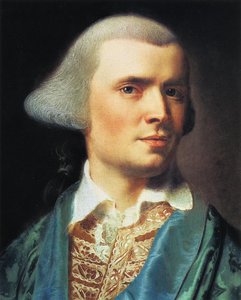
John Singleton Copley
1738 - 1815 , Storbritannien
Snabbfakta
- Artistic Movement Or Style: Porträtt, Realism
- Artists Or Movements Influenced By This Artist: ['Framed generationer']
- Artists Who Influenced This Artist:
- Rembrandt
- Watteau
- Date Of Birth: 1738
- Date Of Death: 1815
- Full Name: John Singleton Copley
- Nationality: Anglo-amerikansk
- Notable Artworks:
- Earl of Chatham
- Watson and Shark
- Place Of Birth: Boston, Storbritannien
Relaterade artiklar

The Enduring Legacy of Oil on Canvas: Technique, History & Aesthetic Impact
Explore the rich history & techniques of oil painting – from Renaissance masters to Impressionism. Discover pigments, layering methods, and why this timeless medium endures. Expert insights for artists & art enthusiasts.

De 10 mästerverk som definierade nyklassicismen – konst för ditt hem | OriginalUniqueArt.com
Utforska de 10 mästerverk som definierade nyklassicismen! Lär känna Jacques-Louis David, Ingres & Canova. Upptäck konsthistoria och hitta inspiration för din inredning med museumkvalitativa reproduktioner på OriginalUniqueArt.com.

Neo-Classicism Reimagined: The Bold Return of Order, Power, and Timeless Aesthetic Authority
Explore the resurgence of Neo-Classicism. Discover how the bold return of order, symmetry, and mythic power is redefining modern luxury interiors through museum-quality, hand-painted reproductions and bespoke classical commissions for the discerning art collector.
The Enduring Legacy of Classicism: Principles, Evolution & Influence in Western Art
Explore the enduring legacy of Classicism in Western art! Discover its historical context, key principles, iconic masterpieces & lasting influence. Learn about Renaissance and Neoclassical movements with OriginalUniqueArt.

Olja på duk: En tidlös teknik – Historik, process och konstnärliga möjligheter
Utforska oljemålningskonsten! Lär dig om flamländsk teknik, materialval och historisk utveckling. Expertguider för både nybörjare och erfarna konstnärer – bevara dina målningar med bästa praxis.


