
 Förhandsvisa
 Skicka
 Dela
Dela
 Visa detaljer

 Ladda ner
 Liknande objekt
 Röntgen
 Bildspel
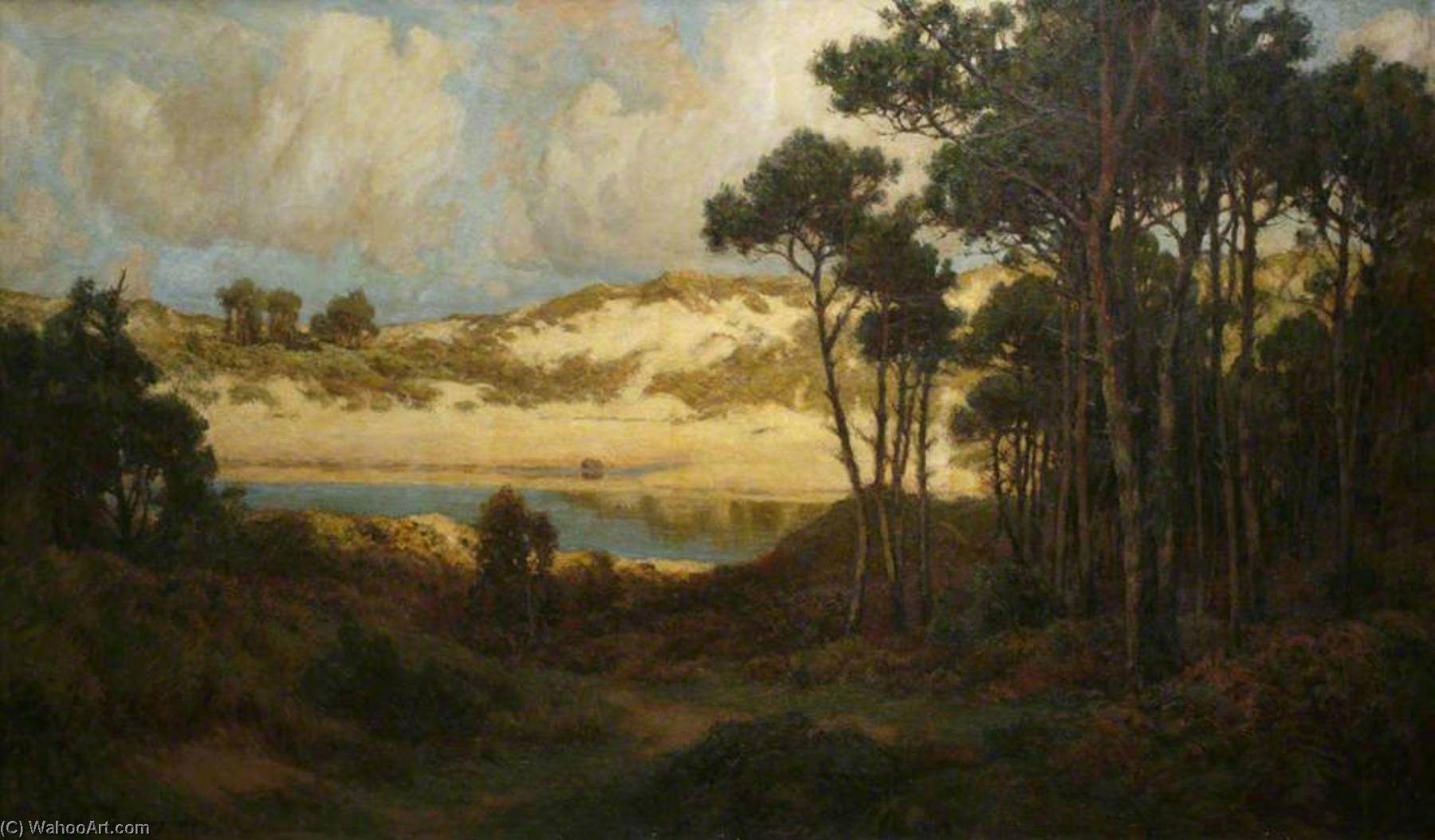
The Estuary
 1909
1909 166.0 x 278.0 cm
 Visa mer
Giclée / Konsttryck
Giclée- eller canvasprint av museumskvalitet med snabb produktion och flexibla ytbehandlingsalternativ. ( Beställ handmålad reproduktion Köp högupplöst bild)




































Välj bland våra förinställda storlekar som motsvarar konstverkets ursprungliga proportioner.

Du kan ange egna mått för att passa en specifik ram eller yta. Om det valda måttet inte överensstämmer med originalbildens proportioner kommer vi antingen att beskära konstverket eller utöka bilden med en speglad eller enfärgad kant. En digital mockup skickas för ditt godkännande innan produktionen påbörjas.
Vänligen notera att förhandsvisningen på skärmen inte återspeglar den faktiska beskärningen eller utökningen. Endast mockuppen visar den slutgiltiga kompositionen korrekt.
Även om anpassade storlekar är möjliga, rekommenderar vi att du väljer ett mått från den fördefinierade listan för att bevara de ursprungliga proportionerna.
Leverans över hela världen () på 2 veckor istället för standard 4/5 veckor. (26 augusti)

Fri expressfrakt över hela världen

Högkvalitativ linnecanvas

Fullständig fraktförsäkring

Garantier för återbetalning av tullavgifter

Garantier för exakt färgåtergivning

60 dagars returrätt (endast vid fabrikationsfel)

100% pengarna tillbaka-garanti

Mängdrabatt erbjuds
 Glasalternativet är endast tillgängligt i storlekar under 110 cm.

The Estuary
Giclée / Konsttryck
Storlek på reproduktion
-


Slutgiltigt pris
$ 80
Om samlarobjektet
A Peaceful Scene
The painting depicts a serene scene of a lake surrounded by trees with a sandy beach nearby. There is a boat on the water, adding to the peaceful atmosphere. The sky above the scene appears cloudy, which adds depth and contrast to the image. The overall composition of the painting creates an impression of tranquility and natural beauty. Key Features of the painting include:- The use of oil on canvas, which gives the painting a rich and vibrant texture
- The depiction of a serene and peaceful scene, which invites the viewer to step into the world of the painting
- The exceptional skill of the artist in capturing the play of light and shadow on the water and surrounding landscape
Artist and Museum
John Noble Barlow was a talented artist known for his landscapes and seascapes. His work can be found in various museums, including the Royal Cornwall Museum. To learn more about the artist and his works, visit /art/list/?Filter=john+noble+barlow,john,noble,barlow&. For more information on the museum, visit /art/list/?Filter=royal+cornwall+museum,royal,cornwall,museum&.The Estuary is a must-see for anyone who appreciates beautiful landscapes and exceptional artistry. With its serene atmosphere and stunning depiction of nature, this painting is sure to captivate audiences for generations to come. To see more artworks like the Estuary, visit https://OriginalUniqueArt.com and discover a world of handmade oil paintings reproductions.
Konstnärsbiografi
The Luminous Legacy of John Noble Barlow
In the soft, shifting light of the late nineteenth and early twentieth centuries, few artists captured the ephemeral soul of the landscape as poignantly as John Noble Barlow. A master of the Impressionist spirit, Barlow possessed a rare ability to translate the atmospheric weight of the English coast and the fleeting brilliance of autumnal transitions onto canvas. Born in Manchester in 1861, his journey was one of profound geographical and stylistic expansion. While his roots were firmly planted in the industrial heart of England, his artistic vision was forged in the prestigious studios of Paris, where he refined his technique under the watchful eyes of masters such as Jules Joseph Lefebvre, Paul Louis Delance, and Jean-Joseph Benjamin-Constant at the Académie Julian. This rigorous academic foundation provided him with a disciplined command of form, which he would later dissolve into the breathtaking, textured brushwork that defines his most celebrated works.
Barlow’s life was characterized by a restless, wandering intellect and a deep devotion to the natural world. His travels through Belgium, the Netherlands, and even the bustling streets of New York City enriched his palette with diverse light qualities and cultural nuances. This period of exploration allowed him to bridge the gap between traditional academic realism and the burgeoning Impressionist movement. By 1892, having married the American Marie Elizabeth Johnson, Barlow found a spiritual and artistic home in St Ives, Cornwall. It was here, amidst the rugged cliffs and serene tidal pools, that his artistry reached its zenith. The Cornish landscape became more than just a subject; it became a collaborator in his creative process, providing the raw, elemental energy required for his evocative seascap and pastoral vistas.
Mastery of Light and Atmosphere
The true magic of Barlow’s work lies in his profound understanding of luminosity. He did not merely paint landscapes; he painted the very air that inhabited them. His technique involved a sophisticated layering of color and texture, allowing light to appear as though it were vibrating beneath the surface of the oil paint. This is perhaps most evident in his celebrated masterpiece, “Spring, Lamorna,” a work that captures the tender, revitalizing glow of the Cornish springtime with such palpable atmosphere that the viewer can almost feel the damp, salt-kissed breeze.
His repertoire extended beautifully into the melancholic splendor of autumn and the quietude of river scenes. Whether depicting the rhythmic ebb and flow of the sea or the muted, contemplative tones of “On the Thames,” Barlow maintained a consistent focus on the emotional resonance of the environment. His ability to manipulate light allowed him to evoke a sense of nostalgia and timelessness, making his landscapes feel both intimately personal and universally enduring. The following elements define his stylistic hallmarks:
- Impressionistic Brushwork: A reliance on visible, textured strokes that prioritize the sensation of light over rigid anatomical or geological detail.
- Atmospheric Perspective: The masterful use of soft edges and tonal shifts to create a profound sense of depth and spatial immersion.
- Seasonal Narrative: An expert command over the specific color palettes required to convey the transition from the vibrant rebirth of spring to the golden decay of autumn.
Recognition and Historical Significance
Barlow’s ascent within the international art community was marked by significant accolades that validated his unique position between British tradition and Continental innovation. His presence in prestigious exhibitions, such as the National Academy of Design and the Art Institute of Chicago, solidified his reputation far beyond the shores of England. The global art world took notice of his prowess when he was awarded a gold medal (third class) at the 1899 Paris Salon and further recognition at the 1900 Paris Exposition. These honors were not merely personal triumphs but served to cement the importance of the Cornish Impressionist style on the broader European stage.
Though his life ended in 1917, leaving behind a legacy etched in the landscapes of Cornwall and Rhode Island, Barlow’s influence persists. He remains a pivotal figure for those studying the evolution of landscape painting at the turn of the century—a period where the boundaries between reality and perception were being beautifully redrawn. His work stands as a testament to a life spent chasing the light, capturing the fleeting moments of nature before they vanished into the shadows of history.

John Noble Barlow
1861 - 1918 , United Kingdom
Kortfakta
- Artistic Movement Or Style: Impressionism
- Artists Or Movements Influenced By This Artist: ['Donald Henry Floyd']
- Artists Who Influenced This Artist:
- Jules Joseph Lefebvre
- Paul Louis Delance
- Jean-Joseph Benjamin-Constant
- Date Of Birth: Manchester, United Kingdom (1861)
- Date Of Death: Penzance, Cornwall (1917)
- Full Name: John Noble Barlow
- Nationality: British
- Notable Artworks:
- Shaugh Bridge
- Early Spring
- The Estuary
- Place Of Birth: Manchester

