

 Förhandsvisa
 Skicka
 Dela
Dela
 Visa detaljer

 Ladda ner
 Liknande objekt
 Röntgen
 Bildspel
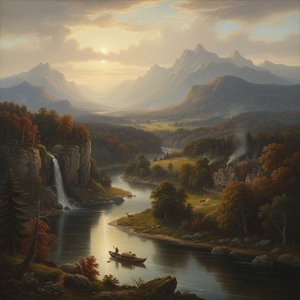
Hudson River Scene


 Visa mer
Handgjord oljereproduktion
Handmålad olja på duk i din valda storlek och ram, tillverkad efter beställning av våra konstnärer. ( Beställ tryck Köp högupplöst bild)




P118B $10

P118H $10

P118W $10

P438Z $10

P508JH $12

P508YH $12

P805H $10

P805Z $10

P919BZ $10

P919G $10

P919XJ $10

P959ZH $10

P968JZ $12

W106C $8

W218G $10

W218JH $8

W218Y $10

W307PJ $10

W316G $10

W316PJ $8

W316Y $10

W398PJ $8

W4111J $10

W500HY $15

W500JH $15

W692G $12

W849H $8

W940BG $15

W953PJ $8




Välj bland våra förinställda storlekar som motsvarar konstverkets ursprungliga proportioner.

Du kan ange egna mått för att passa en specifik ram eller yta. Om den valda storleken inte matchar originalbildens proportioner kommer vi antingen att beskära konstverket eller utöka målningen med ytterligare handmålade element. En digital skiss skickas till dig för godkännande innan produktionen påbörjas.
Observera att förhandsvisningen på skärmen inte återspeglar den faktiska beskärningen eller utökningen. Endast skissen visar den slutgiltiga kompositionen korrekt.
Även om anpassade storlekar är möjliga, rekommenderar vi att du väljer en dimension från den fördefinierade listan för att bevara originalproportionerna.
Efter beställning kommer OriginalUniqueArt.com team att mejla kunden för instruktioner och tillhandahålla en skissförhandsvisning
Leverans över hela världen () på 3–4 veckor istället för standard 5 veckor. (25 augusti). Inga kompromisser med kvaliteten.

Fri expressfrakt över hela världen

Högkvalitativ linnecanvas

Fullständig fraktförsäkring

Garantier för återbetalning av tullavgifter

Garantier för exakt färgåtergivning

60 dagars returrätt (endast vid fabrikationsfel)

100% pengarna tillbaka-garanti

Mängdrabatt erbjuds
 Glasalternativet är endast tillgängligt i storlekar under 110 cm.

Hudson River Scene
Reproduktionsmedium
Storlek på reproduktion
-


Slutgiltigt pris
$ 300
Beskrivning av konstverket
A Serene Vision of the Hudson Valley: John Frederick Kensett’s “Hudson River Scene”
John Frederick Kensett's "Hudson River Scene," painted in 1857, isn’t merely a landscape; it’s a carefully constructed meditation on light, tranquility, and the sublime beauty of the American wilderness. Belonging to the illustrious Hudson River School, a movement that profoundly shaped the course of American art, this painting embodies the core tenets of Luminism – an approach prioritizing atmospheric effects and subtle tonal variations over dramatic detail. Kensett, deeply influenced by the Romantic ideals of his time, sought not to represent nature as it *is*, but rather as it *feels*—a source of profound spiritual resonance.
The scene unfolds along the banks of the Hudson River, a quintessential vista of the New York countryside. Rolling hills, draped in a soft, hazy blue, recede into the distance, their contours softened by atmospheric perspective. A meandering river reflects the muted light of the sky, creating an illusion of infinite depth and mirroring the serenity above. Two figures, rendered with remarkable delicacy, are positioned near the center of the composition, suggesting a quiet moment of contemplation amidst this idyllic setting. Their presence isn’t intrusive; rather, they serve to anchor the viewer in the scene, inviting us to share their peaceful observation.
The Language of Light and Color
Kensett's mastery lies not just in his depiction of the landscape but also in his innovative use of color. He eschewed the bold, vibrant hues favored by some of his contemporaries, opting instead for a palette dominated by cool blues, greens, and grays. This restrained approach creates a sense of stillness and quietude, emphasizing the subtle shifts in light and shadow. The artist’s brushwork is remarkably delicate—almost invisible—allowing the colors to blend seamlessly into one another, mimicking the hazy atmosphere of a summer afternoon. He employed a technique known as “broken color,” applying thin layers of paint that refract light and create shimmering effects, particularly noticeable in the water and sky.
The painting’s luminosity – its ability to seem to glow from within – is a hallmark of Luminism. Kensett meticulously studied the way light interacts with different surfaces, capturing the ephemeral quality of sunlight filtering through trees or reflecting off the river's surface. This pursuit of atmospheric effects was deeply influenced by his travels in Europe, particularly his admiration for the Dutch Masters who excelled at depicting light and shadow.
A Reflection of Transcendentalist Ideals
"Hudson River Scene" is inextricably linked to the broader philosophical currents of the mid-19th century. The Hudson River School artists, including Kensett, were deeply influenced by the Transcendentalist movement, which emphasized the inherent goodness of humanity and the importance of connecting with nature. For these artists, the landscape wasn’t simply a picturesque backdrop; it was a conduit to spiritual truth. Kensett's paintings, like this one, aim to evoke a sense of awe and wonder, prompting viewers to contemplate their place within the vastness of the natural world.
The inclusion of the two figures adds another layer of meaning. They represent humanity’s ability to find solace and connection in nature—a theme central to Transcendentalist thought. Their quiet contemplation suggests a harmonious relationship between humans and the environment, reflecting an ideal of balance and serenity.
Collecting a Legacy: Reproduction and Beyond
Reproductions of “Hudson River Scene” offer a remarkable opportunity to bring this timeless masterpiece into your home or office. OriginalUniqueArt’s hand-painted reproductions meticulously recreate Kensett's delicate brushwork and nuanced color palette, capturing the essence of his original vision. Whether you seek an authentic work of art or a high-quality reproduction that evokes the spirit of the Hudson River School, this painting remains a powerful symbol of American landscape artistry and its enduring appeal.
Consider how this serene scene can complement your interior design—bringing a touch of tranquility and natural beauty to any space. The subtle colors and atmospheric effects create a calming atmosphere, perfect for relaxation or contemplation. “Hudson River Scene” is more than just a painting; it’s an invitation to connect with the timeless allure of the American wilderness.
Konstnärsbiografi
A Life Dedicated to Serene Landscapes
John Frederick Kensett, född den 22 mars 1816 i Cheshire, Connecticut, var en amerikansk konstnär och graverare vars livsverk kretsade kring att fånga naturens lugna och vackra landskap. Som medlem i andra generationen av Hudson River School, präglades Kensetts mest kända verk av sin lysande kvalitet och sin förmåga att framkalla transcendentala känslor genom naturen. Hans tidiga liv var starkt influerat av hans farbror Alfred Daggett, en framstående bankograf, vilket gav honom en tidig insikt i graveringskonsten. Han studerade gravering med sin far, Thomas Kensett, och arbetade som gravere i New Haven fram till 1838, innan han flyttade till New York City för att arbeta med banknotor.Från Gravering till Luminism
Kensetts konstnärliga resa började med en fascination för detaljrikedom och precision, egenskaper som han utvecklat genom sitt arbete som gravere. Men det var under påverkan av den europeiska konstscenen, särskilt i Paris och Rom, som hans stil förändrades radikalt. Han studerade hos ledande konstnärer som Benjamin Champney och absorberade de ljusets och skuggans subtila nyanser som präglade luminismens utveckling. Denna rörelse, som betonade atmosfäriskt ljus och en nästan fotografisk realism, blev Kensetts signaturstil. Han började experimentera med att fånga naturens flyktiga ljusförhållanden på ett sätt som var unikt för hans konstverk.Etablerad Studio och Resor
Efter att ha etablerat sitt studio i New York fortsatte Kensett att resa genom det östra USA, från de majestätiska Rocky Mountains till den vackra kusten. Hans resor gav honom inspiration och en djupare förståelse för landskapen han skulle måla. Han var en skicklig observatör och lyckades fånga både den stora helheten och de små detaljerna i naturen, vilket resulterade i verk som är både storslagna och intimt. Hans stil utvecklades gradvis från den traditionella Hudson River School till en mer raffinerad luministisk approach, kännetecknad av ett unikt sätt att hantera ljuset och atmosfären.Ikoniska Verk och Arv
Flera av Kensetts verk har blivit ikoniska inom amerikansk konsthistoria. *Mount Washington from the Valley of Conway* (1851), som köptes av den amerikanska konstunionen och distribuerades till 13 000 prenumeranter, är ett exempel på hans förmåga att fånga landskapets dramatik och skönhet. *Eaton’s Neck, Long Island* (1872), nu en del av Metropolitan Museums samling i New York, illustrerar perfekt hans luministiska stil – en atmosfärisk och nästan drömlik representation av kusten. Kensett var också en grundare av Metropolitan Museum of Art och en full medlem av National Academy of Design, vilket vittnar om hans betydelse för den amerikanska konstscenen under 1800-talet. Hans verk fortsätter att inspirera landskapsmålare än idag.Huvudverk
- Sunset Sky (ca 1870), The Metropolitan Museum of Art, New York
- Three Mile Harbor (ca 1860), Museum of Fine Arts, Tallahassee
Förbindelser med andra konstnärer
Kensett var en viktig del av den konstnärliga gemenskapen i New York och hade starka band till flera andra framstående konstnärer. Han samarbetade nära med Thomas Cole och Benjamin Champney, och hans vänskap med John W. Casilear var också avgörande för hans utveckling som konstnär. Dessa kontakter bidrog till den rika och dynamiska konstscenen i New York under 1800-talet.
John Frederick Kensett
1816 - 1872 , USA
Kortfakta
- Artistic Movement Or Style: Hudson River & Luminism
- Artists Or Movements Influenced By This Artist: ['Luminism']
- Artists Who Influenced This Artist:
- Thomas Cole
- Benjamin Champney
- Date Of Birth: 22 mars 1816
- Date Of Death: 14 dec 1872
- Full Name: John Frederick Kensett
- Nationality: Amerikansk
- Notable Artworks:
- Mount Washington
- Eaton's Neck
- Place Of Birth: Cheshire, USA
Relaterade artiklar

John Frederick Kensett: Luminosity, Landscape & the American Identity
Explore the luminous landscapes of John Frederick Kensett, a master of Luminism and key figure in the Hudson River School. Discover his serene paintings & enduring legacy with OriginalUniqueArt.

Hudson River School: Topp 10 mästerverk för ditt hem – Konst & Historia | OriginalUniqueArt.com
Upptäck de 10 mest ikoniska mästerverken från Hudson River School! Lär känna Thomas Cole, Frederic Church och andra amerikanska landskapsmålare. Köp högkvalitativa konsttryck & inred med storslagen naturkonst på OriginalUniqueArt.com.

Robert Spencer: Luminism, Narrative & the American Landscape Tradition
Explore the captivating world of Luminism & the Hudson River School with our expert analysis. Discover the history, artists, and enduring beauty of 19th-century American landscape painting. Find museum-quality reproductions at OriginalUniqueArt.

The Sublime Landscape: Exploring the Hudson River School Movement
Explore the captivating world of the Hudson River School! Discover the history, artists, and defining characteristics of this iconic American art movement. Learn about Romanticism's influence & find inspiration for your collection.
Capturing the American Spirit: A Journey Through Iconic Landscapes and the Legacy of the Hudson River School
Explore the profound beauty of American art history. From the Hudson River School to iconic landscapes, discover a curated journey through the masterpieces that defined a nation's spirit and the enduring legacy of American Romanticism.



