
 Förhandsvisa
 Skicka
 Dela
Dela
 Visa detaljer
 Guide
Guide

 Ladda ner
 Liknande objekt
 Röntgen
 Bildspel
 Frågor och svar
 Statistik
Catherine Harrison Murchie


 Visa mer
Giclée / Konsttryck
Giclée- eller canvasprint av museumskvalitet med snabb produktion och flexibla ytbehandlingsalternativ. ( Beställ handmålad reproduktion Byt till digital bild)




P118B Skr10

P118H Skr10

P118W Skr10

P438Z Skr10

P508JH Skr12

P508YH Skr12

P805H Skr10

P805Z Skr10

P919BZ Skr10

P919G Skr10

P919XJ Skr10

P959ZH Skr10

P968JZ Skr12

W106C Skr8

W218G Skr10

W218JH Skr8

W218Y Skr10

W307PJ Skr10

W316G Skr10

W316PJ Skr8

W316Y Skr10

W398PJ Skr8

W4111J Skr10

W500HY Skr15

W500JH Skr15

W692G Skr12

W849H Skr8

W940BG Skr15

W953PJ Skr8




Välj bland våra förinställda storlekar som motsvarar konstverkets ursprungliga proportioner.

Ange den bredd och höjd du behöver för att passa din ram eller vägg. Ett tryck kan endast beskäras, aldrig göras större än originalbilden, vilket innebär att ett format med en annan proportion leder till att en del av bilden går förlorad. Vi skickar en digital mockup för godkännande innan vi påbörjar tryckningen. Bilden som visas på denna sida visar inte den faktiska beskärningen — det är endast mockuppen som gör det.
Leverans över hela världen () på 2 veckor istället för standard 4/5 veckor. (5 november)

Fri expressfrakt över hela världen

Högkvalitativ linnecanvas

Fullständig fraktförsäkring

Garantier för återbetalning av tullavgifter

Garantier för exakt färgåtergivning

100 dagars returrätt (endast vid fel)

100% pengarna tillbaka-garanti

Mängdrabatt erbjuds
 Glasalternativet är endast tillgängligt i storlekar under 110 cm.

Catherine Harrison Murchie
Giclée / Konsttryck
Storlek på reproduktion
-


Slutgiltigt pris
Skr 810
A Glimpse into Colonial Elegance
In the quiet, dignified strokes of John Durand’s 1782 masterpiece, Catherine Harrison Murchie, we find more than just a portrait; we find a window into the vanished world of the colonial American gentry. This exquisite oil on canvas serves as a poignant testament to an era defined by tradition, status, and the delicate art of lineage. As a companion piece to the portrait of her husband, John Murchie, this work embodies the English tradition of wedding portraits, commissioned not merely for vanity, but to weave a visual tapestry of family connections and social standing within the burgeoning Virginia colony.
The subject herself radiates a serene, almost melancholic grace. Captured from the waist up against a dark, indistinct background, Catherine emerges from the shadows with a luminous presence. Her attire is a marvel of 18th-century craftsmanship, featuring a lush green gown accented by delicate white lace and a soft pink bow at the neckline. The meticulous rendering of her ornate wig, adorned with pearls and tiny blossoms, speaks to the opulence of her station. Every thread and every pearl seems to whisper stories of a life lived amidst the refined customs of the colonial elite.
Symbolism and Artistic Mastery
Beyond the surface beauty, Durand employs a sophisticated language of symbolism that resonates with the romantic sensibilities of the late 18th century. In her hands, Catherine holds a small bouquet, while a basket overflowing with red roses rests nearby. These floral elements are far from mere decoration; they serve as timeless emblems of femininity, beauty, and the fleeting nature of youth. The contrast between the vibrant red of the roses and the deep, somber tones of the background creates a visual tension that draws the eye directly to the subject’s face, highlighting her tranquil yet soulful expression.
Technically, the painting is a triumph of the period's realist style. Durand utilizes a soft, diffused light—reminiscent of natural morning light—to sculpt the contours of Catherine’s features and the heavy textures of her garments. The artist’s ability to layer oil paint creates a rich saturation of color and a tactile quality that makes the lace appear fragile and the silk gown appear weighty. For the discerning collector or interior designer, this piece offers a profound sense of depth and historical weight, making it an ideal centerpiece for spaces that value classical sophistication and narrative richness.
An Enduring Legacy for the Modern Collector
To possess a reproduction of Catherine Harrison Murchie is to invite a piece of American history into one's personal sanctuary. The painting does not merely decorate a wall; it anchors a room with its gravity and elegance. Whether placed in a formal library, a grand dining hall, or a curated gallery space, the artwork provides an atmospheric touch of Old World charm and colonial heritage. It serves as a conversation piece that bridges the gap between the 18th century and the present day, offering an emotional connection to the enduring themes of love, legacy, and the quiet dignity of the human spirit.
Frågor och svar
Varför är "Catherine Harrison Murchie" av John Durand (Painter) en så pass bra gåva?
"Catherine Harrison Murchie" förmedlar en Melancholic känsla och är ett utmärkt presenttips till Anniversary.
Vem skapade "Catherine Harrison Murchie" och under vilket år?
John Durand (Painter) skapade "Catherine Harrison Murchie" år 1782.
Hur beskrivs stämningen i "Catherine Harrison Murchie" av John Durand (Painter)?
"Catherine Harrison Murchie" av John Durand (Painter) beskrivs ha en Classic stämning. Denna klassificering kan hjälpa till att matcha verket med en miljö.
Konstnärsbiografi
life and artistic journey
john durand (active 1765–1782), a colonial american portraitist, remains shrouded in mystery. despite his significant contributions to the art world, details about his origins, training, or upbringing are scarce. this enigmatic figure is known for his work in new york city during the 1760s, alongside fellow artists john mare, abraham delanoy, and lawrence kilburn.artistic travels and notable works
* a 1768 advertisement in the connecticut journal indicates durand's intention to spend several months in the colony, highlighting his itinerant nature. * his trip to bermuda further solidifies his transient artistic career. * by 1770, he was in virginia, working in williamsburg and later in petersburg, leaving behind a trail of portraits, including those of mr. and mrs. gray briggs of dinwiddie county, dated 1775.later life and speculations
* durand's artistic presence wanes after 1775, with the last known reference being a painting from virginia (1781) and an entry in the dinwiddie county tax rolls (1782). * claims of his return to england lack substantial evidence, leaving his final years shrouded in mystery.legacy and accessible art
* despite the scarcity of information on durand's life, his work can be found in various online platforms, such as OriginalUniqueArt, which offers a glimpse into his colonial american portraiture. * explore more about colonial american art and its evolution through the centuries on wahoo art timeline.- discover durand's style, characterized by the use of oil on canvas, a common medium for portraitists of his time.
- learn about other artists from the same period and their contributions to american art history through sylvia plimack mangold's work, showcasing the diversity of american artistic expression.
- visit jerome myers: east 22nd street, new york, a painting that captures the essence of new york city's streets during the early 20th century.

John Durand (Painter)
1765 - 1782 , United States of America
Kortfakta
- Full Name: Giovanni Paolo Panini
- Nationality: Italian
- Date Of Birth: 1765
- Date Of Death: 1782
- Place Of Birth: New York City, United States of America
- Notable Artworks:
- The Lottery Draw
- Views of Rome
- Artistic Movement Or Style: Painter of views
- Artists Who Influenced This Artist: ['Hubert Robert']
- Artists Or Movements Influenced By This Artist: ['Canaletto']
Relaterade artiklar
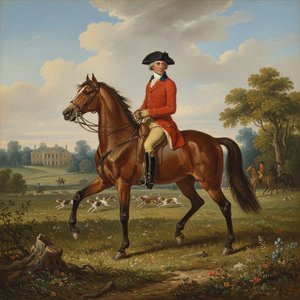
John Nost Sartorius: Equestrian Portraiture & the Shifting Social Landscape of 18th-Century England
Explore the captivating equestrian art of John Nost Sartorius (1759-1828). Discover his detailed paintings of racehorses, hunting scenes & aristocratic life. Learn about collecting Sartorius's work and its lasting value.

John Singer Sargents 25 Mästerverk: Porträtt & Impressionism för Hemmet | OriginalUniqueArt
Utforska John Singer Sargents 25 mest ikoniska målningar! Lär känna porträttkonsten, impressionismen och hans unika ljusspel. Hitta inspiration & köp högkvalitativa konsttryck på OriginalUniqueArt.com – för en elegant heminredning.

Asher Brown Durand: Luminism, Landscape & the American Ideal – A Comprehensive Exploration
Explore the life & art of Asher Brown Durand, a founding member of the Hudson River School. Discover his masterful landscapes, Luminist techniques, and lasting impact on American painting. Learn about key works like 'Kindred Spirits' & collecting Durand today.

John Constables 25 Mästerverk: En Konstnärlig Resa i Det Engelska Landskapet | OriginalUniqueArt
Utforska John Constables 25 mest ikoniska målningar – romantikens mästare av det engelska landskapet. Upptäck historien, tekniken & skönheten i verk som 'Hay Wain'. Köp exklusiva konsttryck på OriginalUniqueArt.com.
1700-talets Mästverk: 10 Konstverk som Fångar Epokens Ande
Upptäck 1700-talets konstnärliga skönhet! Från Boucher till David – utforska 10 ikoniska mästerverk, deras historia och stil. Hitta inspiration & museumkvalitativa reproduktioner på OriginalUniqueArt.com.