Romantic Landscape Painting · 1824
The Lock (John Constable, 1824)
John Constable (1776–1837) skapade The Lock. Den är från 1824. Det tillhör Romantic Landscape Painting-rörelsen. Den är utförd i Oil On Canvas. Verket finns bevarat på Thyssen-Bornemisza-museet i Madrid, Spanien. Måtten är 142 × 120 cm.
- 1824
- Oil On Canvas
- 142 × 120 cm
- Thyssen-Bornemisza-museet, Madrid

 Förhandsvisa

 Handmålad oljemålning
 Skicka
 Dela
 Faktablad


 Ladda ner
 Liknande objekt
 Röntgen
 Bildspel
 Frågor och svar

 Statistik
The Lock i korthet
- Titel
- The Lock
- Konstnär
- John Constable (1776–1837)
- Konstnär född i
- East Bergholt, Storbritannien
- Datum
- 1824
- Material
- Oil On Canvas
- Mått
- 142 × 120 cm
- Utställningsplats
- Thyssen-Bornemisza-museet, Madrid, Spanien
- Rörelse
- Romantic Landscape Painting
- Tidsperiod
- 19th Century
- Motiv
- river landscape, rural scene, fishing boat, english countryside, light and shadow, atmospheric perspective
Vad föreställer The Lock?
A Symphony of Light and Labor: Revisiting Constable’s The Lock
In the quiet, rhythmic pulse of the English countryside, there exists a moment of profound stillness captured forever in John Constable’s The Lock. Completed in 1824, this masterpiece is far more than a mere depiction of a riverside scene; it is a poetic meditation on the relationship between humanity and the natural world. As one gazes upon the canvas, the viewer is transported to the banks of the River Stour, where the air feels heavy with the moisture of the Dedham Vale and the sunlight filters through a hazy, atmospheric sky. The painting captures a fleeting moment—perhaps a summer afternoon—where the mechanical necessity of the canal lock meets the eternal, tranquil flow of nature.
The composition centers on a scene of quiet industry. A solitary figure, caught in a moment of physical exertion, works diligently to operate the canal mechanism, his presence anchoring the landscape within the realm of human experience. Alongside him, a small boat laden with cargo rests upon the water, serving as an emblem of rural labor and the vital arteries of trade that once defined the English landscape. This tableau of daily life is enriched by the subtle presence of other figures scattered throughout the midground, adding layers of depth and a sense of a living, breathing community. For the collector or interior designer, this painting offers a window into a lost era of pastoral grace, making it an exquisite focal point for spaces that seek to evoke peace and historical depth.
Mastery of Atmosphere and Romantic Idealism
Constable’s technique in The Lock exemplifies the height of the Romantic movement. Eschewing the rigid, scientific clarity of the Enlightenment, he embraced a style defined by emotion and the sensory experience of nature. He was a master of what is known as atmospheric perspective, a method through which he skillfully blended colors and tonal gradations to create a breathtaking illusion of distance. Through delicate brushwork, he captures the way light interacts with the humid air of the Suffolk riverbanks, creating a luminous quality that seems to vibrate on the canvas. This ability to paint not just what he saw, but how he felt when confronted by the grandeur of his homeland, is what elevates this work from a landscape to a spiritual experience.
The emotional impact of the piece lies in its balance between the monumental and the intimate. While the distant view may hint at the vastness of the English countryside, the focus remains on the tactile reality of the water, the wood, and the earth. For those looking to adorn a home with high-quality reproductions, The Lock provides an unparalleled opportunity to introduce a sense of "Constable Country" into a modern interior. The painting’s palette—rich with earthy greens, soft blues, and golden highlights—complements a variety of decor styles, from traditional manor aesthetics to contemporary minimalist settings, offering a timeless connection to the sublime beauty of the natural world.
Vilket museum har The Lock?
Thyssen-Bornemisza-museet
Madrid, Spanien
Thyssen-Bornemisza-museets historia Ursprunget till Thyssen-Bornemisza-museet ligger långt från dess nuvarande plats i Madrid, Spanien. Samlingen tog sin början i Lugano, Schweiz, där baron Heinrich Thyssen-Bornemisza påbörjade sin strävan efter att samla det europeiska konstnärliga mästerskapet. Hans mål var en medveten handling av bevarande, en önskan att skydda arvet från europeisk konst mot den instabilitet och det exil som följde i första världskrigets spår.


Högupplösta bilder av The Lock
Allmän egendom: konstnären avled 1837.
John Constable, The Lock (1824), Thyssen-Bornemisza-museet. Allmän egendom
Färgerna är matchade mot originalet av en digital expert och filen är noggrant retuscherad för att vara trogen konstnärens penseldrag.
Köp högupplöst filFrågor om The Lock besvarade
Var kan man se "The Lock" av John Constable utställd idag?
Originalet av "The Lock" av John Constable finns på Thyssen-Bornemisza-museet, Madrid, Spanien. En reproduktion gör det möjligt att visa verket i hemmet.
Vilket år skapades "The Lock" av John Constable?
"The Lock" av John Constable skapades år 1824.
Vilken teknik har använts för "The Lock"?
John Constable använde tekniken Oil On Canvas för "The Lock". Tekniken definierar det ursprungliga verkets materiella karaktär.
Vilka är de faktiska måtten på "The Lock" av John Constable?
De registrerade måtten för "The Lock" av John Constable är 142 x 120 cm. Reproduktioner kan beställas i andra storlekar med bibehållna proportioner.
Vad föreställer "The Lock" av John Constable?
Motiven i "The Lock" är river landscape, rural scene, fishing boat, english countryside, light and shadow, atmospheric perspective, quiet reflection.
Är bilden av "The Lock" av John Constable fri att återge?
När det gäller upphovsrätt är "The Lock" allmän egendom – upphovsrätten har löpt ut.
Vem är konstnären bakom "The Lock"?
Konstnären bakom "The Lock" är John Constable. Verket är katalogiserat under John Constables namn.
Vilken stil tillhör "The Lock"?
"The Lock" av John Constable tillhör Romantic Landscape Painting-rörelsen. Denna rörelse ger det stilistiska sammanhanget för verket.
Vilken fas av John Constables konstnärliga utveckling representerar "The Lock"?
Inom John Constables karriär tillhör "The Lock" perioden Mature Landscape Style. Denna fas underlättar jämförelser med konstnärens övriga verk.
Om konstnären, John Constable
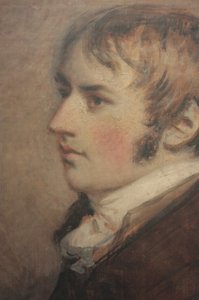
1776–1837, Storbritannien
John Constable
Tidigt liv, familj och utbildning John Constable föddes 1776 i den idylliska byn East Bergholt i Suffolk. Han var den andre sonen till Golding och Ann (Watts) Constable. Hans far var en välbärgad spannmåls- och kolhandlare som ägde Flatford Mill. Denna djupa koppling till floden och den lokala handeln innebar att vattnets rytmer och varornas ständiga rörelse utgjorde en naturlig del av hushållets dagliga liv.
Andra verk av John Constable
 Vägen till ån1821
 Utsikt över Salisbury Cathedral från biskopens marker1823
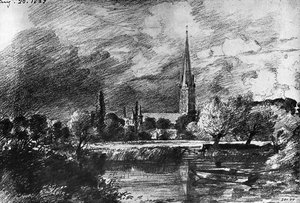 Salisbury kathedra
 Hölasset (detalj)1821
Essäer om The Lock
 Mastering the English Landscape: The Top 25 Artworks by John ConstableImmerse yourself in the soul of the English countryside with our curated guide to John Constable's top 25 masterpieces. Explore the emotive…
 25 Must-See Masterpieces at the Yale Center for British ArtExplore 25 iconic works from Turner to Hogarth at Yale Center for British Art. Discover museum-quality art on OriginalUniqueArt.com.
 10 Iconic Masterpieces That Defined Romantic Landscape PaintingJourney through the sublime beauty of Romantic landscape painting. Explore 10 iconic masterpieces by legends like Friedrich and Turner that…