
 Förhandsvisa
 Skicka
 Dela
Dela
 Visa detaljer

 Ladda ner
 Liknande objekt
 Röntgen
 Bildspel
 Statistik
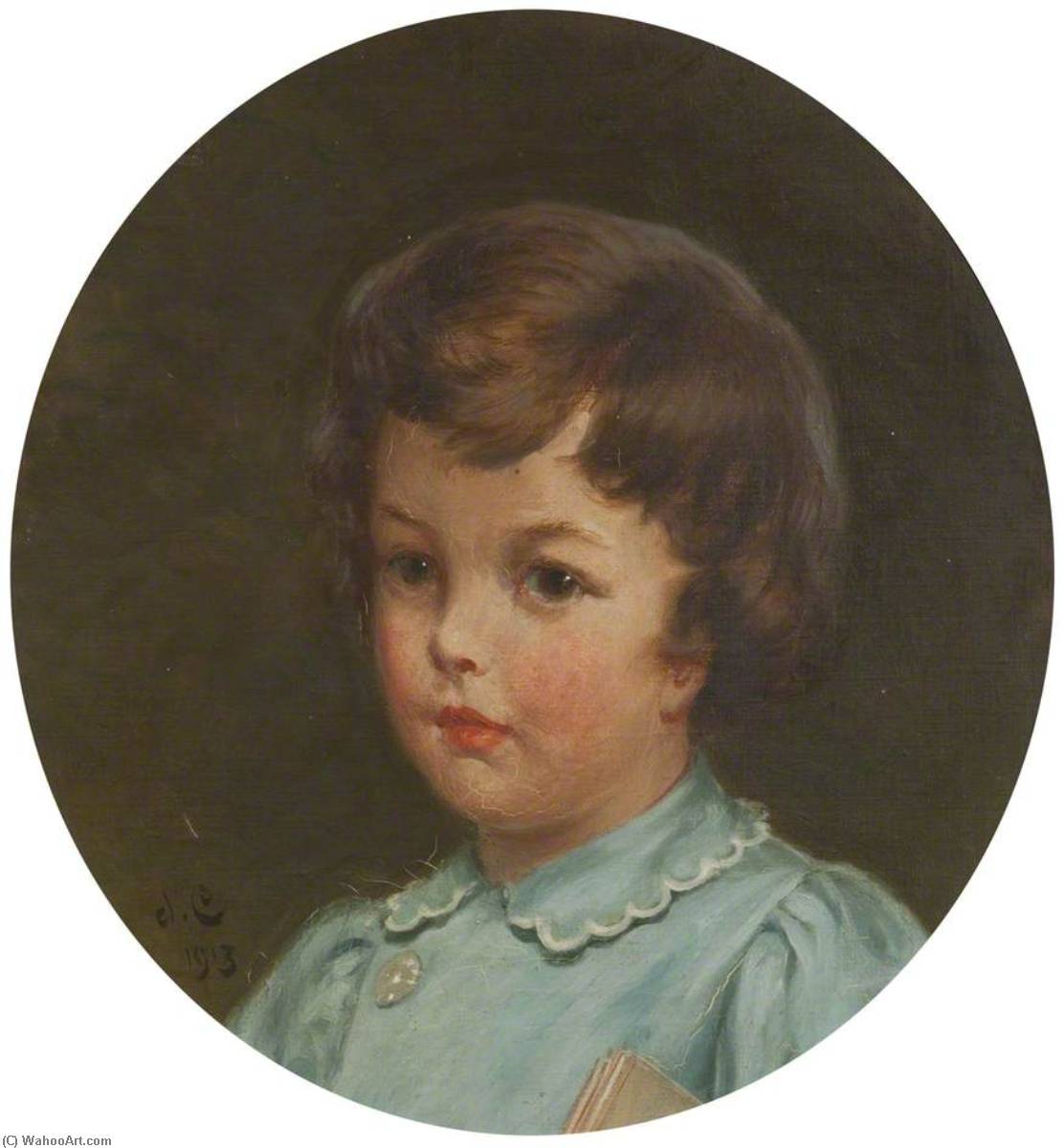
George P. Holt
 1913
1913 34.0 x 34.0 cm
 Judges' Lodgings
 Visa mer
Köp en högupplöst, förbättrad digital bild med betydligt högre kvalitet än förhandsvisningen online.
Varje fil är noggrant förberedd av våra interna specialister med hjälp av avancerade verktyg och professionell manuell retuschering. Vi säkerställer att varje bild har exceptionell skärpa, exakt färgåtergivning och fina detaljer.
Den slutgiltiga filen levereras via e-post inom 72 timmar, optimerad för omedelbar användning i professionella sammanhang, redaktionellt bruk och tryckmiljöer. Detta är samma kvalitet som med förtroende används av ledande designstudior, förlag och gallerier.
Digital bild
Ladda ner en högupplöst fil för personlig visning, utskrift och kreativa projekt. ( Byt till tryck Beställ handmålad reproduktion)
Ingår i varje beställning av digital bild
Professionell digital leverans, garanterad
När du väljer OriginalUniqueArt.com får du inte bara en bild – du får ett professionellt förädlat digitalt konstverk, skapat med precision och med en garanterad tillfredsställelse. Här är allt som ingår i din beställning, automatiskt:

Snabb leverans via e-post
Din högupplösta digitala bild skickas till dig via e-post inom 72 timmar efter beställning – redo för omedelbar användning.

AI-förbättrad digital bild
Ditt konstverk optimeras professionellt med hjälp av avancerade AI-verktyg och manuell redigering, vilket garanterar maximal detaljrikedom, skärpa och färgnoggrannhet.

Gratis livstidsåterutskick
Har du råkat radera eller tappa bort din fil? Ingen oro – vi skickar den kostnadsfritt till dig när som helst.

Inga importavgifter – någonsin
Njut av ditt konstverk omedelbart utan tull, importavgifter eller leveranskostnader – digitala nedladdningar är alltid skattefria.

Garanterad färgåtergivning
Vi säkerställer att din digitala bild återger de ursprungliga färgerna så exakt som möjligt med hjälp av professionella verktyg och färghantering.

100 dagars nöjdhetsgaranti
Om du inte är nöjd med din digitala bild kommer vi att revidera den eller återbetala 100% inom 100 dagar – utan frågor.

100% pengarna-tillbaka-garanti
Inte nöjd? Få full återbetalning inom 100 dagar efter att du mottagit din digitala fil – utan frågor.

Rabatt vid storköp
Köp 3 bilder, spara 10% – Köp 5, spara 15% – Köp 10+, spara 20%. Perfekt för kreativa projekt, gallerier och byråer.
Konstnärsbiografi
The Soul of the North: The Life and Art of John Charlton
In the rugged, windswept landscapes of Northumberland, where the salt spray of the North Sea meets the ancient stone of Bamburgh Castle, the artistic spirit of John Charlton began to stir. Born on June 28, 1849, to Samuel and Mary Ann Charlton, his earliest memories were likely colored by the dramatic textures of the British coastline. His journey into the world of fine art was not one of easy privilege, but rather a testament to raw, innate talent nurtured amidst hardship. Under the watchful eye of his father, Charlton began receiving his first lessons in drawing as a mere toddler, finding a natural affinity for capturing the powerful forms of horses long before he ever stepped foot in a formal academy. This early connection to the animal kingdom would become the heartbeat of his entire oeuvre.
The path to greatness was often obscured by the shadows of financial misfortune, forcing the young artist to attend Dr. Sharp’s charity school within the very walls of Bamburgh Castle. Yet, even in moments of vocational uncertainty, art remained his constant companion. A pivotal chapter in his development unfolded in a Newcastle bookshop owned by Mr. Robinson, where he was immersed in the graphic legacy of Thomas Bewick. This exposure to the delicate precision of wood engraving instilled in him a profound appreciation for line and detail, a skill that would later allow him to render the subtle sheen of a hound's coat or the atmospheric haze of a moorland morning with unparalleled clarity.
From Ironworks to the Royal Academy
Before he could claim his place among the luminaries of the Victorian era, Charlton endured years of industrial monotony, working in the offices of Sir Isaac Bell’s ironworks. It was a period of quiet perseverance, where his employers, recognizing his burgeoning draughtsmanship, granted him precious days to practice his craft. This disciplined period of self-study eventually led him to the Newcastle School of Arts, where he studied under William Bell Scott, and later to the prestigious South Kensington Museum—now the Victoria and Albert Museum—under the guidance of J. D. Watson. These formal refinements transformed a gifted provincial talent into a sophisticated painter capable of competing on the grandest stages of London.
His debut at the Royal Academy in 1870 marked the arrival of a significant new voice in British art. While he gained early renown for his ability to portray horses and dogs, it was his ability to weave historical narrative with animalistic vitality that set him apart. His military-themed works, such as Exercising artillery horses on a frosty morning, demonstrated a unique ability to blend the tension of human conflict with the raw, unyielding energy of the natural world. As he moved south to settle in the capital, his style evolved, absorbing the meticulous observation championed by his mentor Frederic Leighton while simultaneously flirting with the luminous, atmospheric qualities that would later define the Impressionistic movement.
A Legacy of Light and Life
The true magic of Charlton’s work lies in its ability to transcend mere documentation. He did not simply paint animals; he captured their essence. Whether through his celebrated series featuring hounds reminiscent of Sir Edwin Landseer or his sweeping, atmospheric landscapes, Charlton possessed a rare gift for layering thin glazes of oil paint to create a sense of internal light. His paintings possess a palpable breath, an intimacy that invites the viewer to step into a world where the boundary between the wild and the domestic is blurred by the soft glow of a setting sun or the biting chill of a winter mist.
Today, the historical significance of John Charlton resides in his role as a bridge between eras. He maintained the structural integrity and grandeur of the academic tradition while embracing a more emotive, sensory approach to light and subject matter. His vast body of work, comprising hundreds of paintings, remains a vital record of the Victorian fascination with the natural world and the enduring power of the animal spirit. Through his eyes, we see not just the British countryside, but a profound meditation on the beauty, strength, and quiet dignity of all living things.

john charlton
1849 - 1917
Snabbfakta
- Artistic Movement Or Style: Victorian Animal Art
- Artists Or Movements Influenced By This Artist: ['Romanticism']
- Artists Who Influenced This Artist: ['Gustave Dore']
- Date Of Birth: 1849
- Date Of Death: 1917
- Full Name: John Charlton
- Nationality: English
- Notable Artworks: ['The Hunting Scene']
- Place Of Birth: Ashington, Northumberland