

 Visa i rummet
 Skicka
 Dela
Dela
 Detaljer
 Studentguide för konstverk

 Ladda ner
 Liknande objekt
 Röntgen
 Bildspel
 Besökstatistik
Ariadne Handing Theseus the Thread


 Läs mer
Handgjord oljereproduktion
Handmålad olja på duk i din valda storlek och ram, tillverkad efter beställning av våra konstnärer. ( Byt till tryckta exemplar Byt till digital bildförsäljning)




































Välj bland våra förinställda storlekar som motsvarar konstverkets ursprungliga proportioner.

Du kan ange egna mått för att passa en specifik ram eller yta. Om den valda storleken inte matchar originalbildens proportioner kommer vi antingen att beskära konstverket eller utöka målningen med ytterligare handmålade element. En digital skiss skickas till dig för godkännande innan produktionen påbörjas.
Observera att förhandsvisningen på skärmen inte återspeglar den faktiska beskärningen eller utökningen. Endast skissen visar den slutgiltiga kompositionen korrekt.
Även om anpassade storlekar är möjliga, rekommenderar vi att du väljer en dimension från den fördefinierade listan för att bevara originalproportionerna.
Efter beställning kommer OriginalUniqueArt.com team att mejla kunden för instruktioner och tillhandahålla en skissförhandsvisning
Leverans över hela världen () på 3–4 veckor istället för standard 5 veckor. (25 september). Inga kompromisser med kvaliteten.

Fri expressfrakt över hela världen

Högkvalitativ linnecanvas

Fullständig fraktförsäkring

Garantier för återbetalning av tullavgifter

Garantier för exakt färgåtergivning

100 dagars returrätt vid fabrikationsfel

100% pengarna tillbaka-garanti

Mängdrabatt erbjuds
 Glasalternativet är endast tillgängligt i storlekar under 110 cm.

Ariadne Handing Theseus the Thread
Tryckteknik
Reproduktionsstorlek
-


Totalpris
$ 300
Om konstnären
Johann Michael Rottmayr (1654 - 1730): Austrian Baroque Master
Johann Michael Rottmayr, born in Lauf an der Pegnitz, Germany around 1654 (sources vary between 1654 and 1656), stands as a pivotal figure in the transition from the High Baroque to the Rococo styles in Central Europe. He wasn’t merely a painter; he was a conduit, skillfully channeling the vibrant energy of Italian Renaissance masters through the lens of burgeoning Austrian artistic sensibilities. Rottmayr's journey began within a family already touched by artistry, providing fertile ground for his innate talents to blossom. His formal training commenced under Johann Carl Loth in Venice – a formative experience that would indelibly shape his aesthetic vision. Loth’s tutelage wasn’t simply about technique; it was an immersion into the world of Titian, Veronese, and Tintoretto, instilling within Rottmayr a deep appreciation for coloristic richness, dramatic composition, and the masterful use of light and shadow. This Venetian influence would remain a cornerstone of his style throughout his career. He wasn’t alone in absorbing Italian influences; Hans Adam Weissenkircher, a contemporary from Lauf, also played a crucial role in bringing these artistic currents northwards, fostering a shared aesthetic dialogue that enriched the region's art scene.Early Life and Artistic Training
Rottmayr’s formative years were marked by familial connections to artistry—his mother practiced painting herself—a circumstance that nurtured his burgeoning creative inclinations from an early age. Recognizing his exceptional potential, he received comprehensive instruction from Johann Carl Loth in Venice around 1675. This encounter proved transformative, exposing him to the monumental achievements of Venetian masters like Titian, Veronese, and Tintoretto. Loth’s influence extended beyond mere stylistic imitation; it instilled within Rottmayr a profound understanding of how to harness color, form, and light to convey emotion and grandeur—principles that would permeate his entire oeuvre. Furthermore, Hans Adam Weissenkircher, another influential artist from Lauf, contributed to the artistic discourse of the time, fostering collaborative dialogues that propelled the stylistic evolution of Bavaria and Salzburg.Salzburg Service and Architectural Collaboration
In 1689 Rottmayr secured a prestigious position as the general painter to the Prince-Bishop of Salzburg—Johann Ernst Graf Thun—a patronage that would provide him with consistent commissions and solidify his reputation within Salzburg’s aristocratic circles. This appointment wasn't merely lucrative; it represented an endorsement of his artistic abilities and positioned him at the epicenter of Salzburg’s cultural landscape. During his tenure, Rottmayr embarked on ambitious projects alongside Johann Bernhard Fischer von Erlach—a partnership that would become legendary in architectural history. Together they conceived and executed Schloss Frain an der Thaya (now Vranov nad Dyjí), creating a breathtaking oval cupola that exemplifies the zenith of Baroque illusionistic painting. Rottmayr’s skill in manipulating perspective and color created a mesmerizing visual experience, seamlessly integrating architecture and art into a unified aesthetic statement—a testament to his visionary approach.Melk Abbey Dome: A Triumph of Illusion
Rottmayr's magnum opus undoubtedly resides within the central dome of Melk Abbey—a monumental fresco that embodies the very essence of Baroque grandeur. Completed with unparalleled precision, this artwork depicts a celestial panorama teeming with luminous figures and vibrant hues—a scene designed to inspire awe and elevate the viewer’s spirit. The sheer scale of the undertaking demanded masterful control over perspective and shading techniques; Rottmayr responded with breathtaking artistry, transforming architectural space into an ethereal realm of divine beauty. This achievement cemented his place among Austria's foremost Baroque painters and continues to captivate audiences today—a symbol of artistic innovation and enduring cultural significance.Legacy and Influence
Johann Michael Rottmayr’s contribution to Austrian art transcends individual masterpieces; he served as a catalyst for stylistic developments that reverberated throughout subsequent generations of artists. His distinctive style—characterized by dramatic lighting, rich color palettes, and dynamic compositions—anticipated the elegance and refinement of the Rococo movement while firmly anchoring itself within Baroque traditions. Rottmayr’s influence extended beyond Salzburg and Vienna, shaping artistic sensibilities across Central Europe and securing his legacy as one of Austria's most celebrated painters—a testament to his enduring impact on European art history. He died in Vienna on October 25th, 1730.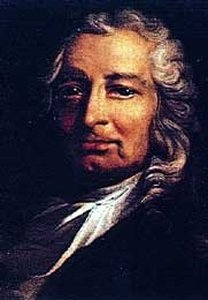
Johann Michael Rottmayr
1654 - 1730 , Tyskland
Snabbfakta
- Artistic Movement Or Style: Baroque
- Artists Or Movements Influenced By This Artist: ['Italian Renaissance']
- Artists Who Influenced This Artist: ['Johann Carl Loth']
- Date Of Birth: Dec 11, 1654
- Date Of Death: Oct 25, 1730
- Full Name: Johann Michael Rottmayr
- Nationality: Austrian
- Notable Artworks:
- Melk Abbey Dome
- Intercession of Charles Borromeo
- Vulcan
- Place Of Birth: Laufen, Germany
