

 Förhandsvisa
 Skicka
 Dela
Dela
 Visa detaljer
 Guide
Guide

 Ladda ner
 Liknande objekt
 Röntgen
 Bildspel
 Statistik
Design för monument
 Akryl på duk
- Väggkonst
- Neoclassical Style
 17.0 x 10.0 cm
 Yale Center for British Art
 Visa mer
Handgjord oljereproduktion
Handmålad olja på duk i din valda storlek och ram, tillverkad efter beställning av våra konstnärer. ( Byt till tryck Byt till digital bild)




P118B Skr10

P118H Skr10

P118W Skr10

P438Z Skr10

P508JH Skr12

P508YH Skr12

P805H Skr10

P805Z Skr10

P919BZ Skr10

P919G Skr10

P919XJ Skr10

P959ZH Skr10

P968JZ Skr12

W106C Skr8

W218G Skr10

W218JH Skr8

W218Y Skr10

W307PJ Skr10

W316G Skr10

W316PJ Skr8

W316Y Skr10

W398PJ Skr8

W4111J Skr10

W500HY Skr15

W500JH Skr15

W692G Skr12

W849H Skr8

W940BG Skr15

W953PJ Skr8




Välj bland våra förinställda storlekar som motsvarar konstverkets ursprungliga proportioner.

Ange den bredd och höjd du behöver för att passa din ram eller din vägg. Eftersom detta är handmålat kan konstnären, vid ett annat format, måla lite mer runt bilden eller beskära den något – det är du som väljer. Vi skickar en digital mockup för godkännande innan målningen påbörjas. Bilden som visas på denna sida representerar inte det slutgiltiga resultatet — det är endast mockuppen som visar det.
Efter beställning kommer OriginalUniqueArt.com team att mejla kunden för instruktioner och tillhandahålla en skissförhandsvisning
Leverans över hela världen () på 3–4 veckor istället för standard 5 veckor. (27 oktober). Inga kompromisser med kvaliteten.

Fri expressfrakt över hela världen

Högkvalitativ linnecanvas

Fullständig fraktförsäkring

Garantier för återbetalning av tullavgifter

Garantier för exakt färgåtergivning

100 dagars returrätt (endast vid fel)

100% pengarna tillbaka-garanti

Mängdrabatt erbjuds
 Glasalternativet är endast tillgängligt i storlekar under 110 cm.

Design för monument
Reproduktionsmetod
Storlek på reproduktion
-


Slutgiltigt pris
Skr 2978
Design for Funerary Monument – En Klassisk Skulptur av Johann Eckstein
Johann Eckstein (1735–1818) var en exceptionellt mångsidig konstnär i det svenska 1800-talet – en adelsman, porträttmålare, pastellist, miniatyrkonstnär och gravskulptör. Hans födelseplats Nancy, Frankrike, gav honom en stabil grund för hans framtida konstnärliga karriär, där hans familj hade en lång historia av konstnärligt talent. Ecksteins tidiga utbildning inkluderade instruktion från sin far, som också var målare, och senare fick han betydande stöd av Maurice Quentin de La Tour, en erkänd pastellist känd för sina utsökta porträtt. Detta tidiga mentorskap förmedlade till Eckstein en djup förståelse för teknik, särskilt när det gäller att fånga ögonblickliga detaljer och subtila uttryck – färdigheter som skulle bli kännetecken för hans distinkta stil. Efter sin flytt till Paris 1760 började hans konstnärliga resa i huvudstaden där han fortsatte att utvecklas inom konstens kretsar, vilket ledde till ett framgångsrikt och produktivt arbete genom hela sitt liv.- Bildbeskrivning: Bilden är en svartvit teckning av en man i lång klädsel med sina händer utsträckta. Mannen bär en hatt och har ett allvarligt ansiktsuttryck. Han står bredvid en hög med väskor, vilka placeras nära honom. Flera mindre figurer syns i bakgrunden, men de är inte huvudfokus för bilden. Bilden fångar ett fascinerande ögonblick där mannen är dess centrala figur och förmedlar känslan av reflektion och eftertanke.
- Storlek: 17 x 10 cm
- Datum: Okänt
Om Konstnären Johann Eckstein
Joseph, Baron Ducreux föddes den 26 juni 1735 och dödades den 24 juli 1802. Han var en extraordinärt mångsidig figur inom svensk konst på 1700-talet – en adelsman, porträttmålare, pastellist, miniatyrkonstnär och gravskulptör. Hans födelseplats Nancy, Frankrike, gav honom en stabil grund för hans framtida konstnärliga karriär där hans familj hade en lång historia av konstnärligt talent. Ecksteins tidiga utbildning inkluderade instruktion från sin far, som också var målare och senare fick han betydande stöd av Maurice Quentin de La Tour, en erkänd pastellist känd för sina utsökta porträtt. Detta tidiga mentorskap förmedlade till Eckstein en djup förståelse för teknik särskilt när det gäller att fånga ögonblickliga detaljer och subtila uttryck – färdigheter som skulle bli kännetecken för hans distinkta stil.- Biografi: Ecksteins konstnärliga resa började i Paris där han utvecklades inom konstens kretsar vilket ledde till ett framgångsrikt och produktivt arbete genom hela sitt liv. Hans verk är präglade av klassicism och visar en imponerande förmåga att skapa detaljerade och känslomässigt resonanta skulpturer.
Konstens Stil och Teknik
Ecksteins stil var starkt influerad av den neoclassiska rörelsen, vilket manifesterades i hans användning av rena linjer och symmetriska kompositioner. Han använde främst granit för sina verk och arbetade med hög precision för att skapa komplexa detaljer och realistiska uttryck. Hans tekniker inkluderar modellering, slipning och polering samt användning av olika typer av färger för att förstärka skulpturernas estetiska effekt.Historisk Kontext och Symbolism
Ecksteins konstverk återspeglar den kulturella och filosofiska atmosfären i Frankrike under senare delen av 1700-talet då klassicismen återupplivas som ett svar mot upplysningens idealism. Hans monumentala skulpturer är ofta tänkt att hedra viktiga personer eller händelser och förmedlar känslan av värdighet och stabilitet.Emotionell Impact
Ecksteins verk väcker ofta känslor av respekt och eftertanke hos betraktaren genom sina detaljerade uttryck och harmoniska kompositioner. Hans konst anses vara ett exempel på klassisk elegans och förmåga att fånga mänskliga kvaliteter på ett autentiskt sätt. För ytterligare information om Johann Eckstein och hans verk rekommenderas följande länkar:- Johann Eckstein: Utforska den neoclassiska skulpturen av Johann Eckstein (1735–1817)
- Design for Funerary Monument - John Eckstein, 1735–1818, German: Detta mästerverk finns nu tillgängligt på Yale Center for British Art
Frågor och svar
Var kan jag köpa en digital bild av "Design för monument" av Johann Eckstein?
En digital bild av "Design för monument" av Johann Eckstein kan köpas på dess sida för Digital bild i hög upplösning: en högupplöst digital bildnedladdning.
Vem är konstnären bakom "Design för monument"?
Konstnären bakom "Design för monument" är Johann Eckstein. Verket är katalogiserat under Johann Ecksteins namn.
Hur hög är kontrasten i "Design för monument" av Johann Eckstein?
Kontrastnivån i "Design för monument" av Johann Eckstein är Fridfull.
Konstnärsbiografi
A Life of Artistic Versatility
Johann Eckstein stands as a remarkable testament to the boundless versatility required of a master craftsman during the late 18th century. Born in Poppenroth, Germany, he was the son of Conrad Eckstein, a skilled woodcarver and cabinet-maker, an upbringing that likely laid the foundation for his profound technical dexterity. His artistic journey was one of constant movement and adaptation, spanning the grand courts of Europe and the burgeoning landscape of America. A true polymath of the visual arts, Eckstein’s talent was not confined to a single medium; his oeuvre encompassed the delicate precision of engraving, the emotive power of portraiture, the tactile grace of pastel artistry, and the monumental presence of sculpture.
His formal training began at the Nuremberg Academy of Arts under the guidance of Preissler, providing him with the classical grounding necessary to navigate the prestigious artistic circles of his era. This education prepared him for a career that would see him move from the vibrant art scene of London to the royal splendor of Prussia, and eventually to the shores of the United States. Whether working in wax, marble, or ink, Eckstein possessed an intellectual curiosity that allowed him to master diverse techniques, making him a rare figure capable of addressing both the intimate scale of a portrait and the architectural demands of a public monument.
From European Courts to the New World
The trajectory of Eckstein’s career was marked by significant royal patronage and international transitions. During his time in London between 1758 and 1765, he established himself through notable achievements, such as working on the relief for the monument to Roger Townshend in Westminster Abbey and receiving prestigious premiums from the Society of Arts for his Portland stone reliefs. His reputation soon caught the attention of Frederick the Great, whose invitation led Eckstein to the Prussian court. As the principal sculptor at Potsdam and Sans Souci, he executed works that defined the neoclassical aesthetic of the era, later continuing his service under Frederick William.
Eckstein’s influence extended into the realm of fine porcelain and commemorative art, as seen in his modeling for the Berlin porcelain factory and his creation of death masks and wax busts. However, his life took a dramatic turn when he sought a new beginning in America. Arriving in Philadelphia by November 1793, he brought with him a wealth of European tradition, becoming a founder member of the Philadelphia Academy. Despite the challenges of settling in a new country—a struggle he lamented in his later years—he continued to exhibit works ranging from equestrian figures of George Washington to instructional texts like The American Drawing Magazine. His final chapter took him to Havana, where he passed away after a life defined by an unrelenting pursuit of artistic excellence across continents.
Technical Mastery and Artistic Legacy
The essence of Eckstein’s work lies in his ability to blend meticulous detail with profound emotional resonance. In his drawings and engravings, such as the Design for Funerary Monument, one observes a signature style characterized by restrained emotion and a somber reflection on the human condition. His use of techniques like precise hatching and cross-hatching allowed him to render textures with exceptional skill, creating a sense of gravitas that invited quiet introspection from the viewer. This technical precision was equally evident in his sculptural endeavors, where he could transition seamlessly from the delicate modeling of wax portraits to the heavy, enduring medium of marble.
Eckstein’s legacy is not merely found in individual masterpieces but in his role as a bridge between the established traditions of Europe and the developing artistic identity of America. His ability to master various disciplines—sculpture, engraving, painting, and even instructional writing—demonstrates a breadth of talent that few of his contemporaries could match. Through his work, he captured the neoclassical preoccupation with idealized form and dignified emotion, leaving behind a body of work that reflects both the Enlightenment ideals of his time and the personal resilience of a wandering master.

Johann Eckstein
1735 - 1818 , Germany
Kortfakta
- Artistic Movement Or Style: Neoclassical Sculpture
- Artists Who Influenced This Artist: ['Preissler']
- Full Name: Johann Eckstein
- Nationality: German
- Notable Artworks: ['Design for Funerary Monument']
- Place Of Birth: Poppenroth, Germany
- Date Of Birth: 1735
- Date Of Death: 1818
Relaterade artiklar

The Enduring Form: Sculpture Across History, Technique & Emotional Resonance
Explore the rich history of sculpture with OriginalUniqueArt. Discover key techniques, influential artists & investment potential for discerning collectors. Expert insights into valuing and collecting timeless masterpieces.

The Enduring Form: Exploring Themes & Techniques in Sculpture Across Historical Periods
Explore the rich history of sculpture from ancient masterpieces to contemporary innovations. Discover key techniques, influential artists & investment potential for discerning art collectors.

10 Bronsskulpturer Som Förändrade Konsthistorien – Upptäck Mästerverken
Utforska 10 legendariska bronsmästerverk som revolutionerade konsten! Lär känna Michelangelo, Rodin och andra ikoniska skulptörer. Hitta inspiration & museumskvalitativa konsttryck på OriginalUniqueArt.com – för en tidlös inredning.

Bronsålderns Mästerverk: 10 Skulpturer Som Förändrade Konsthistorien | OriginalUniqueArt
Upptäck 10 legendariska brons skulpturer som revolutionerade konsthistorien! Lär känna Rodin, Michelangelo och andra mästare. Köp museumkvalitativa repliker & hitta inspiration för din inredning på OriginalUniqueArt.com.
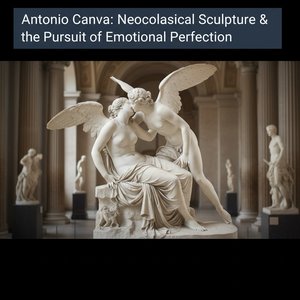
Antonio Canova: Neoclassical Sculpture & the Pursuit of Emotional Perfection
Explore the life & art of Antonio Canova, the greatest Neoclassical sculptor. Discover his masterpieces, innovative techniques, and lasting influence on fine art collecting. Expert insights for discerning investors.

