

 Förhandsvisa
 Skicka
 Dela
Dela
 Visa detaljer

 Ladda ner
 Liknande objekt
 Röntgen
 Bildspel
Esperanza


 Visa mer
Köp en högupplöst, förbättrad digital bild med betydligt högre kvalitet än förhandsvisningen online.
Varje fil är noggrant förberedd av våra interna specialister med hjälp av avancerade verktyg och professionell manuell retuschering. Vi säkerställer att varje bild har exceptionell skärpa, exakt färgåtergivning och fina detaljer.
Den slutgiltiga filen levereras via e-post inom 72 timmar, optimerad för omedelbar användning i professionella sammanhang, redaktionellt bruk och tryckmiljöer. Detta är samma kvalitet som med förtroende används av ledande designstudior, förlag och gallerier.
Digital bild
Ladda ner en högupplöst fil för personlig visning, utskrift och kreativa projekt. ( Beställ tryck Beställ handmålad reproduktion)
Ingår i varje beställning av digital bild
Professionell digital leverans, garanterad
När du väljer OriginalUniqueArt.com får du inte bara en bild – du får ett professionellt förädlat digitalt konstverk, skapat med precision och med en garanterad tillfredsställelse. Här är allt som ingår i din beställning, automatiskt:

Snabb leverans via e-post
Din högupplösta digitala bild skickas till dig via e-post inom 72 timmar efter beställning – redo för omedelbar användning.

AI-förbättrad digital bild
Ditt konstverk optimeras professionellt med hjälp av avancerade AI-verktyg och manuell redigering, vilket garanterar maximal detaljrikedom, skärpa och färgnoggrannhet.

Gratis livstidsåterutskick
Har du råkat radera eller tappa bort din fil? Ingen oro – vi skickar den kostnadsfritt till dig när som helst.

Inga importavgifter – någonsin
Njut av ditt konstverk omedelbart utan tull, importavgifter eller leveranskostnader – digitala nedladdningar är alltid skattefria.

Garanterad färgåtergivning
Vi säkerställer att din digitala bild återger de ursprungliga färgerna så exakt som möjligt med hjälp av professionella verktyg och färghantering.

100 dagars nöjdhetsgaranti
Om du inte är nöjd med din digitala bild kommer vi att revidera den eller återbetala 100% inom 100 dagar – utan frågor.

100% pengarna-tillbaka-garanti
Inte nöjd? Få full återbetalning inom 100 dagar efter att du har tagit emot din digitala fil – utan frågor och diskussioner.

Rabatt vid storköp
Köp 3 bilder, spara 10% – Köp 5, spara 15% – Köp 10+, spara 20%. Perfekt för kreativa projekt, gallerier och byråer.
A Symphony of Hope: Decoding Joan Miró’s *Esperanza*
Joan Miró's *Esperanza* (Hope) is a captivating journey into the artist’s unique visual language – a realm where biomorphic forms, vibrant colors, and playful symbols converge. This painting isn’t merely an aesthetic experience; it’s an invitation to explore the depths of human emotion and the enduring power of optimism.The Artistic Landscape of Joan Miró
Born in Barcelona in 1893, Joan Miró i Ferrà stands as a pivotal figure in 20th-century art. Initially influenced by Fauvism and Cubism, he quickly forged his own path, becoming a key player in the Surrealist movement while simultaneously developing a distinctly abstract style. Miró’s work is characterized by its rejection of traditional representation, embracing instead a world of intuitive forms and symbolic imagery. The Fundació Joan Miró in Barcelona serves as a lasting tribute to his innovative spirit and enduring legacy.Deconstructing *Esperanza*: A Visual Narrative
*Esperanza* exemplifies Miró’s mature style, showcasing a dynamic composition teeming with life. The canvas is populated by an array of enigmatic figures – human-like forms, whimsical creatures, musical notes, and abstract shapes – all rendered in a bold palette of reds, blues, blacks, and whites. These elements aren't arranged randomly; they interact within a carefully balanced space, creating a sense of movement and energy that draws the viewer into Miró’s imaginative world. At least thirteen distinct characters populate the work, each possessing unique characteristics and contributing to the painting’s overall complexity. Some appear engaged in dance or musical performance, while others seem lost in contemplation, adding layers of narrative ambiguity.Symbolism & Interpretation
Miró rarely offered definitive explanations for his symbols, preferring viewers to engage with his work on a personal level. However, recurring motifs within *Esperanza* offer clues to its underlying meaning. The presence of musical notes suggests harmony and joy, while the biomorphic forms evoke organic growth and vitality. The vibrant colors themselves are imbued with symbolic weight: red often representing passion and energy, blue symbolizing tranquility and hope. Ultimately, *Esperanza* is open to interpretation – a testament to Miró’s belief in the power of art to stimulate imagination and provoke emotional response.Technique & Style
Miró's technique in *Esperanza* is characterized by its spontaneity and fluidity. He employed oil paints with a loose, expressive brushstroke, allowing colors to blend and interact organically. The flattened perspective and simplified forms are hallmarks of his abstract style, emphasizing the emotional impact of color and composition over realistic representation. The textured surface adds depth and visual interest, inviting close examination.Miró’s Wider Oeuvre: Complementary Masterpieces
To fully appreciate *Esperanza*, it's helpful to explore other significant works by Miró:- The Lark’s Wing, Encircled With Gold Blue: A similarly vibrant and symbolic composition exploring themes of freedom and transcendence.
- El bello pájaro descifrando lo desconocido a una pareja de enamorados (The Beautiful Bird Deciphering the Unknown to a Couple in Love): A poetic work that blends surreal imagery with romantic undertones.
- Pájaro en la noche (Bird in the Night): A nocturnal scene filled with mysterious forms and evocative colors.
Emotional Resonance & Interior Design
*Esperanza* radiates a sense of optimism and joy, making it an ideal addition to any space. Its vibrant colors and dynamic composition can enliven a living room, bedroom, or office. The painting’s abstract nature allows it to complement a wide range of interior design styles – from modern minimalist to eclectic bohemian. A high-quality reproduction of *Esperanza* offers a unique opportunity to bring the energy and spirit of Miró's masterpiece into your home or workspace. It is more than just decoration; it’s an investment in beauty, inspiration, and enduring artistic value.Konstnärsbiografi
A Catalan Visionary: The Life and Art of Joan Miró
Joan Miró i Ferrà, born in Barcelona in 1893, stands as one of the most significant figures in 20th-century art. His journey was not merely a progression through styles but an exploration of inner worlds, translating dreams, memories, and Catalan identity onto canvas with a uniquely poetic visual language. From humble beginnings marked by illness and initial parental reservations about his artistic pursuits, Miró persevered, driven by an innate need to express the intangible—the emotions, sensations, and subconscious currents that lie beneath the surface of reality. His early life was steeped in the traditions of Barcelona, a city brimming with architectural marvels thanks to Antoni Gaudí, whose organic forms would subtly influence Miró’s later abstractions. The goldsmithing profession of his father instilled an appreciation for meticulous craftsmanship, while the rugged Catalan landscape became a recurring motif and source of inspiration throughout his career.Early Influences and the Path to Surrealism
Miró's formal artistic training began at La Llotja in Barcelona, where he honed his skills in traditional techniques. However, it was exposure to the avant-garde movements sweeping through Paris that truly ignited his creative evolution. The vibrant colors of Fauvism and the fragmented forms of Cubism resonated deeply, prompting him to move to Paris in 1920. This period proved pivotal as he encountered artists like Pablo Picasso and began experimenting with increasingly abstract compositions. Yet, Miró didn’t simply adopt these styles; he synthesized them, forging a path toward his own distinctive aesthetic. He sought to distill forms to their essence, stripping away representational details in favor of symbolic shapes and evocative colors. This exploration led him to the Surrealist group in 1924, aligning him with artists such as Max Ernst and Salvador Dalí. While embracing the Surrealist interest in the subconscious, Miró maintained a unique sensibility—his work was less about shocking imagery or Freudian symbolism than it was about creating a world of playful forms and poetic suggestion. He famously stated that he wanted to “paint what I see,” but what he saw wasn’t necessarily what others perceived; it resided within the realm of dreams and imagination.The Surrealist Universe: Exploring Symbolism and Imagination
Miró's involvement with Surrealism profoundly shaped his artistic vision. Influenced by Sigmund Freud’s theories on psychoanalysis, Miró sought to tap into the hidden depths of consciousness—to depict not what is visible but what is felt. His canvases became populated with fantastical creatures—birds, insects, amorphous shapes—each imbued with symbolic significance. Recurring motifs like spirals and circles represented cycles of life and death, while biomorphic forms evoked primal instincts and primordial landscapes. Collaborations with fellow Surrealists yielded groundbreaking techniques such as *grattage*, where paint was scraped off the canvas surface to reveal underlying textures—a method he pioneered alongside Max Ernst for designs intended for Sergei Diaghilev’s ballet, *The Firebird*. This experimental approach underscored Miró's commitment to challenging artistic conventions and pushing the boundaries of visual expression.Major Works and Artistic Innovations
Throughout his prolific career, Miró produced an astonishing array of paintings, sculptures, ceramics, and prints—each reflecting his evolving aesthetic sensibilities. The Farm (1922) stands as a seminal work demonstrating his early embrace of Surrealist principles. Its depiction of Catalan rural life is rendered in vibrant colors and simplified forms, conveying both visual beauty and symbolic depth. The series *Dutch Interiors* (1928-1930), created during his Parisian period, reimagined the interiors of Dutch bourgeois homes through a Cubist lens—a bold departure from traditional representation that prioritized geometric abstraction and expressive color palettes. Miró’s monumental sculpture *Barcelona* (1945) embodies his desire to engage with grand themes—the Catalan spirit and the resilience of human creativity in times of adversity. His ceramic works, particularly those produced during World War II, explored textural surfaces and organic forms—a testament to his versatility as an artist.Legacy and Enduring Influence
Joan Miró’s contribution to modern art is undeniable. He wasn't merely a painter; he was a visionary who redefined the possibilities of artistic expression. His work profoundly influenced subsequent generations of artists, fostering experimentation with abstraction and symbolism—inspiring movements like Abstract Expressionism and Pop Art. Beyond his artistic achievements, Miró championed Catalan culture and identity—a commitment reflected in his lifelong dedication to preserving the traditions of his homeland. He established two foundations—the Fundació Joan Miró in Barcelona (1975) and the Fundació Pilar i Joan Miró in Palma de Mallorca (1981)—ensuring that his legacy would endure, providing spaces for artistic exploration and education. His art continues to captivate audiences worldwide, inviting us to contemplate the mysteries of consciousness and celebrate the transformative power of imagination—a timeless testament to the enduring spirit of a truly exceptional artist.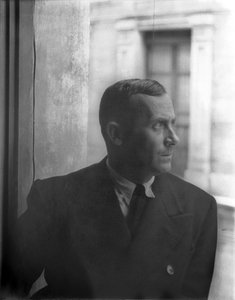
Joan Miró
1893 - 1983 , Spanien
Snabbfakta
- Artistic Movement Or Style: Surrealism
- Artists Who Influenced This Artist:
- Pablo Picasso
- Sergei Diaghilev
- Date Of Birth: 1893
- Date Of Death: 1983
- Full Name: Joan Miró i Ferrà
- Nationality: Spanska
- Notable Artworks:
- Nudebad med Spegel
- La Poetisa
- Målning
- Place Of Birth: Barcelona, Spanien