

 Förhandsvisa
 Skicka
 Dela
Dela
 Visa detaljer

 Ladda ner
 Liknande objekt
 Röntgen
 Bildspel
Gabriel Manigault
 Acrylic On Canvas
- WallArt
- Rococo Style
 1757
1757 76.0 x 62.0 cm
 Metropolitan Museum of Art
 Visa mer
Giclée / Konsttryck
Giclée- eller canvasprint av museumskvalitet med snabb produktion och flexibla ytbehandlingsalternativ. ( Beställ handmålad reproduktion Köp högupplöst bild)




































Välj bland våra förinställda storlekar som motsvarar konstverkets ursprungliga proportioner.

Du kan ange egna mått för att passa en specifik ram eller yta. Om det valda måttet inte överensstämmer med originalbildens proportioner kommer vi antingen att beskära konstverket eller utöka bilden med en speglad eller enfärgad kant. En digital mockup skickas för ditt godkännande innan produktionen påbörjas.
Vänligen notera att förhandsvisningen på skärmen inte återspeglar den faktiska beskärningen eller utökningen. Endast mockuppen visar den slutgiltiga kompositionen korrekt.
Även om anpassade storlekar är möjliga, rekommenderar vi att du väljer ett mått från den fördefinierade listan för att bevara de ursprungliga proportionerna.
Leverans över hela världen () på 2 veckor istället för standard 4/5 veckor. (17 augusti)

Fri expressfrakt över hela världen

Högkvalitativ linnecanvas

Fullständig fraktförsäkring

Garantier för återbetalning av tullavgifter

Garantier för exakt färgåtergivning

60 dagars returrätt (endast vid fabrikationsfel)

100% pengarna tillbaka-garanti

Mängdrabatt erbjuds
 Glasalternativet är endast tillgängligt i storlekar under 110 cm.

Gabriel Manigault
Giclée / Konsttryck
Storlek på reproduktion
-


Slutgiltigt pris
$ 80
Om samlarobjektet
A Window Into Colonial Privilege: Jeremiah Theus’ Portrait of Gabriel Manigault
The Charleston studio of Jeremiah Theus (1716 – 1774) pulsed with the energy of the Rococo era, a period characterized by opulent ornamentation and an embrace of aristocratic grandeur. Amidst this artistic fervor, Theus produced a remarkable series of portraits documenting the lives of South Carolina’s wealthiest families—among them, the Manigault clan, whose patriarch and matriarch are immortalized in “Gabriel Manigault,” a painting measuring 76 x 62 cm created in 1757. This artwork transcends mere representation; it serves as a tangible testament to the social dynamics and material realities of colonial America.The Painter’s Vision: Rococo Style and Technique
Theus' artistic approach exemplifies the hallmarks of Rococo, prioritizing delicate brushstrokes, pastel hues, and asymmetrical compositions—elements designed to evoke beauty and refinement. Unlike the solemn formality of Neoclassical art that dominated Europe at the time, Rococo favored playful elegance and sensual indulgence. The meticulous layering of glazes achieved by Theus lends a luminous quality to the canvas, capturing not only Gabriel Manigault’s likeness but also an aura of aristocratic composure. Notice particularly how he skillfully renders the texture of Manigault's wig—a deliberate gesture reflecting the status symbol prevalent within Charleston society.A Legacy Shaped by Slavery and Rebellion
“Gabriel Manigault” is inextricably linked to the complex history of colonial South Carolina, specifically its reliance on enslaved labor. Gabriel Manigault’s fortune stemmed from rice plantations overseen by hundreds of individuals held captive—a stark reminder of the moral contradictions inherent in the era's prosperity. The painting itself bears witness to this reality through subtle visual cues: the inclusion of two figures flanking Manigault subtly underscores the familial bonds that underpinned the plantation system. However, recent scholarship has unearthed a more provocative interpretation – suggesting that the deliberate defacement of the canvas following the Civil War wasn’t merely vandalism but an act of iconoclasm fueled by formerly enslaved residents seeking to challenge the legacy of oppression. This reimagining elevates “Gabriel Manigault” beyond a portrait of wealth and privilege, transforming it into a symbol of resistance against entrenched social hierarchies.Symbolism Beyond Appearance: The Portrait as Document
The artist’s careful attention to detail extends far beyond capturing physical likeness. Jeremiah Theus employed symbolism to convey deeper meanings about his subjects—and by extension, the Manigault family's position within Charleston society. The pose of Gabriel Manigault—seated with a dignified gaze—communicates authority and stability. Furthermore, the inclusion of two additional figures represents familial connections and reinforces the importance of lineage in upholding social status. These elements contribute to an overall impression of cultivated refinement and reinforce the painting’s role as a historical document capturing a pivotal moment in American aristocratic history.Emotional Resonance: Capturing Essence Through Light
Ultimately, “Gabriel Manigault” succeeds in conveying an emotional resonance that transcends its formal conventions. The soft lighting employed by Theus imbues the portrait with warmth and tranquility—creating an atmosphere of contemplative serenity. This deliberate artistic choice invites viewers to contemplate not only Gabriel Manigault’s appearance but also his inner character—a feat accomplished through masterful technique and a profound understanding of human psychology. It remains a captivating piece, offering insight into both the aesthetic sensibilities of its time and the enduring power of art to illuminate historical narratives.Konstnärsbiografi
Jeremiah Theus: Charleston’s Dominant Portraitist
Jeremiah Theus (1716-1774) stands as a singular figure in the artistic landscape of colonial South Carolina, recognized primarily for his masterful portraits that captured the essence of Charleston society during its golden age. Born in Chur, Switzerland—a bastion of Huguenot heritage—Theus’s journey to America represents not merely geographical relocation but also an embrace of intellectual and stylistic innovation, shaping the visual culture of a burgeoning nation.- Early Life & Training: Theüs's formative years were spent amidst the Swiss Enlightenment, where he absorbed influences from Rococo art—characterized by ornate decoration and graceful curves—a style that would profoundly impact his artistic vision. Precise details regarding his formal training remain elusive, suggesting a self-taught artist who honed his skills through observation and experimentation.
- Immigration & Charleston’s Artistic Ecosystem: In 1735, accompanied by his family, Theüs arrived in Orangeburgh Township—later Orangeburg County—receiving substantial land grants from the South Carolina General Assembly. This generous patronage fostered an environment conducive to artistic pursuits, attracting skilled craftsmen and fostering a vibrant cultural scene.
- Establishing His Studio & Early Commissions: Recognizing Charleston’s potential as a center for artistic excellence, Theüs swiftly established his studio in the heart of the city—a strategic location that cemented his reputation as the foremost limner (portrait painter) of his time. He quickly garnered commissions from prominent families and institutions, demonstrating an astute understanding of market demands.
A Style Defined by Elegance & Observation
Theus’s artistic style is instantly recognizable: predominantly bust-length portraits executed in oil on canvas—a technique favored during the era—employ a meticulous attention to detail and an uncanny ability to convey psychological nuance. Unlike many of his contemporaries, Theus eschewed grand theatrical poses, opting instead for dignified stances that reflected the composure and refinement expected of Charleston’s elite. His canvases frequently incorporated elements borrowed from English mezzotints—a popular artistic medium at the time—reflecting a broader stylistic convergence between European and American art traditions. Notably, he meticulously copied poses and decorative flourishes from portraits by Francis Cotes—a celebrated English painter—demonstrating an awareness of prevailing aesthetic standards.- Notable Portraits & Influences: Among Theus’s most enduring achievements are the portraits of Colonel Barnard Elliott Jr. and his wife, considered masterpieces of Charlestonian art history. These works exemplify Theus's mastery of capturing both physical likeness and inner character—a hallmark of Rococo portraiture. His meticulous observation of English prints served as a crucial catalyst for stylistic development.
- The Manigault Family & Silk Hope Legacy: The portraits commissioned by Peter Manigault and his family stand as testament to Theus’s ability to portray individuals from diverse social strata—from wealthy planters to ordinary citizens. Recent scholarship has illuminated the poignant history of these canvases, revealing that they were defaced after their relocation to Silk Hope Plantation during the Civil War—a symbolic act reflecting the turbulent socio-political landscape of Reconstruction.
Legacy & Significance
Jeremiah Theus’s prolific output—spanning over three decades—established him as Charleston's dominant artist and cemented his place in American art history. His paintings reside in prestigious collections across the United States, including the Gibbes Museum of Art in Charleston and the Metropolitan Museum of Art in New York City. More than simply documenting the visual culture of colonial South Carolina, Theus’s portraits offer invaluable insights into the social dynamics, psychological complexities, and artistic sensibilities of a pivotal period in American history—a legacy that continues to inspire scholars and artists alike. His work remains an emblem of Charleston's artistic heritage and a testament to the enduring power of observation and stylistic innovation.
Jeremiah Theus
1716 - 1774 , Schweiz
Kortfakta
- Artistic Movement Or Style: Rococo
- Artists Or Movements Influenced By This Artist: ['English Rococo']
- Artists Who Influenced This Artist:
- John Singleton Copley
- Francis Cotes
- Date Of Birth: april 5, 1716
- Date Of Death: may 17, 1774
- Full Name: Jeremiah Theüs
- Nationality: Swiss
- Notable Artworks:
- Elizabeth Manigault Portrait
- Barnard Elliott & Wife Portrait
- Place Of Birth: Chur, Switzerland
Relaterade artiklar

Rokokons mästerverk: Topp 10 konstverk som definierade epoken | OriginalUniqueArt.com
Upptäck rokokons 10 mest ikoniska mästerverk! Lär känna Boucher, Watteau & andra stora konstnärer. Vackra målningar fyllda av pastellfärger och elegans. Hitta din favorit – utforska hela kollektionen online på OriginalUniqueArt.com.

The Rococo Aesthetic: Opulence, Rebellion & the Pursuit of Pleasure in 18th-Century Art
Explore the opulent world of Rococo art! Discover its origins, key artists like Watteau & Boucher, and lasting influence on design. Expert insights for collectors & enthusiasts.
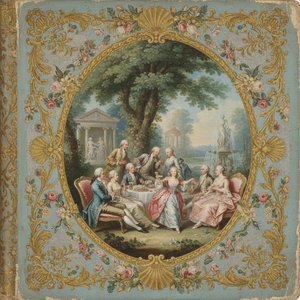
The Rococo Style: Aristocratic Leisure & the Pursuit of Delight in 18th-Century Art
Explore the opulent world of Rococo art! Discover Watteau, Boucher & Nattier's masterpieces. Expert insights for collectors seeking museum-quality reproductions and custom portraits at OriginalUniqueArt.

The Allure of Elegance in Art: A Historical & Aesthetic Exploration of Refinement & Grace
Explore the exquisite world of Rococo art! Discover its history, masters (Watteau, Boucher & more), and defining elegance. Expert insights for collectors seeking museum-quality reproductions & custom portraits.

Reflections of Power: Aristocratic Life in Western Art & the Rococo Era
Explore the captivating world of aristocratic life through Western art history. Discover Rococo masterpieces & portraits of European nobility. Expert insights for collectors and enthusiasts.


