

 Skicka
 Dela
Dela
 Visa detaljer
 Guide
Guide

 Ladda ner
 Liknande objekt
 Bildspel
 Statistik
Writing Table
 Furniture Art
- Decor
- Neoclassicism
 1785
1785- Early Modern
 79.0 x 103.0 cm
 The Frick Collection
 Visa mer
Köp en högupplöst, förbättrad digital bild med betydligt högre kvalitet än förhandsvisningen online.
Varje fil är noggrant förberedd av våra interna specialister med hjälp av avancerade verktyg och professionell manuell retuschering. Vi säkerställer att varje bild har exceptionell skärpa, exakt färgåtergivning och fina detaljer.
Den slutgiltiga filen levereras via e-post inom 72 timmar, optimerad för omedelbar användning i professionella sammanhang, redaktionellt bruk och tryckmiljöer. Detta är samma kvalitet som med förtroende används av ledande designstudior, förlag och gallerier.
Digital bild
Ladda ner en högupplöst fil för personlig visning, utskrift och kreativa projekt. ( Byt till tryck Beställ handmålad reproduktion)
Ingår i varje beställning av digital bild
Professionell digital leverans, garanterad
När du väljer OriginalUniqueArt.com får du inte bara en bild – du får ett professionellt förädlat digitalt konstverk, skapat med precision och med en garanterad tillfredsställelse. Här är allt som ingår i din beställning, automatiskt:

Snabb leverans via e-post
Din högupplösta digitala bild skickas till dig via e-post inom 72 timmar efter beställning – redo för omedelbar användning.

AI-förbättrad digital fil
Ditt konstverk optimeras professionellt med hjälp av avancerade AI-verktyg och manuell redigering, vilket garanterar maximal detaljrikedom, skärpa och färgnoggrannhet.

Fri livstidsåterleverans
Har du råkat radera eller tappa bort din fil? Ingen oro – vi skickar den kostnadsfritt till dig när som helst.

Inga importavgifter – någonsin
Njut av ditt konstverk omedelbart utan tull, importavgifter eller leveranskostnader – digitala nedladdningar är alltid skattefria.

Garanterad färgåtergivning
Vi säkerställer att din digitala bild återger de ursprungliga färgerna så exakt som möjligt med hjälp av professionella verktyg och färghantering.

100 dagars nöjdhetsgaranti
Om du inte är nöjd med din digitala bild kommer vi att revidera den eller återbetala 100% inom 100 dagar – utan frågor.

100% pengarna-tillbaka-garanti
Inte nöjd? Få full återbetalning inom 100 dagar efter att du mottagit din digitala fil – utan frågor.

Rabatt vid storköp
Köp 3 bilder, spara 10% – Köp 5, spara 15% – Köp 10+, spara 20%. Perfekt för kreativa projekt, gallerier och byråer.
An Intersection of Elegance and Utility
In the quiet, sun-drenched corners of an eighteenth-century chateau, there existed a world of intimate correspondence and whispered secrets. The Writing Table by the legendary German ébéniste Jean-Henri Riesener, dating to approximately 1785, serves as a breathtaking portal into this vanished era of aristocratic refinement. This is not merely a piece of furniture; it is a sculptural masterpiece that embodies the very essence of the Neoclassical movement. Crafted during the height of the Louis XVI style, the table possesses a commanding yet delicate presence, standing as a testament to an age where even the most functional objects were elevated to the status of high art.
The visual impact of the piece is immediate and profound. Set against a deep, nocturnal backdrop, the dark, reddish-brown hues of the polished wood—likely the prized mahogany favored by master cabinetmakers—glow with a warm, inner light. The composition is a masterclass in Neoclassical balance, where the rigid, geometric precision of the rectangular form meets the fluid, organic grace of gilded ornamentation. Every line serves a purpose, guiding the eye across the smooth surfaces to the intricate scrollwork and anthemia motifs that adorn the drawer fronts and feet. It is a dance between strength and fragility, between the structural permanence of the wood and the ethereal shimmer of the gold leaf.
The Mastery of the Ébéniste
To behold this writing table is to witness the unparalleled skill of Jean-Henri Riesener, the craftsman who famously held the title of ébéniste ordinaire du roi. The technique required to achieve such a finish is nothing short of miraculous. Through a meticulous combination of carving, gilding, and lacquering, Riesener transformed raw materials into a symphony of texture. The raised relief of the gilded bronze mounts—or ormolu—creates a tactile landscape that contrasts beautifully with the mirror-like smoothness of the tabletop. One can almost sense the artisan's hand in the way he disguised the structural elements, such as screwheads, beneath delicate foliage, ensuring that nothing interrupted the visual harmony of the design.
While many of his most famous works were commissioned by royalty, including Marie Antoinette, this particular table suggests a more intimate setting. Lacking the expansive drawers or the specialized écritoire compartments found in larger bureau plats, it was likely destined for a private lady’s boudoir or a gentleman's personal study. It speaks of a life lived with intention, where the act of writing a letter was a slow, deliberate ritual of grace. For the modern collector or interior designer, this piece offers more than just aesthetic beauty; it provides a sense of historical continuity and a touch of regal sophistication that can anchor a room with unparalleled prestige.
A Symbol of Timeless Sophistication
Beyond its physical attributes, the table carries a profound symbolic weight. It represents the pinnacle of French decorative arts, a period when craftsmanship was used to communicate status, intellect, and taste. The Neoclassical revival of Greek and Roman motifs—the scrolls, the symmetry, the disciplined geometry—reflects an Enlightenment-era desire for order, clarity, and classical virtue. To possess a reproduction of such a piece is to invite this spirit of structured elegance into a contemporary space.
For those seeking to curate an environment of luxury, the Writing Table serves as an exquisite focal point. Whether placed in a grand library or used as a statement piece in a modern dressing room, its presence evokes an emotional response of awe and tranquility. It is a reminder that true luxury lies in the details—in the way light catches a gilded edge or how a polished surface reflects the world around it. This work remains an enduring icon of design, offering timeless inspiration for anyone who appreciates the intersection of historical narrative and exquisite artistry.
Frågor och svar
Vilken konstnär och vilken stil ligger bakom "Writing Table"?
"Writing Table" skapades av Jean Henri Riesener i Neoclassicism-stil. Konstnären och stilen definierar verkets tradition.
Vilken teknik har använts för "Writing Table" och vad är dess mått?
Originalet "Writing Table" av Jean Henri Riesener är ett verk i Furniture Art med måtten 79 x 103 cm. Teknik och storlek beskriver det ursprungliga objektet.
Vem skapade "Writing Table" och under vilket år?
Jean Henri Riesener skapade "Writing Table" år 1785.
Konstnärsbiografi
The Master of the Louis XVI Style
In the gilded era of late eighteenth-century France, few names commanded as much prestige within the royal workshops as Jean Henri Riesener. An eminent German ébéniste, or cabinetmaker, Riesener brought a level of meticulous artistry to Paris that would eventually define the early Neoclassical aesthetic known as the Louis XVI style. His journey from the Electorate of Cologne to the heart of the French court is a narrative of unparalleled skill and social ascent. After moving to Paris and apprenticing under the celebrated Jean-François Oeben, Riesener did more than just learn a trade; he inherited a legacy of excellence. His connection to his master was so profound that he eventually married Oeben's widow, further cementing his place within the lineage of France's most elite craftsmen.
Riesener’s career reached its zenith when he was formally named ébéniste ordinaire du roi. This title was not merely ceremonial; it signaled his role as a primary provider of luxury furniture for the French Crown. During the decade between 1774 and 1784, the scale of his commissions was staggering, reflecting a period where the French court engaged in furnishing projects of unprecedented opulence. He became a favorite of Queen Marie Antoinette, working alongside other masters like David Roentgen to create pieces that served as both functional furniture and profound statements of status and refined taste.
A Symphony of Marquetry and Form
The work of Riesener is characterized by a breathtaking intersection of utility and decorative splendor. He was a master of marquetry, the delicate art of inlaying different colored woods to create intricate patterns and pictorial scenes. His ability to manipulate materials allowed him to transform hard woods like walnut into fluid, organic compositions. Whether crafting a writing table or a complex chest of drawers, Riesener utilized a sophisticated palette of geometric designs and floral motifs that embodied the transition from the flowing curves of the Rococo to the more structured, disciplined lines of Neoclassicism.
Beyond the surface decoration, his technical mastery extended to the structural integrity and multi-functional design of his pieces. His creations often featured:
- Intricate Inlays: The use of contrasting shades of wood to create depth and visual movement.
- Gilt Bronze Accents: The integration of fine metalwork to complement the warmth of the wood.
- Hidden Complexity: The inclusion of concealed drawers and specialized compartments, such as those found in his sewing tables, designed for the private needs of the aristocracy.
To encounter a Riesener piece is to witness a sculptural masterpiece. His work, such as the exquisite trough-shaped sewing table or his magnificent roll-top desks, transcends mere furniture making. Each piece serves as a portal into a vanished era of aristocratic refinement, where every edge and inlay was designed to evoke the intellectualism and elegance of the Enlightenment.
Legacy of an Ébéniste
The historical significance of Jean Henri Riesener lies in his ability to capture the very spirit of an age. His furniture did not merely occupy space; it defined the atmosphere of the most important salons and private sanctuaries in France, from Saint-Cloud to Versailles. Through his dedication to the highest standards of craftsmanship, he helped establish a standard of excellence that would influence decorative arts for generations. Even as the political landscape of France underwent violent transformations, the enduring beauty of Riesener's work remained a testament to the heights of French decorative achievement, ensuring his place in history as one of the greatest cabinetmakers to ever grace the Parisian workshops.
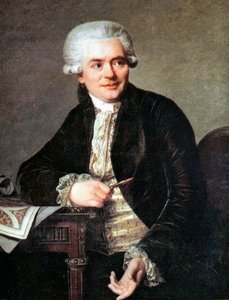
Jean Henri Riesener
1767 - 1828 , Tyskland