
 Visa i rummet
 Skicka
 Dela
Dela
 Detaljer
 Studentguide för konstverk

 Ladda ner
 Liknande objekt
 Röntgen
 Bildspel
 Besökstatistik
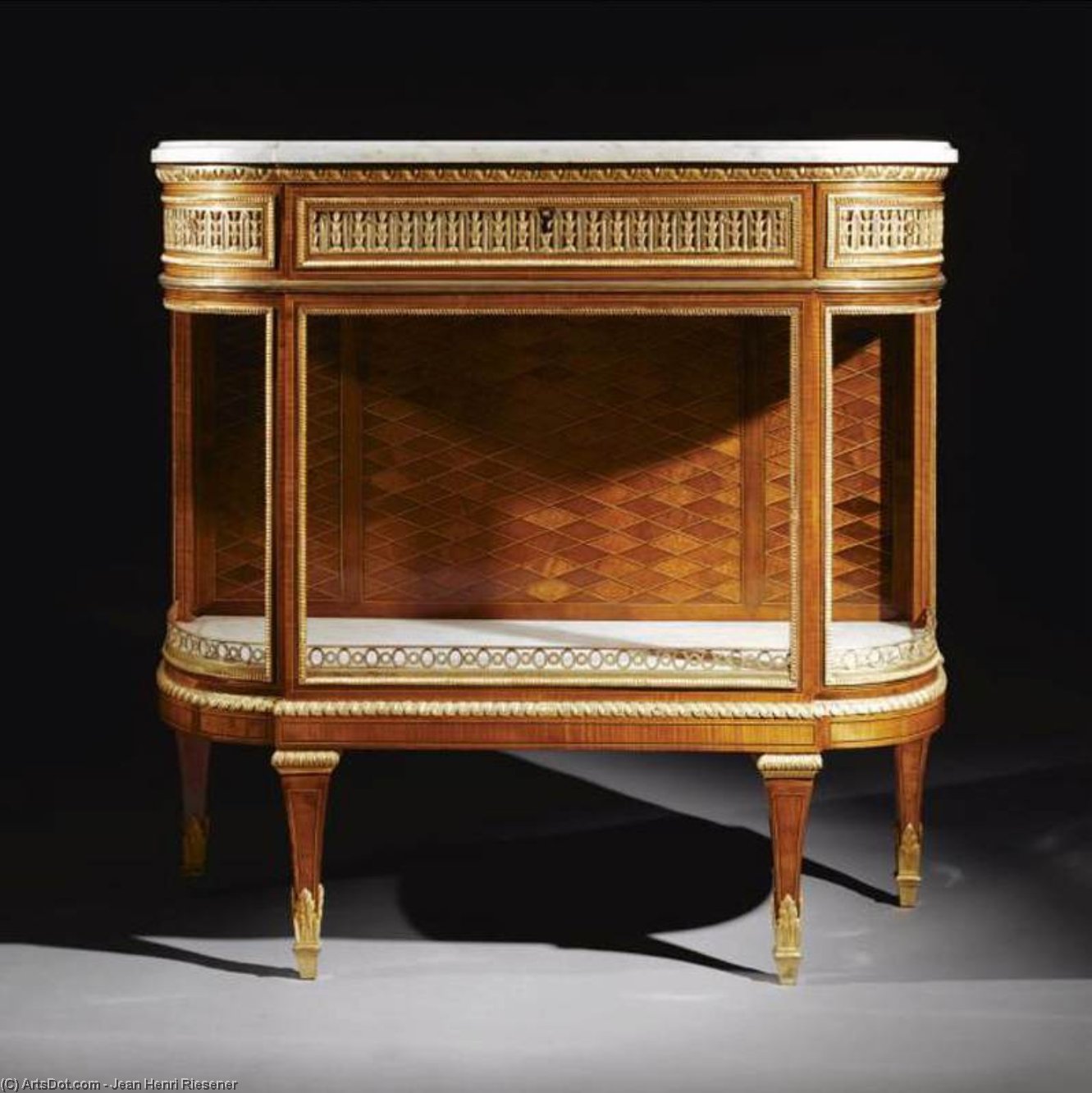
Console-Desserte
 1785
1785 91.0 x 99.0 cm
 Läs mer
Köp en högupplöst, förbättrad digital bild med betydligt högre kvalitet än förhandsvisningen online.
Varje fil är noggrant förberedd av våra interna specialister med hjälp av avancerade verktyg och professionell manuell retuschering. Vi säkerställer att varje bild har exceptionell skärpa, exakt färgåtergivning och fina detaljer.
Den slutgiltiga filen levereras via e-post inom 72 timmar, optimerad för omedelbar användning i professionella sammanhang, redaktionellt bruk och tryckmiljöer. Detta är samma kvalitet som med förtroende används av ledande designstudior, förlag och gallerier.
Digital bild
Ladda ner en högupplöst fil för personlig visning, utskrift och kreativa projekt. ( Byt till tryckta exemplar Köp handmålat konstverk)
Ingår i varje beställning av digital bild
Professionell digital leverans, garanterad
När du väljer OriginalUniqueArt.com får du inte bara en bild – du får ett professionellt förädlat digitalt konstverk, skapat med precision och med en garanterad tillfredsställelse. Här är allt som ingår i din beställning, automatiskt:

Snabb leverans via e-post
Din högupplösta digitala bild skickas till dig via e-post inom 72 timmar efter beställning – redo för omedelbar användning.

AI-förbättrad digital fil
Ditt konstverk optimeras professionellt med hjälp av avancerade AI-verktyg och manuell redigering, vilket garanterar maximal detaljrikedom, skärpa och färgnoggrannhet.

Gratis livstidsåterutskick
Har du råkat radera eller tappa bort din fil? Ingen oro – vi skickar den kostnadsfritt till dig när som helst.

Inga importavgifter – någonsin
Njut av ditt konstverk omedelbart utan tull, importavgifter eller leveranskostnader – digitala nedladdningar är alltid skattefria.

Garanterad färgåtergivning
Vi säkerställer att din digitala bild återger de ursprungliga färgerna så exakt som möjligt med hjälp av professionella verktyg och färghantering.

100 dagars nöjdhetsgaranti
Om du inte är nöjd med din digitala bild kommer vi att revidera den eller återbetala 100% inom 100 dagar – utan frågor.

100% pengarna-tillbaka-garanti
Inte nöjd? Få full återbetalning inom 100 dagar efter att du mottagit din digitala fil – utan frågor.

Rabatt vid storköp
Köp 3 bilder, spara 10% – Köp 5, spara 15% – Köp 10+, spara 20%. Perfekt för kreativa projekt, gallerier och byråer.
Design and Features
The Console-Desserte has a flat top surface, providing ample space for placing items, and three drawers with brass handles or pulls. The table's legs are turned with a classic design, tapering slightly towards the bottom, which is typical of furniture from the 18th century. The overall design of the console table reflects the neoclassical style, characterized by straight lines, minimal ornamentation, and an emphasis on functionality. Key Features:- Intricate carvings and decorative elements
- Rich, dark brown finish
- Three drawers with brass handles or pulls
- Classic turned legs
Artist and Historical Context
Jean Henri Riesener was a prominent figure in the world of furniture making during the 18th century. He worked for the French royal family, including Queen Marie Antoinette, and created many exceptional pieces for the Palace of Versailles. The Console-Desserte is a testament to Riesener's skill and artistry, showcasing his ability to create functional and beautiful pieces that reflect the neoclassical style. For more information on Jean Henri Riesener and his work, visit /art/list/?Filter=8XZUAR-Jean-Henri-Riesener-Console-Desserte or https://en.wikipedia.org/wiki/Jean_Henri_Riesener.The Musei Capitolini in Rome, Italy, is also home to an impressive collection of art and archaeological artifacts, including works by other notable artists. Visit /art/list/?Filter=A@D3ATXF-The-Museum-Musei-Capitolini-(Rome-Italy) to learn more.
Frågor och svar
Vilken konstnär tillskrivs "Console-Desserte"?
"Console-Desserte" tillskrivs Jean Henri Riesener.
Kan jag se en röntgenbild av "Console-Desserte" av Jean Henri Riesener?
"Console-Desserte" kan undersökas lager för lager på verkets Röntgen-sida, en visare inspirerad av en konservators ljusbord med elva optiska avläsningar av bilden.
Var kan jag hitta statistik om "Console-Desserte" av Jean Henri Riesener?
En Statistik-sida finns för "Console-Desserte". Den visar månatliga besök för konstverket och konstnärens övriga verk, med uppdelning per land och språk.
Konstnärsbiografi
The Master of the Louis XVI Style
In the gilded era of late eighteenth-century France, few names commanded as much prestige within the royal workshops as Jean Henri Riesener. An eminent German ébéniste, or cabinetmaker, Riesener brought a level of meticulous artistry to Paris that would eventually define the early Neoclassical aesthetic known as the Louis XVI style. His journey from the Electorate of Cologne to the heart of the French court is a narrative of unparalleled skill and social ascent. After moving to Paris and apprenticing under the celebrated Jean-François Oeben, Riesener did more than just learn a trade; he inherited a legacy of excellence. His connection to his master was so profound that he eventually married Oeben's widow, further cementing his place within the lineage of France's most elite craftsmen.
Riesener’s career reached its zenith when he was formally named ébéniste ordinaire du roi. This title was not merely ceremonial; it signaled his role as a primary provider of luxury furniture for the French Crown. During the decade between 1774 and 1784, the scale of his commissions was staggering, reflecting a period where the French court engaged in furnishing projects of unprecedented opulence. He became a favorite of Queen Marie Antoinette, working alongside other masters like David Roentgen to create pieces that served as both functional furniture and profound statements of status and refined taste.
A Symphony of Marquetry and Form
The work of Riesener is characterized by a breathtaking intersection of utility and decorative splendor. He was a master of marquetry, the delicate art of inlaying different colored woods to create intricate patterns and pictorial scenes. His ability to manipulate materials allowed him to transform hard woods like walnut into fluid, organic compositions. Whether crafting a writing table or a complex chest of drawers, Riesener utilized a sophisticated palette of geometric designs and floral motifs that embodied the transition from the flowing curves of the Rococo to the more structured, disciplined lines of Neoclassicism.
Beyond the surface decoration, his technical mastery extended to the structural integrity and multi-functional design of his pieces. His creations often featured:
- Intricate Inlays: The use of contrasting shades of wood to create depth and visual movement.
- Gilt Bronze Accents: The integration of fine metalwork to complement the warmth of the wood.
- Hidden Complexity: The inclusion of concealed drawers and specialized compartments, such as those found in his sewing tables, designed for the private needs of the aristocracy.
To encounter a Riesener piece is to witness a sculptural masterpiece. His work, such as the exquisite trough-shaped sewing table or his magnificent roll-top desks, transcends mere furniture making. Each piece serves as a portal into a vanished era of aristocratic refinement, where every edge and inlay was designed to evoke the intellectualism and elegance of the Enlightenment.
Legacy of an Ébéniste
The historical significance of Jean Henri Riesener lies in his ability to capture the very spirit of an age. His furniture did not merely occupy space; it defined the atmosphere of the most important salons and private sanctuaries in France, from Saint-Cloud to Versailles. Through his dedication to the highest standards of craftsmanship, he helped establish a standard of excellence that would influence decorative arts for generations. Even as the political landscape of France underwent violent transformations, the enduring beauty of Riesener's work remained a testament to the heights of French decorative achievement, ensuring his place in history as one of the greatest cabinetmakers to ever grace the Parisian workshops.
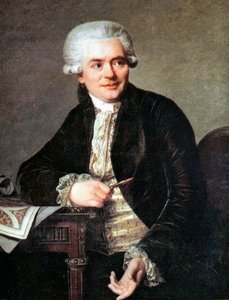
Jean Henri Riesener
1767 - 1828 , Tyskland