Förhandsvisa
 Skicka
 Dela
Dela
 Visa detaljer

 Ladda ner
 Liknande objekt
 Röntgen
 Bildspel
 Statistik
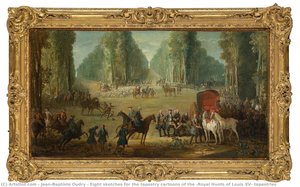
Men Attacking Wolves

 Visa mer
Handgjord oljereproduktion
Handmålad olja på duk i din valda storlek och ram, tillverkad efter beställning av våra konstnärer. ( Byt till tryck Byt till digital bild)




































Välj bland våra förinställda storlekar som motsvarar konstverkets ursprungliga proportioner.

Du kan ange egna mått för att passa en specifik ram eller yta. Om den valda storleken inte matchar originalbildens proportioner kommer vi antingen att beskära konstverket eller utöka målningen med ytterligare handmålade element. En digital skiss skickas till dig för godkännande innan produktionen påbörjas.
Observera att förhandsvisningen på skärmen inte återspeglar den faktiska beskärningen eller utökningen. Endast skissen visar den slutgiltiga kompositionen korrekt.
Även om anpassade storlekar är möjliga, rekommenderar vi att du väljer en dimension från den fördefinierade listan för att bevara originalproportionerna.
Efter beställning kommer OriginalUniqueArt.com team att mejla kunden för instruktioner och tillhandahålla en skissförhandsvisning
Leverans över hela världen () på 3–4 veckor istället för standard 5 veckor. (12 september). Inga kompromisser med kvaliteten.

Fri expressfrakt över hela världen

Högkvalitativ linnecanvas

Fullständig fraktförsäkring

Garantier för återbetalning av tullavgifter

Garantier för exakt färgåtergivning

100 dagars returrätt (endast vid defekter)

100% pengarna tillbaka-garanti

Mängdrabatt erbjuds
 Glasalternativet är endast tillgängligt i storlekar under 110 cm.

Men Attacking Wolves
Reproduktionsmedium
Storlek på reproduktion
-


Slutgiltigt pris
$ 325
Konstnärsbiografi
Jean-Baptiste Oudry: Ett liv i konsten
Tidigt liv och utbildning
- Född: 17 mars 1686, i Paris, Frankrike.
- Oudry föddes in i en konstnärlig familj; hans far, Jacques Oudry, var både målare och konsthandlare. Hans mor, Nicole Papillon, hade släktband med den berömda gravören Jean-Baptiste-Michel Papillon.
- Han påbörjade sin utbildning vid Académie de Saint-Luc, där han studerade under Nicolas de Largillière mellan 1707 och 1712. Denna formativa period lade grunden för hans tidiga färdigheter inom porträttmåleri och observation.
- Hans karriär tog snabbt fart, och han blev assisterande professor vid Académie de Saint-Luc år 1714 och fullvärdig professor redan 1717.
Konstnärlig utveckling och stil
- Initialt fokuserade Oudry på porträtt, men han utvidgade gradvis sin repertoar till att inkludera stilleben, särskilt av frukter och djur, samt religiösa motiv.
- Hans stil utvecklades mot rokoko, en epok kännetecknad av elegans, naturalism och en lekfull skildring av det aristokratiska livet och dess nöjen.
- Oudrys noggranna öga för detaljer och hans förmåga att fånga djurens texturer och särdrag blev signum för hans konstnärskap.
- Han uppvisade en mästerlig skicklighet inom både måleri och design, och rörde sig sömlöst mellan skapandet av oljemålningar på duk och storslagna vävda tapeter.
Stora prestationer och betydande verk
- The Pastoral Amusements (Les Amusements Champêtres): En serie tapeter designade för den kungliga Beauvais-manufakturen, som visar idylliska scener av landsbygdsliv och jakt.
- Louis XV jagar en hjort i skogen vid Saint-Germain (1730): Denna målning befäste Oudrys rykte som den officiella konstnären för den kungliga jakten. Verket exemplifierar hans förmåga att skildra både jaktens storslagenhet och den naturliga miljön.
- Louis XV:s kungliga jakter (Chasses Royales Gobelins): En serie tapetdesign för Gobelins-manufakturen, vilket ytterligare etablerade Oudrys betydelse som textilformgivare.
- Talrika porträtt av jaktbyte beställda av kung Ludvig XV, vilka demonstrerar hans expertis inom djuranatomi och komposition i stilleben.
Inflytande och arv
- Inspirerad av: Nicolas de Largillière spelade en avgörande roll i Oudrys tidiga konstnärliga utveckling genom att erbjuda grundläggande träning i porträttteknik och metodik.
- Oudrys verk kom att påverka efterföljande generationer av djurmålare och tapetdesigners. Hans naturalistiska stil och detaljrikedom satte en ny standard för skildringen av vilda djur.
- Han bidrog betydande till den franska hovets dekorativa konst genom att skapa lyxiga vävnader som prydde de kungliga residensen.
Historisk betydelse
- Oudrys arbete ger värdefulla inblickar i 1700-talets aristokratiska liv och den betydelse jakten hade som tidsfördriv för den franska adeln.
- Hans tapeter betraktas som mästerverk inom fransk dekorativ konst och visar på periodens tekniska skicklighet och konstnärliga kreativitet.
- Han utnämndes till prestigefyllda positioner inom Académie Royale de Peinture et de Sculpture, vilket bevisar hans erkännande som en av sin tids främsta konstnärer.
- Död: 30 april 1755, och lämnade efter sig ett arv av utsökna målningar och tapeter som fortsätter att beundras än idag.

Jean-Baptiste Oudry
1686 - 1755 , Frankrike
Kortfakta
- Artistic Movement Or Style: Rokoko
- Artists Who Influenced This Artist: ['Nicolas de Largillière']
- Date Of Birth: 17 mars 1686
- Date Of Death: 30 april 1755
- Full Name: Jean-Baptiste Oudry
- Nationality: Fransk
- Notable Artworks:
- The Pastoral Amusements
- Louis XV jakt på älgar i Saint Germain
- Place Of Birth: Paris, Frankrike
Relaterade artiklar
Baroque vs. Rococo: A Definitive Guide to High-Drama Shadows and Golden Elegance
Explore the dramatic evolution from Baroque's intense chiaroscuro to Rococo's golden elegance. Our expert guide decodes the shift from high-drama shadows to playful, ornate grace for art enthusiasts and collectors seeking deep historical insight.
Drama & Delight: A Journey Through the Grandeur of Baroque and Rococo Art
Embark on a cultural journey through the dramatic grandeur of Baroque and the delicate grace of Rococo art. Discover the history, techniques, and timeless beauty of these magnificent eras with our expert-led exploration of European masterpieces.

Baroque vs. Rococo: A Definitive Guide to the Drama of Grandeur and the Elegance of Grace
Explore the profound differences between Baroque drama and Rococo elegance. Our expert guide delves into art history, chiaroscuro, and the evolution of European masterpieces for collectors and enthusiasts seeking deep historical context.
From Grandeur to Grace: Exploring the Evolution of Baroque & Rococo Art
Explore the captivating evolution from Baroque's drama to Rococo's grace! Discover key artists, characteristics & lasting influence of these art movements with expert insights at OriginalUniqueArt.

10 ikoniska gravyrer som förändrade konsthistorien – Upptäck mästerverk för ditt hem
Utforska 10 legendariska gravyrer av Dürer, Rembrandt & Goya! Upptäck konsthistorien bakom mästerverk från renässans till romantik. Köp museumkvalitativa tryck och förvandla ditt hem med tidlös skönhet på OriginalUniqueArt.com.