Förhandsvisa
 Skicka
 Dela
Dela
 Visa detaljer
 Guide
Guide

 Ladda ner
 Liknande objekt
 Röntgen
 Bildspel
 Frågor och svar
 Statistik
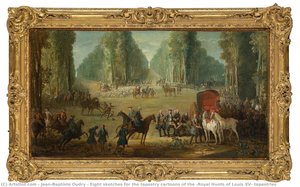
Farmhouse

- 130.0 x 212.0 cm


 Visa mer
Giclée / Konsttryck
Giclée- eller canvasprint av museumskvalitet med snabb produktion och flexibla ytbehandlingsalternativ. ( Beställ handmålad reproduktion Byt till digital bild)




P118B Skr10

P118H Skr10

P118W Skr10

P438Z Skr10

P508JH Skr12

P508YH Skr12

P805H Skr10

P805Z Skr10

P919BZ Skr10

P919G Skr10

P919XJ Skr10

P959ZH Skr10

P968JZ Skr12

W106C Skr8

W218G Skr10

W218JH Skr8

W218Y Skr10

W307PJ Skr10

W316G Skr10

W316PJ Skr8

W316Y Skr10

W398PJ Skr8

W4111J Skr10

W500HY Skr15

W500JH Skr15

W692G Skr12

W849H Skr8

W940BG Skr15

W953PJ Skr8




Välj bland våra förinställda storlekar som motsvarar konstverkets ursprungliga proportioner.

Ange den bredd och höjd du behöver för att passa din ram eller vägg. Ett tryck kan endast beskäras, aldrig göras större än originalbilden, vilket innebär att ett format med en annan proportion leder till att en del av bilden går förlorad. Vi skickar en digital mockup för godkännande innan vi påbörjar tryckningen. Bilden som visas på denna sida visar inte den faktiska beskärningen — det är endast mockuppen som gör det.
Leverans över hela världen () på 2 veckor istället för standard 4/5 veckor. (5 november)

Fri expressfrakt över hela världen

Högkvalitativ linnecanvas

Fullständig fraktförsäkring

Garantier för återbetalning av tullavgifter

Garantier för exakt färgåtergivning

100 dagars returrätt (endast vid fel)

100% pengarna tillbaka-garanti

Mängdrabatt erbjuds
 Glasalternativet är endast tillgängligt i storlekar under 110 cm.

Farmhouse
Giclée / Konsttryck
Storlek på reproduktion
-


Slutgiltigt pris
Skr 811
A Pastoral Dream in Rococo Hues
To gaze upon Jean-Baptiste Oudry's "Farmhouse" is to step directly into an idealized vision of 18th-century French rural life. This painting, executed in 1750, transcends a mere depiction of farmstead; it is a carefully orchestrated symphony of light, color, and pastoral tranquility. The Rococo style, with its inherent lightness and elegant exuberance, bathes the entire scene in a soft, almost dreamlike glow. One feels an immediate sense of calm wash over the viewer as the eye wanders from the rustic farmhouse, crowned with its thatched roof, across the fertile expanse of farmland stretching toward the horizon.
Mastery of Light and Detail
Oudry’s technical brilliance is immediately apparent in every meticulously rendered element. His handling of light is nothing short of masterful; it seems to emanate naturally from the scene itself, highlighting the textures of the wood, the softness of the sheep's wool, and the delicate folds of the clouds overhead. The composition is a study in balance, framed beautifully by lush trees that flank both sides, lending an almost theatrical depth to the foreground. Notice the scattered life—the contented cows grazing near the structure, the busy chickens pecking at the earth. These animals are not mere props; they imbue the scene with palpable vitality, suggesting the rhythm of daily existence.
Symbolism of Abundance and Harmony
Beyond its surface beauty, "Farmhouse" carries deep symbolic weight. It speaks to an era's idealized relationship with nature—a time when agricultural bounty was celebrated as a source of both sustenance and aesthetic pleasure. The combination of the thriving farmland, the sheltering farmhouse, and the gentle presence of human figures engaged in labor suggests themes of harmony, prosperity, and settled domestic bliss. Even the inclusion of farm implements hints at a life lived in respectful partnership with the land.
Bringing the Countryside Home
For the collector or designer seeking to infuse a space with timeless elegance, this piece offers unparalleled depth. The warm palette, dominated by rich earth tones punctuated by soft pastels, ensures that "Farmhouse" can anchor any room, whether it be a grand salon yearning for rustic charm or a sunlit breakfast nook desiring an air of cultivated serenity. Owning a reproduction allows one to possess not just a painting, but a tangible piece of 18th-century French artistry—a window into a bygone era of idyllic simplicity and exquisite craftsmanship.
Frågor och svar
Vilket nationellt ursprung ligger bakom Rococo Style i "Farmhouse"?
"Farmhouse" skapades av Jean-Baptiste Oudry, född i Frankrike, inom Rococo Style-rörelsen. Konstnärens ursprung knyter verket till Rococo Style så som det utövades av konstnärer från Frankrike.
Vilken placering passar bäst för formatet på "Farmhouse" av Jean-Baptiste Oudry?
Med sin Panoramic-form rekommenderas en reproduktion av "Farmhouse" för ett Living Room.
Hur harmonierar färgerna i "Farmhouse" med varandra?
Färgerna i "Farmhouse" av Jean-Baptiste Oudry uppvisar en Balanced Harmony harmoni. Harmoni beskriver hur färgerna förhåller sig till varandra.
Konstnärsbiografi
Jean-Baptiste Oudry: Ett liv i konsten
Tidigt liv och utbildning
- Född: 17 mars 1686, i Paris, Frankrike.
- Oudry föddes in i en konstnärlig familj; hans far, Jacques Oudry, var både målare och konsthandlare. Hans mor, Nicole Papillon, hade släktband med den berömda gravören Jean-Baptiste-Michel Papillon.
- Han påbörjade sin utbildning vid Académie de Saint-Luc, där han studerade under Nicolas de Largillière mellan 1707 och 1712. Denna formativa period lade grunden för hans tidiga färdigheter inom porträttmåleri och observation.
- Hans karriär tog snabbt fart, och han blev assisterande professor vid Académie de Saint-Luc år 1714 och fullvärdig professor redan 1717.
Konstnärlig utveckling och stil
- Initialt fokuserade Oudry på porträtt, men han utvidgade gradvis sin repertoar till att inkludera stilleben, särskilt av frukter och djur, samt religiösa motiv.
- Hans stil utvecklades mot rokoko, en epok kännetecknad av elegans, naturalism och en lekfull skildring av det aristokratiska livet och dess nöjen.
- Oudrys noggranna öga för detaljer och hans förmåga att fånga djurens texturer och särdrag blev signum för hans konstnärskap.
- Han uppvisade en mästerlig skicklighet inom både måleri och design, och rörde sig sömlöst mellan skapandet av oljemålningar på duk och storslagna vävda tapeter.
Stora prestationer och betydande verk
- The Pastoral Amusements (Les Amusements Champêtres): En serie tapeter designade för den kungliga Beauvais-manufakturen, som visar idylliska scener av landsbygdsliv och jakt.
- Louis XV jagar en hjort i skogen vid Saint-Germain (1730): Denna målning befäste Oudrys rykte som den officiella konstnären för den kungliga jakten. Verket exemplifierar hans förmåga att skildra både jaktens storslagenhet och den naturliga miljön.
- Louis XV:s kungliga jakter (Chasses Royales Gobelins): En serie tapetdesign för Gobelins-manufakturen, vilket ytterligare etablerade Oudrys betydelse som textilformgivare.
- Talrika porträtt av jaktbyte beställda av kung Ludvig XV, vilka demonstrerar hans expertis inom djuranatomi och komposition i stilleben.
Inflytande och arv
- Inspirerad av: Nicolas de Largillière spelade en avgörande roll i Oudrys tidiga konstnärliga utveckling genom att erbjuda grundläggande träning i porträttteknik och metodik.
- Oudrys verk kom att påverka efterföljande generationer av djurmålare och tapetdesigners. Hans naturalistiska stil och detaljrikedom satte en ny standard för skildringen av vilda djur.
- Han bidrog betydande till den franska hovets dekorativa konst genom att skapa lyxiga vävnader som prydde de kungliga residensen.
Historisk betydelse
- Oudrys arbete ger värdefulla inblickar i 1700-talets aristokratiska liv och den betydelse jakten hade som tidsfördriv för den franska adeln.
- Hans tapeter betraktas som mästerverk inom fransk dekorativ konst och visar på periodens tekniska skicklighet och konstnärliga kreativitet.
- Han utnämndes till prestigefyllda positioner inom Académie Royale de Peinture et de Sculpture, vilket bevisar hans erkännande som en av sin tids främsta konstnärer.
- Död: 30 april 1755, och lämnade efter sig ett arv av utsökna målningar och tapeter som fortsätter att beundras än idag.

Jean-Baptiste Oudry
1686 - 1755 , Frankrike
Kortfakta
- Artistic Movement Or Style: Rokoko
- Artists Who Influenced This Artist: ['Nicolas de Largillière']
- Date Of Birth: 17 mars 1686
- Date Of Death: 30 april 1755
- Full Name: Jean-Baptiste Oudry
- Nationality: Fransk
- Notable Artworks:
- The Pastoral Amusements
- Louis XV jakt på älgar i Saint Germain
- Place Of Birth: Paris, Frankrike
Relaterade artiklar
Idyllic Visions: Exploring the Pastoral Tradition in Western Art – Themes, Techniques & Enduring Appeal
Explore the rich history of pastoral art from classical Arcadia to contemporary interpretations. Discover key artists, themes & collecting tips at OriginalUniqueArt.

Léon Augustin L'Hermitte: Capturing the Soul of French Rural Life
Discover the captivating realist paintings of Léon Augustin L'Hermitte, masterfully depicting French rural life. Explore his technique, influences & legacy – a cornerstone of 19th-century art.

Rokokons mästerverk: Topp 10 konstverk som definierade epoken | OriginalUniqueArt.com
Upptäck rokokons 10 mest ikoniska mästerverk! Lär känna Boucher, Watteau & andra stora konstnärer. Vackra målningar fyllda av pastellfärger och elegans. Hitta din favorit – utforska hela kollektionen online på OriginalUniqueArt.com.
Djurens Bestående Närvaro i Konsten: Symbolik och Inredningsdesign
Utforska djurens fascinerande symbolik i konsten och hur du kan integrera dessa teman i din inredning. Expertinsikter om hundar, katter, hästar och mer!

The Rococo Aesthetic: Opulence, Rebellion & the Pursuit of Pleasure in 18th-Century Art
Explore the opulent world of Rococo art! Discover its origins, key artists like Watteau & Boucher, and lasting influence on design. Expert insights for collectors & enthusiasts.