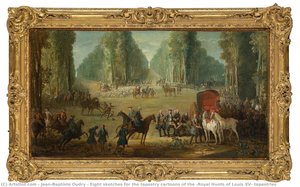
Visa i rummet
 Skicka
 Dela
Dela
 Detaljer
 Studentguide för konstverk

 Ladda ner
 Liknande objekt
 Röntgen
 Bildspel
 Besökstatistik
Dog Pointing a Partridge
 Acrylic On Canvas
- WallArt
- Rococo
 1725
1725 129.0 x 162.0 cm
 Ermitaget
 Läs mer
Giclée / Konsttryck
Giclée- eller canvasprint av museumskvalitet med snabb produktion och flexibla ytbehandlingsalternativ. ( Köp handmålat konstverk Byt till digital bildförsäljning)




P118B Skr10

P118H Skr10

P118W Skr10

P438Z Skr10

P508JH Skr12

P508YH Skr12

P805H Skr10

P805Z Skr10

P919BZ Skr10

P919G Skr10

P919XJ Skr10

P959ZH Skr10

P968JZ Skr12

W106C Skr8

W218G Skr10

W218JH Skr8

W218Y Skr10

W307PJ Skr10

W316G Skr10

W316PJ Skr8

W316Y Skr10

W398PJ Skr8

W4111J Skr10

W500HY Skr15

W500JH Skr15

W692G Skr12

W849H Skr8

W940BG Skr15

W953PJ Skr8




Välj bland våra förinställda storlekar som motsvarar konstverkets ursprungliga proportioner.

Ange den bredd och höjd du behöver, för att passa din ram eller din vägg. Ett tryck kan endast beskäras, aldrig göras större än bilden, vilket innebär att ett format med en annan formform leder till att en del av bilden går förlorad. Vi skickar en digital mockup för godkännande innan vi trycker något. Bilden som visas på denna sida visar inte den faktiska beskärningen — det är endast mockuppen som gör det.
Leverans över hela världen () på 2 veckor istället för standard 4/5 veckor. (23 oktober)

Fri expressfrakt över hela världen

Högkvalitativ linnecanvas

Fullständig fraktförsäkring

Garantier för återbetalning av tullavgifter

Garantier för exakt färgåtergivning

100 dagars returrätt vid fabrikationsfel

100% pengarna tillbaka-garanti

Mängdrabatt erbjuds
 Glasalternativet är endast tillgängligt i storlekar under 110 cm.

Dog Pointing a Partridge
Giclée / Konsttryck
Reproduktionsstorlek
-


Totalpris
Skr 793
A Moment of Focused Grace: Oudry’s “Dog Pointing a Partridge”
Jean-Baptiste Oudry's "Dog Pointing a Partridge," painted in 1725, isn’t merely a depiction of a hunt; it’s a distillation of the Rococo spirit – an elegant tableau capturing a fleeting moment of intense concentration and the harmonious relationship between man and animal. The painting immediately draws the eye to the dog, a magnificent specimen of the Pointer breed, utterly absorbed in its task. Its head is lowered, tail held high in anticipation, and posture radiating unwavering focus. This isn’t a clumsy or frantic pursuit; it's a controlled, almost meditative state, suggesting an innate understanding of scent and instinct. The Partridge, perched delicately amongst the grasses, becomes a secondary subject, almost a reward for this dedicated vigilance.
The Rococo Palette and Precise Observation
Oudry’s mastery lies in his meticulous observation and the skillful application of Rococo techniques. The painting is rendered in a remarkably detailed black and white, emphasizing form and texture rather than relying on vibrant color. This monochrome palette was common for hunting scenes at the time, allowing Oudry to concentrate on capturing the nuances of light and shadow – the way it falls across the dog’s fur, the delicate details of the bird's plumage, and the undulating surface of the grass. The brushstrokes are smooth and refined, contributing to a sense of serenity and control. Notice how he uses subtle gradations of tone to create depth and volume, particularly in the dog’s musculature and the surrounding foliage. The composition itself is carefully balanced, with the elements arranged to guide the viewer's eye through the scene – from the rock at the foreground, up to the bird and then back down to the dog.
- Technique: Oil on canvas, demonstrating Oudry’s command of chiaroscuro (light and shadow).
- Composition: Balanced arrangement drawing the eye through the scene.
- Brushwork: Smooth, refined strokes contributing to a sense of serenity.
A Royal Pursuit and Aristocratic Leisure
“Dog Pointing a Partridge” reflects the aristocratic pursuits of 18th-century France, specifically the royal hunt. These scenes weren’t simply records of hunting expeditions; they were carefully constructed displays of wealth, skill, and social status. Oudry was commissioned by figures like Noël-Antoine de Mérou, director of the Royal Beauvais Tapestry Manufactory, to create designs for tapestries depicting similar hunts – a testament to their popularity and importance within courtly life. The painting embodies the Rococo fascination with leisure, elegance, and the idealized depiction of aristocratic pursuits. The dog’s posture speaks volumes about the values of the time: loyalty, discipline, and an appreciation for the natural world—all carefully curated and presented for a discerning audience.
Symbolism and Emotional Resonance
Beyond its technical brilliance, the painting holds symbolic weight. The dog represents not just a hunting tool but also a companion – a loyal friend engaged in a shared activity. The Partridge, often associated with fertility and renewal, adds another layer of meaning to the scene. The overall effect is one of quiet grace and focused intensity. It’s a moment frozen in time, capturing the beauty of nature and the harmonious relationship between man and animal—a timeless image that continues to resonate with viewers today. Reproductions allow us to appreciate Oudry's skill and bring this elegant scene into our own homes, offering a glimpse into the refined world of 18th-century French aristocracy.
Frågor och svar
Kan jag använda augmented reality för att se "Dog Pointing a Partridge" av Jean-Baptiste Oudry i mitt rum?
"Dog Pointing a Partridge" av Jean-Baptiste Oudry kan förhandsvisas på din egen vägg via konstverkets AR-förhandsvisning-sida med hjälp av förstärkt verklighet (AR) på en kompatibel enhet.
Vilken atmosfär skulle en reproduktion av "Dog Pointing a Partridge" av Jean-Baptiste Oudry tillföra ett rum?
Den Elegant atmosfären i "Dog Pointing a Partridge" av Jean-Baptiste Oudry passar perfekt för det rekommenderade rummet: ett Living Room.
Är färgerna i "Dog Pointing a Partridge" av Jean-Baptiste Oudry klara eller dämpade?
"Dog Pointing a Partridge" av Jean-Baptiste Oudry är återgiven med en Subtle Color mättnad och en Monochromatic intensitet.
Om konstnären
Jean-Baptiste Oudry: Ett liv i konsten
Tidigt liv och utbildning
- Född: 17 mars 1686, i Paris, Frankrike.
- Oudry föddes in i en konstnärlig familj; hans far, Jacques Oudry, var både målare och konsthandlare. Hans mor, Nicole Papillon, hade släktband med den berömda gravören Jean-Baptiste-Michel Papillon.
- Han påbörjade sin utbildning vid Académie de Saint-Luc, där han studerade under Nicolas de Largillière mellan 1707 och 1712. Denna formativa period lade grunden för hans tidiga färdigheter inom porträttmåleri och observation.
- Hans karriär tog snabbt fart, och han blev assisterande professor vid Académie de Saint-Luc år 1714 och fullvärdig professor redan 1717.
Konstnärlig utveckling och stil
- Initialt fokuserade Oudry på porträtt, men han utvidgade gradvis sin repertoar till att inkludera stilleben, särskilt av frukter och djur, samt religiösa motiv.
- Hans stil utvecklades mot rokoko, en epok kännetecknad av elegans, naturalism och en lekfull skildring av det aristokratiska livet och dess nöjen.
- Oudrys noggranna öga för detaljer och hans förmåga att fånga djurens texturer och särdrag blev signum för hans konstnärskap.
- Han uppvisade en mästerlig skicklighet inom både måleri och design, och rörde sig sömlöst mellan skapandet av oljemålningar på duk och storslagna vävda tapeter.
Stora prestationer och betydande verk
- The Pastoral Amusements (Les Amusements Champêtres): En serie tapeter designade för den kungliga Beauvais-manufakturen, som visar idylliska scener av landsbygdsliv och jakt.
- Louis XV jagar en hjort i skogen vid Saint-Germain (1730): Denna målning befäste Oudrys rykte som den officiella konstnären för den kungliga jakten. Verket exemplifierar hans förmåga att skildra både jaktens storslagenhet och den naturliga miljön.
- Louis XV:s kungliga jakter (Chasses Royales Gobelins): En serie tapetdesign för Gobelins-manufakturen, vilket ytterligare etablerade Oudrys betydelse som textilformgivare.
- Talrika porträtt av jaktbyte beställda av kung Ludvig XV, vilka demonstrerar hans expertis inom djuranatomi och komposition i stilleben.
Inflytande och arv
- Inspirerad av: Nicolas de Largillière spelade en avgörande roll i Oudrys tidiga konstnärliga utveckling genom att erbjuda grundläggande träning i porträttteknik och metodik.
- Oudrys verk kom att påverka efterföljande generationer av djurmålare och tapetdesigners. Hans naturalistiska stil och detaljrikedom satte en ny standard för skildringen av vilda djur.
- Han bidrog betydande till den franska hovets dekorativa konst genom att skapa lyxiga vävnader som prydde de kungliga residensen.
Historisk betydelse
- Oudrys arbete ger värdefulla inblickar i 1700-talets aristokratiska liv och den betydelse jakten hade som tidsfördriv för den franska adeln.
- Hans tapeter betraktas som mästerverk inom fransk dekorativ konst och visar på periodens tekniska skicklighet och konstnärliga kreativitet.
- Han utnämndes till prestigefyllda positioner inom Académie Royale de Peinture et de Sculpture, vilket bevisar hans erkännande som en av sin tids främsta konstnärer.
- Död: 30 april 1755, och lämnade efter sig ett arv av utsökna målningar och tapeter som fortsätter att beundras än idag.

Jean-Baptiste Oudry
1686 - 1755 , Frankrike
Snabbfakta
- Artistic Movement Or Style: Rokoko
- Artists Who Influenced This Artist: ['Nicolas de Largillière']
- Date Of Birth: 17 mars 1686
- Date Of Death: 30 april 1755
- Full Name: Jean-Baptiste Oudry
- Nationality: Fransk
- Notable Artworks:
- The Pastoral Amusements
- Louis XV jakt på älgar i Saint Germain
- Place Of Birth: Paris, Frankrike
Relaterade artiklar
Djurens Bestående Närvaro i Konsten: Symbolik och Inredningsdesign
Utforska djurens fascinerande symbolik i konsten och hur du kan integrera dessa teman i din inredning. Expertinsikter om hundar, katter, hästar och mer!
The Pursuit of Power & Prestige: Hunting Scenes in Western Art
Explore the rich history of hunting scenes in Western art, from royal pursuits to powerful allegories. Discover masterpieces & expert insights for discerning collectors. OriginalUniqueArt offers museum-quality reproductions.

Rokokons mästerverk: Topp 10 konstverk som definierade epoken | OriginalUniqueArt.com
Upptäck rokokons 10 mest ikoniska mästerverk! Lär känna Boucher, Watteau & andra stora konstnärer. Vackra målningar fyllda av pastellfärger och elegans. Hitta din favorit – utforska hela kollektionen online på OriginalUniqueArt.com.
Beastly Brushstrokes: A Historical Journey Through Animal Painting & Aesthetic Movements
Explore the rich history of animal painting across cultures & movements. Discover iconic artists, symbolism, collecting trends & expert art consultation at OriginalUniqueArt.com.

The Rococo Aesthetic: Opulence, Rebellion & the Pursuit of Pleasure in 18th-Century Art
Explore the opulent world of Rococo art! Discover its origins, key artists like Watteau & Boucher, and lasting influence on design. Expert insights for collectors & enthusiasts.