 Skicka
 Dela
Dela
 Visa detaljer
 Guide
Guide

 Ladda ner
 Liknande objekt
 Bildspel
 Q&A
Q&A Statistik
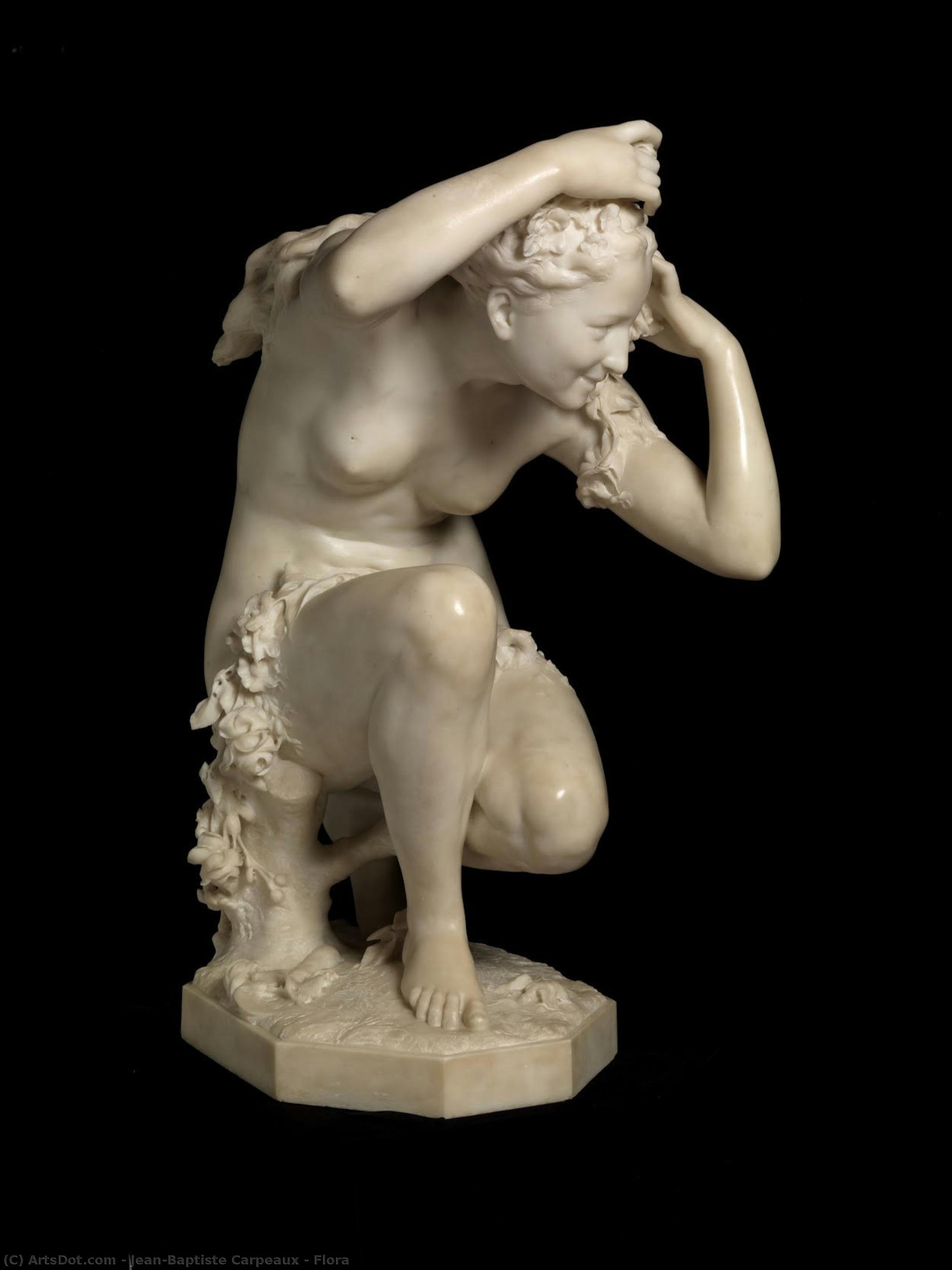
Flora


 Visa mer
Få en utskriftsfärdig fil som vida överträffar webbförhandsvisningen. Varje digital bild vi säljer kommer från en högupplöst master i vår bilddatabas – vanligtvis mellan 5 000 och 15 000 pixlar bred – så att du med trygghet kan göra stora utskrifter, beskära tätt eller återge fina detaljer.
Ingen fil lämnar vår studio utan att ha bearbetats. En digital expert kontrollerar färgerna mot originalmålningen och korrigerar dem vid behov, för att sedan förbättra skärpa och detaljrikedom med professionella retuscheringsverktyg — alltid med full respekt för konstnärens penseldrag och stil. Resultatet är en bild som ser ut som målningen, inte som en filtrerad skanning.
Du godkänner innan arbetet slutförs: vår expert skickar bilden via e-post inom 72 timmar för din granskning. Inte nöjd? Be om förbättringar eller korrigeringar, eller begär återbetalning om kvaliteten inte lever upp till förväntningarna.
Detta är den kvalitet som förlag, designstudior, gallerier och tryckerier litar på.
Digital bild
Ladda ner en högupplöst fil för personlig visning, utskrift och kreativa projekt. ( Byt till tryck Beställ handmålad reproduktion)
Ingår i varje beställning av digital bild
Professionell digital leverans, garanterad
När du väljer OriginalUniqueArt.com får du inte bara en bild – du får ett professionellt förädlat digitalt konstverk, skapat med precision och med en garanterad tillfredsställelse. Här är allt som ingår i din beställning, automatiskt:

Snabb leverans via e-post
Din högupplösta digitala bild skickas till dig via e-post inom 72 timmar efter beställning – redo för omedelbar användning.

AI-förbättrad digital fil
Ditt konstverk optimeras professionellt med hjälp av avancerade AI-verktyg och manuell redigering, vilket garanterar maximal detaljrikedom, skärpa och färgnoggrannhet.

Fri livstidsåterleverans
Har du råkat radera eller tappa bort din fil? Ingen oro – vi skickar den kostnadsfritt till dig när som helst.

Inga importavgifter – någonsin
Njut av ditt konstverk omedelbart utan tull, importavgifter eller leveranskostnader – digitala nedladdningar är alltid skattefria.

Garanterad färgåtergivning
Vi säkerställer att din digitala bild återger de ursprungliga färgerna så exakt som möjligt med hjälp av professionella verktyg och färghantering.

100 dagars nöjdhetsgaranti
Om du inte är nöjd med din digitala bild kommer vi att revidera den eller återbetala 100% inom 100 dagar – utan frågor.

100% pengarna-tillbaka-garanti
Inte nöjd? Få full återbetalning inom 100 dagar efter att du mottagit din digitala fil – utan frågor.

Rabatt vid storköp
Köp 3 bilder, spara 10% – Köp 5, spara 15% – Köp 10+, spara 20%. Perfekt för kreativa projekt, gallerier och byråer.
A Symphony of Marble and Springtime
In the realm of nineteenth-century sculpture, few works capture the ephemeral essence of joy as profoundly as Jean-Baptiste Carpeaux’s Flora. This exquisite marble masterpiece is far more than a mere depiction of a mythological figure; it is a breathtaking celebration of vitality, movement, and the tender arrival of a new season. The sculpture presents a woman in a moment of intimate grace, crouching with a naturalistic ease that seems to defy the very stone from which she is carved. As she reaches up to adorn her hair with delicate blossoms, her lips part in a subtle, enchanting smile—a feature famously modeled after Anne Foucart, whose youthful radiance provided the sculptor with the perfect vessel for expressing pure, unadulterated delight.
The technique employed by Carpeaux is nothing short of miraculous, bridging the gap between the rigid traditions of classical sculpture and the burgeoning desire for emotional realism. While his training under François Rude instilled in him a mastery of form, Carpeost sought to break free from the cold, static nature of academicism. In Flora, one can observe a tactile sensitivity where the smoothness of skin meets the intricate, organic textures of floral garlands. The way light plays across the undulating surfaces of her limbs creates an illusion of breath and pulse, making the marble appear almost soft to the touch. This mastery of texture and light ensures that the piece remains dynamic, inviting the viewer to move around it to discover new shadows and highlights.
Historical Resonance and Artistic Legacy
The origins of this work are deeply intertwined with the architectural grandeur of Paris. Carpeaux was originally commissioned by the architect Lefuel to create a high-relief for the Pavillon de Flore at the Palais du Louvre, themed around the Triumph of Flora. However, the singular figure we admire today emerged from a period of personal and political transition. Executed in 1873 while Carpeaux was living in London following the fall of the Second Empire, this human-scale version represents a mature refinement of his earlier ideas. Commissioned by the art enthusiast Henry James Turner, the sculpture reflects a moment where the artist, though in exile, found the inspiration to revisit and elevate his most beloved theme.
Symbolically, the piece serves as an allegory for rebirth and the cyclical nature of life. By drawing inspiration from the Crouching Aphrodite of classical antiquity, Carpeaux connects the modern spirit of the 1870s to the timeless beauty of the ancient world. The sculpture does not merely represent a goddess; it embodies the very concept of "Spring"—a period of awakening and flourishing. For the discerning collector or interior designer, this work offers a profound emotional anchor. Whether placed in a sunlit gallery or as a focal point in a sophisticated living space, Flora radiates an atmosphere of optimism and elegance, making it an incomparable choice for those looking to infuse their surroundings with a sense of timeless grace and poetic movement.
Frågor och svar
Vilka andra namn eller alias använder sig Jean-Baptiste Carpeaux av?
Jean-Baptiste Carpeaux är även känd som J. B. Carpeaux, Jules Baptiste Carpeaux.
Är "Flora" av Jean-Baptiste Carpeaux ett ljust eller mörkt konstverk?
De registrerade värdena för "Flora" av Jean-Baptiste Carpeaux är: deep_shadow i ljusstyrka och Dark i luminans.
Vilken plats har "Flora" av Jean-Baptiste Carpeaux i konsthistorien?
Den konsthistoriska klassificeringen av "Flora" av Jean-Baptiste Carpeaux är Baroque Sculpture, under perioden 19th Century.
Konstnärsbiografi
A Life Sculpted in Passion: The World of Jean-Baptiste Carpeaux
Jean-Baptiste Carpeaux, a name synonymous with dynamism and emotional depth in 19th-century French sculpture, emerged from humble beginnings to become one of the most celebrated artists of his time. Born in Valenciennes in 1827, the son of a mason, Carpeaux’s early life was deeply rooted in the physicality of craftsmanship – an influence that profoundly shaped his artistic sensibility. This grounding in tangible creation fostered a deep understanding of materials and form, laying the foundation for a career defined by its tactile realism and expressive power. His initial training under François Rude, famed for his dramatic reliefs on the Arc de Triomphe, provided a solid base in classical technique, but it was at the École des Beaux-Arts that Carpeaux truly began to hone his unique vision. The rigorous academic environment of the school, combined with his innate talent, propelled him towards winning the prestigious Prix de Rome in 1854 – a pivotal moment that set him on a transformative journey to Italy.Roman Reveries and the Birth of a New Style
The years Carpeaux spent in Rome were crucial in shaping his artistic development. Immersed in the masterpieces of Michelangelo, Donatello, and Verrocchio, he absorbed their mastery of anatomy, composition, and emotional intensity. However, rather than simply imitating these Renaissance giants, Carpeaux began to forge his own path, deliberately rejecting the rigid formality that characterized much of Neoclassical sculpture. He sought a more fluid, spontaneous approach, one that captured the energy and vitality of life itself. This shift is vividly illustrated in *Pêcheur napolitain à la coquille* (Neapolitan Fisherboy), created during this period. The sculpture, depicting a young boy with a shell, is remarkable for its naturalism and sense of movement – qualities that would become defining characteristics of Carpeaux’s style. It wasn't merely a representation of a figure; it was an embodiment of youthful exuberance and carefree joy, radiating a palpable sense of life. This work garnered significant attention upon its exhibition in Paris, establishing Carpeaux as a rising star and securing commissions from Empress Eugénie herself. He began to experiment with looser brushwork and brighter colors, influenced by the burgeoning Romantic movement, moving away from the polished surfaces favored by his predecessors.Triumph and Turmoil: The Second Empire Years
Carpeaux’s talent flourished during the Second Empire under Napoleon III, an era marked by artistic innovation and ambitious public projects. He became a favorite of the imperial court, receiving numerous commissions for portraits and monumental sculptures designed to glorify the regime. His work on the façade of the Opéra Garnier in Paris, *La Danse*, remains one of his most iconic achievements. This high-relief sculpture is a breathtaking display of dynamic movement and graceful forms, depicting figures caught in a swirling vortex of energy – a testament to Carpeaux’s ability to capture the essence of motion. However, this masterpiece was not without controversy; its overt sensuality sparked outrage among some conservative critics who deemed it indecent. Despite the criticism, *La Danse* cemented Carpeaux’s reputation as a bold and innovative artist, unafraid to challenge conventions and push boundaries. Other significant works from this period include *Ugolino and His Sons*, a harrowing depiction of Dante's tragic tale of starvation and despair, showcasing his ability to convey profound emotional depth through sculpted form. The sculpture powerfully illustrates the depths of human suffering and desperation, utilizing dramatic lighting and exaggerated gestures to evoke a visceral response in the viewer.A Legacy Forged in Movement and Emotion
Despite facing financial difficulties and health challenges in later life, Carpeaux continued to create with unwavering dedication until his untimely death in 1875. His influence on subsequent generations of sculptors is undeniable. He broke away from the constraints of academic tradition, embracing a more naturalistic and expressive style that paved the way for artists like Auguste Rodin. Rodin, often considered the father of modern sculpture, acknowledged Carpeaux as a key precursor, recognizing his pioneering efforts in capturing movement and emotion in three dimensions. *Carpeaux’s emphasis on realism*, combined with his ability to infuse his works with psychological depth, resonated deeply with artists seeking to move beyond mere imitation and explore the complexities of the human experience. His students – including Jules Dalou, Jean-Louis Forain, and Olin Levi Warner – carried forward his legacy, further expanding the boundaries of sculptural expression. Today, Carpeaux’s sculptures are displayed in prominent museums around the world, serving as a testament to his enduring artistic vision and his profound impact on the history of sculpture. His work continues to captivate audiences with its raw emotion, dynamic energy, and timeless beauty.Key Works
Here's a selection of Carpeaux’s most celebrated works:- *Pêcheur napolitain à la coquille* (Neapolitan Fisherboy) – 1857
- *Ugolino and His Sons* – 1861
- *La Danse* (Dance) – 1869 (Opéra Garnier, Paris)
- *The Negress* – 1873
- Busts of Empress Eugénie and other prominent figures
Influences
Carpeaux’s artistic development was shaped by a diverse range of influences:- Michelangelo: His mastery of anatomy and dramatic composition.
- Donatello: His emphasis on dynamic movement and expressive emotion.
- François Rude: Carpeaux initially studied under Rude, absorbing his classical training but ultimately forging his own distinctive style.
- Romanticism: The emotional intensity and focus on the individual experience characteristic of Romantic art profoundly influenced Carpeaux’s approach to sculpture.
Historical Significance
Jean-Baptiste Carpeaux stands as a pivotal figure in 19th-century French sculpture, bridging the gap between Neoclassicism and modernism. His rejection of rigid academic conventions and his embrace of naturalism, dynamism, and emotional depth revolutionized the field, paving the way for the expressive innovations of artists like Auguste Rodin. He remains an important example of a sculptor who successfully captured the spirit of his time, reflecting both the grandeur of the Second Empire and the growing desire for artistic freedom and individual expression.
Jean-Baptiste Carpeaux
1827 - 1875 , Frankrike
Kort om konstnären
- Artistic Movement Or Style: Naturalism, Realism
- Artists Or Movements Influenced By This Artist: ['Auguste Rodin']
- Artists Who Influenced This Artist:
- François Rude
- Michelangelo
- Donatello
- Date Of Birth: 1827
- Date Of Death: 1875
- Full Name: Jean-Baptiste Carpeaux
- Nationality: Fransk
- Notable Artworks:
- Ugolino och hans söner
- Neapolitanska fiskaren
- Dansen
- Place Of Birth: Valenciennes, Frankrike