Förhandsvisa
 Skicka
 Dela
Dela
 Visa detaljer
 Guide
Guide

 Ladda ner
 Liknande objekt
 Röntgen
 Bildspel
 Frågor och svar
 Statistik
Christ

- 80.0 x 60.0 cm


 Visa mer
Giclée / Konsttryck
Giclée- eller canvasprint av museumskvalitet med snabb produktion och flexibla ytbehandlingsalternativ. ( Beställ handmålad reproduktion Byt till digital bild)




P118B Skr10

P118H Skr10

P118W Skr10

P438Z Skr10

P508JH Skr12

P508YH Skr12

P805H Skr10

P805Z Skr10

P919BZ Skr10

P919G Skr10

P919XJ Skr10

P959ZH Skr10

P968JZ Skr12

W106C Skr8

W218G Skr10

W218JH Skr8

W218Y Skr10

W307PJ Skr10

W316G Skr10

W316PJ Skr8

W316Y Skr10

W398PJ Skr8

W4111J Skr10

W500HY Skr15

W500JH Skr15

W692G Skr12

W849H Skr8

W940BG Skr15

W953PJ Skr8




Välj bland våra förinställda storlekar som motsvarar konstverkets ursprungliga proportioner.

Ange den bredd och höjd du behöver för att passa din ram eller vägg. Ett tryck kan endast beskäras, aldrig göras större än originalbilden, vilket innebär att ett format med en annan proportion leder till att en del av bilden går förlorad. Vi skickar en digital mockup för godkännande innan vi påbörjar tryckningen. Bilden som visas på denna sida visar inte den faktiska beskärningen — det är endast mockuppen som gör det.
Leverans över hela världen () på 2 veckor istället för standard 4/5 veckor. (6 november)

Fri expressfrakt över hela världen

Högkvalitativ linnecanvas

Fullständig fraktförsäkring

Garantier för återbetalning av tullavgifter

Garantier för exakt färgåtergivning

100 dagars returrätt (endast vid fel)

100% pengarna tillbaka-garanti

Mängdrabatt erbjuds
 Glasalternativet är endast tillgängligt i storlekar under 110 cm.

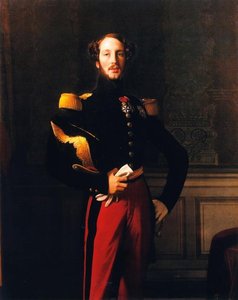
Christ
Giclée / Konsttryck
Storlek på reproduktion
-


Slutgiltigt pris
Skr 809
A Timeless Portrait of Serenity: Ingres’s ‘Christ’
Jean-Auguste-Dominique Ingres's “Christ,” painted in 1834, is more than just a depiction of the subject of Christian faith; it’s an embodiment of classical ideals rendered with breathtaking precision and imbued with a profound sense of calm. Measuring 80 x 60 cm, this oil on canvas work immediately draws the viewer into its serene world, showcasing Ingres's mastery of the neo-classical style – a style defined by clean lines, subtle color palettes, and an almost obsessive attention to detail. The painting’s impact stems not just from its subject matter but from the artist’s deliberate choices in composition and technique, creating a visual experience that transcends time.
The Language of Neo-Classicism
Ingres was a pivotal figure in the neo-classical movement, rejecting the dramatic flourishes of the Romantic era in favor of a return to the clarity and order of ancient Greece and Rome. “Christ” exemplifies this approach perfectly. The subject’s pose – hands raised towards the heavens – is deliberately reminiscent of classical sculpture, evoking notions of piety, contemplation, and connection with the divine. The smooth, polished surfaces achieved through Ingres' meticulous brushwork contribute to a sense of monumental stillness, further emphasizing the painting’s formal qualities. Notice how the light falls across Christ’s form, highlighting his musculature in a way that recalls idealized representations of the human body found in ancient statues – a testament to Ingres’s deep understanding and respect for classical art history.
Technical Mastery and Color Palette
The painting's technical execution is remarkable. Executed in oil on canvas, Ingres employed a layering technique that builds up depth and texture with incredible subtlety. The color palette is restrained – primarily composed of muted blues, browns, and creams – contributing to the overall atmosphere of tranquility. This deliberate choice avoids any sense of emotional excess, allowing the viewer’s focus to remain firmly fixed on Christ's face and hands. The artist’s control over light and shadow further enhances the painting’s realism, creating a three-dimensional effect that invites close inspection.
Symbolism and Emotional Resonance
Beyond its formal qualities, “Christ” carries significant symbolic weight. The raised hands are not merely a gesture of prayer; they represent surrender, faith, and the acceptance of divine will. Christ’s expression – serene, almost beatific – conveys a sense of peace and hope, offering a visual representation of spiritual solace. The painting's enduring appeal lies in its ability to evoke these powerful emotions, connecting with viewers on a deeply personal level. It is a reminder of humanity's search for meaning and purpose, a timeless theme explored through the lens of Ingres’s artistic genius.
A Legacy of Beauty
"Christ" by Jean-Auguste-Dominique Ingres remains a cornerstone of neo-classical art. Its meticulous detail, balanced composition, and profound sense of serenity continue to captivate audiences today. This reproduction offers an exceptional opportunity to experience the beauty and intellectual depth of one of Ingres’s most celebrated works – a piece that speaks volumes about the enduring power of classical ideals and the artist's unparalleled skill.
Frågor och svar
Var kan jag ladda ner "Christ" av Ingres?
"Christ" av Ingres kan laddas ner som en högupplöst digital bildnedladdning via verkets sida för Ladda ner digital bild.
Vilken känsla förmedlar "Christ" som present?
Den Calm tonen i "Christ" av Ingres passar perfekt för det rekommenderade tillfället: Wedding.
Är "Christ" ett berömt verk inom Neo-Classical Style?
"Christ" är noterad som Iconic bland Neo-Classical Style-verken i katalogen.
Konstnärsbiografi
Jean-Auguste-Dominique Ingres: Linjens och Formens Mästare
Jean-Auguste-Dominique Ingres, ett namn som är synonymt med neoklassisk precision och nästan skulptural närvaro i målningen, intar en unik plats i konsthistoriens annaler. Född i Montauban, Frankrike, år 1780, var hans konstnärliga resa präglad av ett orubbligt engagemang för klassiska ideal, samtidigt som han utforskade en växande sensualitet och en vilja att utmana konventioner. Ingres återskapade inte bara det förflutna; han förde en djup dialog med det, skapade en stil som både definierade sin tid och förutsåg kommande revolutioner.
Hans tidiga liv lade en solid grund för hans framtida konstnärliga strävanden. Hans far, Jean-Marie-Joseph Ingres, var själv målare och bildhuggare, vilket ingav den unge Dominique en kärlek till form och teknik från tidig ålder. Denna första utbildning följdes av studier vid Académie Royale de Peinture, Sculpture et Architecture i Toulouse, där han finslipade sina färdigheter under Guillaume-Joseph Roques. Men det var hans flytt till Paris 1797 och efterföljande lärlingskap hos Jacques-Louis David som verkligen satte honom på sin väg. David, den ledande figuren inom neoklassicismen, förmedlade en rigorös disciplin och betoning på linje, form och historiska ämnen – principer som skulle förbli centrala i Ingres arbete genom hela hans karriär.
Jakten på Idealisk Skönhet
Ingres konstnärliga filosofi var djupt rotad i beundran för de italienska renässansmästarna – särskilt Raphael, som var en ständig inspirationskälla. Han trodde på linjens kraft att definiera form och förmedla känslor, och strävade efter en idealiserad skönhet som överskred ren representation. Detta sökande är tydligt i hans tidiga verk, såsom Ambassadörerna från Agamemnon i Achilles tält (1801), vilket gav honom det prestigefyllda Prix de Rome. Målningen visar hans noggranna uppmärksamhet på detaljer, precisa linjeföring och ett tydligt narrativt fokus – kännetecken för neoklassisk stil.
Men Ingres var inte bara en kopierare. Han utvecklade gradvis en distinkt röst, infogade klassiska principer med en unik blandning av sensualitet och psykologisk insikt. Hans porträtt demonstrerar denna utveckling. Medan han upprätthöll den formella elegansen som är karakteristisk för neoklassicismen, började han subtilt att förvränga former och utrymmen, vilket skapade en oroande men fängslande effekt som förebådade de expressiva förvridningarna i senare rörelser som kubismen. Porträtt av Monsieur Bertin (1833-1834), med sina långsträckta händer och intensiva blick, är ett utmärkt exempel på detta innovativa tillvägagångssätt.
Bortom Historien: Orientalism och Sena Mästerverk
Även om han hyllades för sina historiska och mytologiska målningar – som Louis XIII:s löfte (1827) – utforskade Ingres också andra genrer, framför allt orientalismen. Hans skildringar av exotiska scener och kvinnliga nuder, såsom Det turkiska badet (1862), som han slutförde när han var otroliga 83 år gammal, avslöjar en fascination för det sensuella och det mystiska. Dessa verk visar hans fortsatta vilja att experimentera och tänja på gränserna, även om de ibland kritiserades för sina idealiserade representationer.
Ingres senare karriär såg honom navigera i ett förändrat konstnärligt landskap. Uppkomsten av romantiken utmanade neoklassicismens dominans, men Ingres förblev trogen sitt engagemang för klassiska ideal samtidigt som han införlivade element av romantisk känsla i sitt arbete. Han blev en mycket inflytelserik lärare och formade nästa generation konstnärer och befäste sin position som en bro mellan tradition och modernitet.
En Varaktig Påverkan
Jean-Auguste-Dominique Ingres avled i Paris 1867 och lämnade efter sig ett arv som fortsätter att resonera än idag. Hans betoning på linje, form och idealisk skönhet har haft ett djupt inflytande på konstnärer genom generationer. Anmärkningsvärt är att hans verk fascinerade även de som förespråkade radikalt olika stilar – konstnärer som Henri Matisse och Pablo Picasso beundrade hans innovativa tillvägagångssätt för kompositionen och hans förmåga att ingjuta klassiska former med en känsla av vitalitet och emotion.
Ingres målningar finns nu i stora museer över hela världen, som vittnar om hans bestående konstnärliga vision. Han förblir en avgörande figur i konsthistorien – en mästare som inte bara bevarade det förflutnas traditioner utan också banade vägen för framtiden. Hans verk inbjuder oss att fundera över skönhetens natur, linjens kraft och den tidlösa lockelsen av klassiska ideal.
Viktiga Verk
- Ambassadörerna från Agamemnon i Achilles tält (1801)
- Louis XIII:s löfte (1827)
- Porträtt av Monsieur Bertin (1833-1834)
- Det turkiska badet (1862)
- Grande Odalisque (1814)

Ingres
1780 - 1867 , Frankrike
Kortfakta
- Artistic Movement Or Style: Neoklassisk
- Artists Or Movements Influenced By This Artist:
- Matisse
- Picasso
- Artists Who Influenced This Artist:
- David
- Poussin
- Date Of Birth: 29 augusti 1780
- Date Of Death: 14 januari 1867
- Full Name: Jean-Auguste-Dominique Ingres
- Nationality: Fransk
- Notable Artworks:
- Ambassadörer
- Svärtning
- Bertin
- Turkbad
- Place Of Birth: Montauban, Frankrike
Relaterade artiklar

The Enduring Legacy of Oil on Canvas: Technique, History & Aesthetic Impact
Explore the rich history & techniques of oil painting – from Renaissance masters to Impressionism. Discover pigments, layering methods, and why this timeless medium endures. Expert insights for artists & art enthusiasts.

De 10 mästerverk som definierade nyklassicismen – konst för ditt hem | OriginalUniqueArt.com
Utforska de 10 mästerverk som definierade nyklassicismen! Lär känna Jacques-Louis David, Ingres & Canova. Upptäck konsthistoria och hitta inspiration för din inredning med museumkvalitativa reproduktioner på OriginalUniqueArt.com.

The Soul of Impressionism: Why Oil on Canvas Captures Eternal Light and Timeless Emotion
Discover the enchanting alchemy of Impressionism. Explore how the mastery of oil on canvas, through glazing and impasto, captures eternal light and emotion. Perfect for lovers of Monet and Van Gogh seeking the profound depth of hand-painted fine art.

Olja på duk: En tidlös teknik – Historik, process och konstnärliga möjligheter
Utforska oljemålningskonsten! Lär dig om flamländsk teknik, materialval och historisk utveckling. Expertguider för både nybörjare och erfarna konstnärer – bevara dina målningar med bästa praxis.

Olja på dukens bestående arv: Teknik, historia och samtida praktik
Utforska oljemåleriets rika historia och tekniker – från renässansens mästare till dagens konstnärer. Lär dig om material, metoder och konservering för att bevara konsten.