

 Förhandsvisa
 Skicka
 Dela
Dela
 Visa detaljer
 Guide
Guide

 Ladda ner
 Liknande objekt
 Röntgen
 Bildspel
 Statistik
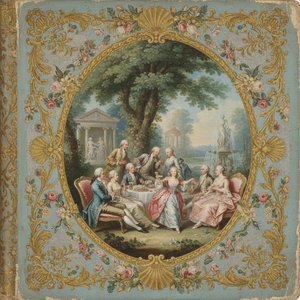
The Champs-Elysées
 Olja på duk
- Väggkonst
- Rococo
 1719
1719- Tidigmodern tid
 33.0 x 43.0 cm
 Wallace Collection
 Visa mer
Giclée / Konsttryck
Giclée- eller canvasprint av museumskvalitet med snabb produktion och flexibla ytbehandlingsalternativ. ( Beställ handmålad reproduktion Byt till digital bild)




P118B Skr10

P118H Skr10

P118W Skr10

P438Z Skr10

P508JH Skr12

P508YH Skr12

P805H Skr10

P805Z Skr10

P919BZ Skr10

P919G Skr10

P919XJ Skr10

P959ZH Skr10

P968JZ Skr12

W106C Skr8

W218G Skr10

W218JH Skr8

W218Y Skr10

W307PJ Skr10

W316G Skr10

W316PJ Skr8

W316Y Skr10

W398PJ Skr8

W4111J Skr10

W500HY Skr15

W500JH Skr15

W692G Skr12

W849H Skr8

W940BG Skr15

W953PJ Skr8




Välj bland våra förinställda storlekar som motsvarar konstverkets ursprungliga proportioner.

Ange den bredd och höjd du behöver för att passa din ram eller vägg. Ett tryck kan endast beskäras, aldrig göras större än originalbilden, vilket innebär att ett format med en annan proportion leder till att en del av bilden går förlorad. Vi skickar en digital mockup för godkännande innan vi påbörjar tryckningen. Bilden som visas på denna sida visar inte den faktiska beskärningen — det är endast mockuppen som gör det.
Leverans över hela världen () på 2 veckor istället för standard 4/5 veckor. (27 oktober)

Fri expressfrakt över hela världen

Högkvalitativ linnecanvas

Fullständig fraktförsäkring

Garantier för återbetalning av tullavgifter

Garantier för exakt färgåtergivning

100 dagars returrätt (endast vid fel)

100% pengarna tillbaka-garanti

Mängdrabatt erbjuds
 Glasalternativet är endast tillgängligt i storlekar under 110 cm.

The Champs-Elysées
Giclée / Konsttryck
Storlek på reproduktion
-


Slutgiltigt pris
Skr 797
The Champs-Elysées: A Rococo Vision of Parisian Leisure
Jean Antoine Watteau's "The Champs-Elysées," painted in 1719, is a quintessential example of the *fête galante* genre and a captivating glimpse into the aristocratic leisure culture of early 18th-century France. Measuring 33 x 43 cm, this oil on canvas masterpiece resides within the esteemed Wallace Collection in London, offering viewers a window into Watteau's masterful ability to blend landscape and figure painting with an unparalleled sense of elegance and charm.
A Scene of Refined Sociability
The painting depicts a group of approximately twelve individuals gathered in what appears to be a park setting, likely the gardens on the Champs-Elysées in Paris. The figures are dressed in fashionable attire of the period, showcasing a variety of colors and styles that reflect the social status and individual tastes of the time. They engage in relaxed conversation and leisurely activities, creating an atmosphere of refined sociability. Watteau's composition skillfully utilizes depth; trees and foliage recede into the background, enhancing the sense of space and tranquility. The diffused lighting contributes to a soft, dreamlike quality that is characteristic of Rococo art.
The *Fête Galante* Genre and Artistic Significance
Watteau's contribution to art history lies significantly in his development of the *fête galante*. This genre, meaning "elegant festival," specifically portrays scenes of aristocratic gatherings in idyllic outdoor settings. Unlike traditional historical or mythological paintings, *fêtes galantes* focused on depicting contemporary leisure activities and social interactions within a picturesque landscape. “The Champs-Elysées” perfectly embodies this style, showcasing Watteau’s skill in capturing the relaxed atmosphere and subtle nuances of his subjects' relationships. The painting isn't merely a depiction of a scene; it is an exploration of beauty, grace, and the pursuit of pleasure – central tenets of Rococo aesthetics.
Technique and Symbolism
Watteau’s technique in "The Champs-Elysées" is characterized by loose brushwork and a slightly hazy effect. He employed glazing techniques to build up layers of color, creating depth and luminosity. The composition relies on flowing lines and organic shapes – trees, figures, water features – which blend together harmoniously. Symbolism within the painting is subtle but present. The carefully chosen attire of the figures suggests their social standing and individual personalities. The overall setting, a meticulously rendered garden, represents an idealized vision of nature—a space for contemplation, conversation, and refined enjoyment. While not overtly symbolic, the scene evokes feelings of serenity, elegance, and the fleeting beauty of life.
Watteau's Legacy and Further Exploration
"The Champs-Elysées" stands as a testament to Watteau’s artistic genius and his pivotal role in transitioning from Baroque to Rococo art. Beyond this iconic work, Watteau left behind a rich body of paintings including "Halt During the Hunt," "Les Charmes de la Vie (The Music Party)," "Harlequin and Columbine," and “The Pleasures of Life,” all housed within the Wallace Collection. For those interested in exploring more of Watteau's works or other artists, OriginalUniqueArt offers a wide range of handmade oil painting reproductions. Additionally, for further information on the Wallace Collection, visit their official website at https://www.wallacecollection.org/.
Frågor och svar
När skapades "The Champs-Elysées" och vilken stilriktning tillhör det?
"The Champs-Elysées" skapades år 1719 som ett verk inom Rococo-rörelsen. Datum och stil förankrar konstverket i konsthistorien.
Är "The Champs-Elysées" av Jean-Antoine Watteau ett porträtt, landskap eller en kvadratisk komposition?
"The Champs-Elysées" av Jean-Antoine Watteau är en komposition i Liggande format. Det är värt att kontrollera proportionerna innan du väljer tryckstorlek.
Hur förhåller sig stilen i "The Champs-Elysées" till sin skapares epok?
"The Champs-Elysées" av Jean-Antoine Watteau tillhör Rococo-rörelsen och skapades under sin konstnärs Tidig modern tid-era.
Konstnärsbiografi
A Delicate Brushstroke: The Life and Art of Jean-Antoine Watteau
Jean-Antoine Watteau, en namn synonymt med den blomstrande rokokostilen, uppstod ur den norra franska staden Valenciennes 1684. Hans korta men lysande karriär förändrade avsevärt 1700-talets målarhistoria, och försköt fokus från barockens praktfulla dramatik till en intim värld av elegans, nöje och subtil känsla. Till skillnad från många konstnärer som följde en tydligt definierad väg, präglades Wattaeus resa av initiala strider om erkännande inom de etablerade konstinstitutionerna i Paris. Född in i en familj med begränsade medel – hans far en takläggare och timmerhuggare – visade den unga Jean-Antoine tidigt ett begåvningsfullt sinne för teckning, och skissade initialt de färgstarka karaktärerna och livliga scenerna i sin hemstadsgata. Denna formativa erfarenhet inställde honom till en skarp blick för observation och en fascination för vardagslivet, teman som skulle genomsyra hans senare verk. Hans tidiga utbildning under lokala konstnärer Jacques-Albert Gérin och Julien gav ett fundament, men det var hans flytt till Paris runt 1702 som verkligen tände hans konstnärliga utveckling.From Theatrical Scenes to *Fêtes Galantes*
I den pulserande hjärtat av Paris ingick Watteau i Claude Gillots verkstad, en målare specialiserad på teaterdesign och det populära genren *fêtes galantes* – skildringar av aristokratiska utomhusunderhållningar. Denna lärlingskap visade sig vara avgörande. Gillots inflytande exponerade Watteau för världen av kommedia dell’arte, med sina maskerade karaktärer och lekfulla berättelser, vilket skulle bli ett återkommande motiv i hans oeuvre. Men Wattaeus konstnärliga känslor stämde inte alltid överens med de strikta kategorier som föredrogs av Académie Royale de Peinture et de Sculpture. Hans genrebilder ansågs olämpliga för officiellt erkännande, vilket ledde till initial avslag när han försökte tävla om den prestigefyllda Prix de Rome. Oavbruten, och demonstrerande en anmärkningsvärd uthållighet, perserverade Watteau, slutligen fick han acceptans som *maître amateur* 1717 – en status som tillät honom att visa sitt arbete oberoende. Denna period markerade ett avgörande vändpunkt, vilket gjorde det möjligt för honom att fullt ut utveckla sin unika stil präglad av ljusa färger, delikat pensling och en atmosfär av vemod. Han började flytta bort från direkt teaterrepresentation mot mer poetiska och suggestiva scener, och skapade *fêtes galantes* som en distinkt genre – idylliska sammankomster i parkliknande miljöer där aristokratiska figurer engagerade sig i lekfulla sysslor och raffinerade nöjen.The Essence of Rococo: Style and Masterpieces
Wattaeus målningar är omedelbart igenkännliga för sina distinkta egenskaper. Han besatt en överlägsen förmåga att fånga den aristokratiska livets elegans och raffinement, inte genom bombastiska utställningar av makt eller rikedom, utan genom subtila gester, nyanserade uttryck och ett mästarligt bruk av ljus och färg. Hans figurer utstrålar en poetisk graciöshet och en delikat känslomässig djup som skiljer dem från de mer formella porträtten hos sina föregångare. The Country Dance (1718-1721), kanske ett av hans mest berömda verk, exemplifierar detta perfekt – en livlig scen som skildrar friskt landsbygsliv med utsökt detalj och en underliggande känsla av längtan. Andra mästerverk som Ceres (Summer) (1705) visar hans skicklighet i att porträttera naturens skönhet och den mänskliga formen, medan The Embarkation for Cythera (1717) och dess följeslagare, *Pilgrimage to Cythera*, är ikoniska representationer av mytologiska resor till kärlekens ö, fyllda med en känsla av mysterium och romantisk längtan. Även hans teaterporträtt, som Gilles (1719), har en gåtfull kvalitet som bjuder in till eftertanke. Wattaeus teknik var lika innovativ; han använde en fjäderlätt penseldragning och ett delikat lager av färger för att skapa en skimrande effekt, fångade flyktigheten i ljuset och atmosfären.Influences and Legacy
Wattaeus konstnärliga arv är komplext, präglat av inspiration från olika källor. Han beundrade djupt venetianska renässansmästare som Titian och Veronese, särskilt deras rika färger och dynamiska kompositioner. Rubens inflytande är också synligt i hans energiska penseldrag och sinnliga figurer. Men Watteau kopierade inte bara dessa föregångare; han syntetiserade deras influenser till något helt nytt och unikt för honom själv – en stil som blev kännetecknande för rokokostilen. Trots ett tragiskt kort liv – han dog av tuberkulos 1721 i ålder av bara trettio sju år – lämnade Watteau ett bestående intryck på konsthistorien. Hans verk har djupt påverkat generationer av konstnärer, inklusive Fragonard och Boucher, som vidareutvecklade de teman och tekniker han pionjärinom. Han omdefinierade genrepanting, lyfte den till en konstnärlig sofistikering som tidigare reserverats för historiska eller religiösa ämnen. Idag bevaras hans målningar i stora museer över hela världen – från National Gallery of Art i Washington D.C. till Museo del Prado i Madrid – och fortsätter att fängsla publiken med sin skönhet, graciöshet och bestående attraktionskraft, vilket etablerar honom som en av de viktigaste och älskade konstnärerna under rokokoperioden.
Jean-Antoine Watteau
1684 - 1721 , Frankrike
Kortfakta
- Artistic Movement Or Style: Rococoskt
- Artists Or Movements Influenced By This Artist:
- Fragonard
- Boucher
- Artists Who Influenced This Artist:
- Rubens
- Veronese
- Date Of Birth: 1684
- Date Of Death: 1721
- Full Name: Jean-Antoine Watteau
- Nationality: Fransk
- Notable Artworks:
- Landskap med äldre kvinna
- Fêtes galantes
- Bryllopskontrakt
- Place Of Birth: Valenciennes, Frankrike
Relaterade artiklar
The Rococo Style: Aristocratic Leisure & the Pursuit of Delight in 18th-Century Art
Explore the opulent world of Rococo art! Discover Watteau, Boucher & Nattier's masterpieces. Expert insights for collectors seeking museum-quality reproductions and custom portraits at OriginalUniqueArt.

The Allure of Elegance in Art: A Historical & Aesthetic Exploration of Refinement & Grace
Explore the exquisite world of Rococo art! Discover its history, masters (Watteau, Boucher & more), and defining elegance. Expert insights for collectors seeking museum-quality reproductions & custom portraits.

Rokokons mästerverk: Topp 10 konstverk som definierade epoken | OriginalUniqueArt.com
Upptäck rokokons 10 mest ikoniska mästerverk! Lär känna Boucher, Watteau & andra stora konstnärer. Vackra målningar fyllda av pastellfärger och elegans. Hitta din favorit – utforska hela kollektionen online på OriginalUniqueArt.com.

The Rococo Aesthetic: Opulence, Rebellion & the Pursuit of Pleasure in 18th-Century Art
Explore the opulent world of Rococo art! Discover its origins, key artists like Watteau & Boucher, and lasting influence on design. Expert insights for collectors & enthusiasts.

The Fête Galante & Beyond: Exploring the Artistic World of Jean-Antoine Watteau
Discover the captivating world of Jean-Antoine Watteau, master of the Fête Galante! Explore his iconic paintings, symbolism, and lasting influence on Rococo art. A deep dive for classic art enthusiasts.


