

 Förhandsvisa
 Skicka
 Dela
Dela
 Visa detaljer
 Guide
Guide

 Ladda ner
 Liknande objekt
 Röntgen
 Bildspel
 Statistik
Still-Life
 Oil On Canvas
- WallArt
- Baroque
 86.0 x 68.0 cm
 Ermitaget
 Visa mer
Handgjord oljereproduktion
Handmålad olja på duk i din valda storlek och ram, tillverkad efter beställning av våra konstnärer. ( Byt till tryck Byt till digital bild)




P118B Skr10

P118H Skr10

P118W Skr10

P438Z Skr10

P508JH Skr12

P508YH Skr12

P805H Skr10

P805Z Skr10

P919BZ Skr10

P919G Skr10

P919XJ Skr10

P959ZH Skr10

P968JZ Skr12

W106C Skr8

W218G Skr10

W218JH Skr8

W218Y Skr10

W307PJ Skr10

W316G Skr10

W316PJ Skr8

W316Y Skr10

W398PJ Skr8

W4111J Skr10

W500HY Skr15

W500JH Skr15

W692G Skr12

W849H Skr8

W940BG Skr15

W953PJ Skr8




Välj bland våra förinställda storlekar som motsvarar konstverkets ursprungliga proportioner.

Ange den bredd och höjd du behöver för att passa din ram eller din vägg. Eftersom detta är handmålat kan konstnären, vid ett annat format, måla lite mer runt bilden eller beskära den något – det är du som väljer. Vi skickar en digital mockup för godkännande innan målningen påbörjas. Bilden som visas på denna sida representerar inte det slutgiltiga resultatet — det är endast mockuppen som visar det.
Efter beställning kommer OriginalUniqueArt.com team att mejla kunden för instruktioner och tillhandahålla en skissförhandsvisning
Leverans över hela världen () på 3–4 veckor istället för standard 5 veckor. (26 oktober). Inga kompromisser med kvaliteten.

Fri expressfrakt över hela världen

Högkvalitativ linnecanvas

Fullständig fraktförsäkring

Garantier för återbetalning av tullavgifter

Garantier för exakt färgåtergivning

100 dagars returrätt (endast vid fel)

100% pengarna tillbaka-garanti

Mängdrabatt erbjuds
 Glasalternativet är endast tillgängligt i storlekar under 110 cm.

Still-Life
Reproduktionsmetod
Storlek på reproduktion
-


Slutgiltigt pris
Skr 2978
A Glimpse into Baroque Grandeur: Jan Weenix’s “Still Life with a Monkey”
Jan Weenix's "Still Life with a Monkey," painted around 1697, is more than just a depiction of fruit and game; it’s a meticulously crafted window into the opulent world of Dutch Golden Age society. This remarkable piece, currently housed within the Hermitage Museum in St. Petersburg, Russia, offers a captivating blend of realism, theatricality, and subtle symbolism that continues to intrigue viewers centuries after its creation. Weenix, trained by his father Jan Baptist Weenix – himself a master of animal and still life painting – inherited a legacy of artistic precision and an appreciation for the natural world, but he quickly established his own distinctive style characterized by dramatic lighting, rich textures, and a keen eye for detail.
The composition immediately draws the viewer’s attention to a striking monkey perched on a ledge within a richly appointed interior. This isn't merely a decorative element; the monkey is the focal point, radiating an almost mischievous energy as it holds an apple in its hand. Surrounding this central figure are an abundance of carefully arranged objects: luscious grapes spilling from a basket, a plump pear glistening with ripeness, and a selection of game birds – a pheasant, a partridge, and a dove – all rendered with astonishing realism. The background is equally elaborate, featuring a large bird being plucked by two smaller birds, creating a dynamic and slightly unsettling tableau. The entire scene unfolds against the backdrop of a grand room, hinting at wealth and status—a testament to Weenix’s ability to seamlessly integrate elements of both naturalism and interior design.
Technique and Materials: A Masterclass in Baroque Realism
Weenix's mastery lies not only in his subject matter but also in his technical execution. He employed the oil painting technique with exceptional skill, layering thin glazes to achieve a remarkable sense of depth and luminosity. Notice how he captures the textures of the fruit – the velvety skin of the pear, the plumpness of the grapes – using subtle variations in color and brushstroke. The lighting is dramatic and carefully considered, casting strong shadows that accentuate the forms and create a sense of three-dimensionality. The use of chiaroscuro—the contrast between light and dark—is particularly effective in highlighting the monkey’s posture and drawing attention to its expressive face.
Furthermore, Weenix's meticulous observation of nature is evident throughout the painting. He studied animal anatomy with a keen eye, capturing their movements and expressions with remarkable accuracy. The arrangement of the game birds suggests a successful hunt, reflecting the importance of hunting in Dutch society at the time. The inclusion of the monkey adds an element of surprise and intrigue, hinting at the exotic and worldly influences that were increasingly prevalent in the Netherlands during the 17th century.
Symbolism and Context: A Window into Dutch Society
Beyond its aesthetic beauty, “Still Life with a Monkey” is rich in symbolism. The monkey itself has been interpreted as representing various concepts – from folly and deception to the fleeting nature of pleasure. Its holding of the apple can be seen as an allusion to the biblical story of Adam and Eve, suggesting a cautionary tale about temptation and indulgence. The presence of the hunting scene reflects the importance of hunting in Dutch society, not just for sustenance but also as a demonstration of wealth and status. The grand interior setting underscores the prosperity and sophistication of the merchant class who commissioned such elaborate artworks.
Painted during the Baroque period, this work embodies many of the key characteristics of the style: dramatic lighting, rich colors, complex compositions, and an emphasis on realism. However, Weenix’s approach is distinct from that of other Baroque painters, particularly in his use of light and shadow to create a sense of depth and atmosphere. The painting also reflects the growing interest in natural history and scientific observation during this period, as artists sought to accurately depict the world around them.
A Timeless Masterpiece: Reproductions and Beyond
Today, “Still Life with a Monkey” remains one of Jan Weenix’s most celebrated works. Its captivating composition, masterful technique, and rich symbolism continue to resonate with viewers centuries after its creation. High-quality reproductions offer an accessible way to appreciate the beauty and complexity of this remarkable painting. Whether displayed in a grand salon or a cozy corner, a reproduction of “Still Life with a Monkey” can bring a touch of Baroque grandeur into any setting, serving as a reminder of the artistic brilliance of the Dutch Golden Age.
Frågor och svar
Vilken storlek och orientering rekommenderas för ett tryck av "Still-Life" av Jan Weenix?
Ett tryck av "Still-Life" av Jan Weenix rekommenderas i storleken Medium med Portrait orientering.
Vilket format har "Still-Life" av Jan Weenix?
"Still-Life" av Jan Weenix är en komposition i Portrait. Det är värt att kontrollera proportionerna innan du väljer tryckstorlek.
Var och för vilket ändamål rekommenderas "Still-Life"?
"Still-Life" av Jan Weenix rekommenderas för Statement, helst i ett Living Room. Användningsområde och rymd hjälper dig att avgöra var en reproduktion passar bäst.
Konstnärsbiografi
Ett arv av holländsk realism: Jan Weenix liv och konst
Jan Weenix, född i Amsterdam 1641, sprang ur en släkt djupt rotad i konstnärlig tradition och ärvde sin passion för måleriet från sin far, den högt aktade Jan Baptist Weenix. Även om de exakta detaljerna kring hans tidiga år förblir något dunkla, är det tydligt att unge Jan fick sin grundläggande utbildning i sin faders verkstad. Där absorberade han de tekniker som var avgörande för att avbilda både stilleben och djurmotiv – ett kännetecken för den holländska guldålderns konstnärskap. Denna familjära påverkan var inte enbart teknisk; den ingöt en djup uppskattning för den noggranna observationen av naturen och en hängivenhet till att återge dess skönhet med slående realism. Den äldre Weenixs egen konstnärliga resa, inklusive vistelser i Italien som gav hans verk en italiensk prägel, formade utan tvivel även Jans framväxande estetik. Trots att han initialt hamnade i skuggan av sin faders rykte, lyckades Jan snabbt utmärka sig och banade en unik väg inom det livfulla landskapet av 1600-talets holländska måleri.Den barocka stilens blomstring
Weenix konstnärliga stil blomstrade under barockens höjdpunkt och speglar epokens förkärlek för dramatik, rika detaljer och dynamisk komposition. Han arbetade inte i isolering; influenser från samtida som Hendrick Cornelisz Vroom, berömd för sina marinmålningar, och potentiellt andra djurspecialister som Melchior de Hondecoeter och Gillis Claesz d'Hondecoeter, påverkade subtilt hans angreppssätt. Weenix lyckades dock syntetisera dessa inspirationer till en stil som var helt hans egen. Hans dukar kännetecknas av en nästan fotografisk precision i återgivningen av texturer – fjädrarnas lyster, pälsens mjukhet, fruktens delikata genomskinlighet – allt uppnått genom mästerlig penselföring och en skarp förståelse för ljus och skugga. Chiaroscuro, det dramatiska samspelet mellan ljus och mörker, används för att skapa djup och visuell spänning, vilket drar betraktaren in i scenen med en fängslande realism. En levande färgpalett ger dessutom liv åt hans motiv och skänker dem en känsla av omedelbarhet och vitalitet. Han besatt en exceptionell förmåga att arrangera element inom ramen, vilket skapade balanserade och harmoniska kompositioner som är både visuellt tilltalande och berättarmässigt engagerande.Mästerverk och mecenatskap
Under sin karriär producerade Jan Weenix en omfattande produktion som hyllades för sin tekniska briljans och sitt fängslande innehåll. Målningar som Jakt- och fruktstilleben bredvid en trädgårdsvas (1714) exemplifierar hans förmåga att sömlöst integrera olika element – viltfåglar, saftiga frukter, arkitektoniska detaljer – i en komplex och visuellt storslagen arrangemang. Stilleben med en hare och annat vilt (1697) uppvisar hans mästerskap inom djuranatomi och textur, där han fångar motivens livfullhet med anmärkningsvärd noggrannhet. Även mindre verk, såsom En sittande apa (före 1685), avslöjar hans talang för att ge djur personlighet och ett uttrycksfullt karaktärsdrag. Denna skicklighet förblev inte okänd för tidens framstående mecenater. År 1702 mottog Weenix en inbjudan till hovet hos Johann Wilhelm, kurfurste av Pfalz, där han arbetade sida vid sida med andra berömda konstnärer och skapade storslagna jaktscener för Schloss Bensberg – ett bevis på hans växande rykte och konstnärliga förmåga. Dessa uppdrag gav honom både ekonomisk trygghet och möjligheter att ytterligare förfina sina färdigheter.Ett bestående inflytande på den holländska konsten
Jan Weenix spelade en avgörande roll i att popularisera jaktstilleben och viltmåleri under barocken, vilket lyfte dessa genrer bortom ren dekoration. Hans verk var högt eftertraktade av samlare och bidrog betydligt till utvecklingen av de holländska konsttraditionerna. Han kopierade inte bara naturen; han tolkade den genom sin unika lins och gav sina målningar en känsla av realism, drama och estetisk skönhet som resonerade djupt hos dåtidens publik. Hans arv sträcker sig bortom hans egna skapelser; hans dotter, Maria Weenix, förde familjetraditionen vidare som en skicklig blomstermålare, vilket säkerställde att namnet Weenix förblev synonymt med konstnärlig excellens i generationer framåt. Idag är Jan Weenix målningar högt värderade i museer och privata samlingar över hela världen, där de fortsätter att inspirera konstnärer och fängsla publiken med sina mästerliga skildringar av den naturliga världen – ett vittnesbörd om hans bestående bidrag till den rika väven av den holländska konsthistorien.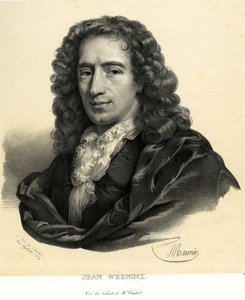
Jan Weenix
1641 - 1719 , Nederländerna
Kortfakta
- Artistic Movement Or Style: Nederländsk barock
- Artists Or Movements Influenced By This Artist: ['Maria Weenix']
- Artists Who Influenced This Artist:
- Jan Baptist Weenix
- Hendrick Vroom
- Date Of Birth: 1641
- Date Of Death: 1719
- Full Name: Jan Weenix
- Nationality: Nederländsk
- Notable Artworks:
- Jakt- och fruktstilleben
- Stilleben med en hare
- En sittande apa
- Den vita påfågeln
- Place Of Birth: Amsterdam, Nederländerna
Relaterade artiklar
Abraham Hendricksz van Beyeren: Pioneering Dutch Still Life & the Banquet Tradition
Explore the captivating world of Dutch Golden Age still life with Abraham van Beyeren. Discover his innovative techniques, symbolic banquet scenes & lasting influence on art history. Learn about collecting these masterpieces.
Jan Steen: A Master of Dutch Genre Painting & the Golden Age
Explore the life & art of Jan Steen, a leading Dutch Golden Age painter renowned for his humorous genre scenes & insightful social commentary. Discover his techniques, legacy, and collecting tips.

Jan Jansz Wijnants: A Study in Dutch Golden Age Still Life & Floral Transience
Explore the captivating world of Jan Wijnants and Dutch Golden Age still life painting. Discover symbolism, masterful techniques & lasting influence on floral art history. Learn more!

Golden Age Reflections: Dutch Baroque Painting & Cultural Innovation
Explore the Dutch Golden Age of painting! Discover key artists like Vermeer & ter Borch, their innovative techniques, and the rich cultural context behind these Baroque masterpieces. Learn about collecting & appreciating this iconic art period.

Nederländsk Barock: Topp 10 Mästerverk som Definierade Epoken – Konst & Inredning
Upptäck de 10 ikoniska mästerverken som definierade nederländsk barock! Lär känna Rembrandt, Vermeer och andra stora konstnärer. Hitta inspiration & museumkvalitativa reproduktioner på OriginalUniqueArt.com – för ditt hem eller din samling.

