Text size

() ·

A painting made for you, by hand

Gamepiece with a Dead Heron

Handgjord oljereproduktion

Handmålad olja på duk i din valda storlek och ram, tillverkad efter beställning av våra konstnärer. ( Byt till tryck Byt till digital bild)

Beskrivning av samlarobjekt

A haunting Dutch painting by Jan Weenix depicts a dead heron and other game, reflecting themes of mortality & the hunt within a rich, detailed landscape. Explore its symbolism & artistry.

Konstnärens biografi

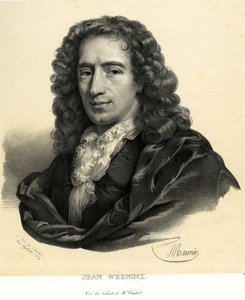
Jan Weenix (1641-1719): Nederländsk barockmästare känd för sina rikt detaljerade jaktstilleben, viltmålningar och landskap. Beundrad för sin realism och livfulla färger.

from ·

Chapter 1

How large should it be?

Slide to change the size; the picture on the left shows the frame at its real width. The proportions of the original are kept.

Standardstorlek
skräddarsydd
CM
INCH

Välj bland våra förinställda storlekar som motsvarar konstverkets ursprungliga proportioner.

bredd
höjd

Ange den bredd och höjd du behöver för att passa din ram eller din vägg. Eftersom detta är handmålat kan konstnären, vid ett annat format, måla lite mer runt bilden eller beskära den något – det är du som väljer. Vi skickar en digital mockup för godkännande innan målningen påbörjas. Bilden som visas på denna sida representerar inte det slutgiltiga resultatet — det är endast mockuppen som visar det.

Chapter 2

How should it arrive?

Choose the edges of the stretched canvas

Choose your frame

Corner sample of the WhiteWrap canvas edge finish, stretched on massivt trä bars
White Skr1
Corner sample of the BlurSideWrap canvas edge finish, stretched on massivt trä bars
Blurside Skr1
Corner sample of the ExtendedWrap canvas edge finish, stretched on massivt trä bars
Extended Skr1
Corner sample of the P118B picture frame: formgjuten polystyren, 5 cm wide and 3 cm thick
P118B Skr10
Corner sample of the P118H picture frame: formgjuten polystyren, 5 cm wide and 3 cm thick
P118H Skr10
Corner sample of the P118W picture frame: formgjuten polystyren, 5 cm wide and 3 cm thick
P118W Skr10
Corner sample of the P438Z picture frame: formgjuten polystyren, 5.5 cm wide and 3.5 cm thick
P438Z Skr10
Corner sample of the P508JH picture frame: formgjuten polystyren, 7 cm wide and 3.5 cm thick
P508JH Skr12
Corner sample of the P508YH picture frame: formgjuten polystyren, 7 cm wide and 3.5 cm thick
P508YH Skr12
Corner sample of the P805H picture frame: formgjuten polystyren, 5 cm wide and 3.5 cm thick
P805H Skr10
Corner sample of the P805Z picture frame: formgjuten polystyren, 5 cm wide and 3.5 cm thick
P805Z Skr10
Corner sample of the P919BZ picture frame: formgjuten polystyren, 7 cm wide and 3.5 cm thick
P919BZ Skr10
Corner sample of the P919G picture frame: formgjuten polystyren, 7 cm wide and 3.5 cm thick
P919G Skr10
Corner sample of the P919XJ picture frame: formgjuten polystyren, 7 cm wide and 3.5 cm thick
P919XJ Skr10
Corner sample of the P959ZH picture frame: formgjuten polystyren, 5 cm wide and 3 cm thick
P959ZH Skr10
Corner sample of the P968JZ picture frame: formgjuten polystyren, 6 cm wide and 4 cm thick
P968JZ Skr12
Corner sample of the W106C picture frame: massivt trä, 5 cm wide and 3 cm thick
W106C Skr8
Corner sample of the W218G picture frame: massivt trä, 5 cm wide and 3 cm thick
W218G Skr10
Corner sample of the W218JH picture frame: massivt trä, 5 cm wide and 3 cm thick
W218JH Skr8
Corner sample of the W218Y picture frame: massivt trä, 5 cm wide and 3 cm thick
W218Y Skr10
Corner sample of the W307PJ picture frame: massivt trä, 6 cm wide and 3 cm thick
W307PJ Skr10
Corner sample of the W316G picture frame: massivt trä, 6 cm wide and 3 cm thick
W316G Skr10
Corner sample of the W316PJ picture frame: massivt trä, 6 cm wide and 3 cm thick
W316PJ Skr8
Corner sample of the W316Y picture frame: massivt trä, 6 cm wide and 3 cm thick
W316Y Skr10
Corner sample of the W398PJ picture frame: massivt trä, 5 cm wide and 3 cm thick
W398PJ Skr8
Corner sample of the W4111J picture frame: massivt trä, 6.5 cm wide and 3.5 cm thick
W4111J Skr10
Corner sample of the W500HY picture frame: massivt trä, 7 cm wide and 5 cm thick
W500HY Skr15
Corner sample of the W500JH picture frame: massivt trä, 7 cm wide and 5 cm thick
W500JH Skr15
Corner sample of the W692G picture frame: massivt trä, 8 cm wide and 4 cm thick
W692G Skr12
Corner sample of the W849H picture frame: massivt trä, 5 cm wide and 3 cm thick
W849H Skr8
Corner sample of the W940BG picture frame: massivt trä, 7.5 cm wide and 4.5 cm thick
W940BG Skr15
Corner sample of the W953PJ picture frame: massivt trä, 6 cm wide and 3.5 cm thick
W953PJ Skr8
Corner sample of the H24-GOLD picture frame: snidad trä med gesso, 10 cm wide and 6 cm thick
H24-GOLD Skr30
Corner sample of the H24-SILVER picture frame: snidad trä med gesso, 10 cm wide and 6 cm thick
H24-SILVER Skr30
Corner sample of the H36-GOLD picture frame: snidad trä med gesso, 15 cm wide and 6.5 cm thick
H36-GOLD Skr45
Corner sample of the H36-SILVER picture frame: snidad trä med gesso, 15 cm wide and 6.5 cm thick
H36-SILVER Skr45
Förhandsvisning av ram
Inramad

Moulding: . Overall size with the frame: .

Chapter 3

Who paints it, and should anything change?

Examples of what can be changed: Replace face with customer photo; Add pet (e.g., replace cat with dog); Include hidden message in background; Change background landscape or elements.

After order, OriginalUniqueArt.com team will email client for instructions and provide a mockup preview

Leverans över hela världen () på 3–4 veckor istället för standard 5 veckor. (31 oktober). Inga kompromisser med kvaliteten.

Chapter 4

The finishing touches

A nameplate, as in a museum?

Detaljer för graverad bronsplatta

This elegant plaque features the artist's name and the title of the artwork, finely engraved for a timeless presentation.

It is made from bronze with a refined, elegant finish. The text is precisely laser-engraved for a sharp and permanent result. Measuring 9x2 cm, the plaque is compact yet easy to read. It's built to be durable and scratch-resistant, offering a professional, museum-quality look. Mounting is simple thanks to the included adhesive backing.

Detaljer för transparent akrylplatta

The plaque includes essential engraved details such as the artist's name, the title of the artwork, the date it was created, the type of media used-like oil on canvas or watercolor-a brief description of the piece, and a QR code that links to the complete artwork information.

It is crafted from clear acrylic, offering a sleek, modern appearance. The text is UV-engraved in black to ensure strong visual contrast. With a size of 10x15 cm, it ensures optimal readability. It comes equipped with two metal hooks for secure wall mounting. The plaque is designed to be weather-resistant, making it suitable for various environments, and it includes interactive features that work seamlessly with smartphone scanning.

Detaljer för svart akrylplatta

This elegant plaque includes engraved information such as the artist's name, the title of the artwork, the date it was created, the type of media used (like oil on canvas or watercolor), a short description of the artwork, and a QR code for quick access to more information.

The plaque itself is made from refined black acrylic with a premium finish. The text is laser-engraved in white for high contrast and readability. Its size is 10x15 cm, designed to be easy to read. It comes with two metal hooks for professional mounting. The design is sleek and fits any interior style. It is also weather-resistant and durable, with built-in digital integration for mobile compatibility.

A protective varnish?

When do you need it?

Chapter 5

Your painting, as you ordered it

Gamepiece with a Dead Heron

Reproduktionsmetod

Storlek på reproduktion

-

Elitkonstnär av högsta klass

Mer detaljrikedom, finess och extra produktionstid

-

Inramning av reproduktion

-

-

För konstverk eller reproduktioner som är större än 105 cm (cirka 41 tum) på någon sida, levereras ramen som ett isärplockat kit. Denna metod säkerställer en trygg leverans och förhindrar skador under transport.

Professionell montering krävs – detta är inte en produkt för självmontering.
Kitet måste monteras och duken spännas av en erfaren professionell inramare med hjälp av trälim (ingår ej), en spänntång för duk och klämmor för att hålla sargen rak medan limmet torkar. Felaktig montering eller ojämn spänning av duken kan orsaka permanenta skador på konstverket och täcks inte av vår garanti.

  • Alla massiva träribbor ingår, exakt tillkapade efter mått.

  • Monteras med de medföljande skruvarna, samt trälim för hörnfogarna, vilket inte ingår och måste anskaffas av din ramverkare.

  • Professionella verktyg krävs och ingår ej: en dukspännare och klämmor för att hålla listerna raka medan limmet torkar.

Viktigt:
Hörnjunctionerna kräver trälim, listerna måste hållas på plats med tvingar tills limmet har torkat helt, och för att spänna duken på den monterade ramen krävs en spänntång för duk. Inget av detta ingår i kitet. Vänligen kontakta en erfaren professionell rammakare innan du beställer denna storlek.

Namnskylt

-

-

Skyddande fernissa

Glansig fernissa (förstärker färgerna, skyddar mot ljus och fukt)

-

Anpassa mitt konstverk

Exempel på vad som kan ändras: Byt ut ansiktet mot ett foto från kunden; Lägg till ett husdjur (t.ex. byt ut en katt mot en hund); Inkludera ett dolt meddelande i bakgrunden; Ändra bakgrundens landskap eller detaljer.

-

Expressleverans

Leverans över hela världen () inom 3–4 veckor istället för standardiserade 5 veckor. (31 oktober). Inga kompromisser med kvaliteten.

-

Expressleverans

Leverans över hela världen () inom 5 veckor. (7 november).

Ingår

Slutgiltigt pris

Skr 3012

Totalt pris Skr 3012

Glasalternativet är endast tillgängligt i storlekar under 110 cm.

Included with every order

  • Fri expressfrakt över hela världen
  • Högkvalitativ linnecanvas
  • Fullständig fraktförsäkring
  • Garantier för återbetalning av tullavgifter
  • Garantier för exakt färgåtergivning
  • 100 dagars returrätt (endast vid fel)
  • 100% pengarna tillbaka-garanti
  • Mängdrabatt erbjuds

A Study in Mortality and Courtly Grace: Jan Weenix’s “Gamepiece with a Dead Heron”

Jan Weenix's "Gamepiece with a Dead Heron," painted in 1695, is more than just a still life; it’s a meticulously crafted tableau of aristocratic leisure intertwined with the poignant beauty of death. This remarkable canvas, now housed within The Metropolitan Museum of Art, offers a captivating glimpse into the Dutch Golden Age, revealing not only the artist's exceptional technical skill but also his astute understanding of social dynamics and the evolving aesthetics of the time. The painting immediately draws the eye to its central subject: a heron lying prone on a bed of moss, its elegant neck outstretched in a gesture both vulnerable and dignified. Around it, a carefully arranged collection of game – rabbits, partridges, and other birds – contributes to the composition’s rich tapestry of textures and colors. Yet, it's not merely a display of hunting trophies; Weenix masterfully integrates these elements into a broader scene, suggesting a sophisticated courtly setting.

The Anatomy of a Hunting Trophy: Technique and Detail

Weenix was renowned for his ability to render the textures of animal hides with astonishing realism – a skill honed through years of observation and practice. Notice the subtle variations in color and sheen across the heron’s feathers, meticulously captured with delicate brushstrokes. The artist's use of chiaroscuro—the dramatic interplay of light and shadow—further enhances the sense of depth and volume, imbuing each animal with a palpable presence. Beyond the individual animals, Weenix demonstrates an impressive command of composition, arranging the trophies in a way that feels both natural and deliberately staged. The inclusion of a large neoclassical urn, partially obscured by the fallen birds, adds a layer of formality to the scene, hinting at the wealth and status of its intended patron – likely a member of the European aristocracy. The painting’s palette is rich and earthy, dominated by browns, greens, and ochres, creating a sense of groundedness and realism that was characteristic of Dutch still life painting during this period.

Symbolism and Social Commentary: Beyond the Hunt

While ostensibly depicting a successful hunt, “Gamepiece with a Dead Heron” carries deeper symbolic weight. The presence of dead animals speaks to the transient nature of beauty and the inevitability of death – a recurring theme in Dutch Golden Age art. However, Weenix doesn’t present this mortality as morbid; instead, he frames it within the context of aristocratic leisure, suggesting that even amidst the pursuit of pleasure, death is an unavoidable aspect of life. The inclusion of figures strolling in the background—likely members of the noble class—further reinforces this idea, implying a detachment from the realities of everyday existence. The urn itself can be interpreted as a symbol of wealth and status, while its partially obscured position suggests a subtle critique of excessive materialism. It’s a delicate balancing act – celebrating the opulence of the court while simultaneously acknowledging its inherent fragility.

A Legacy of Dutch Realism: Jan Weenix and His Artistic Circle

Jan Weenix's work is inextricably linked to his father, Jan Baptist Weenix, with whom he shared a workshop and artistic vision. Both artists were masters of depicting hunting scenes and still lifes of game, but Jan Weenix developed a distinctive style characterized by greater detail, richer colors, and a more sophisticated understanding of composition. He was part of a vibrant artistic circle in Antwerp, alongside figures like Frans Snyders and Peter Paul Rubens, all of whom contributed to the flourishing of Flemish Baroque painting. His work reflects both the influence of his father’s legacy and his own innovative approach to rendering natural forms. The painting's provenance—having been seized by the Nazis during World War II and subsequently restituted to its rightful owner—adds another layer of historical significance, reminding us of the enduring power of art to transcend political boundaries. Today, reproductions of “Gamepiece with a Dead Heron” continue to captivate viewers, offering a timeless meditation on beauty, mortality, and the complexities of aristocratic life.

Frågor och svar

Vilken känsla förmedlar "Gamepiece with a Dead Heron"?

"Gamepiece with a Dead Heron" av Jan Weenix förmedlar en Melancholic emotionell ton.

Vilken teknik användes för "Gamepiece with a Dead Heron" och när skapades den?

"Gamepiece with a Dead Heron" av Jan Weenix är utförd i Acrylic On Canvas och verket är daterat 1695.

Kan jag se "Gamepiece with a Dead Heron" av Jan Weenix i olika ljus?

Röntgenvyn av "Gamepiece with a Dead Heron" av Jan Weenix finns på verkets Röntgenanalys-sida: en interaktiv undersökning av bilden genom elva optiska lager.

More about this painting

Förhandsvisa Förhandsgranska i AR Byt till tryck Byt till digital bild Skicka
Visa detaljer Guide Lägg till i favoriter Ladda ner Liknande objekt Röntgen Bildspel Q&A Statistik

In numbers

  • 1695the year it was painted
  • 29frames to choose from
  • standard sizes, in its own proportions
  • 5weeks to paint and deliver it
Jan Weenix

Jan Weenix

1641 - 1719, Nederländerna

Quick facts about Jan Weenix

  • Artistic Movement Or Style: Nederländsk barock
  • Artists Or Movements Influenced By This Artist: ['Maria Weenix']
  • Artists Who Influenced This Artist:
    • Jan Baptist Weenix
    • Hendrick Vroom
  • Date Of Birth: 1641
  • Date Of Death: 1719
  • Full Name: Jan Weenix
  • Nationality: Nederländsk
  • Notable Artworks:
    • Jakt- och fruktstilleben
    • Stilleben med en hare
    • En sittande apa
    • Den vita påfågeln
  • Place Of Birth: Amsterdam, Nederländerna

Konstnärsbiografi

Ett arv av holländsk realism: Jan Weenix liv och konst

Jan Weenix, född i Amsterdam 1641, sprang ur en släkt djupt rotad i konstnärlig tradition och ärvde sin passion för måleriet från sin far, den högt aktade Jan Baptist Weenix. Även om de exakta detaljerna kring hans tidiga år förblir något dunkla, är det tydligt att unge Jan fick sin grundläggande utbildning i sin faders verkstad. Där absorberade han de tekniker som var avgörande för att avbilda både stilleben och djurmotiv – ett kännetecken för den holländska guldålderns konstnärskap. Denna familjära påverkan var inte enbart teknisk; den ingöt en djup uppskattning för den noggranna observationen av naturen och en hängivenhet till att återge dess skönhet med slående realism. Den äldre Weenixs egen konstnärliga resa, inklusive vistelser i Italien som gav hans verk en italiensk prägel, formade utan tvivel även Jans framväxande estetik. Trots att han initialt hamnade i skuggan av sin faders rykte, lyckades Jan snabbt utmärka sig och banade en unik väg inom det livfulla landskapet av 1600-talets holländska måleri.

Den barocka stilens blomstring

Weenix konstnärliga stil blomstrade under barockens höjdpunkt och speglar epokens förkärlek för dramatik, rika detaljer och dynamisk komposition. Han arbetade inte i isolering; influenser från samtida som Hendrick Cornelisz Vroom, berömd för sina marinmålningar, och potentiellt andra djurspecialister som Melchior de Hondecoeter och Gillis Claesz d'Hondecoeter, påverkade subtilt hans angreppssätt. Weenix lyckades dock syntetisera dessa inspirationer till en stil som var helt hans egen. Hans dukar kännetecknas av en nästan fotografisk precision i återgivningen av texturer – fjädrarnas lyster, pälsens mjukhet, fruktens delikata genomskinlighet – allt uppnått genom mästerlig penselföring och en skarp förståelse för ljus och skugga. Chiaroscuro, det dramatiska samspelet mellan ljus och mörker, används för att skapa djup och visuell spänning, vilket drar betraktaren in i scenen med en fängslande realism. En levande färgpalett ger dessutom liv åt hans motiv och skänker dem en känsla av omedelbarhet och vitalitet. Han besatt en exceptionell förmåga att arrangera element inom ramen, vilket skapade balanserade och harmoniska kompositioner som är både visuellt tilltalande och berättarmässigt engagerande.

Mästerverk och mecenatskap

Under sin karriär producerade Jan Weenix en omfattande produktion som hyllades för sin tekniska briljans och sitt fängslande innehåll. Målningar som Jakt- och fruktstilleben bredvid en trädgårdsvas (1714) exemplifierar hans förmåga att sömlöst integrera olika element – viltfåglar, saftiga frukter, arkitektoniska detaljer – i en komplex och visuellt storslagen arrangemang. Stilleben med en hare och annat vilt (1697) uppvisar hans mästerskap inom djuranatomi och textur, där han fångar motivens livfullhet med anmärkningsvärd noggrannhet. Även mindre verk, såsom En sittande apa (före 1685), avslöjar hans talang för att ge djur personlighet och ett uttrycksfullt karaktärsdrag. Denna skicklighet förblev inte okänd för tidens framstående mecenater. År 1702 mottog Weenix en inbjudan till hovet hos Johann Wilhelm, kurfurste av Pfalz, där han arbetade sida vid sida med andra berömda konstnärer och skapade storslagna jaktscener för Schloss Bensberg – ett bevis på hans växande rykte och konstnärliga förmåga. Dessa uppdrag gav honom både ekonomisk trygghet och möjligheter att ytterligare förfina sina färdigheter.

Ett bestående inflytande på den holländska konsten

Jan Weenix spelade en avgörande roll i att popularisera jaktstilleben och viltmåleri under barocken, vilket lyfte dessa genrer bortom ren dekoration. Hans verk var högt eftertraktade av samlare och bidrog betydligt till utvecklingen av de holländska konsttraditionerna. Han kopierade inte bara naturen; han tolkade den genom sin unika lins och gav sina målningar en känsla av realism, drama och estetisk skönhet som resonerade djupt hos dåtidens publik. Hans arv sträcker sig bortom hans egna skapelser; hans dotter, Maria Weenix, förde familjetraditionen vidare som en skicklig blomstermålare, vilket säkerställde att namnet Weenix förblev synonymt med konstnärlig excellens i generationer framåt. Idag är Jan Weenix målningar högt värderade i museer och privata samlingar över hela världen, där de fortsätter att inspirera konstnärer och fängsla publiken med sina mästerliga skildringar av den naturliga världen – ett vittnesbörd om hans bestående bidrag till den rika väven av den holländska konsthistorien.

Kortfakta

  • Year: 1695
  • Title: Gamepiece with a Dead Heron
  • Location: Metropolitan Museum
  • Artistic style: Realism, Still Life
  • Movement: Dutch Baroque
  • Medium: Oil on canvas

Konstquiz

Det finns endast ett korrekt svar på varje fråga.

Fråga 1:
What is the primary subject depicted in Jan Weenix’s ‘Gamepiece with a Dead Heron’?
Fråga 2:
In what year was ‘Gamepiece with a Dead Heron’ painted?
Fråga 3:
Which of the following best describes Jan Weenix’s artistic style?
Fråga 4:
The painting incorporates elements of what artistic movement?
Fråga 5:
What is the significance of the urn in ‘Gamepiece with a Dead Heron’?
Utforska konstverk sorterade efter tema, stil och egenskaper.