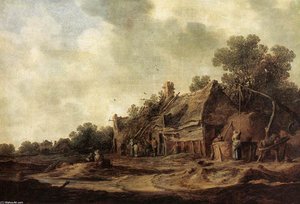
Visa i rummet
 Skicka
 Dela
Dela
 Detaljer
 Studentguide för konstverk

 Ladda ner
 Liknande objekt
 Röntgen
 Bildspel
 Besökstatistik
Beach at Scheveningen
 Acrylic On Canvas
- WallArt
- Hague School
 1646
1646 92.0 x 108.0 cm
 Museo Thyssen-Bornemisza
 Läs mer
Handgjord oljereproduktion
Handmålad olja på duk i din valda storlek och ram, tillverkad efter beställning av våra konstnärer. ( Byt till tryckta exemplar Byt till digital bildförsäljning)




P118B $10

P118H $10

P118W $10

P438Z $10

P508JH $12

P508YH $12

P805H $10

P805Z $10

P919BZ $10

P919G $10

P919XJ $10

P959ZH $10

P968JZ $12

W106C $8

W218G $10

W218JH $8

W218Y $10

W307PJ $10

W316G $10

W316PJ $8

W316Y $10

W398PJ $8

W4111J $10

W500HY $15

W500JH $15

W692G $12

W849H $8

W940BG $15

W953PJ $8




Välj bland våra förinställda storlekar som motsvarar konstverkets ursprungliga proportioner.

Du kan ange egna mått för att passa en specifik ram eller yta. Om den valda storleken inte matchar originalbildens proportioner kommer vi antingen att beskära konstverket eller utöka målningen med ytterligare handmålade element. En digital skiss skickas till dig för godkännande innan produktionen påbörjas.
Observera att förhandsvisningen på skärmen inte återspeglar den faktiska beskärningen eller utökningen. Endast skissen visar den slutgiltiga kompositionen korrekt.
Även om anpassade storlekar är möjliga, rekommenderar vi att du väljer en dimension från den fördefinierade listan för att bevara originalproportionerna.
Efter beställning kommer OriginalUniqueArt.com team att mejla kunden för instruktioner och tillhandahålla en skissförhandsvisning
Leverans över hela världen () på 3–4 veckor istället för standard 5 veckor. (25 september). Inga kompromisser med kvaliteten.

Fri expressfrakt över hela världen

Högkvalitativ linnecanvas

Fullständig fraktförsäkring

Garantier för återbetalning av tullavgifter

Garantier för exakt färgåtergivning

100 dagars returrätt vid fabrikationsfel

100% pengarna tillbaka-garanti

Mängdrabatt erbjuds
 Glasalternativet är endast tillgängligt i storlekar under 110 cm.

Beach at Scheveningen
Tryckteknik
Reproduktionsstorlek
-


Totalpris
$ 300
A Tempestuous Embrace: Jan van Goyen’s “Beach at Scheveningen”
Jan Josephszoon van Goyen's "Beach at Scheveningen," painted in 1646, isn’t merely a depiction of a coastal scene; it’s a masterful distillation of the Dutch Golden Age’s fascination with light, atmosphere, and the subtle poetry of everyday life. This painting, now residing within the Van Gogh Museum, offers a captivating glimpse into a rapidly changing world – a world where the raw power of nature coexisted harmoniously with burgeoning mercantile activity and a growing appreciation for the beauty of the Dutch landscape. The scene unfolds on the North Sea coast near The Hague, capturing a dramatic afternoon where the elements collide in a symphony of grey skies, churning waves, and the earthy tones of the beach itself. It’s a moment frozen in time, imbued with both tranquility and an underlying sense of dynamic energy.The Language of Light and Shadow
Van Goyen's genius lies not in dramatic detail or vibrant color – hallmarks of later Romanticism – but rather in his subtle manipulation of light and shadow. He eschewed the opulent palettes favored by many of his contemporaries, instead employing a restrained palette dominated by grays, browns, and greens. This deliberate limitation forces the viewer to engage with the painting on a deeper level, relying on tonal variations and atmospheric perspective to create a sense of depth and realism. The sky, a swirling mass of dark clouds, dominates the composition, casting an ethereal glow upon the sea and the beach below. Notice how the light catches the crests of the waves, transforming them into fleeting ribbons of silver against the somber backdrop. This masterful use of chiaroscuro – the interplay between light and darkness – is a defining characteristic of Van Goyen’s style, lending the scene an almost palpable sense of drama and immediacy.A Window into 17th-Century Life
“Beach at Scheveningen” offers more than just a beautiful landscape; it provides a valuable window into 17th-century Dutch society. The painting depicts a bustling beach scene, populated by fishermen preparing their boats for the day’s catch and families enjoying the seaside. The figures are rendered with remarkable economy – not through detailed portraits but rather through suggestive brushstrokes that convey their presence and activity. A group of women in white bonnets, identifiable as fishwives, stand attentively watching the men working to bring the boat ashore. This scene reflects the importance of the sea to the Dutch economy at the time, highlighting Scheveningen’s role as a vital fishing port. The inclusion of the horse-drawn cart and its team further emphasizes the connection between land and sea – the transport of goods and people that fueled the region's prosperity.Symbolism and Emotional Resonance
Beyond its historical context, “Beach at Scheveningen” resonates with profound symbolic meaning. The turbulent sea can be interpreted as a metaphor for the unpredictable nature of life itself, while the calm beach represents a moment of respite and connection to the natural world. The gathering storm in the sky foreshadows challenges and uncertainties, yet the scene also exudes a sense of resilience – a quiet determination to face whatever may come. The painting’s muted colors and atmospheric perspective evoke a feeling of melancholy and contemplation, inviting viewers to reflect on their own place within the vastness of existence. It's a reminder that even in moments of apparent chaos, there is an underlying beauty and harmony to be found.A Timeless Masterpiece
“Beach at Scheveningen” stands as a testament to Jan van Goyen’s extraordinary talent and his profound understanding of the Dutch landscape. It’s a painting that rewards repeated viewing, revealing new nuances and subtleties with each encounter. Whether admired for its technical brilliance, historical significance, or emotional depth, this work remains a cornerstone of Dutch Golden Age art – a timeless masterpiece that continues to captivate audiences centuries after its creation. Reproductions offer an accessible way to bring this evocative scene into your home, allowing you to experience the tranquility and drama of Van Goyen’s vision firsthand.Om konstnären
Jan van Goyen (1596 - 1656)
Jan Josephsz. van Goyen was one of the most gifted landscapists in the Netherlands during the early 17th century, a true pioneer who reshaped how artists perceived and represented the natural world. Born on January 13, 1596, in Leiden, he began his artistic journey at a young age – ten years old – apprenticing under Esaias van de Velde in Haarlem, establishing a foundation for his distinctive style that would endure throughout his prolific career. This formative training instilled within him a meticulous attention to detail and an unwavering dedication to capturing the subtle nuances of Dutch landscapes.Dutch Painting: A Revolutionary Approach
Van Goyen’s artistic vision stood apart from many of his contemporaries who favored opulent color palettes and elaborate compositions. Instead, he championed a revolutionary aesthetic characterized by simplicity, tonal variations—primarily grays, browns, and greens—and an understated palette that prioritized capturing the essence of Dutch scenery. He deliberately distanced himself from prevailing trends, focusing on conveying mood and atmosphere rather than mere visual spectacle. This approach profoundly influenced subsequent generations of landscape painters, establishing him as a cornerstone of Dutch Golden Age art.Prolific Output and Masterpieces
Throughout his lifetime, Van Goyen produced an astonishing output – approximately twelve hundred paintings and over one thousand drawings—a testament to his unwavering passion for artistic creation. Among his most celebrated works are *River Landscape with Windmill*, an iconic depiction of Dutch rural life that exemplifies his tonal landscapes; and *Fishermen by the Lakeshore*, showcasing his remarkable ability to portray serene waterscapes bathed in soft, diffused light. He frequently depicted scenes of rivers, lakes, dunes, and expansive skies—the very heartland of Holland—capturing their unique character with breathtaking accuracy. His meticulous observation of nature’s subtleties cemented his reputation as one of the era's foremost artists.Influences and Artistic Legacy
While Van Goyen drew inspiration from Esaias van de Velde, he forged his own path, establishing himself as a teacher and mentor to artists like Jan Steen—a student who would become renowned for his genre paintings. His emphasis on realism and atmospheric effects profoundly impacted the artistic landscape of his time, shaping the sensibilities of future painters and ensuring that Van Goyen’s legacy continues to resonate today. He wasn't merely reproducing what he saw; he was transforming it into something emotionally resonant and intellectually stimulating—a feat rarely achieved by artists of his era. ## Financial Struggles and Final Years Despite his artistic success, Jan van Goyen faced considerable hardship throughout his life. He pursued diverse business ventures – including tulip speculation during the infamous Tulip Mania – and invested heavily in real estate, endeavors that often resulted in substantial debts. Tragically, he died insolvent on April 27, 1656, in The Hague, leaving behind a legacy overshadowed by financial difficulties. Yet, his enduring contribution to Dutch landscape art—a testament to his unwavering dedication and artistic genius—remains an indelible mark on the history of European painting.
Jan van Goyen
1596 - 1656 , Nederland
Snabbfakta
- Artistic Movement Or Style: Dutch Golden Age painting
- Artists Or Movements Influenced By This Artist: Jan Steen
- Artists Who Influenced This Artist: Esaias van de Velde
- Date Of Birth: January 13, 1596
- Date Of Death: April 27, 1656
- Full Name: Jan Josephszoon van Goyen
- Nationality: Dutch
- Notable Artworks:
- River Landscape with Windmill
- Fishermen by the Lakeshore
- Place Of Birth: Leiden, Netherlands
Relaterade artiklar
Cornelis van Poelenburch: Bridging Mannerism & the Dutch Baroque Landscape
Discover Cornelis van Poelenburch, a pivotal Dutch Baroque landscape painter bridging Mannerism & Italianate styles. Explore his life, key works, and lasting influence on 17th-century art with OriginalUniqueArt.

Jan van Goyen: Master of Dutch Landscape & Atmospheric Perspective
Discover Jan van Goyen, the master of Dutch landscape painting. Explore his subtle technique, atmospheric realism & lasting influence on art history. Learn about this 17th-century pioneer at OriginalUniqueArt.
Jacob van Ruisdael: Master of Dutch Landscape & the Evocation of National Identity
Explore the life & work of Jacob van Ruisdael, the preeminent Dutch landscape painter. Discover his technical brilliance, symbolic depth, and lasting influence on art history. Learn about collecting Ruisdael's masterpieces.

Rembrandts 25 Mästerverk: En Konsthistorisk Resa för Hemmet
Utforska Rembrandts 25 mest ikoniska målningar! Lär känna historien bakom mästerverken, hans unika teknik och barockens ljusspel. Köp exklusiva konsttryck & tavlor online på OriginalUniqueArt.com – för en tidlös inredning.

Golden Light & Dutch Skies: The Timeless Magic of Dutch Golden Age Landscapes
Discover the breathtaking beauty of Dutch Golden Age landscapes. Explore the mastery of light, chiaroscuro, and 17th-century realism through an expert art history lens, celebrating the enduring legacy of the Dutch Masters for discerning collectors and art lovers.