
() ·
En målning skapad för dig, för hand
Handgjord oljereproduktion
Handmålad olja på duk i din valda storlek och ram, tillverkad efter beställning av våra konstnärer. ( Byt till tryck Byt till digital bild)
Beskrivning av samlarobjekt
Explore Jacques Callot’s 'Landscape,' a detailed 17th-century monochrome print showcasing rural tranquility & linear perspective. A masterful example of topographical illustration.
Konstnärens biografi
Jacques Callot (1592-1635) var en barockgrafiker känd för sina dramatiska etsningar av krig, hovliv och vardagsscener. En pionjär inom gamla mästares tryck som påverkade konstnärer som Goya med sina detaljerade skildringar.
 Visa mer
från ·
Kapitel 1
Vilken storlek bör det ha?
Glid för att ändra storlek; bilden till vänster visar ramen i dess verkliga bredd. Originalets proportioner bibehålls.
Välj bland våra förinställda storlekar som motsvarar konstverkets ursprungliga proportioner.

Ange den bredd och höjd du behöver för att passa din ram eller din vägg. Eftersom detta är handmålat kan konstnären, vid ett annat format, måla lite mer runt bilden eller beskära den något – det är du som väljer. Vi skickar en digital mockup för godkännande innan målningen påbörjas. Bilden som visas på denna sida representerar inte det slutgiltiga resultatet — det är endast mockuppen som visar det.
Kapitel 2
Hur vill du att den ska levereras?
Välj kanter för den uppspända duken
Välj din ram

Vit kant Skr1

Suddig kantfinish Skr1

Fortsatt motiv Skr1

P118B Skr10

P118H Skr10

P118W Skr10

P438Z Skr10

P508JH Skr12

P508YH Skr12

P805H Skr10

P805Z Skr10

P919BZ Skr10

P919G Skr10

P919XJ Skr10

P959ZH Skr10

P968JZ Skr12

W106C Skr8

W218G Skr10

W218JH Skr8

W218Y Skr10

W307PJ Skr10

W316G Skr10

W316PJ Skr8

W316Y Skr10

W398PJ Skr8

W4111J Skr10

W500HY Skr15

W500JH Skr15

W692G Skr12

W849H Skr8

W940BG Skr15

W953PJ Skr8

H24-GOLD Skr30

H24-SILVER Skr30

H36-GOLD Skr45

H36-SILVER Skr45
Inramad
Profil: . Total storlek inklusive ram: .
Kapitel 3
Vem målar det, och bör något ändras?
Efter beställning kommer OriginalUniqueArt.com team att skicka ett e-postmeddelande till kunden för instruktioner och tillhandahålla en förhandsvisning av utkastet
Leverans över hela världen () på 3–4 veckor istället för standard 5 veckor. (4 november). Inga kompromisser med kvaliteten.
Kapitel 4
De sista detaljerna
En skylt, precis som på ett museum?
Detaljer för graverad bronsplatta
This elegant plaque features the artist's name and the title of the artwork, finely engraved for a timeless presentation.
It is made from bronze with a refined, elegant finish. The text is precisely laser-engraved for a sharp and permanent result. Measuring 9x2 cm, the plaque is compact yet easy to read. It's built to be durable and scratch-resistant, offering a professional, museum-quality look. Mounting is simple thanks to the included adhesive backing.
Detaljer för transparent akrylplatta
The plaque includes essential engraved details such as the artist's name, the title of the artwork, the date it was created, the type of media used-like oil on canvas or watercolor-a brief description of the piece, and a QR code that links to the complete artwork information.
It is crafted from clear acrylic, offering a sleek, modern appearance. The text is UV-engraved in black to ensure strong visual contrast. With a size of 10x15 cm, it ensures optimal readability. It comes equipped with two metal hooks for secure wall mounting. The plaque is designed to be weather-resistant, making it suitable for various environments, and it includes interactive features that work seamlessly with smartphone scanning.
Detaljer för svart akrylplatta
This elegant plaque includes engraved information such as the artist's name, the title of the artwork, the date it was created, the type of media used (like oil on canvas or watercolor), a short description of the artwork, and a QR code for quick access to more information.
The plaque itself is made from refined black acrylic with a premium finish. The text is laser-engraved in white for high contrast and readability. Its size is 10x15 cm, designed to be easy to read. It comes with two metal hooks for professional mounting. The design is sleek and fits any interior style. It is also weather-resistant and durable, with built-in digital integration for mobile compatibility.
Ett skyddande fernissa?
När behöver du den?
Kapitel 5
Din målning, precis som du beställt den

Landscape
Reproduktionsmetod
Storlek på reproduktion
-

Elitkonstnär av högsta klass
Mer detaljrikedom, finess och extra produktionstid
-

Inramning av reproduktion
-
-
För konstverk eller reproduktioner som är större än 105 cm (cirka 41 tum) på någon sida, levereras ramen som ett isärplockat kit. Denna metod säkerställer en trygg leverans och förhindrar skador under transport.
Professionell montering krävs – detta är inte en produkt för självmontering.
Kitet måste monteras och duken spännas av en erfaren professionell inramare med hjälp av trälim (ingår ej), en spänntång för duk och klämmor för att hålla sargen rak medan limmet torkar. Felaktig montering eller ojämn spänning av duken kan orsaka permanenta skador på konstverket och täcks
 För konstverk eller reproduktioner som är större än 105 cm (cirka 41 tum) på någon sida, levereras ramen som ett isärplockat kit. Denna metod säkerställer en trygg leverans och förhindrar skador under transport.
Alla massiva träribbor ingår, exakt tillkapade efter mått.
Monteras med de medföljande skruvarna, samt trälim för hörnfogarna, vilket inte ingår och måste anskaffas av din ramverkare.
Professionella verktyg krävs och ingår ej: en dukspännare och klämmor för att hålla listerna raka medan limmet torkar.
Viktigt:
Hörnjunctionerna kräver trälim, listerna måste hållas på plats med tvingar tills limmet har torkat helt, och för att spänna duken på den monterade ramen krävs en spänntång för duk. Inget av detta ingår i kitet. Vänligen kontakta en erfaren professionell rammakare innan du beställer denna storlek.

Namnskylt
-
-

Skyddande fernissa
Glansig fernissa (förstärker färgerna, skyddar mot ljus och fukt)
-

Anpassa mitt konstverk
Exempel på vad som kan ändras: Byt ut ansiktet mot ett foto från kunden; Lägg till ett husdjur (t.ex. byt ut en katt mot en hund); Inkludera ett dolt meddelande i bakgrunden; Ändra bakgrundens landskap eller detaljer.
-

Expressleverans
Leverans över hela världen () inom 3–4 veckor istället för standardiserade 5 veckor. (4 november). Inga kompromisser med kvaliteten.
-
Expressleverans
Leverans över hela världen () inom 5 veckor. (11 november).
Ingår
Slutgiltigt pris
Skr 2998
Glasalternativet är endast tillgängligt i storlekar under 110 cm.
Ingår i varje beställning
- Fri expressfrakt över hela världen
- Högkvalitativ linnecanvas
- Fullständig fraktförsäkring
- Garantier för återbetalning av tullavgifter
- Garantier för exakt färgåtergivning
- 100 dagars returrätt (endast vid fel)
- 100% pengarna tillbaka-garanti
- Mängdrabatt erbjuds


 Förhandsvisa
 Skicka
 Dela
Dela
 Visa detaljer
 Guide
Guide

 Ladda ner
 Liknande objekt
 Röntgen
 Bildspel
 Frågor och svar
 Statistik
I siffror
- 29ramar att välja mellan
- standardstorlekar, i sina egna proportioner
- 5veckor att måla och leverera
Om originalet


Jacques Callot
1592 - 1635, Frankrike
Snabbfakta om Jacques Callot
- Artistic Movement Or Style: Barockets etsning
- Artists Or Movements Influenced By This Artist: ['Rembrandt']
- Artists Who Influenced This Artist: ['Philippe Thomassin']
- Date Of Birth: ca 1592
- Date Of Death: 1635
- Full Name: Jacques Callot
- Nationality: Fransk
- Notable Artworks:
- Den heliga familjen vid bordet
- Scen ur Grandes Misères de la Guerre
- Landskap
- Place Of Birth: Lorraine, Frankrike
Konstnärsbiografi
Den etsade linjens mästare: Jacques Callots liv och arv
I barockens storslagna väv är få trådar så fina eller så genomträngande detaljerade som de som vävts av Jacques Callot. Som en virtuos som valde bort oljemåleriets breda penseldrag till förmån för etsnålens precisa och bitande kraft, förvandlade Callot grafiken från ett sekundärt hantverk till ett djupsinnigt medium för social kommentar och teknisk briljans. Han föddes i regionen Lorraine omkring sci 1592, och hans resa var en berättelse om rörelse och metamorfos, som förde honom från sin adliga uppväxts privilegierade salar till de livfulla och ofta kaotiska gatorna i Rom och Florens. Han nöjde sig inte med att bara dokumentera historien; han etsade dess själ i kopparplåtarna och fångade mänskligt lidandes flyktiga skuggor och hovlivets prakt med lika stor intensitet.
Callots konstnärliga utveckling formades djupt av hans resor genom Europa, vilket lät honom absorbera det sjuttonde århundradets mångfacetterade texturer. Hans tidiga utbildning i Nancy gav en grund av disciplin, men det var vistelsen i Italien som verkligen tände hans geni. Under ledning av mästare som Philipp Tessmann i Rom, och senare inom de prestigefyllda verkstäderna i Florens, lärde sig Callot att förena renässansens humanistiska ideal med barockens dramatiska och emotionella tyngd. Hans tjänst vid Medici-hovet gav honom en oöverträffad tillgång till den aristokratiska kulturens höjder, men han förblev en skarp observatör av världen under den förgyllda ytan, där han dokumenterade stadslivets smuts och slit med en orubblig blick.
Teknisk revolution och échoppen
Det som verkligen skilde Callot från hans samtida var hans revolutionerande inställning till själva mediet. Före Callot saknade etsningen ofta den tonala djup och varierade linjevikt som kännetecknar traditionellt kopparstick. Han överbryggade denna klyfta genom en briljante teknisk innovation: skapandet av échoppe. Denna specialiserade etsnål, med sin ovala spets, gjorde det möjligt för honom att manipulera trycket i draget för att skapa linjer som svällde och smalnade av. Detta genombrott gjorde att han kunde efterlikna kopparstickarens eleganta och varierande linjebredd, vilket gav hans tryck en ny nivå av skulptural dimension och flytande rörelse. Genom denna mästerskap uppnådde han en detaljrikedom som kunde återge en adelsmans spetskrage eller ett slagfälts skrämmande, taggiga texturer med exakt samma precision.
Denna tekniska skicklighet möjliggjorde ett oöverträffat spektrum av motiv, främst i hans hyllade serier som dokumenterar mänsklighetens mörkare sidor. Hans verk fungerar ofta som ett visceralt fönster in i Krigets fasor, där han fångade konfliktens råa och kaotiska våld. I mästerverk som Le Pillage kastas betraktaren in i en värld av oordning och förstörelse, där nålens fina linjer förmedlar den febriga energin i ett landskap i uppror. Omvänt är hans förmåga att fånga ljus och teatralitet tydlig i verk som Interlude in the Medici Theater, där de intrikata kompositionerna frammanar den livfulla, iscensatta magin från renässansens föreställningar.
Ett bestående avtryck på konsthistorien
Jacques Callots historiska betydelse sträcker sig långt bortom det sjuttonde århundradets gränser. Han var en pionjär inom vad vi idag erkänner som "gamla mästares grafik", och etablerade en standard för narrativ komplexitet och tekniskt utförande som skulle inspirera generationer av grafiker. Hans inflytande kan spåras genom århundradena, mest märkbart i Francisco Goyas verk, som delade Callots förmåga att använda det grafiska mediet för att utforska de mörkare och mer groteska aspekterna av det mänskliga tillståndet. Genom att höja etsnålen till ett verktyg med djup psykologisk och social tyngd, säkerställde Callot att hans vision skulle bestå.
Slutligen förblir Callots samlade verk en hjärtskärande vacker paradox: det är både en noggrann dokumentation av historisk brutalitet och en hyllning till konstnärlig finess. Oavsett om han skildrade den grymma verkligheten i La Roue (Bränningen på hjul) eller den delikata elegansen i en hovdans, besitter hans tryck en tidlös kvalitet som överskrider deras egen era. Han förblir en unik röst i barockens kanon – en mästare som fann det oändliga i det oändligt lilla, och bevisade att även den minsta etsade linje kan bära hela världens tyngd.
Relaterade artiklar

Romantiska landskap: Topp 10 mästerverk som definierade en epok – OriginalUniqueArt.se
Utforska de 10 mest ikoniska mästerverken inom romantisk landskapsmålning! Lär känna Caspar David Friedrich, Turner & andra. Hitta inspiration och köp museumkvalitativa konsttryck på OriginalUniqueArt.com.

John Constables 25 Mästerverk: En Konstnärlig Resa i Det Engelska Landskapet | OriginalUniqueArt
Utforska John Constables 25 mest ikoniska målningar – romantikens mästare av det engelska landskapet. Upptäck historien, tekniken & skönheten i verk som 'Hay Wain'. Köp exklusiva konsttryck på OriginalUniqueArt.com.
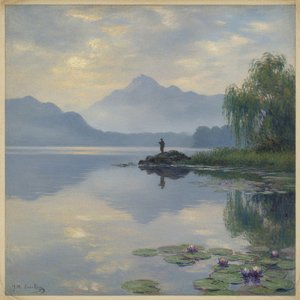
Capturing Stillness: A Curated Exploration of the Most Iconic Lake Landscapes in Art History
Journey through art history's most serene lake landscapes. From Romantic vistas to light-drenched Impressionist waters, discover the stories behind these iconic masterpieces and find museum-quality, hand-painted oil reproductions for your private collection.

Evocations of Place: A Historical Journey Through Landscape Art
Explore the rich history of landscape art with OriginalUniqueArt. Discover renowned artists, movements like Impressionism & tonalism, and expert guidance for collecting timeless pieces. Find your perfect serene escape today!