
 Visa i rummet
 Skicka
 Dela
Dela
 Detaljer
 Studentguide för konstverk

 Ladda ner
 Liknande objekt
 Röntgen
 Bildspel
 Besökstatistik
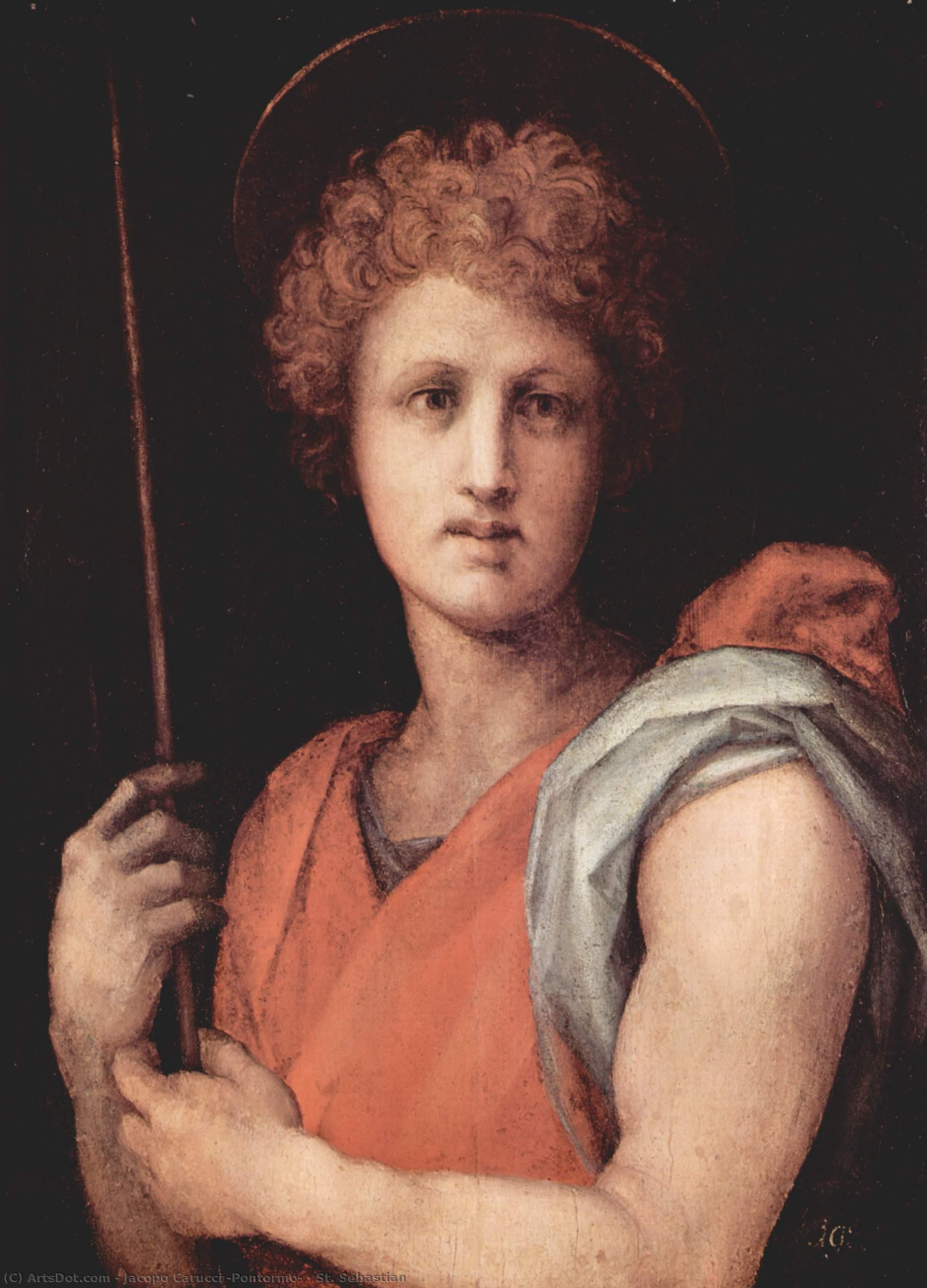
St. Sebastian


 Läs mer
Handgjord oljereproduktion
Handmålad olja på duk i din valda storlek och ram, tillverkad efter beställning av våra konstnärer. ( Byt till tryckta exemplar Byt till digital bildförsäljning)




P118B Skr10

P118H Skr10

P118W Skr10

P438Z Skr10

P508JH Skr12

P508YH Skr12

P805H Skr10

P805Z Skr10

P919BZ Skr10

P919G Skr10

P919XJ Skr10

P959ZH Skr10

P968JZ Skr12

W106C Skr8

W218G Skr10

W218JH Skr8

W218Y Skr10

W307PJ Skr10

W316G Skr10

W316PJ Skr8

W316Y Skr10

W398PJ Skr8

W4111J Skr10

W500HY Skr15

W500JH Skr15

W692G Skr12

W849H Skr8

W940BG Skr15

W953PJ Skr8




Välj bland våra förinställda storlekar som motsvarar konstverkets ursprungliga proportioner.

Ange den bredd och höjd du behöver för att passa din ram eller din vägg. Eftersom detta är handmålat kan konstnären vid en annan form måla lite mer runt bilden eller beskära den något – du väljer själv. Vi skickar en digital mockup för godkännande innan målningen påbörjas. Bilden som visas på denna sida representerar inte det slutgiltiga resultatet — det är endast mockuppen som visar det.
Efter beställning kommer OriginalUniqueArt.com team att mejla kunden för instruktioner och tillhandahålla en skissförhandsvisning
Leverans över hela världen () på 3–4 veckor istället för standard 5 veckor. (24 oktober). Inga kompromisser med kvaliteten.

Fri expressfrakt över hela världen

Högkvalitativ linnecanvas

Fullständig fraktförsäkring

Garantier för återbetalning av tullavgifter

Garantier för exakt färgåtergivning

100 dagars returrätt vid fabrikationsfel

100% pengarna tillbaka-garanti

Mängdrabatt erbjuds
 Glasalternativet är endast tillgängligt i storlekar under 110 cm.

St. Sebastian
Tryckteknik
Reproduktionsstorlek
-


Totalpris
Skr 2973
A Portrait of Spiritual Anguish: Unveiling Jacopo Pontormo’s St. Sebastian
Jacopo Pontormo's 1515 depiction of Saint Sebastian is not merely a portrait; it’s an immersion into the heart of Mannerist emotion, a profound exploration of faith, suffering, and the human condition. Painted during a period of artistic upheaval—a deliberate departure from the idealized beauty of the High Renaissance—Pontormo crafted a work that anticipates the dramatic intensity of the Baroque while retaining a distinctly personal and haunting quality. The painting immediately commands attention with its stark contrast: a dark, almost impenetrable background against which the figure of St. Sebastian is rendered in rich, warm hues, creating an immediate sense of isolation and vulnerability.
The composition itself is meticulously constructed, adhering to the pyramidal structure favored by Renaissance artists but imbued with a subtle instability that speaks to the era’s fascination with ambiguity. St. Sebastian's head, centrally positioned, dominates the canvas, his gaze direct and unwavering – an invitation, perhaps, or a plea for understanding. The crossed arms, a gesture of both defense and acceptance, suggest a man caught between earthly suffering and divine grace. The halo encircling his head is not a symbol of triumphant victory but rather a quiet acknowledgment of his martyrdom, a subtle reminder of the spiritual weight he carries.
The Language of Mannerism: Color, Line, and Emotion
Pontormo’s masterful use of color is central to the painting's emotional impact. The dominant palette—deep reds, oranges, and earthy terracotta tones—evokes a sense of warmth and vitality, yet this is immediately tempered by the surrounding darkness. These warm hues are juxtaposed against cooler blues and whites in the draped fabric, creating visual tension and highlighting the figure’s isolation. The artist employs a technique known as *sfumato*, subtly blurring lines and edges to create an atmosphere of ethereal softness—a hallmark of Mannerism. Lines are deliberately soft and blended, avoiding sharp definition; this contributes significantly to the painting's overall sense of fluidity and emotional intensity.
Furthermore, Pontormo’s manipulation of light is particularly noteworthy. It isn’t a dramatic spotlight but rather a diffused illumination that seems to emanate from multiple sources, gently sculpting St. Sebastian’s form and emphasizing his face. This subtle lighting creates a sense of depth and volume while simultaneously flattening the space, drawing the viewer's attention solely to the figure himself. The textures are rendered with remarkable delicacy—the smooth skin, the flowing fabric—suggesting an almost tactile quality that invites close observation.
Symbolism and Historical Context: A Bridge Between Eras
Beyond its aesthetic qualities, St. Sebastian’s image is rich in symbolic meaning. As a martyr for his Christian faith, he represents sacrifice, endurance, and the triumph of spirit over adversity. The arrows piercing his body are not merely depictions of physical pain but potent symbols of spiritual wounds—a visual representation of the suffering endured by all believers. The painting reflects the turbulent religious climate of 16th-century Florence, a city grappling with political instability and religious reform. Pontormo’s embrace of Mannerism can be seen as a response to the perceived rigidity of the High Renaissance, a willingness to explore subjective experience and emotional intensity.
Born Jacopo Carucci in Pontorme, Tuscany, around 1494, Pontormo was a pivotal figure bridging the Renaissance and Baroque eras. His life was marked by both artistic brilliance and personal tragedy – a loss of his wife and children profoundly impacting his work. This experience undoubtedly contributed to the melancholic tone that permeates St. Sebastian, transforming it into a timeless meditation on grief, faith, and the enduring power of the human spirit.
A Timeless Masterpiece: Reproduction and Beyond
Reproductions of Jacopo Pontormo’s *St. Sebastian* offer an exceptional opportunity to experience this profoundly moving work firsthand. The meticulous detail, evocative color palette, and masterful composition are faithfully captured in high-quality reproductions, allowing viewers to appreciate the artist's genius from any vantage point. Whether adorning a grand salon or a more intimate space, this painting continues to resonate with its powerful message of resilience and spiritual depth.
Frågor och svar
Hur gammal var Pontormo när hen skapade "St. Sebastian"?
När "St. Sebastian" skapades år 1515, var Pontormo – född 1494 – 21 år gammal.
Kan jag se en röntgenbild av "St. Sebastian" av Pontormo?
Röntgen-sidan för "St. Sebastian" av Pontormo är en interaktiv visare som låter dig bläddra genom elva optiska lager av konstverkets bild, inklusive en vy i röntgenstil.
Var placerar sig "St. Sebastian" i förhållande till Pontormos samlade konstnärskap?
Inom Pontormos produktion är "St. Sebastian" skapad i Mannerist Painting-stil, med de återkommande temana renaissance mannerism, emotional intensity, christian martyrdom, spiritual themes, religious iconography, symbolism rich, pontormo’s unique style, innovation”.
Om konstnären
Jacopo Pontormo (1494 – 1557/7): En brygga mellan Renässans och Barockens uttryck
Jacopo Pontormo, född Jacopo Carucci i Pontorme, Toscana, omkring 1494, är enika figur inom den florentinska Manneriströrelsen – en målare som trotsade konventionerna och skapade sin egen väg mot konstnärlig innovation. Till skillnad från många av sina samtida som strävade efter idealiserad skönhet rotad i klassiska idéer, omfamnade Pontormo känslomässig intensitet och psykologisk komplexitet, vilket gjorde honom till en nyckelperson för att brobygga mellan den lugna prakten hos den höga Renässansen och den dramatiska dynamiken i Barocktiden. Hans liv präglades av både talangfullt geni och personlig tragedi, vilket formade hans verk till ett testamente över konstnärligt synsätt tempererat av djup sorg. Tidiga utbildningar och inflytande: Pontormos tidiga år spenderades under Domenico del Pollaiuolos och Michelangelos vägledning – konstnärer vars maktfulla anatomi och skulpturala form hade en djupgående inverkan på hans stilistiska utveckling. Även om han erkände Renässansens arv, avvek Pontormo snabbt från dess strikta formalism, och sökte sig istället mot ett mer uttrycksfullt tillvägagångssätt informerat av norra europeiska konsttraditioner. Han studerade Dürers gravyrer, absorberade tekniker för att förmedla känslor genom stiliserade bilder och kompositionsinnovation. Denna exponering för nordlig Mannerism skulle visa sig vara avgörande för att forma hans distinkta visuella språk.Manneristisk stil
Pontormos konstnärliga genombrott inträffade runt 1515 med uppdraget att måla “Besökelsen” (Visitation) för Santissima Annunziata i Arezzo – ett målning som omedelbart etablerade honom som en mästare inom Manneristestetik. Karaktäriserad av utsträckta figurer, flattade perspektiv och virvlande draperier fyllda med livfulla färger, förkastade Pontormos stil den renässansmässiga besattheten av anatomisk noggrannhet och harmoniska proportioner. Istället prioriterade han att förmedla psykologiska tillstånd – förtvivlan, sorg, extas – genom förvrängda former och tvetydiga rumsliga relationer. Detta medvetna avvikande från etablerade konventioner signalerade en radikal omprövning av konstnärlig representation, vilket antydde den dramatiska innovation som skulle definiera Barocktiden. Han var särskilt intresserad av att skapa en känsla av rörelse och dynamik i sina verk, något som skiljer sig markant från de mer statiska och balanserade bilderna som var vanliga under Renässansen.En liv präglad av sorg
Pontormos liv var inte bara fyllt av konstnärlig briljans utan också av personliga tragedier. Hans första fru dog kort efter födelsen av deras gemensamma barn, och hans andra fru dog några år senare under mystiska omständigheter. Dessa förluster präglade hans verk med en melankolisk ton och en känsla av sårbarhet som genomsyrar många av hans mest kända målningar. Det är troligt att denna personliga sorg bidrog till den känslomässiga intensitet och psykologiska komplexitet som kännetecknar hans konst.Viktiga verk och arv
Pontormos produktion omfattade en mångfald av ämnen – religiösa scener, porträtt och mytologiska kompositioner – alla fyllda med hans karakteristiska Manneristiska estetik. Bland hans mest berömda målningar finns “Josephs mantel såld till egyptierna”, “Nedstigningen från korset” och “Sankt Franciscus som tar emot spetsen” – verk som exemplifierar hans skickliga manipulation av färg, ljus och textur för att väcka djupa känslor. Hans porträtt, särskilt de som porträtterar medlemmar i Florens Medici-familj, avslöjar en skarp förståelse för psykologisk nyans och en subtil engagemang med Manneristiska stilkonventioner. Pontormo var inte bara en mästare på sin egen tid utan också en mentor för yngre konstnärer – inklusive Agnolo Bronzino – som vidareutvecklade hans innovativa vision till nästa generation florentinska målare. Hans arv ligger inte bara i hans individuella mästerverk utan också i hans roll som katalysator för konstnärlig experimentering och en herald för stilistiska förändringar – ett testamente över hans bestående bidrag till europeisk konsthistoria. Pontormos verk fortsätter att fascinera forskare och connoisseurs, vilket leder till pågående debatter om naturen av Manneristestetik och dess relation till bredare kulturella trender. Museer runt om i världen visar reproduktioner av hans målningar – inklusive de som finns i Uffizi-galleriet i Florens – vilket gör det möjligt för besökare att uppleva kraften i hans konstnärliga vision förstår.
Pontormo
1494 - 1557 , Italien
Snabbfakta
- Artistic Movement Or Style: Mannerism
- Artists Or Movements Influenced By This Artist:
- Renaissance
- Baroque
- Artists Who Influenced This Artist:
- Leonardo da Vinci
- Michelangelo
- Date Of Birth: 1494
- Date Of Death: 1557/7
- Full Name: Jacopo Pontormo
- Nationality: Italienare
- Notable Artworks:
- Besökelsen
- Deposition
- Place Of Birth: Pontorme, Italien
Relaterade artiklar

The Enduring Legacy of Oil on Canvas: Technique, History & Aesthetic Impact
Explore the rich history & techniques of oil painting – from Renaissance masters to Impressionism. Discover pigments, layering methods, and why this timeless medium endures. Expert insights for artists & art enthusiasts.

El Grecos 25 Mästerverk: En Konsthistorisk Resa för Hemmet & Själens Frid
Utforska El Grecos 25 mest ikoniska tavlor! Fördjupa dig i spansk renässanskonst, dramatik och sakrala motiv. Köp högkvalitativa konsttryck & inred med tidlösa mästerverk från OriginalUniqueArt.com.
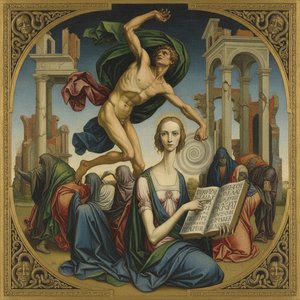
Beyond Perfection: The Dramatic Elegance and Intellectual Tension of Renaissance Mannerism
Explore the captivating world of Renaissance Mannerism. Discover how artists moved beyond High Renaissance harmony into a realm of elegant distortion, psychological tension, and dramatic beauty that bridged the gap to the Baroque era.

The Enduring Power of Painting: A Historical & Contemporary Exploration of Form and Emotion
Explore the rich history & enduring techniques of oil painting with OriginalUniqueArt. Discover masterpieces, learn about art collecting, and find authentic handmade reproductions crafted by skilled artists.

Olja på duk: En tidlös teknik – Historik, process och konstnärliga möjligheter
Utforska oljemålningskonsten! Lär dig om flamländsk teknik, materialval och historisk utveckling. Expertguider för både nybörjare och erfarna konstnärer – bevara dina målningar med bästa praxis.


