
 Förhandsvisa
 Skicka
 Dela
Dela
 Visa detaljer
 Guide
Guide

 Ladda ner
 Liknande objekt
 Röntgen
 Bildspel
 Frågor och svar
 Statistik
Satyr and Peasant

- 195.0 x 204.0 cm


 Visa mer
Giclée / Konsttryck
Giclée- eller canvasprint av museumskvalitet med snabb produktion och flexibla ytbehandlingsalternativ. ( Beställ handmålad reproduktion Byt till digital bild)




P118B Skr10

P118H Skr10

P118W Skr10

P438Z Skr10

P508JH Skr12

P508YH Skr12

P805H Skr10

P805Z Skr10

P919BZ Skr10

P919G Skr10

P919XJ Skr10

P959ZH Skr10

P968JZ Skr12

W106C Skr8

W218G Skr10

W218JH Skr8

W218Y Skr10

W307PJ Skr10

W316G Skr10

W316PJ Skr8

W316Y Skr10

W398PJ Skr8

W4111J Skr10

W500HY Skr15

W500JH Skr15

W692G Skr12

W849H Skr8

W940BG Skr15

W953PJ Skr8




Välj bland våra förinställda storlekar som motsvarar konstverkets ursprungliga proportioner.

Ange den bredd och höjd du behöver för att passa din ram eller vägg. Ett tryck kan endast beskäras, aldrig göras större än originalbilden, vilket innebär att ett format med en annan proportion leder till att en del av bilden går förlorad. Vi skickar en digital mockup för godkännande innan vi påbörjar tryckningen. Bilden som visas på denna sida visar inte den faktiska beskärningen — det är endast mockuppen som gör det.
Leverans över hela världen () på 2 veckor istället för standard 4/5 veckor. (4 november)

Fri expressfrakt över hela världen

Högkvalitativ linnecanvas

Fullständig fraktförsäkring

Garantier för återbetalning av tullavgifter

Garantier för exakt färgåtergivning

100 dagars returrätt (endast vid fel)

100% pengarna tillbaka-garanti

Mängdrabatt erbjuds
 Glasalternativet är endast tillgängligt i storlekar under 110 cm.

Satyr and Peasant
Giclée / Konsttryck
Storlek på reproduktion
-


Slutgiltigt pris
Skr 813
The Satyr and the Peasant: A Flemish Baroque Masterpiece
Jacob Jordaens’ “Satyr and the Peasant,” painted around 1620, isn't merely a depiction of a tavern scene; it’s a vibrant embodiment of Flemish life, a shrewd commentary on human nature, and a testament to the artist’s masterful command of light, color, and storytelling. This monumental work, now housed in the Alte Pinakothek in Munich, immediately draws the viewer into a bustling interior filled with an intoxicating blend of merriment and mischief – a scene that feels both utterly familiar and profoundly captivating.
At first glance, the painting presents a seemingly simple tableau: a satyr, his features delightfully grotesque and adorned with animalistic details, engages in a boisterous feast alongside a peasant family. A young woman, presumably the wife, is feeding her child while a man sits beside her, enjoying the revelry. Yet, beneath this surface lies a complex web of symbolism rooted in Aesop’s fable – “The Satyr and the Traveller” – which serves as the painting's central narrative thread. The fable itself warns against duplicity and inconsistency, highlighting the danger of someone who can offer warmth and kindness one moment while harboring deceitful intentions the next.
A Symphony of Light and Color
Jordaens’ technique is a cornerstone of the painting’s enduring appeal. He employs a dramatic chiaroscuro – a stark contrast between light and shadow – to sculpt the figures and create a palpable sense of depth within the room. The warm, golden light emanating from the hearth and illuminating the table creates an inviting atmosphere, while pockets of darkness suggest hidden corners and unspoken tensions. Notice how Jordaens masterfully uses color; the rich reds and browns of the furniture and clothing contrast sharply with the paler hues of the figures, drawing our attention to key elements within the composition.
The artist’s brushwork is remarkably loose and expressive, characteristic of the Flemish Baroque style. He doesn't meticulously render every detail but instead focuses on capturing the essence of each figure – their gestures, expressions, and interactions. This approach imbues the scene with a sense of immediacy and vitality, as if we are witnessing a spontaneous moment frozen in time.
Symbolism and Social Commentary
Beyond the fable’s warning against duplicity, “The Satyr and the Peasant” offers a subtle critique of social hierarchies. The satyr, representing indulgence and unrestrained pleasure, is positioned at the center of the scene, seemingly in control of the festivities. However, his behavior – blowing on his food, offering it to the peasant family – suggests a playful mockery of those in positions of authority. The peasant family, in contrast, embodies humility and simplicity, accepting the satyr’s generosity with grace.
The inclusion of a dog adds another layer of symbolism, representing loyalty and companionship. It's a small detail that subtly reinforces the painting's message about the importance of genuine connection and trust. The presence of multiple figures – men, women, children – further emphasizes the communal nature of Flemish society and the shared experience of everyday life.
A Timeless Appeal
“The Satyr and the Peasant” remains a powerfully evocative work of art centuries after its creation. Jordaens’ ability to capture the complexities of human interaction, combined with his masterful use of light, color, and symbolism, ensures that this painting continues to resonate with viewers today. It's a celebration of life, laughter, and the enduring power of storytelling – a timeless masterpiece that invites us to contemplate our own relationships and the choices we make.
Consider commissioning a high-quality reproduction to bring this remarkable scene into your home or office. It’s more than just a painting; it's a window into a vibrant past, a reminder of the joys of human connection, and a testament to the enduring legacy of Jacob Jordaens.
Frågor och svar
Vad är luminansen i "Satyr and Peasant" av Jacob Jordaens?
Luminansen som registrerats för "Satyr and Peasant" av Jacob Jordaens är Dark.
Vad föreställer "Satyr and Peasant" av Jacob Jordaens?
"Satyr and Peasant" av Jacob Jordaens föreställer: flemish painting, satyr, peasant, tavern scene, allegory, feast, revelry, jordaens.
Vilken är den emotionella tonen i "Satyr and Peasant" av Jacob Jordaens?
"Satyr and Peasant" förknippas med en Nostalgic känsla. Den emotionella tonen beskriver det intryck som verket förmedlar.
Konstnärsbiografi
A Flemish Master of Life’s Abundance: Jacob Jordaens
Jacob Jordaens, född 19 maj 1593 i Antwerpen, död 18 oktober 1678 i Antwerpen, var en flamländsk målare under barocken. Han är känd för sina dynamiska kompositioner, realistiska skildringar av vardagslivet och sin inflytande på konstnärer som Jan Steen. Hans verk sträckte sig över ett brett spektrum, inklusive religiösa berättelser, mytologiska scener, allegoriska kompositioner, livfulla genrebilder och porträtt. Trots att han aldrig reste till Italien som många av sina samtida gjorde, utvecklade Jordaens en distinkt stil som hyllade nöjena och verkligheterna i vardagen, med rötter i sin födelsestad Antwerpen. Hans far, en framgångsrik linnehandlare, gav honom en bekväm uppfostran, vilket möjliggjorde en utbildning som var lämplig för hans sociala ställning innan han började sin konstnärliga resa under Adam van Noort – också mästaren till Peter Paul Rubens. Denna formativa träning lade grunden för Jordaens tekniska skicklighet och förståelse för komposition, men han avvek snabbt för att forma sin egen unika väg. År 1616, genom att befästa sin koppling till den etablerade konstvärlden i Antwerpen, gifte han sig med van Noorts dotter, Katharina.The Painter of Peasant Revelry and Baroque Grandeur
Jordaens konstnärliga produktion var otroligt mångsidig och omfattade religiösa berättelser, mytologiska scener, allegoriska kompositioner, livfulla genrebilder som fyllde rummen med energi och ett okontrollerat nöje i jordiska nöjen. Bilder som *The King Drinks* (också känd som Feast of the Bean King) exemplifierar denna karakteristiska stil: trånga kompositioner fyllda med robusta figurer engagerade i livliga fester, målade i varma, skimrande färger och dramatiskt chiaroscuro. Dessa scener var inte bara firanden av festligheter; de var ofta insatta med subtila moralistiska undertoner, som återspeglade det komplexa förhållandet mellan njutning och självbehärskning som rådde i 1600-talets samhälle. Trots detta var Jordaens lika skicklig på att hantera större, mer formella uppdrag. Hans deltagande i dekorationen av Huis ten Bosch palats nära The Hague – tillsammans med samarbeten med Rubens – visade hans förmåga att skapa monumentala allegoriska verk som sömlöst integrerade målning och arkitektur.Influences and a Distinct Artistic Voice
Även om Jordaens aldrig reste till Italien, var han djupt påverkad av italienska mästare som Jacopo Bassano, Paolo Veronese och Caravaggio – konstnärer vars verk nådde Flandern genom gravyrer och målningar som medfördes av andra konstnärer. Caravaggios inflytande är särskilt tydligt i hans användning av ljus och skugga, en teknik känd som tenebrism, vilket förstärker den emotionella intensiteten i hans scener. Han syntetiserade dock dessa influenser med sina egna flamländska känslor och skapade en stil som var unikt hans egen. Han skiljde sig från Rubens och Van Dyck genom att föredra realism framför idealism, och omfamnade ett mer direkt och grovt tillvägagångssätt för att representera den mänskliga formen. Hans figurer är ofta robusta, till och med tjocka, deras ansikten blossande av hälsa och livskraft. Detta engagemang för naturalism, kombinerat med hans mästarkonst i färg och komposition, skiljde honom från sina samtida och etablerade honom som en ledande figur i flamsk barockmålning.Life and Career
Jordaens föddes i Antwerpen 1593 och dog där 1678. Han var son till en framgångsrik linnehandlare, vilket gav honom en bekväm uppfostran och möjlighet att studera konst. Han började sin utbildning hos Adam van Noort, som också var mästaren till Peter Paul Rubens, och gifte sig med van Noorts dotter, Katharina, 1616. Jordaens var en produktiv konstnär och arbetade under många elever i sitt atelie för att reproducera hans mest populära bilder. Han var känd för sina religiösa scener, mytologiska scener, allegoriska kompositioner och porträtt. Hans mest kända verk inkluderar *The King Drinks*, *As the Old Sing, So Pipe the Young* och *The Satyr and the Peasant*. Jordaens var en av de viktigaste konstnärerna i Antwerpen under 1600-talet. Han var också en framstående designer av tapeter och tryck. Hans arbete var starkt influerat av Rubens, men han utvecklade sin egen unika stil. Jordaens var känd för sina livfulla och energiska scener, som ofta innehöll humoristiska och satiriska element.Legacy and Recognition
Jordaens verk finns i museer över hela världen, inklusive Nationalmuseet i Stockholm, Louvren i Paris och Prado i Madrid. Hans konst anses vara en viktig del av flamsk barockkonst och har haft ett stort inflytande på senare konstnärer. Han är särskilt känd för sina genrebilder som fångar vardagslivet och de sociala normerna i sin tid.- Jacob Jordaens (1593-1678) var en flamsk målare under barocken.
- Hans verk inkluderade religiösa berättelser, mytologiska scener och allegoriska kompositioner.
- Han är mest känd för sina livfulla genrebilder som fångar vardagslivet och de sociala normerna i sin tid.
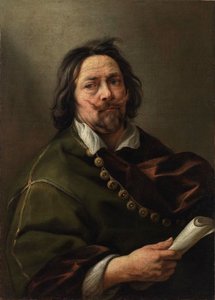
Jacob Jordaens
1593 - 1678 , Belgien
Kortfakta
- Artistic Movement Or Style: Barock
- Artists Or Movements Influenced By This Artist:
- Bassano
- Caravaggio
- Artists Who Influenced This Artist:
- Rubens
- Van Noort
- Date Of Birth: 1593-05-19
- Date Of Death: 1678-10-18
- Full Name: Jacob Jordaens
- Nationality: Flemish
- Notable Artworks:
- The King Drinks
- Argus
- Place Of Birth: Antwerp, Belgien
Relaterade artiklar

Barockens dramatik: Att föra prakt och känsla in i samtida interiörer
Upptäck barockens dramatik och lyx! Lär dig hur du integrerar denna klassiska stil i ditt hem med våra experttips och inspirerande exempel. Skapa en palatskänsla idag!
Jacob Jordaens: Baroque Dynamism & Genre Innovation of the Antwerp School
Discover Jacob Jordaens, a leading Flemish Baroque painter renowned for his dynamic compositions & realistic genre scenes. Explore his life, art, and lasting influence with OriginalUniqueArt.

Mastering Drama and Light: A Definitive Guide to the Flemish Baroque Art Movement
Explore the dramatic brilliance of the Flemish Baroque movement. Discover how masters like Peter Paul Rubens utilized chiaroscuro and dynamic composition to redefine art history through light, shadow, and unparalleled emotion.

The Majesty of Flemish Baroque: A Definitive Guide to Drama, Color, and Grandeur in 17th-Century Masterpieces
Explore the grandeur of Flemish Baroque art. Uncover the dramatic legacy of Peter Paul Rubens and the mastery of light and color. Discover museum-grade, hand-painted oil reproductions and custom commissions at OriginalUniqueArt.com—where history meets fine craftsmanship.
Drama and Light: Discover the Captivating Grandeur of Baroque Art
Immerse yourself in the dramatic splendor of Baroque art. Explore the profound impact of light, shadow, and the Counter-Reformation through an expert historical lens, celebrating the masters who defined an era of unparalleled grandeur and emotional intensity.


