
 Förhandsvisa
 Skicka
 Dela
Dela
 Visa detaljer

 Ladda ner
 Liknande objekt
 Röntgen
 Bildspel
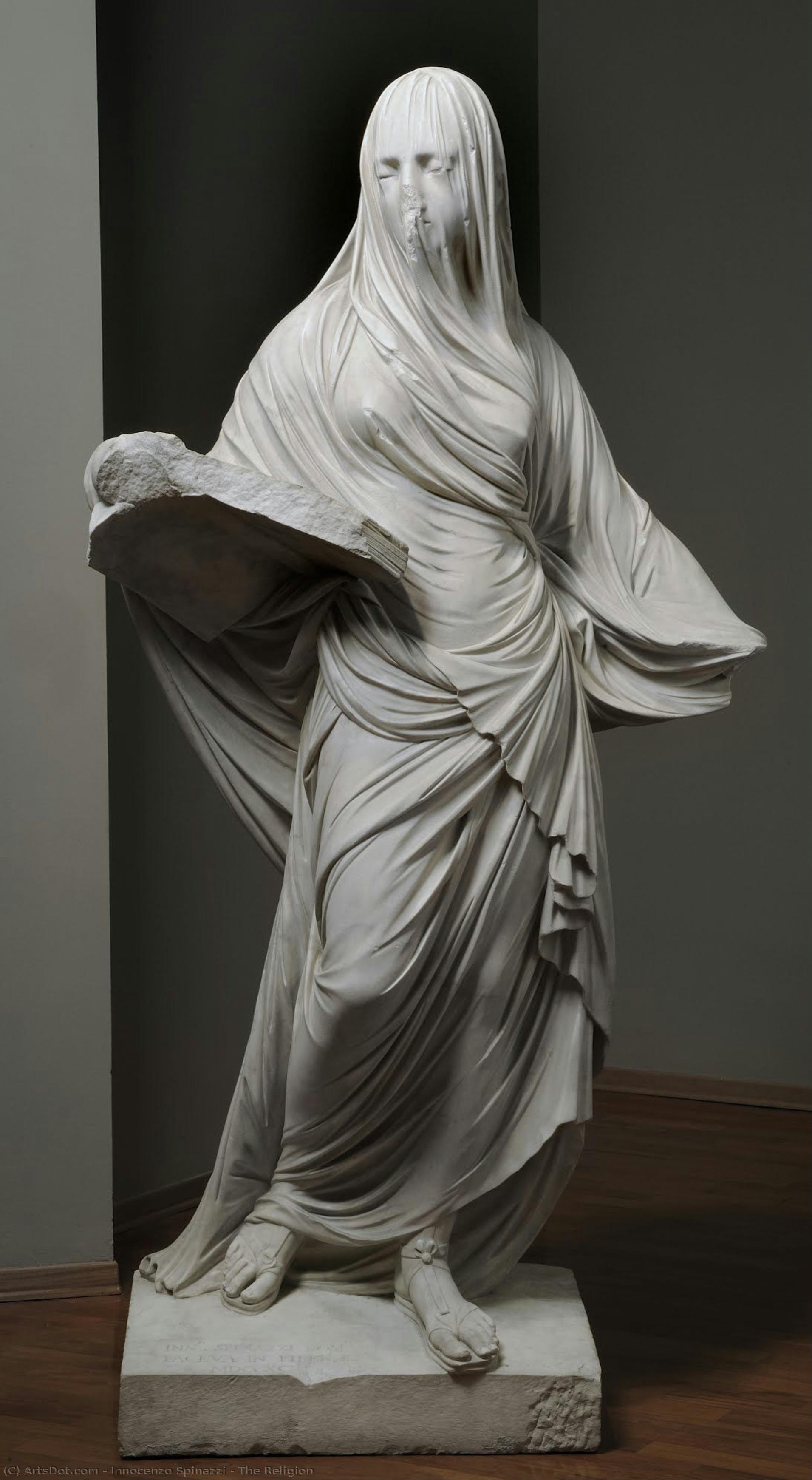
The Religion
 Neoclassicism
 115.0 x 215.0 cm
 Galleria Civica di Arte Moderna e Contemporanea Torino
 Visa mer
Köp en högupplöst, förbättrad digital bild med betydligt högre kvalitet än förhandsvisningen online.
Varje fil är noggrant förberedd av våra interna specialister med hjälp av avancerade verktyg och professionell manuell retuschering. Vi säkerställer att varje bild har exceptionell skärpa, exakt färgåtergivning och fina detaljer.
Den slutgiltiga filen levereras via e-post inom 72 timmar, optimerad för omedelbar användning i professionella sammanhang, redaktionellt bruk och tryckmiljöer. Detta är samma kvalitet som med förtroende används av ledande designstudior, förlag och gallerier.
Digital bild
Ladda ner en högupplöst fil för personlig visning, utskrift och kreativa projekt. ( Beställ tryck Beställ handmålad reproduktion)
Ingår i varje beställning av digital bild
Professionell digital leverans, garanterad
När du väljer OriginalUniqueArt.com får du inte bara en bild – du får ett professionellt förädlat digitalt konstverk, skapat med precision och med en garanterad tillfredsställelse. Här är allt som ingår i din beställning, automatiskt:

Snabb leverans via e-post
Din högupplösta digitala bild skickas till dig via e-post inom 72 timmar efter beställning – redo för omedelbar användning.

AI-förbättrad digital bild
Ditt konstverk optimeras professionellt med hjälp av avancerade AI-verktyg och manuell redigering, vilket garanterar maximal detaljrikedom, skärpa och färgnoggrannhet.

Gratis livstidsåterutskick
Har du råkat radera eller tappa bort din fil? Ingen oro – vi skickar den kostnadsfritt till dig när som helst.

Inga importavgifter – någonsin
Njut av ditt konstverk omedelbart utan tull, importavgifter eller leveranskostnader – digitala nedladdningar är alltid skattefria.

Garanterad färgåtergivning
Vi säkerställer att din digitala bild återger de ursprungliga färgerna så exakt som möjligt med hjälp av professionella verktyg och färghantering.

60 dagars nöjdhetsgaranti
Om du inte är nöjd med din digitala bild kommer vi att revidera den eller återbetala 100% inom 60 dagar – utan frågor.

100% pengarna-tillbaka-garanti
Inte nöjd? Få full återbetalning inom 60 dagar efter att du har tagit emot din digitala fil – utan frågor och diskussioner.

Rabatt vid storköp
Köp 3 bilder, spara 10% – Köp 5, spara 15% – Köp 10+, spara 20%. Perfekt för kreativa projekt, gallerier och byråer.
Beskrivning av samlarobjektet
Konstnärsbiografi
Innocenzo Spinazzi: Florentine Rococo and the Legacy of Antiquity
Innocenzo Spinazzi (1726–1798) stands as a towering figure in Florentine Baroque sculpture, embodying the artistic fervor of Enlightenment Italy while simultaneously honoring the traditions of classical antiquity. Born into a family of silversmiths in Rome, Spinazzi’s formative years instilled within him an appreciation for meticulous craftsmanship and refined aesthetics—qualities that would define his entire oeuvre. His training under Giovanni Battista Maini provided him with foundational knowledge of sculptural technique and artistic theory, setting the stage for his remarkable ascent to prominence as Florence's foremost sculptor.- Early Career in Rome: Spinazzi’s initial success stemmed from his monumental statue of St Joseph Calasanctius (1755) commissioned for the nave of St Peter’s Basilica, a project that showcased his mastery of marble carving and demonstrated an understanding of Baroque grandeur. This commission solidified his reputation as a sculptor capable of tackling ambitious undertakings and conveying profound spiritual themes.
- Arrival in Florence & Court Patronage: Recognizing the artistic dynamism of Florence under Leopold II, Spinazzi relocated to the city in 1769, swiftly securing the prestigious position of official court sculptor—a role that afforded him unparalleled access to influential patrons and fueled his creative output.
- Monumental Sculpture: Spinazzi's most celebrated works are undoubtedly his sculptures for Santa Croce—particularly the monumental figures representing jurist Giovanni Lami, Angelo Tavanti and Niccolò Machiavelli. These sculptures embody the humanist spirit of the Enlightenment, reflecting a fascination with classical ideals of beauty and proportion.
- Religious Sculpture: Spinazzi’s artistic vision found its fullest expression in his religious commissions, notably *Faith* (1781) and *Religion* (from the tomb of Varvara Jakovlevna), which drew inspiration from Antonio Corradini's Neapolitan sculptures—a testament to his engagement with contemporary artistic trends.

Innocenzo Spinazzi
1726 - 1798 , Italy
Snabbfakta
- Artistic Movement Or Style: Rococo
- Artists Or Movements Influenced By This Artist: ['Antonio Corradini']
- Artists Who Influenced This Artist:
- Giovanni Battista Maini
- Gian Lorenzo Bernini
- Date Of Birth: Rome, Italy (1726)
- Date Of Death: Florence, Italy (1798)
- Full Name: Innocenzo Spinazzi
- Nationality: Italian
- Notable Artworks:
- Faith
- The Religion
- Place Of Birth: Rome

