Visa i rummet
 Skicka
 Dela
Dela
 Detaljer
 Studentguide för konstverk

 Ladda ner
 Liknande objekt
 Röntgen
 Bildspel
 Besökstatistik
The Third-class Carriage
 Oil On Canvas
- WallArt
- Social Realism
 1860
1860- 19th Century
 65.0 x 90.0 cm
 Metropolitan Museum of Art
 Läs mer
Giclée / Konsttryck
Giclée- eller canvasprint av museumskvalitet med snabb produktion och flexibla ytbehandlingsalternativ. ( Köp handmålat konstverk Byt till digital bildförsäljning)




P118B Skr10

P118H Skr10

P118W Skr10

P438Z Skr10

P508JH Skr12

P508YH Skr12

P805H Skr10

P805Z Skr10

P919BZ Skr10

P919G Skr10

P919XJ Skr10

P959ZH Skr10

P968JZ Skr12

W106C Skr8

W218G Skr10

W218JH Skr8

W218Y Skr10

W307PJ Skr10

W316G Skr10

W316PJ Skr8

W316Y Skr10

W398PJ Skr8

W4111J Skr10

W500HY Skr15

W500JH Skr15

W692G Skr12

W849H Skr8

W940BG Skr15

W953PJ Skr8




Välj bland våra förinställda storlekar som motsvarar konstverkets ursprungliga proportioner.

Ange den bredd och höjd du behöver, för att passa din ram eller din vägg. Ett tryck kan endast beskäras, aldrig göras större än bilden, vilket innebär att ett format med en annan formform leder till att en del av bilden går förlorad. Vi skickar en digital mockup för godkännande innan vi trycker något. Bilden som visas på denna sida visar inte den faktiska beskärningen — det är endast mockuppen som gör det.
Leverans över hela världen () på 2 veckor istället för standard 4/5 veckor. (21 oktober)

Fri expressfrakt över hela världen

Högkvalitativ linnecanvas

Fullständig fraktförsäkring

Garantier för återbetalning av tullavgifter

Garantier för exakt färgåtergivning

100 dagars returrätt vid fabrikationsfel

100% pengarna tillbaka-garanti

Mängdrabatt erbjuds
 Glasalternativet är endast tillgängligt i storlekar under 110 cm.

The Third-class Carriage
Giclée / Konsttryck
Reproduktionsstorlek
-


Totalpris
Skr 787
A Window into the Soul of the Working Class
In the crowded, dimly lit confines of a mid-19th-century railway carriage, Honoré Daumier captures more than just a moment in transit; he captures the very essence of human endurance. The Third-class Carriage serves as a profound window into the burgeoning urban reality of France during the Second Empire. As the industrial revolution reshaped the landscape of Europe, Daumier turned his gaze away from the gilded salons of the aristocracy and toward the weary faces of the common people. The painting invites us to step into a space defined by proximity and shared struggle, where the boundaries between strangers dissolve in the cramped, rhythmic motion of the train.
The composition is a masterclass in realism, utilizing a tight, almost claustrophobic perspective that forces the viewer to sit alongside the passengers. There is no escape from the density of the scene; we are pressed against the heavy textures of worn clothing and the weathered surfaces of the carriage walls. Daumier’s ability to evoke the atmosphere of a moving vessel is palpable, as if one can almost feel the vibration of the tracks beneath the wooden benches. This sense of enclosure does not merely depict a setting; it symbolizes the social limitations and the heavy, inescapable weight of class distinctions that defined the era.
The Artistry of Light and Shadow
Technically, Daumier employs a palette dominated by somber earth tones—deep browns, muted ochres, and shadowy blues—which lends the work an incredible sense of gravity and permanence. His use of chiaroscuro is particularly striking; light does not flood this carriage but rather seeps in, catching the edge of a forehead, the curve of a shoulder, or the texture of a bundle of belongings. This selective illumination directs our eyes through the crowd, highlighting the individual stories hidden within the collective mass. The brushwork, while grounded in realism, possesses an expressive, almost sculptural quality that gives the figures a monumental presence despite their humble status.
For the discerning collector or interior designer, this piece offers a sophisticated emotional depth that transcends mere decoration. It is a work of profound empathy. Each figure—the elderly woman, the young mother, the stoic laborer—carries an expression of quiet resignation and quiet strength. There is no melodrama here, only the dignified reality of daily life. Incorporating a high-quality reproduction of this masterpiece into a space brings with it a sense of historical weight and intellectual curiosity, making it an ideal centerpiece for a room designed to inspire reflection and conversation.
A Timeless Legacy of Social Commentary
Beyond its visual beauty, The Third-class Carriage remains a powerful piece of social commentary. Daumier, a master of satire and a keen observer of political absurdity, uses this scene to honor the fortitude of the working class. He finds beauty in the unvarnished truth, transforming a mundane journey into an epic of human resilience. The painting does not look away from poverty or fatigue; instead, it elevates these experiences through art, granting the subjects a level of importance usually reserved for kings and deities.
To own a reproduction of this work is to possess a fragment of history—a piece that speaks to the enduring human spirit amidst the tides of change. Whether placed in a contemporary gallery setting or a classic study, Daumier’s vision continues to resonate, reminding us that even in the most crowded and difficult of journeys, there is a profound, quiet dignity to be found.
Frågor och svar
Var placerar sig "The Third-class Carriage" bland Honoré Daumiers återkommande motiv?
Bland Honoré Daumiers dokumenterade teman – classical draftsmanship, social critique, 19th-century french society woes, satirical commentary, political dissent, daumier’s biting realism”, “social injustice” – har "The Third-class Carriage" ett eget fokus på 19th century france, carriage travel, social class, daumiers satire, urban life, daily struggle, realist painting.
Var kan jag hitta konstverk som liknar "The Third-class Carriage" av Honoré Daumier?
Sidan Liknande verk för "The Third-class Carriage" av Honoré Daumier presenterar relaterade konstverk.
Vilken palett och vilken dominerande färg definierar "The Third-class Carriage"?
Färgidentiteten i "The Third-class Carriage" av Honoré Daumier: en Earthy-palett, dominerad av Phthalo Green (#191415).
Om konstnären
En Liv Etched i Satire: Honoré Daumiers Värld
Honoré-Victorin Daumier, född 1808 i Marseille och död 1879 i Paris, var en fransk litograf, målare och skulptör vars konstverk präglades av realism och en skarp satirisk blick mot det 19:a århundradets Frankrike. Hans liv var djupt sammanflätat med de turbulenta tiderna då han levde, och hans konst blev ett kraftfullt verktyg för att ifrågasätta maktens korruption och samhällets orättvisor. Daumier var inte bara en konstnär; han var en observatör, en kritiker och en skildrare av sin tids ande.
Hans tidiga liv, präglat av hans fars poetiska ambitioner och den senare flytten till Paris 1814, gav honom direkt tillgång till en stad full av konstnärlig energi. Trots att han först var avsedd för en karriär inom juridiken, lät Daumiers passion för konsten ta överhand. Han började som lärling hos Alexandre Lenoir, där han absorberade klassiska influenser samtidigt som han utvecklade en uppskattning för Rubens dramatiska ljus och skugga. Vid Académie Suisse finslipades hans tekniker ytterligare, vilket lade grunden för hans distinkta stil – en kombination av realism och uttrycksfulla linjer.
Den Skarpare Pennan: Karikatyrer och Samhällskommentar
Daumiers karriär tog verkligt fart efter 1830 års revolution, ett händelse som omedelbart förändrade Frankrikes historia och samtidigt skapade en rik grogrund för hans växande satiriska talang. Han etablerade snabbt sig som en mästare inom litografi, och började initialt bidra anonymt till olika tidningar innan han fick erkännande genom sitt arbete med *Le Charivari*, en vågmästare av en oberoende serietidning grundad av Charles Philipon. Det var här Daumiers geni verkligen blomstrade. Hans karikatyrer var inte bara roliga illustrationer; de var skoningslösa anklagelser mot den borgerskapen, rättssystemet och den politiska eliten. Han skämtsamt parodierade kung Louis-Philippe, vilket ledde till att han förvisades i sex månader för en särskilt vass karikatyr. Denna erfarenhet, snarare än att tysta honom, stärkte hans engagemang för att avslöja hyckleri och utmana auktoritet genom konst.
Hans litografier blev visuella manifesten, som fångade andan av motstånd och erbjöd en kritisk kommentar på samhällets dysfunktioner. Volymen av hans produktion under denna period är imponerande – tusentals litografier som fungerade både som populär underhållning och kraftfulla politiska uttalanden. Han använde sin konst för att skildra vardagslivet i Paris, från de sista raderna på tåget till tvättarbetarna längs Seine, och han fångade ofta den sociala oron och det ekonomiska trycket som präglade tiden.
Utöver Karikatyrer: Målning och Skulpturella Visioner
Även om Daumier är mest känd för sin litografi, skulle det vara en grov förenkling att begränsa honom till bara karikatyrer. Han var också en dedikerad målare och skulptör, även om erkännandet av dessa verk kom senare i hans liv. Hans målningar, ofta skildringar av vardagslivet i Paris – tredje klassens tåg, tvättarbetarna, advokaterna – är fyllda med en djup känsla för realism och empati. De är inte idealiserade porträtt utan snarare skoningslösa representationer av svårigheter och kamp. Han behärsktes att använda löst penseldrag och dramatiskt ljus för att förmedla känslor och atmosfär, vilket antydde några av de tekniker som senare omfamnades av impressionisterna.
Hans skulpturella verk, främst skapade i lera (många stycken lämnade ofärdiga under hans livstid), avslöjade en liknande engagemang för att fånga den mänskliga formen med ärlighet och emotionell djup. Dessa skulpturer, upptäckta efter hans död, visar en imponerande talang för modellering och förmågan att uttrycka psykologisk komplexitet genom fysisk gester. Han skapade också porträtt och modellerade människor.
Ett Bestående Arv: Inflytande och Historisk Betydelse
Honoré Daumiers inflytande på konsthistorien är obestridligt. Han broderade samman romantikens och realismens världar, och banade vägen för framtida generationer av konstnärer som sökte representera världen som den verkligen var – med alla dess brister. Hans skoningslösa samhällskommentarer påverkade konstnärer som Gustave Courbet och Édouard Manet, medan hans innovativa användning av litografi revolutionerade tryckkonsten. Hans verk fortsätter att resonera idag, och påminner oss om konstens kraft att utmana auktoritet, avslöja orättvisor och vittna om den mänskliga erfarenheten. Musée d'Orsay i Paris hyser en betydande samling av hans målningar och skulpturer, vilket ger besökare en inblick i den värld han så levdildt porträtterade. Hans litografier är allmänt tillgängliga genom samlingar som de som finns på OriginalUniqueArt, vilket säkerställer att hans satiriska geni fortsätter att väcka tankarna och inspirera dialog.

Honoré Daumier
1808 - 1879 , Frankrike
Snabbfakta
- Artistic Movement Or Style: Realism, Satir
- Artists Or Movements Influenced By This Artist: ['Impressionism']
- Artists Who Influenced This Artist:
- Lenoir
- David
- Date Of Birth: 26 feb 1808
- Date Of Death: 10 feb 1879
- Full Name: Honoré-Victorin Daumier
- Nationality: Fransk
- Notable Artworks:
- Rue Transnonain
- Les gens de justice
- Place Of Birth: Marseille, Frankrike
Relaterade artiklar

Romantic Realism's Finest: 10 Masterpieces for Your Home | OriginalUniqueArt
Explore 10 defining masterpieces of Romantic Realism! Discover Courbet, Millet & Daumier's powerful paintings—capturing emotion and social realities. Find museum-quality reproductions for your home at OriginalUniqueArt.com.
Realismens Mästerverk: Topp 10 Verk som Definierade Epoken – OriginalUniqueArt.com
Utforska realismens 10 mästerverk! Lär känna Courbet, Millet & Daumier – och deras banbrytande konst. Upptäck historien bakom ikoniska målningar och hitta inspiration för ditt hem på OriginalUniqueArt.com. Köp högkvalitativa konsttryck online!

1800-talets Mästverk: 10 Konstverk som Definierade en Epok | OriginalUniqueArt
Upptäck 1800-talets mest ikoniska konstverk! Från romantik till impressionism – utforska Monet, Renoir och Manet. Lär känna historien bakom mästerverken & hitta inspiration för din heminredning på OriginalUniqueArt.com.
The Poetic Truth of Observation: Exploring 19th-Century Realism in Painting
Explore the captivating world of 19th-century Realism! Discover key artists like Courbet & Millet, masterpieces, and the powerful social commentary behind this influential art movement. Expert insights at OriginalUniqueArt.
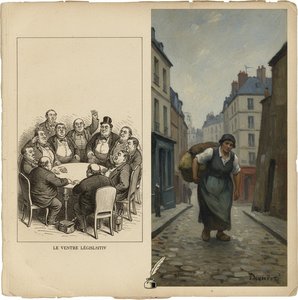
Honoré Daumier: Social Commentary & Artistic Innovation in 19th-Century France
Explore the life & work of Honoré Daumier, a master of 19th-century French realism and satire. Discover his powerful lithographs, paintings, and sculptures critiquing society – and his lasting influence on modern art.