Förhandsvisa
 Skicka
 Dela
Dela
 Visa detaljer
 Guide
Guide

 Ladda ner
 Liknande objekt
 Röntgen
 Bildspel
 Q&A
Q&A Statistik
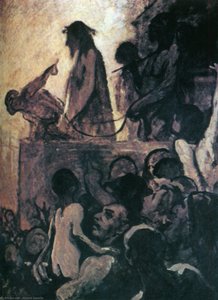
Crispin and Scapin
 Ink On Paper
- WallArt
- Realism
 1858
1858- 19th Century
 61.0 x 82.0 cm
 Musée d'Orsay
 Visa mer
Giclée / Konsttryck
Giclée- eller canvasprint av museumskvalitet med snabb produktion och flexibla ytbehandlingsalternativ. ( Beställ handmålad reproduktion Byt till digital bild)




P118B Skr10

P118H Skr10

P118W Skr10

P438Z Skr10

P508JH Skr12

P508YH Skr12

P805H Skr10

P805Z Skr10

P919BZ Skr10

P919G Skr10

P919XJ Skr10

P959ZH Skr10

P968JZ Skr12

W106C Skr8

W218G Skr10

W218JH Skr8

W218Y Skr10

W307PJ Skr10

W316G Skr10

W316PJ Skr8

W316Y Skr10

W398PJ Skr8

W4111J Skr10

W500HY Skr15

W500JH Skr15

W692G Skr12

W849H Skr8

W940BG Skr15

W953PJ Skr8




Välj bland våra förinställda storlekar som motsvarar konstverkets ursprungliga proportioner.

Ange den bredd och höjd du behöver för att passa din ram eller vägg. Ett tryck kan endast beskäras, aldrig göras större än originalbilden, vilket innebär att ett format med en annan proportion leder till att en del av bilden går förlorad. Vi skickar en digital mockup för godkännande innan vi påbörjar tryckningen. Bilden som visas på denna sida visar inte den faktiska beskärningen — det är endast mockuppen som gör det.
Leverans över hela världen () på 2 veckor istället för standard 4/5 veckor. (29 oktober)

Fri expressfrakt över hela världen

Högkvalitativ linnecanvas

Fullständig fraktförsäkring

Garantier för återbetalning av tullavgifter

Garantier för exakt färgåtergivning

100 dagars returrätt (endast vid fel)

100% pengarna tillbaka-garanti

Mängdrabatt erbjuds
 Glasalternativet är endast tillgängligt i storlekar under 110 cm.

Crispin and Scapin
Giclée / Konsttryck
Storlek på reproduktion
-


Slutgiltigt pris
Skr 800
A Whispered Conspiracy: The Psychological Depth of Daumier’s Masterpiece
In the quiet, shadowed corners of 19th-century Parisian life, secrets were the currency of survival. Honoré Daumier’s “Crispin and Scapin,” completed in 1858, captures such a clandestine moment with an intensity that transcends the boundaries of mere illustration. At first glance, we witness two men locked in a private exchange; one leans in, his hand pressed against his mouth as if to stifle a scandalous truth, while the other listens with a focused, almost strained attention. This is not merely a depiction of characters from Shakespearean comedy, but a profound study of human vulnerability and the heavy weight of unspoken words. The composition draws the viewer into this intimate circle, making us feel like accidental eavesdroppers to a conversation that could alter the course of lives.
The emotional resonance of the piece lies in its ability to evoke a sense of palpable unease. Daumier masterfully utilizes the tension between the figures to mirror the broader anxieties of the era. There is a haunting quality to their proximity—a closeness born not of affection, but of necessity and shared risk. For the discerning collector or interior designer, this artwork offers more than just visual interest; it provides a focal point of intellectual and emotional gravity, perfect for spaces that demand a sense of history, mystery, and sophisticated storytelling.
The Art of the Line: Mastery in Monochrome
Technically, “Crispin and Scapin” is a triumph of expressive draughtsmanship. Eschewing the lush, distracting colors of the Romantic movement, Daumier relies on a disciplined monochrome palette to command attention. His use of black ink allows for a brilliant play of light and shadow, where every stroke serves a purpose. Through the meticulous application of hatching and cross-hatching, Daumier breathes life into the textures of the scene—from the heavy, tactile folds of the men's clothing to the rugged, distant silhouettes of the mountainous landscape. This technique creates a sculptural depth that makes the figures appear almost three-dimensional against their backdrop.
The artist’s hand is visible in every deliberate line, conveying a gritty realism that avoids the trap of idealization. There is no attempt to beautify his subjects; instead, he finds beauty in the truth of their expressions—the subtle creases around an eye, the tension in a jawline, and the way light catches the edge of a collar. This raw, unvarnished approach makes the reproduction of such a work incredibly impactful in a modern setting, offering a timeless elegance that complements both classical and contemporary decor.
Shadows of the Second Empire: History as Subtext
To understand the true power of this work, one must look through the lens of the political upheaval defining France in 1858. Following Louis Napoleon Bonaparte’s coup d’état, an atmosphere of suspicion and surveillance permeated Parisian society. Daumier, a renowned satirist and observer of social injustice, infused this scene with the spirit of that era. The clandestine nature of the conversation between Crispin and Scapin serves as a poignant metaphor for the political underground—the whispered debates and secret meetings held by those grappling with the limitations of autocratic rule.
The landscape itself, with its imposing mountains and isolated trees, reinforces this sense of solitude and the precariousness of truth. By placing these figures within such a vast, indifferent environment, Daumier highlights the fragility of human connection in the face of overwhelming political forces. Owning a piece that embodies such historical weight allows an art lover to possess a fragment of the very soul of 19th-century resistance and social commentary, making it a truly profound addition to any curated collection.
Frågor och svar
Vilka färger dominerar "Crispin and Scapin" av Honoré Daumier?
"Crispin and Scapin" av Honoré Daumier använder en Earthy-palett, där Rosy Brown (#a09797) är den dominerande färgen.
Hur upplevs ljusstyrkan i "Crispin and Scapin" av Honoré Daumier?
Den upplevda ljusstyrkan i "Crispin and Scapin" av Honoré Daumier är bright. Den kan anpassas efter ljuset i det avsedda rummet.
Hur många personer ser "Crispin and Scapin"?
En Besöksstatistik-sida finns för "Crispin and Scapin". Den visar månatliga besök för konstverket och konstnärens övriga verk, uppdelat per land och språk.
Konstnärsbiografi
En Liv Etched i Satire: Honoré Daumiers Värld
Honoré-Victorin Daumier, född 1808 i Marseille och död 1879 i Paris, var en fransk litograf, målare och skulptör vars konstverk präglades av realism och en skarp satirisk blick mot det 19:a århundradets Frankrike. Hans liv var djupt sammanflätat med de turbulenta tiderna då han levde, och hans konst blev ett kraftfullt verktyg för att ifrågasätta maktens korruption och samhällets orättvisor. Daumier var inte bara en konstnär; han var en observatör, en kritiker och en skildrare av sin tids ande.
Hans tidiga liv, präglat av hans fars poetiska ambitioner och den senare flytten till Paris 1814, gav honom direkt tillgång till en stad full av konstnärlig energi. Trots att han först var avsedd för en karriär inom juridiken, lät Daumiers passion för konsten ta överhand. Han började som lärling hos Alexandre Lenoir, där han absorberade klassiska influenser samtidigt som han utvecklade en uppskattning för Rubens dramatiska ljus och skugga. Vid Académie Suisse finslipades hans tekniker ytterligare, vilket lade grunden för hans distinkta stil – en kombination av realism och uttrycksfulla linjer.
Den Skarpare Pennan: Karikatyrer och Samhällskommentar
Daumiers karriär tog verkligt fart efter 1830 års revolution, ett händelse som omedelbart förändrade Frankrikes historia och samtidigt skapade en rik grogrund för hans växande satiriska talang. Han etablerade snabbt sig som en mästare inom litografi, och började initialt bidra anonymt till olika tidningar innan han fick erkännande genom sitt arbete med *Le Charivari*, en vågmästare av en oberoende serietidning grundad av Charles Philipon. Det var här Daumiers geni verkligen blomstrade. Hans karikatyrer var inte bara roliga illustrationer; de var skoningslösa anklagelser mot den borgerskapen, rättssystemet och den politiska eliten. Han skämtsamt parodierade kung Louis-Philippe, vilket ledde till att han förvisades i sex månader för en särskilt vass karikatyr. Denna erfarenhet, snarare än att tysta honom, stärkte hans engagemang för att avslöja hyckleri och utmana auktoritet genom konst.
Hans litografier blev visuella manifesten, som fångade andan av motstånd och erbjöd en kritisk kommentar på samhällets dysfunktioner. Volymen av hans produktion under denna period är imponerande – tusentals litografier som fungerade både som populär underhållning och kraftfulla politiska uttalanden. Han använde sin konst för att skildra vardagslivet i Paris, från de sista raderna på tåget till tvättarbetarna längs Seine, och han fångade ofta den sociala oron och det ekonomiska trycket som präglade tiden.
Utöver Karikatyrer: Målning och Skulpturella Visioner
Även om Daumier är mest känd för sin litografi, skulle det vara en grov förenkling att begränsa honom till bara karikatyrer. Han var också en dedikerad målare och skulptör, även om erkännandet av dessa verk kom senare i hans liv. Hans målningar, ofta skildringar av vardagslivet i Paris – tredje klassens tåg, tvättarbetarna, advokaterna – är fyllda med en djup känsla för realism och empati. De är inte idealiserade porträtt utan snarare skoningslösa representationer av svårigheter och kamp. Han behärsktes att använda löst penseldrag och dramatiskt ljus för att förmedla känslor och atmosfär, vilket antydde några av de tekniker som senare omfamnades av impressionisterna.
Hans skulpturella verk, främst skapade i lera (många stycken lämnade ofärdiga under hans livstid), avslöjade en liknande engagemang för att fånga den mänskliga formen med ärlighet och emotionell djup. Dessa skulpturer, upptäckta efter hans död, visar en imponerande talang för modellering och förmågan att uttrycka psykologisk komplexitet genom fysisk gester. Han skapade också porträtt och modellerade människor.
Ett Bestående Arv: Inflytande och Historisk Betydelse
Honoré Daumiers inflytande på konsthistorien är obestridligt. Han broderade samman romantikens och realismens världar, och banade vägen för framtida generationer av konstnärer som sökte representera världen som den verkligen var – med alla dess brister. Hans skoningslösa samhällskommentarer påverkade konstnärer som Gustave Courbet och Édouard Manet, medan hans innovativa användning av litografi revolutionerade tryckkonsten. Hans verk fortsätter att resonera idag, och påminner oss om konstens kraft att utmana auktoritet, avslöja orättvisor och vittna om den mänskliga erfarenheten. Musée d'Orsay i Paris hyser en betydande samling av hans målningar och skulpturer, vilket ger besökare en inblick i den värld han så levdildt porträtterade. Hans litografier är allmänt tillgängliga genom samlingar som de som finns på OriginalUniqueArt, vilket säkerställer att hans satiriska geni fortsätter att väcka tankarna och inspirera dialog.

Honoré Daumier
1808 - 1879 , Frankrike
Kortfakta
- Artistic Movement Or Style: Realism, Satir
- Artists Or Movements Influenced By This Artist: ['Impressionism']
- Artists Who Influenced This Artist:
- Lenoir
- David
- Date Of Birth: 26 feb 1808
- Date Of Death: 10 feb 1879
- Full Name: Honoré-Victorin Daumier
- Nationality: Fransk
- Notable Artworks:
- Rue Transnonain
- Les gens de justice
- Place Of Birth: Marseille, Frankrike
Relaterade artiklar
Honoré Daumier: Social Commentary & Artistic Innovation in 19th-Century France
Explore the life & work of Honoré Daumier, a master of 19th-century French realism and satire. Discover his powerful lithographs, paintings, and sculptures critiquing society – and his lasting influence on modern art.
10 Legendariska Litografier Som Förändrade Konsthistorien – Upptäck Mästerverk Nu!
Utforska 10 legendariska litografier av Toulouse-Lautrec, Munch & Picasso! Upptäck konsthistorien bakom dessa mästerverk och låt dig inspireras. Köp museumkvalitativa reproduktioner på OriginalUniqueArt.com – för en stilfull inredning.

Mästverk i svart: Topp 10 målningar som fascinerar – OriginalUniqueArt.se
Utforska 10 ikoniska målningar dominerade av svart – från Rembrandts djupa skuggor till Munchs ångest. Lär känna historien bakom mästerverken och hitta inspiration för din inredning på OriginalUniqueArt.se. Upptäck hela kollektionen online!

Monochrome Visions: Exploring the Aesthetic & Historical Significance of Black & White Photography
Explore the rich history & artistic power of black and white photography. From early techniques to iconic masters like Ansel Adams, discover why monochrome continues to captivate art lovers today. Expert insights for collectors.

Vita mästerverk: Topp 10 målningar som hyllar ljuset – OriginalUniqueArt.com
Utforska 10 ikoniska vita målningar av Monet, Whistler & fler! Lär känna historien bakom dessa ljusa konstverk och upptäck hur vitt används för att skapa stämning. Köp museumkvalitativa tryck på OriginalUniqueArt.com.