- Hem

- Reproduktion av oljemålning
- Heywood Hardy
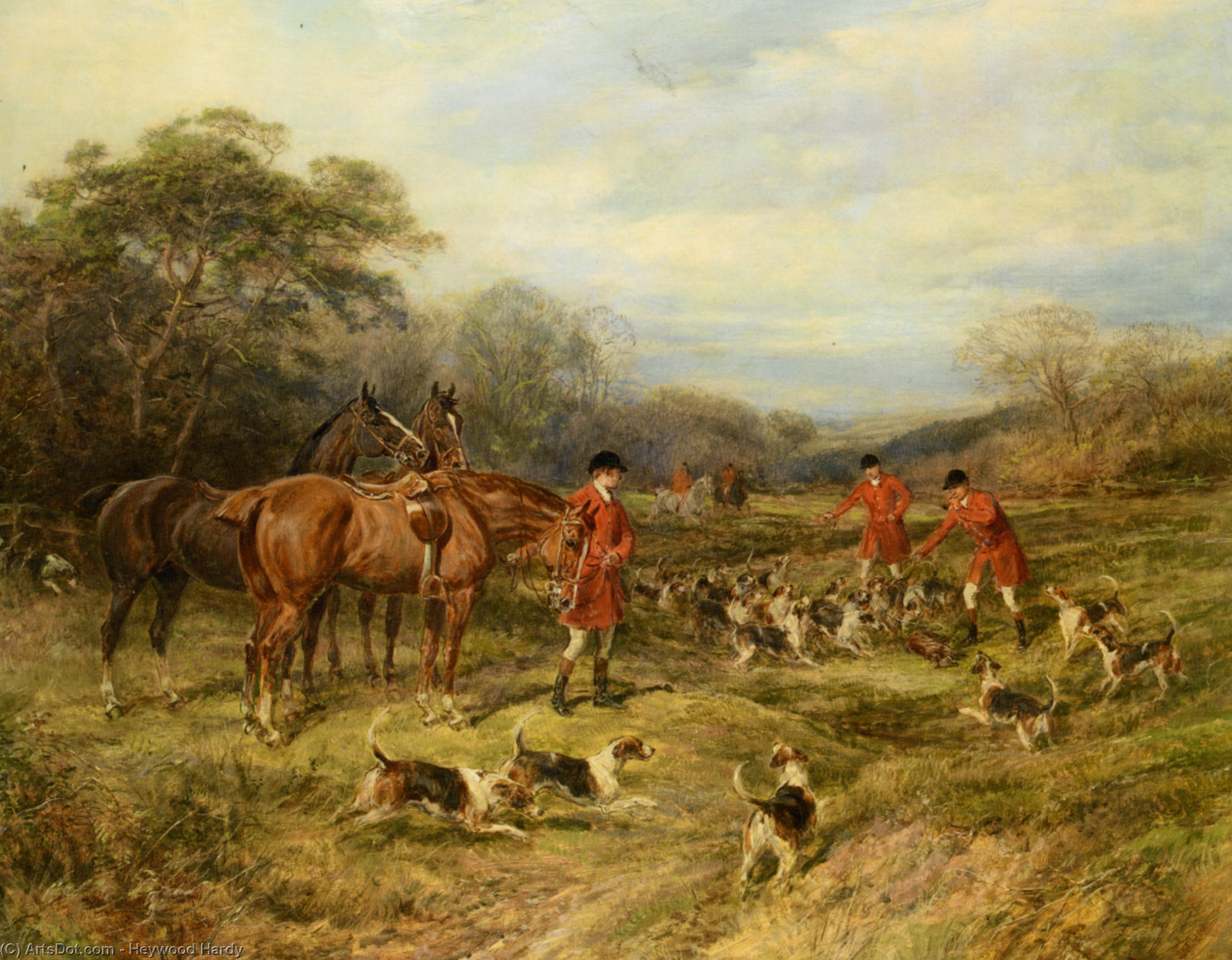
- The Kill
 Köp tryck Köp högupplöst digital bild
 Skicka
 Dela
Dela
 Visa detaljer
 Lägg till i favoriter

 Ladda ner
 Liknande objekt
 Röntgen
 Bildspel
The Kill
 Visa mer
Handgjord oljereproduktion
Handmålad olja på duk i din valda storlek och ram, tillverkad efter beställning av våra konstnärer.




































Välj bland våra förinställda storlekar som motsvarar konstverkets ursprungliga proportioner.

Du kan ange egna mått för att passa en specifik ram eller yta. Om den valda storleken inte matchar originalbildens proportioner kommer vi antingen att beskära konstverket eller utöka målningen med ytterligare handmålade element. En digital skiss skickas till dig för godkännande innan produktionen påbörjas.
Observera att förhandsvisningen på skärmen inte återspeglar den faktiska beskärningen eller utökningen. Endast skissen visar den slutgiltiga kompositionen korrekt.
Även om anpassade storlekar är möjliga, rekommenderar vi att du väljer en dimension från den fördefinierade listan för att bevara originalproportionerna.
Efter beställning kommer OriginalUniqueArt.com team att mejla kunden för instruktioner och tillhandahålla en skissförhandsvisning
Leverans över hela världen () på 3–4 veckor istället för standard 5 veckor. (22 juli). Inga kompromisser med kvaliteten.

Fri expressfrakt över hela världen

Högkvalitativ linnecanvas

Fullständig fraktförsäkring

Garantier för återbetalning av tullavgifter

Garantier för exakt färgåtergivning

60 dagars returrätt (endast vid fabrikationsfel)

100% pengarna tillbaka-garanti

Mängdrabatt erbjuds
 Glasalternativet är endast tillgängligt i storlekar under 110 cm.

The Kill
Teknik för reproduktion
Storlek på reproduktion
-


Slutgiltigt pris
-
Konstnärsbiografi
Heywood Hardy (1842–1933): A Pioneer of British Animal Painting
Heywood Hardy, born November 25th, 1842 in Chichester, Sussex, England, stands as a pivotal figure in Victorian British art—specifically recognized for his masterful depictions of animals and equestrian scenes. His artistic journey began amidst a rich familial heritage steeped in creativity; his father, James Hardy Senior, was a respected landscape artist and musician, establishing a tradition that would profoundly shape Hardy’s own artistic inclinations.
- Early Influences: Growing up within a large family of artists—brothers James Junior and David, sister Ada, cousins Frederick Daniel Hardy and George Hardy—Hardy absorbed the ethos of artistic dedication and observation from an early age. His father's role as Principal Trumpet in the Royal Band instilled discipline and fostered an appreciation for performance, undoubtedly contributing to Hardy’s meticulous approach to his craft.
- Education & Departure: Hardy pursued formal artistic training at the École des Beaux-Arts in Paris under Isidore Pils after leaving home due to a disagreement with his father. This formative period exposed him to continental art trends and cemented his commitment to honing his skills as an artist.
Hardy’s artistic development centered initially on landscapes, capturing the beauty of rural England with sensitivity and detail. However, he swiftly transitioned to animal painting—particularly horses—demonstrating a remarkable ability to convey movement and anatomy. His studies with Professor Alfred Henry Garrod on horse gait further refined his technical prowess, reflecting a dedication to scientific accuracy alongside artistic vision.
- Key Subjects: Hardy became renowned for paintings of horses, hunting scenes, equestrian portraits, and wildlife—lions being among his favored subjects. His canvases pulsate with life, imbued with a Romantic spirit that captures the drama and atmosphere of both rural landscapes and aristocratic leisure pursuits.
- Style Characteristics: Combining realism with elements of Romanticism, Hardy’s style distinguishes itself through its expressive brushwork and careful attention to detail. He skillfully blended observation with imagination, creating images that resonate with emotion and convey a profound understanding of his subjects.
Throughout his prolific career, Hardy achieved considerable acclaim within the British art establishment. Regularly exhibiting at the Royal Academy from 1864 onwards, he garnered critical praise for his animal paintings—a particularly noteworthy comment in *The Times* praising his depiction of fighting lions as “daring and determined.” He secured commissions from prominent patrons like Lady Ida Sitwell, cementing his reputation as a sought-after equestrian portraitist.
- Major Achievements: Hardy’s membership in the Royal Society of Portrait Painters and the Royal Society of Painter-Etchers underscored his standing within the artistic community. He achieved particular distinction by painting three winners of the Grand National steeplechase for their owners—a testament to his skill and connection with equestrian culture.
Hardy’s later life saw him return to East Preston, Sussex, dedicating himself to religious art commissions for local churches. His daughters Nina and Mabel Hardy continued the family's artistic legacy, furthering connections to literary circles through Mabel’s marriage to Charles Ormond Maugham.
Heywood Hardy died January 20th, 1933 in West Sussex, England, leaving behind a legacy as one of Britain’s foremost animal painters of the Victorian era. His work provides invaluable insights into equestrian culture and aristocratic life during that period—a testament to his artistic talent and enduring influence.
Hardy's paintings are currently housed in collections across Europe and North America, including the Philadelphia Museum of Art, the Manchester City Art Gallery, and the Bury Art Museum. His contribution to British art history remains significant, securing his place as a celebrated artist whose canvases continue to captivate audiences today.

Heywood Hardy
1842 - 1933 , Storbritannien
Kortfattad information
- Artistic Movement Or Style: Romantik
- Artists Or Movements Influenced By This Artist: ['Impressionismen']
- Artists Who Influenced This Artist: ['Alfred Henry Garrod']
- Date Of Birth: 25 november 1842
- Full Name: Heywood Hardy
- Nationality: Brittisk
- Notable Artworks: ['Hundar och jägare vid Warwick Castle']
- Place Of Birth: Chichester, Storbritannien

