() ·

A painting made for you, by hand

The Arm

Handgjord oljereproduktion

Handmålad olja på duk i din valda storlek och ram, tillverkad efter beställning av våra konstnärer. ( Byt till tryck Byt till digital bild)

Beskrivning av samlarobjekt

Experience Henri Matisse's 'The Arm'! This Fauvist masterpiece captivates with vibrant colors & dynamic brushstrokes, showcasing his innovative use of light and oriental influences. A must-see!

Konstnärens biografi

Matisse&rsquo;s Impact on Modern Art</h2> Henri Matisse died in Nice in 1954, leaving behind a body of work that continues to inspire and captivate audiences worldwide. His impact on the art world is undeniable; he challenged conventional notions of representation, championed the expressive power of color, and paved the way for future generations of

from ·

Chapter 1

How large should it be?

Slide to change the size; the picture on the left shows the frame at its real width. The proportions of the original are kept.

Standardstorlek
skräddarsydd
CM
INCH

Välj bland våra förinställda storlekar som motsvarar konstverkets ursprungliga proportioner.

bredd
höjd

Ange den bredd och höjd du behöver för att passa din ram eller din vägg. Eftersom detta är handmålat kan konstnären, vid ett annat format, måla lite mer runt bilden eller beskära den något – det är du som väljer. Vi skickar en digital mockup för godkännande innan målningen påbörjas. Bilden som visas på denna sida representerar inte det slutgiltiga resultatet — det är endast mockuppen som visar det.

Chapter 2

How should it arrive?

Choose the edges of the stretched canvas

Choose your frame

Corner sample of the WhiteWrap canvas edge finish, stretched on massivt trä bars
White Skr1
Corner sample of the BlurSideWrap canvas edge finish, stretched on massivt trä bars
Blurside Skr1
Corner sample of the ExtendedWrap canvas edge finish, stretched on massivt trä bars
Extended Skr1
Corner sample of the P118B picture frame: formgjuten polystyren, 5 cm wide and 3 cm thick
P118B Skr10
Corner sample of the P118H picture frame: formgjuten polystyren, 5 cm wide and 3 cm thick
P118H Skr10
Corner sample of the P118W picture frame: formgjuten polystyren, 5 cm wide and 3 cm thick
P118W Skr10
Corner sample of the P438Z picture frame: formgjuten polystyren, 5.5 cm wide and 3.5 cm thick
P438Z Skr10
Corner sample of the P508JH picture frame: formgjuten polystyren, 7 cm wide and 3.5 cm thick
P508JH Skr12
Corner sample of the P508YH picture frame: formgjuten polystyren, 7 cm wide and 3.5 cm thick
P508YH Skr12
Corner sample of the P805H picture frame: formgjuten polystyren, 5 cm wide and 3.5 cm thick
P805H Skr10
Corner sample of the P805Z picture frame: formgjuten polystyren, 5 cm wide and 3.5 cm thick
P805Z Skr10
Corner sample of the P919BZ picture frame: formgjuten polystyren, 7 cm wide and 3.5 cm thick
P919BZ Skr10
Corner sample of the P919G picture frame: formgjuten polystyren, 7 cm wide and 3.5 cm thick
P919G Skr10
Corner sample of the P919XJ picture frame: formgjuten polystyren, 7 cm wide and 3.5 cm thick
P919XJ Skr10
Corner sample of the P959ZH picture frame: formgjuten polystyren, 5 cm wide and 3 cm thick
P959ZH Skr10
Corner sample of the P968JZ picture frame: formgjuten polystyren, 6 cm wide and 4 cm thick
P968JZ Skr12
Corner sample of the W106C picture frame: massivt trä, 5 cm wide and 3 cm thick
W106C Skr8
Corner sample of the W218G picture frame: massivt trä, 5 cm wide and 3 cm thick
W218G Skr10
Corner sample of the W218JH picture frame: massivt trä, 5 cm wide and 3 cm thick
W218JH Skr8
Corner sample of the W218Y picture frame: massivt trä, 5 cm wide and 3 cm thick
W218Y Skr10
Corner sample of the W307PJ picture frame: massivt trä, 6 cm wide and 3 cm thick
W307PJ Skr10
Corner sample of the W316G picture frame: massivt trä, 6 cm wide and 3 cm thick
W316G Skr10
Corner sample of the W316PJ picture frame: massivt trä, 6 cm wide and 3 cm thick
W316PJ Skr8
Corner sample of the W316Y picture frame: massivt trä, 6 cm wide and 3 cm thick
W316Y Skr10
Corner sample of the W398PJ picture frame: massivt trä, 5 cm wide and 3 cm thick
W398PJ Skr8
Corner sample of the W4111J picture frame: massivt trä, 6.5 cm wide and 3.5 cm thick
W4111J Skr10
Corner sample of the W500HY picture frame: massivt trä, 7 cm wide and 5 cm thick
W500HY Skr15
Corner sample of the W500JH picture frame: massivt trä, 7 cm wide and 5 cm thick
W500JH Skr15
Corner sample of the W692G picture frame: massivt trä, 8 cm wide and 4 cm thick
W692G Skr12
Corner sample of the W849H picture frame: massivt trä, 5 cm wide and 3 cm thick
W849H Skr8
Corner sample of the W940BG picture frame: massivt trä, 7.5 cm wide and 4.5 cm thick
W940BG Skr15
Corner sample of the W953PJ picture frame: massivt trä, 6 cm wide and 3.5 cm thick
W953PJ Skr8
Corner sample of the H24-GOLD picture frame: snidad trä med gesso, 10 cm wide and 6 cm thick
H24-GOLD Skr30
Corner sample of the H24-SILVER picture frame: snidad trä med gesso, 10 cm wide and 6 cm thick
H24-SILVER Skr30
Corner sample of the H36-GOLD picture frame: snidad trä med gesso, 15 cm wide and 6.5 cm thick
H36-GOLD Skr45
Corner sample of the H36-SILVER picture frame: snidad trä med gesso, 15 cm wide and 6.5 cm thick
H36-SILVER Skr45
Förhandsvisning av ram
Inramad

Moulding: . Overall size with the frame: .

Chapter 3

Who paints it, and should anything change?

Examples of what can be changed: Replace face with customer photo; Add pet (e.g., replace cat with dog); Include hidden message in background; Change background landscape or elements.

After order, OriginalUniqueArt.com team will email client for instructions and provide a mockup preview

Leverans över hela världen () på 3–4 veckor istället för standard 5 veckor. (31 oktober). Inga kompromisser med kvaliteten.

Chapter 4

The finishing touches

A nameplate, as in a museum?

Detaljer för graverad bronsplatta

This elegant plaque features the artist's name and the title of the artwork, finely engraved for a timeless presentation.

It is made from bronze with a refined, elegant finish. The text is precisely laser-engraved for a sharp and permanent result. Measuring 9x2 cm, the plaque is compact yet easy to read. It's built to be durable and scratch-resistant, offering a professional, museum-quality look. Mounting is simple thanks to the included adhesive backing.

Detaljer för transparent akrylplatta

The plaque includes essential engraved details such as the artist's name, the title of the artwork, the date it was created, the type of media used-like oil on canvas or watercolor-a brief description of the piece, and a QR code that links to the complete artwork information.

It is crafted from clear acrylic, offering a sleek, modern appearance. The text is UV-engraved in black to ensure strong visual contrast. With a size of 10x15 cm, it ensures optimal readability. It comes equipped with two metal hooks for secure wall mounting. The plaque is designed to be weather-resistant, making it suitable for various environments, and it includes interactive features that work seamlessly with smartphone scanning.

Detaljer för svart akrylplatta

This elegant plaque includes engraved information such as the artist's name, the title of the artwork, the date it was created, the type of media used (like oil on canvas or watercolor), a short description of the artwork, and a QR code for quick access to more information.

The plaque itself is made from refined black acrylic with a premium finish. The text is laser-engraved in white for high contrast and readability. Its size is 10x15 cm, designed to be easy to read. It comes with two metal hooks for professional mounting. The design is sleek and fits any interior style. It is also weather-resistant and durable, with built-in digital integration for mobile compatibility.

A protective varnish?

When do you need it?

Chapter 5

Your painting, as you ordered it

The Arm

Reproduktionsmetod

Storlek på reproduktion

-

Elitkonstnär av högsta klass

Mer detaljrikedom, finess och extra produktionstid

-

Inramning av reproduktion

-

-

För konstverk eller reproduktioner som är större än 105 cm (cirka 41 tum) på någon sida, levereras ramen som ett isärplockat kit. Denna metod säkerställer en trygg leverans och förhindrar skador under transport.

Professionell montering krävs – detta är inte en produkt för självmontering.
Kitet måste monteras och duken spännas av en erfaren professionell inramare med hjälp av trälim (ingår ej), en spänntång för duk och klämmor för att hålla sargen rak medan limmet torkar. Felaktig montering eller ojämn spänning av duken kan orsaka permanenta skador på konstverket och täcks inte av vår garanti.

  • Alla massiva träribbor ingår, exakt tillkapade efter mått.

  • Monteras med de medföljande skruvarna, samt trälim för hörnfogarna, vilket inte ingår och måste anskaffas av din ramverkare.

  • Professionella verktyg krävs och ingår ej: en dukspännare och klämmor för att hålla listerna raka medan limmet torkar.

Viktigt:
Hörnjunctionerna kräver trälim, listerna måste hållas på plats med tvingar tills limmet har torkat helt, och för att spänna duken på den monterade ramen krävs en spänntång för duk. Inget av detta ingår i kitet. Vänligen kontakta en erfaren professionell rammakare innan du beställer denna storlek.

Namnskylt

-

-

Skyddande fernissa

Glansig fernissa (förstärker färgerna, skyddar mot ljus och fukt)

-

Anpassa mitt konstverk

Exempel på vad som kan ändras: Byt ut ansiktet mot ett foto från kunden; Lägg till ett husdjur (t.ex. byt ut en katt mot en hund); Inkludera ett dolt meddelande i bakgrunden; Ändra bakgrundens landskap eller detaljer.

-

Expressleverans

Leverans över hela världen () inom 3–4 veckor istället för standardiserade 5 veckor. (31 oktober). Inga kompromisser med kvaliteten.

-

Expressleverans

Leverans över hela världen () inom 5 veckor. (7 november).

Ingår

Slutgiltigt pris

Skr 3012

Totalt pris Skr 3012

Glasalternativet är endast tillgängligt i storlekar under 110 cm.

Included with every order

  • Fri expressfrakt över hela världen
  • Högkvalitativ linnecanvas
  • Fullständig fraktförsäkring
  • Garantier för återbetalning av tullavgifter
  • Garantier för exakt färgåtergivning
  • 100 dagars returrätt (endast vid fel)
  • 100% pengarna tillbaka-garanti
  • Mängdrabatt erbjuds

A Bold Statement of Color and Form

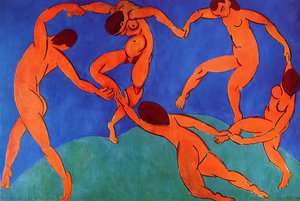
Henri Matisse’s “The Arm,” painted in 1938, isn't merely a depiction of a woman’s limb; it’s an explosion of vibrant emotion rendered with the audacious spirit that defined the Fauvist movement. This intimate yet powerfully expressive work immediately commands attention, drawing the viewer into a world where color reigns supreme and traditional representational concerns are delightfully abandoned. The painting captures a fleeting moment – perhaps a gesture, a contemplation – imbued with a sense of intense feeling through Matisse’s masterful manipulation of hue and brushstroke. It's a testament to his belief that color itself could be a subject, capable of conveying mood, emotion, and even narrative.

The Arm by Henri Matisse

Color and Composition: A Symphony of Contrasts

At first glance, the composition appears deceptively simple: a green dress against a backdrop of blue. However, this is precisely where Matisse’s genius lies. He doesn't merely paint colors; he orchestrates them. The intense emerald green of the dress vibrates against the cool, almost ethereal blue of the background, creating a dynamic tension that immediately grabs the eye. These aren’t naturalistic shades; they are deliberately heightened and saturated, characteristic of Fauvist technique. Notice how Matisse employs thick, visible brushstrokes – a deliberate rejection of illusionism – to build up layers of color and texture. The interplay between these bold hues generates a palpable sense of energy and movement, suggesting not just the form of the arm but also the underlying passion within.

  • Green: Represents vitality, growth, and perhaps even sensuality, anchoring the composition with its richness.
  • Blue: Evokes a feeling of serenity and distance, providing a counterpoint to the vibrant green and creating visual interest.
  • Red & Orange (implied): Hints of these warm tones within the background contribute to the overall sense of dynamism and emotional intensity.

Fauvism: A Revolutionary Approach

“The Arm” is a quintessential example of Fauvist art, a movement that emerged around 1904 and profoundly challenged the established conventions of painting. The term “Fauve,” meaning “wild beast,” aptly describes this style’s unrestrained use of color and its rejection of academic realism. Matisse, along with André Derain, spearheaded this revolution, prioritizing expressive power over accurate representation. This wasn't about depicting reality; it was about conveying feeling through the language of color. The painting reflects a shift towards subjective experience, where the artist’s emotional response becomes paramount. It’s important to note that Matisse’s work in Fauvism built upon earlier influences, particularly the Impressionists and Post-Impressionists, but he pushed these ideas to their most radical conclusion.

Orientalist Echoes and a Universal Appeal

Beyond its purely Fauvist qualities, “The Arm” also reveals subtle echoes of Orientalist themes – a stylistic influence that was prevalent in Matisse’s work. The use of bold patterns and vibrant colors reminiscent of Middle Eastern textiles suggests an awareness of the exotic and the sensual. However, unlike traditional Orientalist paintings, which often depicted idealized or romanticized scenes, Matisse's approach is far more direct and emotionally charged. The painting transcends its specific influences, offering a universal exploration of human form and emotion—a testament to Matisse’s ability to distill complex ideas into a single, captivating image. It invites contemplation on themes of beauty, desire, and the power of color to evoke profound feelings.

Frågor och svar

Från vilken period är "The Arm" av Henri Matisse?

"The Arm" av Henri Matisse härstammar från Modernismen-perioden, vilket ger verket dess historiska sammanhang.

Var kan jag hitta statistik för "The Arm" av Henri Matisse?

Sidan Besöksstatistik för "The Arm" av Henri Matisse presenterar statistik över publika besök: månatliga besök för detta konstverk, en jämförelse med konstnärens mest sedda verk samt varifrån besökarna kommer.

Vilken typ av verk är "The Arm"?

"The Arm" av Henri Matisse är klassificerat som Väggkonst. Kategorin beskriver vilken typ av konstverk originalet är.

More about this painting

Förhandsvisa Förhandsgranska i AR Byt till tryck Byt till digital bild Skicka
Visa detaljer Guide Lägg till i favoriter Ladda ner Liknande objekt Röntgen Bildspel Q&A Statistik

In numbers

  • 1938the year it was painted
  • 29frames to choose from
  • standard sizes, in its own proportions
  • 5weeks to paint and deliver it
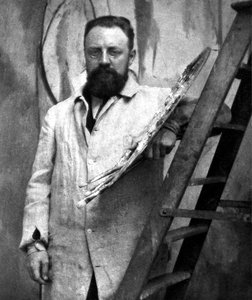
Henri Matisse

Henri Matisse

1869 - 1954, Frankrike

Quick facts about Henri Matisse

  • Artistic Movement Or Style: Fauvism
  • Artists Or Movements Influenced By This Artist:
    • Modernism
    • Expressionism
  • Artists Who Influenced This Artist:
    • Van Gogh
    • Chardin
    • Russell
  • Date Of Birth: 31 december 1869
  • Date Of Death: 1954
  • Full Name: Henri Émile Benoît Matisse
  • Nationality: Fransk
  • Notable Artworks: ['The Gourds']
  • Place Of Birth: Le Cateau-Cambrésis, Frankrike

Konstnärsbiografi

Ett liv i färg: Henri Matisse och fauvismens genombrott

Henri Émile Benoît Matisse, född den 31 december 1869 i den lilla nordfranska staden Le Cateau-Cambrésis, var inte från början ämnad för ett liv präglat av pigment och form. Efter sina studier i juridik i Paris vände hans liv drastiskt när han insjuknade i blindtarmsinflammation 1889. Sängbunden upptäckte han en slumrande passion som tändes av den enkla handlingen att måla med ett set konstmaterial som hans mor hade gett honom. Detta var inte bara en tidsfördriv, utan en uppenbarelse – en vändpunkt som styrde honom bort från juridiska dokument och in i en värld där färg skulle bli hans språk och duken hans domän. Uppvuxen i Bohain-en-Vermandois, son till spannmålshandlare, verkade Matisse initialt osannolik att omfamna konstnärens bohemiska livsstil, men fröet hade såtts, vårdats av konvalescens och blomstrat ut i en livslång hängivenhet. Han inskrevs på Académie Julian och senare på École Nationale des Beaux-Arts, där han studerade under William-Adolphe Bouguereau och Gustave Moreau, absorberade klassiska tekniker som skulle lägga grunden för hans framtida innovationer. Tidiga verk speglade denna akademiska träning, visade skicklighet men saknade den distinkta röst som snart skulle definiera honom.

Från tradition till revolution: påverkan och fauvismens födelse

En avgörande vändpunkt kom 1896 under ett besök i Belle-Île med australiensiske målaren John Russell. Detta möte visade sig vara transformativt. Russell introducerade Matisse för impressionismens livfulla värld och, viktigare, för Vincent van Goghs känsloladdade dukar. Effekten var djupgående. Van Goghs uttrycksfulla användning av färg krossade Matisses tidigare återhållsamma palett och uppmanade honom till ett djärvare, mer subjektivt förhållningssätt. Han började röra sig bort från jordfärger och omfamnade nyanser som resonerade med känsla snarare än strikt representation. Denna utforskning kulminerade i framväxten av fauvismen runt 1905 – en rörelse där Matisse blev en ledande figur. Själva namnet, som betyder "vilda djur", var ursprungligen nedsättande och tilldelades gruppen av en kritiker på grund av deras chockerande livfulla och icke-naturalistiska målningar som ställdes ut på Salon d'Automne. Matisse, tillsammans med konstnärer som André Derain och Maurice de Vlaminck, hyllade intensiv färg som ett självständigt uttrycksmedel och förenklade formerna för att förstärka dess effekt. Målningar som *The Gourds* (1905) exemplifierar denna stil – en explosion av röda, gröna och gula färger applicerade med en frihet som trotsade traditionellt perspektiv och mimisk noggrannhet. Kännetecknande drag inkluderade intensivt mättade paletter, förenklade former, uttrycksfulla penseldrag och ett medvetet avståndstagande från konventionell representation till förmån för emotionell resonans.

Harmoni och dekoration: en ny riktning

Efter den initiala entusiasmen kring fauvismen genomgick Matisses stil en subtil men betydelsefull utveckling. Även om han aldrig övergav sin kärlek till färg, blev hans verk mer raffinerade och lutade mot ett dekorativt estetiskt uttryck som betonade platta former och intrikata mönster. Han utforskade teman som fritid, hemmaliv och den mänskliga figuren i lugna miljöer och skapade kompositioner som kändes både harmoniska och emotionellt resonanta. En flytt till Nice på Franska Rivieran 1917 påverkade ytterligare denna förändring och gav hans verk en känsla av serenitet och klassisk balans. Han började fokusera på att skapa miljöer – målningar, skulpturer och dekorativa föremål – som omslöt betraktaren i en atmosfär av skönhet och lugn. Denna period såg honom experimentera med olika media, inklusive keramik och textilier, vilket utvidgade hans konstnärliga vision bortom den traditionella duken. Han målade inte bara scener; han konstruerade världar som var utformade för att framkalla ett specifikt emotionellt svar.

Sena år: innovation genom begränsning

När försämrad hälsa begränsade Matisses förmåga att måla på konventionella sätt, gav han sig in i ett extraordinärt nytt kapitel i sin konstnärliga resa – skapandet av pappersklippskollage, eller *découpages*. Börjande runt 1947 föddes dessa verk ur nödvändighet. Sängbunden kunde han inte fysiskt stå och måla, men han kunde fortfarande manipulera papper med saxen. Det som började som en praktisk lösning utvecklades till en banbrytande konstnärlig teknik. Han skulle måla stora ark av papper i livfulla färger, sedan klippa dem i former – organiska former, löv, figurer – och arrangera dem på duken, skapa kompositioner som var både dynamiska och bedrägligt enkla. Dessa *découpages* var inte bara ersättningar för målning; de representerade ett nytt sätt att tänka kring färg, form och komposition. De fortsatte hans livslånga utforskning av dessa element och visade en bestående konstnärlig vision även inför fysiska begränsningar.
  • Pappersklippstekniken gjorde det möjligt för honom att uppnå en renhet i form och färg som var svår att uppnå med färg.
  • Dessa verk refererade ofta till tidigare teman och motiv från hans målningar, men presenterades på ett fräscht och innovativt sätt.
  • De demonstrerade hans förmåga att anpassa sig och utvecklas som konstnär under hela sin karriär.

Ett bestående arv: Matisses inverkan på modern konst

Henri Matisse dog i Nice 1954 och lämnade efter sig ett verk som fortsätter att inspirera och fängsla publik över hela världen. Hans inverkan på konstvärlden är obestridlig; han utmanade konventionella föreställningar om representation, hyllade färgens uttrycksfulla kraft och banade väg för framtida generationer av konstnärer. Ofta betraktad tillsammans med Pablo Picasso som en av de mest inflytelserika figurerna inom 1900-talets konst, formade Matisse grundligt modernismen. Hans arv sträcker sig bortom hans konstverk själva – det omfattar en filosofi som firar glädje, skönhet och färgens transformerande potential. Han målade inte bara det han såg; han skapade en emotionell upplevelse för betraktaren och bjöd in dem att dela med sig av hans vision om en värld badad i ljus och livfulla nyanser. Matisses inflytande kan ses i otaliga verk av konstnärer inom olika discipliner, vilket befäster hans plats som en sann mästare inom modern konst – en målare som vågade se världen inte som den är, utan som den skulle kunna vara, fylld med färg, harmoni och gränslösa möjligheter.