

 Förhandsvisa
 Skicka
 Dela
Dela
 Visa detaljer
 Guide
Guide

 Ladda ner
 Liknande objekt
 Röntgen
 Bildspel
 Statistik
Registration
 1940
1940- Modern
 55.0 x 76.0 cm
 Woodhorn Museum - Northumberland Archives
 Visa mer
Handgjord oljereproduktion
Handmålad olja på duk i din valda storlek och ram, tillverkad efter beställning av våra konstnärer. ( Byt till tryck Byt till digital bild)




P118B Skr10

P118H Skr10

P118W Skr10

P438Z Skr10

P508JH Skr12

P508YH Skr12

P805H Skr10

P805Z Skr10

P919BZ Skr10

P919G Skr10

P919XJ Skr10

P959ZH Skr10

P968JZ Skr12

W106C Skr8

W218G Skr10

W218JH Skr8

W218Y Skr10

W307PJ Skr10

W316G Skr10

W316PJ Skr8

W316Y Skr10

W398PJ Skr8

W4111J Skr10

W500HY Skr15

W500JH Skr15

W692G Skr12

W849H Skr8

W940BG Skr15

W953PJ Skr8




Välj bland våra förinställda storlekar som motsvarar konstverkets ursprungliga proportioner.

Ange den bredd och höjd du behöver för att passa din ram eller din vägg. Eftersom detta är handmålat kan konstnären, vid ett annat format, måla lite mer runt bilden eller beskära den något – det är du som väljer. Vi skickar en digital mockup för godkännande innan målningen påbörjas. Bilden som visas på denna sida representerar inte det slutgiltiga resultatet — det är endast mockuppen som visar det.
Efter beställning kommer OriginalUniqueArt.com team att mejla kunden för instruktioner och tillhandahålla en skissförhandsvisning
Leverans över hela världen () på 3–4 veckor istället för standard 5 veckor. (27 oktober). Inga kompromisser med kvaliteten.

Fri expressfrakt över hela världen

Högkvalitativ linnecanvas

Fullständig fraktförsäkring

Garantier för återbetalning av tullavgifter

Garantier för exakt färgåtergivning

100 dagars returrätt (endast vid fel)

100% pengarna tillbaka-garanti

Mängdrabatt erbjuds
 Glasalternativet är endast tillgängligt i storlekar under 110 cm.

Registration
Reproduktionsmetod
Storlek på reproduktion
-


Slutgiltigt pris
Skr 2987
A Symphony of Social Connection
In the evocative masterpiece Registration, painted in 1940 by Harry Wilson, we are invited into a world that pulses with the quiet energy of human connection. This large-scale group portrait captures a moment frozen in time, where a room becomes a stage for the intricate dance of social interaction. As the eye wanders across the canvas, it encounters a diverse assembly of figures gathered around a central dining table, their lives momentarily intertwined by the shared experience of a communal meal or a lively gathering. The composition is masterfully orchestrated; some individuals are lost in deep, private conversation, while others stand poised on the periphery, adding layers of depth and movement to the scene. It is a painting that does not merely depict a room, but rather captures the very essence of atmosphere—the warmth of companionship and the subtle, overlapping rhythms of a shared afternoon.
The setting itself serves as a silent protagonist in this narrative. The room is richly textured with the artifacts of lived experience: delicate cups and bowls rest upon the table alongside books that hint at intellectual pursuits, while a solitary clock hangs upon the wall, a poignant reminder of the fleeting nature of such intimate gatherings. Every corner of the canvas offers a new discovery, from the soft presence of a potted plant to the domestic comfort of a nearby couch and fireplace. Even the inclusion of two dogs, positioned subtly on either side of the frame, adds a layer of domestic tranquility and life, grounding the social spectacle in a sense of home and hearth. This meticulous attention to detail creates a sense of "lived-in" realism that allows the viewer to step directly into the scene.
Technique and the Art of Atmosphere
Wilson’s technique in Registration demonstrates a profound command over light and spatial arrangement. The artist employs a style that balances the structured reality of the figures with an almost impressionistic fluidity in the background elements. There is a deliberate play of light that dances across the surfaces of the glassware and the folds of clothing, creating a sense of luminosity that breathes life into the composition. This mastery of light serves to unify the disparate elements of the room—the people, the animals, and the objects—into a singular, cohesive emotional experience. The brushwork, while precise enough to define the characters' presence, possesses a softness that prevents the scene from feeling static or staged.
For the discerning collector or interior designer, this piece offers an unparalleled opportunity to introduce a sense of narrative depth and sophisticated warmth into a space. Registration is more than a decorative element; it is a conversation starter, a window into a bygone era of social elegance and domestic intimacy. Its ability to evoke both nostalgia and a vibrant, present-tense energy makes it a versatile choice for grand dining rooms, stately libraries, or contemporary living spaces seeking a touch of historical soul. To possess a reproduction of this work is to bring the timeless beauty of human togetherness into one's own environment, creating an atmosphere of cultured tranquility and enduring grace.
Frågor och svar
Hur många personer ser "Registration"?
Sidan Besöksstatistik för "Registration" av Harry Wilson presenterar statistik över publika besök: månatliga besök för detta konstverk, en jämförelse med konstnärens mest sedda verk samt varifrån besökarna kommer.
Vilket motiv och vilken atmosfär förenar "Registration" av Harry Wilson?
"Registration" av Harry Wilson förenar group portrait, dining scene, social gathering, interior, people, dogs, still life elements med en Nostalgic atmosfär.
Hur laddar jag ner bilden av "Registration" av Harry Wilson?
"Registration" av Harry Wilson kan laddas ner som en högupplöst digital bildnedladdning via verkets sida för Ladda ner digital bild.
Relaterade artiklar

Aesthetic Gastronomy: The Role of Curated Art Collections in Shaping Perceptions of Michelin-Starred Dining Experiences
Discover how curated art collections elevate Michelin-starred dining experiences. Expert insights on sensory branding, emotional intelligence & ROI for luxury restaurants and hotels. Transform your space with OriginalUniqueArt.
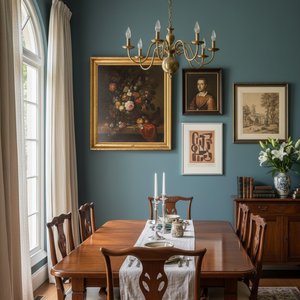
Cultivating Ambiance: Selecting Art Reproductions for the Dining Room – A Historical & Aesthetic Guide
Elevate your dining room with expertly curated art reproductions! Explore historical context, aesthetic considerations & modern applications for a captivating space. Discover the perfect artwork to inspire conversation and enhance every meal.

Visual Gastronomy: Curating Art Experiences Across Dining Zones – A Tasting Menu Approach to Bar, Lounge & Restaurant Design
Elevate your dining space with art! Discover how strategic curation & bespoke commissions transform bars, lounges & restaurants into immersive experiences. Expert insights for hotel designers & commercial projects.
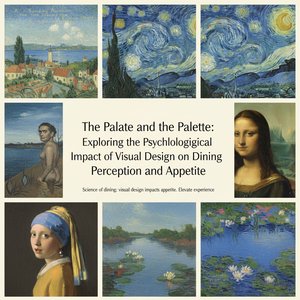
The Palate and the Palette: Exploring the Psychological Impact of Visual Design on Dining Perception and Appetite
Explore the science of dining! Discover how visual design impacts appetite & perception. Expert insights for hotel designers & restaurateurs to elevate the customer experience.

1940-talets Mästverk: 10 Konstverk som Speglar En Epok – OriginalUniqueArt
Upptäck 10 ikoniska konstverk från 1940-talet! Fördjupa dig i berättelserna bakom mästerverk av Pollock, Kahlo och Hopper. Hitta inspiration & köp museumkvalitativa reproduktioner på OriginalUniqueArt.com – för en tidlös heminredning.