
 Förhandsvisa
 Skicka
 Dela
Dela
 Visa detaljer
 Guide
Guide

 Ladda ner
 Liknande objekt
 Röntgen
 Bildspel
 Frågor och svar
 Statistik
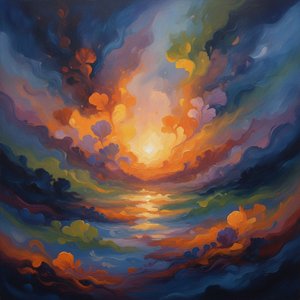
Blues Festival

- 74.0 x 74.0 cm


 Visa mer
Konstverket som visas på denna sida skyddas av upphovsrättslagen, vilket innebär att vi inte lagligt kan skapa eller sälja en identisk reproduktion. Detta skydd upprätthålls genom internationella avtal såsom den Bernkonventionen och genom nationella lagar, inklusive de som fastställs av Amerikansk upphovsrättslag – Titel 17. Alla rättigheter förbehållna. Återgivning av konstverk är förbjuden utan skriftligt tillstånd från WahooArt.
Denna metod följer fullt ut upphovsrättsliga regler eftersom den inte innebär kopiering eller duplicering av det skyddade konstverket. Istället är det en kreativ nytolkning – en ny målning som är influerad av originalet men inte identisk med det.
Giclée / Konsttryck
Giclée- eller canvasprint av museumskvalitet med snabb produktion och flexibla ytbehandlingsalternativ. ( Beställ handmålad reproduktion Byt till digital bild)




































Välj bland våra förinställda storlekar som motsvarar konstverkets ursprungliga proportioner.

Ange den bredd och höjd du behöver för att passa din ram eller vägg. Ett tryck kan endast beskäras, aldrig göras större än originalbilden, vilket innebär att ett format med en annan proportion leder till att en del av bilden går förlorad. Vi skickar en digital mockup för godkännande innan vi påbörjar tryckningen. Bilden som visas på denna sida visar inte den faktiska beskärningen — det är endast mockuppen som gör det.
Leverans över hela världen () på 2 veckor istället för standard 4/5 veckor. (6 november)

Fri expressfrakt över hela världen

Högkvalitativ linnecanvas

Fullständig fraktförsäkring

Garantier för återbetalning av tullavgifter

Garantier för exakt färgåtergivning

100 dagars returrätt (endast vid fel)

100% pengarna tillbaka-garanti

Mängdrabatt erbjuds
 Glasalternativet är endast tillgängligt i storlekar under 110 cm.

Blues Festival
Giclée / Konsttryck
Storlek på reproduktion
-


Slutgiltigt pris
Skr 809
The Artist's Vision
Harry Walker's use of vibrant colors and bold brushstrokes brings the Blues Festival to life. The blue and white hues of the guitars seem to dance across the canvas, evoking the energetic rhythms of a live music performance. This painting is not just a visual representation of music, but an immersive experience that invites the viewer to join in the celebration.Artistic Influences
The Blues Festival painting is reminiscent of other notable artworks that feature music as a central theme. For example, the My Turn Next by Richard Dickie Doyle and Interrupted Happiness by Octavius Oakley also explore the relationship between music and art. These paintings, like Blues Festival, demonstrate the power of art to evoke emotions and capture the essence of human experience.- Handmade oil painting reproductions are a unique way to own a piece of art history.
- The Royal West of England Academy is a renowned institution that showcases an impressive collection of artworks.
- Music and art have long been intertwined, with many artists drawing inspiration from the rhythms and melodies of music.
The Blues Festival painting is a testament to the enduring power of art and music to bring people together and evoke strong emotions. As a handmade oil painting reproduction, it offers a unique opportunity to own a piece of art history that will continue to inspire and delight for generations to come.
Frågor och svar
Hur passar "Blues Festival" in i Harry Walkers teman och stil?
"Blues Festival" delar med Harry Walkers övriga verk sin Geometric Abstraction-stil och de återkommande temana: media & music echoes, social commentary subtle, abstracted american soul, exploring rhythm & form, televisionism's legacy", visualizing soundscapes, expanding artistic bounds, recurring geometric themes".
Är färgerna i "Blues Festival" av Harry Walker mättade eller dämpade?
Färgpaletten i "Blues Festival" har en mättnad på Clear Color Presence.
Finns det ett bildspel för "Blues Festival" av Harry Walker?
"Blues Festival" av Harry Walker kan visas som ett bildspel på verkets Bildspel-sida.
Konstnärsbiografi
A Visionary of the Canvas: The Artistic Journey of Harry Walker
In the vibrant landscape of contemporary art, few voices resonate with as much unique complexity as Harry Walker. Born in 1947, this French-born painter, who found his creative home in Adelaide, South Australia, has carved out a niche that defies simple categorization. His work serves as a profound bridge between the weight of historical tradition and the frenetic energy of modern existence. Walker is perhaps most notably recognized for his exploration of televisionism—a concept through which he examines how media and visual culture reshape our perception of reality. Through his lens, the screen and the canvas become intertwined, reflecting a world where history and digital immediacy constantly collide.
Walker’s artistic identity is deeply rooted in a mastery of both classical technique and experimental color theory. While much of his early biographical narrative remains a private tapestry, his formal training at the Adelaide University School of Art provided him with a formidable foundation. It was here that he honed his skills in oil painting, developing a command over light and texture that would later allow him to navigate between the realms of figurative realism and the expressive, emotive power of Fauvism. This duality is the heartbeat of his oeuvre; he possesses the ability to ground a subject in recognizable reality while simultaneously bathing it in a palette that feels dreamlike and psychologically charged.
The Language of Color and Symbolism
To encounter a Walker painting is to enter a world where color functions as much more than mere pigment. Drawing significant inspiration from the masters of Impressionism and Fauvism, particularly the structural brilliance of Cézanne and the revolutionary color language of Picasso, Walker utilizes bold, often unexpected hues to evoke deep emotional responses. In works such as ‘Corsham Still Life,’ one sees this playful yet profound aesthetic in full bloom, where vibrant tones dance across the surface to create a modern, almost rhythmic atmosphere.
His thematic range is equally vast, moving seamlessly from the intimate to the sociopolitical. Walker’s work often captures the quiet, nuanced psychological states of his subjects, yet he is equally capable of addressing grander narratives of identity and heritage. His depictions of the Australian Outback landscapes offer a soulful connection to the land, while his more complex figurative works confront the intricacies of human connection. In pieces like ‘Untitled’ (2006), he captures the sophisticated energy of social leisure, using the setting of a tennis match to symbolize the joy of communal engagement and physical vitality in an increasingly digital age.
Legacy and Artistic Significance
The significance of Harry Walker’s contribution to contemporary art lies in his ability to make the viewer look twice at the familiar. Whether he is celebrating the rhythmic energy of music in ‘Blues Festival’ or confronting the heavy, historical weight of identity through symbolic imagery, his work demands an active, emotional participation from the observer. His paintings do not merely represent scenes; they act as windows into the tension between what we see and what we feel.
Throughout his career, Walker has achieved notable recognition, with his works finding homes in prestigious institutions such as the Walker Art Center and the Harris Museum – Art Gallery. His ability to participate in international exhibitions has cemented his status as a respected figure whose work transcends geographical boundaries. As he continues to explore the intersections of media, history, and the human condition, Walker remains a vital presence in the art world—a painter who reminds us that even in a world saturated by images, the hand-painted stroke retains an unmatched power to capture the soul.

Harry Walker
1947 -
Kortfakta
- Full Name: Harry Walker
- Nationality: French
- Date Of Birth: 1947
- Notable Artworks:
- Blues Festival
- Kara Walker: Darkytown Rebellion, 2001
- Corsham Still Life
- Artistic Movement Or Style: Televisionism
Relaterade artiklar
The Soul of Color: A Journey into the Emotional Resonance of Lyrical Abstraction
Embark on a cultural journey through Lyrical Abstraction. Explore how masters like Kandinsky used color and motion to translate emotion into visual poetry. Discover the profound beauty of abstract expressionism and learn to curate emotional resonance in your own art collection.

Kandinskys 25 Mästerverk: En Färgstark Resa i Abstrakt Konst | OriginalUniqueArt
Utforska Wassily Kandinskys 25 mest ikoniska verk – från expressionism till abstrakt konst. Lär känna historien bakom mästerverken och hitta inspiration för din heminredning med OriginalUniqueArt.com. Upptäck hela samlingen online!

Topp 10 mästerverk inom abstrakt expressionism – konst för ditt hem | OriginalUniqueArt.com
Utforska de 10 mest inflytelserika verken inom abstrakt expressionism – från Rothkos färgfält till Pollocks action painting. Lär känna konstnärerna och deras teknik. Hitta museumskvalitativa tryck på OriginalUniqueArt.com och förvandla ditt hem med tidlös konst!

Geometrisk Abstraktion: Topp 10 Mästverk som Formade Konsten | OriginalUniqueArt.com
Utforska de 10 mästerverk som definierade geometrisk abstraktion! Lär känna Mondrian, Kandinsky & Malevich. Hitta inspiration och museumskvalitativa konsttryck för ditt hem på OriginalUniqueArt.com. Upptäck hela samlingen online!

De 10 mest ikoniska målningarna i nyansen 'Skifferblått' – Konst & Inredning
Utforska de 10 mest ikoniska målningarna dominerade av nyansen 'skifferblått'. Lär känna Monet, Van Gogh & andra mästare. Hitta inspiration för din inredning och köp museumkvalitativa konsttryck på OriginalUniqueArt.com – din källa till tidlös skönhet.