Meny
Text size

() ·

A painting made for you, by hand

Handgjord oljereproduktion

Handmålad olja på duk i din valda storlek och ram, tillverkad efter beställning av våra konstnärer. ( Byt till tryck Byt till digital bild)

Beskrivning av samlarobjekt

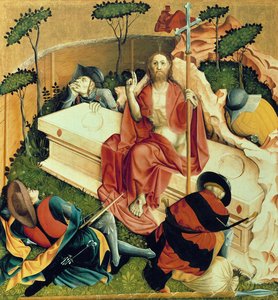
Discover Hans Multscher’s ‘Resurrection’ (1437) – a stunning medieval painting of Christ's deposition. Rich colors, detailed figures & pyramidal composition. Explore this masterpiece!

Konstnärens biografi

"meta_description": "Hans Multscher (1400-1467) var en pionjär för tysk realism och skulptur. Känd för Wurzach Altarets detaljerade målningar och sin roll i att brygga gapet mellan senmedeltida och renässanskonst."

from ·

Chapter 1

How large should it be?

Slide to change the size; the wall on the left shows it at its real scale. The proportions of the original are kept.

Standardstorlek
skräddarsydd
CM
INCH

Välj bland våra förinställda storlekar som motsvarar konstverkets ursprungliga proportioner.

bredd
höjd

Ange den bredd och höjd du behöver för att passa din ram eller din vägg. Eftersom detta är handmålat kan konstnären, vid ett annat format, måla lite mer runt bilden eller beskära den något – det är du som väljer. Vi skickar en digital mockup för godkännande innan målningen påbörjas. Bilden som visas på denna sida representerar inte det slutgiltiga resultatet — det är endast mockuppen som visar det.

Chapter 2

How should it arrive?

Choose the edges of the stretched canvas

Choose your frame

Corner sample of the WhiteWrap canvas edge finish, stretched on massivt trä bars
White Skr1
Corner sample of the BlurSideWrap canvas edge finish, stretched on massivt trä bars
Blurside Skr1
Corner sample of the ExtendedWrap canvas edge finish, stretched on massivt trä bars
Extended Skr1
Corner sample of the P118B picture frame: formgjuten polystyren, 5 cm wide and 3 cm thick
P118B Skr10
Corner sample of the P118H picture frame: formgjuten polystyren, 5 cm wide and 3 cm thick
P118H Skr10
Corner sample of the P118W picture frame: formgjuten polystyren, 5 cm wide and 3 cm thick
P118W Skr10
Corner sample of the P438Z picture frame: formgjuten polystyren, 5.5 cm wide and 3.5 cm thick
P438Z Skr10
Corner sample of the P508JH picture frame: formgjuten polystyren, 7 cm wide and 3.5 cm thick
P508JH Skr12
Corner sample of the P508YH picture frame: formgjuten polystyren, 7 cm wide and 3.5 cm thick
P508YH Skr12
Corner sample of the P805H picture frame: formgjuten polystyren, 5 cm wide and 3.5 cm thick
P805H Skr10
Corner sample of the P805Z picture frame: formgjuten polystyren, 5 cm wide and 3.5 cm thick
P805Z Skr10
Corner sample of the P919BZ picture frame: formgjuten polystyren, 7 cm wide and 3.5 cm thick
P919BZ Skr10
Corner sample of the P919G picture frame: formgjuten polystyren, 7 cm wide and 3.5 cm thick
P919G Skr10
Corner sample of the P919XJ picture frame: formgjuten polystyren, 7 cm wide and 3.5 cm thick
P919XJ Skr10
Corner sample of the P959ZH picture frame: formgjuten polystyren, 5 cm wide and 3 cm thick
P959ZH Skr10
Corner sample of the P968JZ picture frame: formgjuten polystyren, 6 cm wide and 4 cm thick
P968JZ Skr12
Corner sample of the W106C picture frame: massivt trä, 5 cm wide and 3 cm thick
W106C Skr8
Corner sample of the W218G picture frame: massivt trä, 5 cm wide and 3 cm thick
W218G Skr10
Corner sample of the W218JH picture frame: massivt trä, 5 cm wide and 3 cm thick
W218JH Skr8
Corner sample of the W218Y picture frame: massivt trä, 5 cm wide and 3 cm thick
W218Y Skr10
Corner sample of the W307PJ picture frame: massivt trä, 6 cm wide and 3 cm thick
W307PJ Skr10
Corner sample of the W316G picture frame: massivt trä, 6 cm wide and 3 cm thick
W316G Skr10
Corner sample of the W316PJ picture frame: massivt trä, 6 cm wide and 3 cm thick
W316PJ Skr8
Corner sample of the W316Y picture frame: massivt trä, 6 cm wide and 3 cm thick
W316Y Skr10
Corner sample of the W398PJ picture frame: massivt trä, 5 cm wide and 3 cm thick
W398PJ Skr8
Corner sample of the W4111J picture frame: massivt trä, 6.5 cm wide and 3.5 cm thick
W4111J Skr10
Corner sample of the W500HY picture frame: massivt trä, 7 cm wide and 5 cm thick
W500HY Skr15
Corner sample of the W500JH picture frame: massivt trä, 7 cm wide and 5 cm thick
W500JH Skr15
Corner sample of the W692G picture frame: massivt trä, 8 cm wide and 4 cm thick
W692G Skr12
Corner sample of the W849H picture frame: massivt trä, 5 cm wide and 3 cm thick
W849H Skr8
Corner sample of the W940BG picture frame: massivt trä, 7.5 cm wide and 4.5 cm thick
W940BG Skr15
Corner sample of the W953PJ picture frame: massivt trä, 6 cm wide and 3.5 cm thick
W953PJ Skr8
Corner sample of the H24-GOLD picture frame: snidad trä med gesso, 10 cm wide and 6 cm thick
H24-GOLD Skr30
Corner sample of the H24-SILVER picture frame: snidad trä med gesso, 10 cm wide and 6 cm thick
H24-SILVER Skr30
Corner sample of the H36-GOLD picture frame: snidad trä med gesso, 15 cm wide and 6.5 cm thick
H36-GOLD Skr45
Corner sample of the H36-SILVER picture frame: snidad trä med gesso, 15 cm wide and 6.5 cm thick
H36-SILVER Skr45
Förhandsvisning av ram
Inramad

Moulding: . Overall size with the frame: .

Chapter 3

Who paints it, and should anything change?

Examples of what can be changed: Replace face with customer photo; Add pet (e.g., replace cat with dog); Include hidden message in background; Change background landscape or elements.

After order, OriginalUniqueArt.com team will email client for instructions and provide a mockup preview

Leverans över hela världen () på 3–4 veckor istället för standard 5 veckor. (29 oktober). Inga kompromisser med kvaliteten.

Chapter 4

The finishing touches

A nameplate, as in a museum?

Detaljer för graverad bronsplatta

This elegant plaque features the artist's name and the title of the artwork, finely engraved for a timeless presentation.

It is made from bronze with a refined, elegant finish. The text is precisely laser-engraved for a sharp and permanent result. Measuring 9x2 cm, the plaque is compact yet easy to read. It's built to be durable and scratch-resistant, offering a professional, museum-quality look. Mounting is simple thanks to the included adhesive backing.

Detaljer för transparent akrylplatta

The plaque includes essential engraved details such as the artist's name, the title of the artwork, the date it was created, the type of media used-like oil on canvas or watercolor-a brief description of the piece, and a QR code that links to the complete artwork information.

It is crafted from clear acrylic, offering a sleek, modern appearance. The text is UV-engraved in black to ensure strong visual contrast. With a size of 10x15 cm, it ensures optimal readability. It comes equipped with two metal hooks for secure wall mounting. The plaque is designed to be weather-resistant, making it suitable for various environments, and it includes interactive features that work seamlessly with smartphone scanning.

Detaljer för svart akrylplatta

This elegant plaque includes engraved information such as the artist's name, the title of the artwork, the date it was created, the type of media used (like oil on canvas or watercolor), a short description of the artwork, and a QR code for quick access to more information.

The plaque itself is made from refined black acrylic with a premium finish. The text is laser-engraved in white for high contrast and readability. Its size is 10x15 cm, designed to be easy to read. It comes with two metal hooks for professional mounting. The design is sleek and fits any interior style. It is also weather-resistant and durable, with built-in digital integration for mobile compatibility.

A protective varnish?

When do you need it?

Chapter 5

Your painting, as you ordered it

Resurrection

Reproduktionsmetod

Storlek på reproduktion

-

Elitkonstnär av högsta klass

Mer detaljrikedom, finess och extra produktionstid

-

Inramning av reproduktion

-

-

För konstverk eller reproduktioner som är större än 105 cm (cirka 41 tum) på någon sida, levereras ramen som ett isärplockat kit. Denna metod säkerställer en trygg leverans och förhindrar skador under transport.

Professionell montering krävs – detta är inte en produkt för självmontering.
Kitet måste monteras och duken spännas av en erfaren professionell inramare med hjälp av trälim (ingår ej), en spänntång för duk och klämmor för att hålla sargen rak medan limmet torkar. Felaktig montering eller ojämn spänning av duken kan orsaka permanenta skador på konstverket och täcks inte av vår garanti.

  • Alla massiva träribbor ingår, exakt tillkapade efter mått.

  • Monteras med de medföljande skruvarna, samt trälim för hörnfogarna, vilket inte ingår och måste anskaffas av din ramverkare.

  • Professionella verktyg krävs och ingår ej: en dukspännare och klämmor för att hålla listerna raka medan limmet torkar.

Viktigt:
Hörnjunctionerna kräver trälim, listerna måste hållas på plats med tvingar tills limmet har torkat helt, och för att spänna duken på den monterade ramen krävs en spänntång för duk. Inget av detta ingår i kitet. Vänligen kontakta en erfaren professionell rammakare innan du beställer denna storlek.

Namnskylt

-

-

Skyddande fernissa

Glansig fernissa (förstärker färgerna, skyddar mot ljus och fukt)

-

Anpassa mitt konstverk

Exempel på vad som kan ändras: Byt ut ansiktet mot ett foto från kunden; Lägg till ett husdjur (t.ex. byt ut en katt mot en hund); Inkludera ett dolt meddelande i bakgrunden; Ändra bakgrundens landskap eller detaljer.

-

Expressleverans

Leverans över hela världen () inom 3–4 veckor istället för standardiserade 5 veckor. (29 oktober). Inga kompromisser med kvaliteten.

-

Expressleverans

Leverans över hela världen () inom 5 veckor. (5 november).

Ingår

Slutgiltigt pris

Skr 3751

Totalt pris Skr 3751

Glasalternativet är endast tillgängligt i storlekar under 110 cm.

Included with every order

  • Fri expressfrakt över hela världen
  • Högkvalitativ linnecanvas
  • Fullständig fraktförsäkring
  • Garantier för återbetalning av tullavgifter
  • Garantier för exakt färgåtergivning
  • 100 dagars returrätt (endast vid fel)
  • 100% pengarna tillbaka-garanti
  • Mängdrabatt erbjuds

A Window Into Medieval Grief: Hans Multscher’s “Resurrection”

Hans Multscher's "Resurrection," painted in 1437, is more than just a depiction of Christ’s deposition; it’s a profound meditation on loss, faith, and the transition between earthly existence and the promise of salvation. Executed in the rich, detailed style characteristic of late medieval German art, this panel from the lost Wurzacher Altar offers a remarkably intimate glimpse into the artistic sensibilities of a pivotal figure bridging the Gothic and Renaissance eras. The painting immediately commands attention with its dramatic composition – a pyramidal structure anchored by Christ’s body, carefully arranged to draw the viewer's eye through layers of mourners and architectural elements. The use of linear perspective, though stylized for the time, establishes a convincing sense of depth, while geometric shapes—rectangles defining the coffin, rounded forms representing the human bodies—create a balanced yet emotionally charged scene.

Multscher’s technical mastery is evident in every brushstroke. The meticulous layering of paint achieves remarkable volume and realism, particularly in the drapery and flesh tones – a testament to his skill as both a sculptor and painter. The application of gold leaf accents not only adds visual richness but also subtly elevates the scene, hinting at the divine nature of the subject matter. Notice the careful modeling of light and shadow; it’s not merely decorative, but actively shapes the forms, lending them a tangible presence within the enclosed space. The color palette is deliberately restrained – predominantly reds dominating Christ's body and robes, contrasted with cooler blues and greens in the background landscape – creating a powerful visual dichotomy between suffering and hope.

The Symbolism of Sorrow and Witness

“Resurrection” is deeply laden with symbolic meaning. The scene itself, the deposition of Christ after his crucifixion, speaks volumes about grief and acceptance. Christ’s body, laid upon Mary's lap, embodies both physical suffering and spiritual transcendence. John the Evangelist, positioned as a witness to this pivotal moment, holds aloft his writing tablet – a potent symbol of record-keeping and the preservation of faith. The presence of the other mourners underscores the communal nature of grief, reflecting the shared sorrow felt by the entire community. The soldiers lying asleep represent humanity’s inability to fully comprehend or prevent such profound events, highlighting the mystery at the heart of Christian belief.

Beyond these immediate symbols, the painting engages with broader theological themes. The red cloth draped over Christ's body is a deliberate reference to his blood – a symbol of sacrifice and redemption. The unbroken seals on the sarcophagus suggest that even in death, Christ’s sacrifice remains secure and powerful. The scene powerfully conveys the transition from earthly mortality to eternal life, offering a visual representation of faith’s enduring promise.

A Bridge Between Eras: Multscher's Artistic Legacy

Hans Multscher stands as a crucial figure in German art history, skillfully navigating the stylistic shifts between the late Gothic and burgeoning Renaissance. His travels to northern France and the Netherlands exposed him to the realism and meticulous detail of Early Netherlandish painting – influences that profoundly shaped his own distinctive style. “Resurrection” exemplifies this synthesis; it retains the emotional intensity and symbolic richness of medieval art while incorporating elements of Renaissance perspective and naturalism.

Born in Reichenhofen, Bavaria, around 1400, Multscher’s career was marked by a dedication to both sculpture and painting, as evidenced by his work on the Wurzacher Altar. His workshop produced numerous religious panels, each imbued with his characteristic skill and artistic vision. Today, reproductions of “Resurrection” offer art lovers a chance to experience the profound beauty and emotional depth of this remarkable masterpiece – a testament to Multscher’s enduring legacy as a pioneer of German realism.

Bringing "Resurrection" into Your Space

OriginalUniqueArt offers meticulously crafted, hand-painted reproductions of Hans Multscher's “Resurrection,” allowing you to bring this iconic work of art into your home or office. Our artists replicate the painting’s rich colors, intricate details, and dramatic composition with unparalleled accuracy, ensuring that your reproduction captures the essence of Multscher’s original vision. Whether you are a collector of medieval art, an admirer of German realism, or simply seeking to add a touch of timeless beauty to your surroundings, our “Resurrection” reproductions provide a stunning and authentic representation of this powerful masterpiece.

Explore the full details and dimensions of this exceptional artwork on our website: https://www.wga.hu/html_m/m/multsche/wurzach/4resurr.html

Frågor och svar

Förvaras "Resurrection" i skaparens hemland?

Nej – konstverket förvaras utomlands. "Resurrection" finns i Germany, medan Hans Multscher föddes i Tyskland.

Vilken är den rekommenderade tryckstorleken för "Resurrection" av Hans Multscher?

Rekommenderad tryckstorlek för "Resurrection" av Hans Multscher är Large.

Hur hittar jag konstverk som påminner om "Resurrection" av Hans Multscher?

Hitta verk som liknar "Resurrection" på verkets sida Liknande verk.

In numbers

  • 1437the year it was painted
  • 29frames to choose from
  • standard sizes, in its own proportions
  • 5weeks to paint and deliver it
Hans Multscher

Hans Multscher

1400 - 1467, Tyskland

Kortfakta

  • Artistic Movement Or Style: Sen gotik/renässans
  • Artists Or Movements Influenced By This Artist: ['Sen gotik']
  • Artists Who Influenced This Artist:
    • Nordfranska stilar
    • Nederländska stilar
  • Date Of Birth: c. 1400
  • Date Of Death: 1467
  • Full Name: Hans Multscher
  • Nationality: Tysk
  • Notable Artworks:
    • Wurzacher Altar
    • Maria Magdalena
    • Sorgens man
  • Place Of Birth: Reichenbach, Tyskland

Konstnärsbiografi

A Pioneer of German Realism: The Life and Art of Hans Multscher

Hans Multscher, född omkring 1400 i den lilla bavariska staden Reichenhofen, som idag är en del av Leutkirch im Allgäu, steg fram som en nyckelperson som brottade in mellan den sena gotiska periodens stilistiska övergång och den gryende renässansen i Tyskland. Även om exakta detaljer kring hans tidiga liv förblir knapphändiga, är det tydligt att Multscher besatt ett nyfiket sinne och en skarp konstnärlig blick. Han absorberade inte bara rådande trender; han sökte aktivt efter nya influenser, genomförde resor som djupt formade hans unika estetiska vision. Dessa resor tog sannolikt honom till de konstnärliga centrumen i norra Frankrike och Nederländerna, där han utsattes för den gryende realismen och den minutiösa detaljrikedom som kännetecknade tidig flamländsk målning – en stil som skulle bli ett definierande drag i hans eget verk. År 1427 etablerade Multscher sig som en fri medborgare i Ulm, en blomstrande handelsstad vid Danuvärens strand, vilket markerade en vändpunkt i hans karriär. Där gifte han sig med Adelheid Kitzin och, tillsammans med sin bror Heinrich, grundade ett hantverk som snabbt fick rykte om sin innovativa skulptur och målning.

The Workshop and Artistic Development

Multschers verkstaden var inte bara en produktionsplats; det var en katalysator för konstnärlig experimentering. Hans övervakade ett betydande team – register visar att det vid vissa tillfällen fanns upp till sexton assistenter, vilket främjade en miljö där traditionella gotiska former gradvis införlivades med den naturalism han absorberat under sina resor. Denna blandning är särskilt tydlig i hans skulpturarbete, som avvek från de förlängda figurerna och stiliserade draperierna som var typiska för den sena gotiska perioden mot mer anatomiskt korrekta representationer och en större känsla av emotionell djup. Hans målningar, även om de är färre i antal, visar också en lika övertygande förändring. *Wurzacher Altaret*, som påbörjades 1437, står som ett testamente till denna utvecklande stil. Det ambitiösa projektet, ursprungligen avsett för St James kyrka i Wurzach, visar Multschers behärskning av oljemålning – en relativt ny teknik vid den tiden – och hans förmåga att fånga texturer, ljus och skuggor med imponerande precision. Altarens tavlor föreställer scener från Jesu liv och Jungfru Marias liv, var och en fylld med en känsla av palpabel mänsklighet som skiljde det från tidigare andliga konstverk. Det är viktigt att notera att Multscher inte bara fokuserade på religiösa motiv; hans uppdrag omfattade också sekulära verk, såsom grupperingen av kejsare som dekorerar den östra fönstret i Ulms stadsfulla, vilket visade hans mångsidighet och attraktionskraft för en bred kundkrets.

Key Works and Lasting Legacy

Utöver *Wurzacher Altaret* har flera andra verk etablerat Multschers rykte som en av Tysklands mest framstående konstnärer. Skulpturen *Holy Mary Magdalen*, nu hem till Frankfurt's Liebieghaus, är ett särskilt gripande exempel på hans förmåga att uttrycka djupgående känslor genom skulpterade former. Hennes sorgsna blick och den ömtåliga återgivningen av hennes hår och kläder avslöjar en djup förståelse för mänsklig psykologi. Ett annat framträdande verk är *Man of Sorrows* – kopior av vilka kan hittas i Ulm Minster – en kraftfull representation av Jesu lidande som återspeglar den andliga passionen i eran. Dessa verk, tillsammans med hans bidrag till Ulms stadsfulla, visar hans skicklighet inom både skulptur och målning, samt hans förmåga att anpassa sin stil till olika sammanhang och kunder. Hans inflytande sträckte sig bortom hans egen livstid; verkstaden han grundade fortsatte att blomstra efter hans död 1467, sprida hans konstnärliga principer genom hela Swabia och vidare.

A Bridge Between Eras

Hans Multscher’s betydelse ligger inte bara i skönheten och den tekniska skickligheten i sin konst utan också i hans roll som en katalysator för förändring. Han var en av de första tyska konstnärerna att fullt ut omfamna realismen och naturalismen som formade konsten i norra Europa, vilket banade väg för efterföljande generationers renässansmästare. Hans verk representerar ett avgörande ögonblick i utvecklingen av tysk konst, vilket markerar en avvikelse från de stiliserade konventionerna i den gotiska perioden mot ett mer humanistiskt och observationsbaserat tillvägagångssätt. Även om han inte helt avvek från traditionella former – element av gotisk dekoration kan fortfarande upptäckas i hans verk – integrerade han skickligt dem med nya tekniker och estetiska känslor, vilket skapade ett unikt konstnärligt språk som resonerade djupt med hans samtida och fortsätter att fängsla publiken idag. Han står som ett testamente till konstens utbyte och den bestående arvsmanna av de som vågar utmana konventionerna.

Exploring Multscher’s World Today

Lyckligtvis finns det många exempel på Hans Multschers konstverk kvar, vilket gör det möjligt för oss att uppskatta hans geni direkt. Gemäldegalerie Alte Meister i Dresden hyser en imponerande samling europeisk målning från 1500- till 1700-talet, vilket ger ett bredare sammanhang för att förstå Multschers plats i konsthistorien. För de som är intresserade av att utforska högkvalitativa reproduktioner av hans verk, erbjuder plattformar som OriginalUniqueArt och OriginalUniqueArt noggrant målade kopior som fångar nyanserna i hans originalverk. Dessutom ger resurser som Wikipedia och Web Gallery of Art värdefull information om hans biografi och detaljerade analyser av hans konstnärliga stil. Genom att engagera oss med dessa resurser kan vi fortsätta att fira Hans Multschers liv och arv – en sann pionjär inom tysk realism vars konst fortsätter att inspirera och beröra oss århundraden senare.

Kortfakta

  • Year: 1437
  • Artist: Hans Multscher
  • Notable elements: Pyramidal composition, gold leaf accents
  • Movement: Late Medieval/Early Renaissance
  • Artistic style: Realistic, detailed

Konstquiz

Det finns endast ett korrekt svar på varje fråga.

Fråga 1:
What is the primary subject depicted in Hans Multscher’s ‘Resurrection’?
Fråga 2:
According to the description, what artistic style is most evident in ‘Resurrection’?
Fråga 3:
What material was primarily used for the painting ‘Resurrection’?
Fråga 4:
The description mentions a pyramidal composition in the artwork. What does this compositional element primarily emphasize?
Fråga 5:
What symbolic element is represented by the presence of John the Evangelist in the painting?

More about this painting

Förhandsvisa Förhandsgranska i AR Byt till tryck Byt till digital bild Skicka
Visa detaljer Guide Lägg till i favoriter Ladda ner Liknande objekt Röntgen Bildspel Q&A Statistik
Utforska konstverk sorterade efter tema, stil och egenskaper.