
 Förhandsvisa
 Skicka
 Dela
Dela
 Visa detaljer
 Guide
Guide

 Ladda ner
 Liknande objekt
 Röntgen
 Bildspel
 Frågor och svar
 Statistik
Apollo Receiving the Shepherds' Offerings


 Visa mer
Giclée / Konsttryck
Giclée- eller canvasprint av museumskvalitet med snabb produktion och flexibla ytbehandlingsalternativ. ( Beställ handmålad reproduktion Byt till digital bild)




P118B Skr10

P118H Skr10

P118W Skr10

P438Z Skr10

P508JH Skr12

P508YH Skr12

P805H Skr10

P805Z Skr10

P919BZ Skr10

P919G Skr10

P919XJ Skr10

P959ZH Skr10

P968JZ Skr12

W106C Skr8

W218G Skr10

W218JH Skr8

W218Y Skr10

W307PJ Skr10

W316G Skr10

W316PJ Skr8

W316Y Skr10

W398PJ Skr8

W4111J Skr10

W500HY Skr15

W500JH Skr15

W692G Skr12

W849H Skr8

W940BG Skr15

W953PJ Skr8




Välj bland våra förinställda storlekar som motsvarar konstverkets ursprungliga proportioner.

Ange den bredd och höjd du behöver för att passa din ram eller vägg. Ett tryck kan endast beskäras, aldrig göras större än originalbilden, vilket innebär att ett format med en annan proportion leder till att en del av bilden går förlorad. Vi skickar en digital mockup för godkännande innan vi påbörjar tryckningen. Bilden som visas på denna sida visar inte den faktiska beskärningen — det är endast mockuppen som gör det.
Leverans över hela världen () på 2 veckor istället för standard 4/5 veckor. (7 november)

Fri expressfrakt över hela världen

Högkvalitativ linnecanvas

Fullständig fraktförsäkring

Garantier för återbetalning av tullavgifter

Garantier för exakt färgåtergivning

100 dagars returrätt (endast vid fel)

100% pengarna tillbaka-garanti

Mängdrabatt erbjuds
 Glasalternativet är endast tillgängligt i storlekar under 110 cm.

Apollo Receiving the Shepherds' Offerings
Giclée / Konsttryck
Storlek på reproduktion
-


Slutgiltigt pris
Skr 809
A Vision of Mythic Reverence
In the twilight of the nineteenth century, Gustave Moreau breathed life into the ethereal realms of the human psyche with his 1895 masterpiece, Apollo Receiving the Shepherds' Offerings. This monumental canvas serves as a cornerstone of the Symbolist movement, standing as a profound rejection of the era's rigid Realism and the fleeting impressions of Impressionism. Instead of capturing the tangible world, Moreau invites us into a dreamscape where the boundaries between divinity and humanity dissolve. The painting depicts a legendary encounter from classical mythology, yet it transcends mere storytelling to become a visual allegory of faith, sacrifice, and the sublime. As Apollo stands at the center of this mythic tableau, he receives offerings of lambs—symbols of purity and devotion—from shepherds whose faces are etched with awe, creating a scene that feels less like a historical record and more like a sacred vision.
The aesthetic power of the work lies in its deliberate, decorative opulence. Moreau employs a flattened perspective and a highly stylized approach that emphasizes ornamentation over anatomical precision. The composition is masterfully vertically oriented, drawing the eye upward toward the towering, luminous figure of Apollo. His presence is anchored by a radiant halo of golds and yellows, which contrasts breathtakingly against the deep, mysterious greens and purpered shadows of the surrounding primordial forest. This interplay of light and shadow, or chiaroscuro, creates a theatrical atmosphere, casting much of the landscape into a misty, enigmatic gloom while spotlighting the divine interaction at the heart of the piece.
Technique and Textural Richness
For the discerning collector or interior designer, the physical presence of this artwork offers an unparalleled sensory experience. Moreau was a master of the impasto technique, layering oil pigments with such meticulous care that the canvas achieves a palpable materiality. The skin of Apollo possesses a smooth, almost pearlescent luminosity, which stands in stark contrast to the rugged, textured foliage of the background. These varied brushstrokes—ranging from flowing, organic lines in the drapery to jagged, energetic marks in the vegetation—create a dynamic surface that catches the light differently from every angle. This textural depth ensures that the painting remains captivating even when viewed from a distance, providing a sophisticated focal point for any high-end gallery or curated living space.
Beyond its visual splendor, the emotional resonance of Apollo Receiving the Shepherds' Offerings is profound. It evokes a sense of spiritual transcendence and quiet mystery, making it an ideal selection for those seeking to infuse their environments with a sense of contemplation and grandeur. The painting does not merely decorate a wall; it commands the room, offering a window into a world of mythic beauty and psychological depth. Whether as a centerpiece in a classical study or a bold statement in a contemporary hall, this reproduction captures the enduring magic of Moreau’s visionary spirit, inviting all who behold it to wander through the lush, golden landscapes of the imagination.
Frågor och svar
Vilken teknik användes för "Apollo Receiving the Shepherds' Offerings" och när skapades den?
"Apollo Receiving the Shepherds' Offerings" skapades år 1895 i Oil On Canvas.
Vilket format har "Apollo Receiving the Shepherds' Offerings" av Gustave Moreau?
Formatet för "Apollo Receiving the Shepherds' Offerings" är Portrait. Detta är användbart när du planerar var en reproduktion ska placeras.
Vilken teknik har använts för "Apollo Receiving the Shepherds' Offerings"?
"Apollo Receiving the Shepherds' Offerings" är utförd i Oil On Canvas.
Konstnärsbiografi
A Dream Weaver of Symbolism: The Life and Art of Gustave Moreau
Gustave Moreau, en namn synonymt med den eteriska skönheten och de gåtfulla djupen av symbolistisk målning, steg fram ur 1800-talets Paris som en unik konstnärlig röst. Född 1826 i en borgerskapfamilj – hans far arkitekt och archivarie – var Moreaus tidiga liv genomsyrade av intellektuell nyfikenhet och estetisk känslighet. Redan i unga år visade han en anmärkningsvärd talang för teckning, fostrad genom traditionell akademisk utbildning vid École des Beaux-Arts under figurer som François-Édouard Picot. Men Moreaus konstnärliga väg skulle avvika skarpt från de rådande realistiska och impressionistiska strömningarna av sin tid. Han var inte intresserad av att fånga flyktiga ögonblick eller objektiv verklighet; istället sökte han att låsa upp de dolda rikena av myt, religion och den mänskliga psykén genom ett djupt personligt och symboliskt visuellt språk. Hans resa var en av inåtvänd utforskning, översättande subjektiva känslor och andliga längtan till duken med en besatt uppmärksamhet på detaljer och en livlig, ofta överflödig palett.The Forge of Imagination: Influences and Artistic Development
Moreaus konstnärliga utveckling föddes inte i ett vakuum. Medan han avvisade de dominerande trenderna i sin tid, drog han inspiration från olika källor. Den dramatiska användningen av färg och exotiska motiv som fanns i Eugène Delacroix’s verk resonerade djupt med honom, vilket antände en passion för berättarperspektiv fyllt av emotionell intensitet. Han beundrade också renässansmästare som Michelangelo och Leonardo da Vinci, beundrade deras behärskning av komposition, anatomi och psykologisk insikt. Men Moreau kopierade inte bara dessa konstnärer; han syntetiserade deras inflytande till något helt nytt. Hans resor till Italien på 1850-talet visade sig vara avgörande, vilket fördjupade honom i antikens och renässanskonstens konst, vilket gav en rikedom av motiv och stilistiska ledtrådar som skulle befolka hans framtida verk. Han kopierade noggrant gamla målningar, inte som en övning i replikering, utan som ett sätt att absorbera deras tekniker och låsa upp deras hemligheter. Denna dedikation till hantverk, kombinerat med hans växande intresse för mytologi och litteratur, lade grunden för hans unika konstnärliga vision.A World of Symbols: Themes and Techniques
Moreaus målningar är inte bara illustrationer av myter eller bibliska berättelser; de är komplexa allegorier som bjuder in till eftertanke och tolkning. Han grävde i berättelser som Salomes, Orpheus, Jupiter och Semele och otaliga andra, inte för att berätta dem bokstavligt talat, utan för att utforska deras underliggande psykologiska och andliga sanningar. Hans dukar är fyllda med symboliskt motiv – ormar som representerar lockelse, juveler som signalerar jordiska önskningar och figurer som uttrycker abstrakta koncept som sorg, förlust eller upplärning. Han skapade skickligt en drömlik atmosfär genom invecklad detaljrikedom, rika texturer och ofta ett kuslig samspel mellan ljus och skugga. Moreaus teknik kännetecknades av besatt lagerfärgning, vilket skapade ytor som skimrar med iriserande färger och väcker en känsla av övernaturlig skönhet. Hans användning av bladguld förstärkte detta effektfullt och lånade hans verk en bysantinsk kvalitet som understryker deras andliga dimension. Han var inte intresserad av att fånga realistiska texturer eller perspektiv; istället prioriterade han den uttrycksfulla kraften hos färg och form för att förmedla stämning och mening.Notable Works and Historical Significance
Moreau’s oeuvre is vast and varied, encompassing over 8,000 paintings, watercolors, and drawings. His most celebrated works include *Salome Dancing before Herod* (1876), a mesmerizing depiction of the biblical tale that showcases his opulent style and fascination with mythological narratives; *Jupiter and Semele*, a dramatic portrayal of Greek mythology emphasizing composition and color; and numerous interpretations of Orpheus, each imbued with personal symbolism. Moreau’s work exerted a significant influence on subsequent generations of artists, particularly during the Symbolist movement. He encouraged his students to embrace imagination, symbolism, and individual expression, urging them to break free from conventional artistic norms. Although initially met with mixed reactions, he became a central figure in the Symbolist movement, shaping its aesthetic direction and inspiring countless artists. Gustave Moreau’s Musée Gustave Moreau, housed within his former studio and home in Paris, stands as a testament to his enduring legacy—a sanctuary where visitors can immerse themselves in the captivating world of this extraordinary artist. His paintings continue to resonate with audiences today, offering glimpses into the hidden depths of the human soul and reminding us of the power of art to transcend the boundaries of reality.Influences on Later Artists
Moreau’s impact extended far beyond his own lifetime. He is considered a key influence on artists such as Henri Matisse and Georges Rouault, who admired his use of color, symbolism, and evocative imagery. His emphasis on psychological depth and emotional expression paved the way for later movements in modern art, demonstrating the lasting relevance of his artistic vision.
Gustave Moreau
1826 - 1898 , Frankrike
Kortfakta
- Artistic Movement Or Style: Symbolism
- Artists Or Movements Influenced By This Artist:
- Matisse
- Rouault
- Artists Who Influenced This Artist:
- Delacroix
- Michelangelo
- Leonardo
- Date Of Birth: 6 april 1826
- Date Of Death: 18 april 1898
- Full Name: Gustave Moreau
- Nationality: Fransk
- Notable Artworks:
- Salome
- Jupiter
- Orpheus
- Apparition
- Desdemona
- Place Of Birth: Paris, Frankrike
Relaterade artiklar
Timeless Legends: A Curated Guide to the Eternal Allure of Mythological Masterpieces
Embark on a sophisticated journey through the eternal allure of mythological art. Discover how master painters breathe life into ancient legends, from Greek deities to Baroque masterpieces, and learn to curate these timeless narratives within your own exquisite art collection.
Art Nouveau: Topp 10 mästerverk som definierade en epok – Konsttryck & Inredning
Utforska Art Nouveau-rörelsens 10 mest ikoniska mästerverk! Lär känna Alphonse Mucha, Gustav Klimt & andra nyckelartister. Vackra konsttryck och inspiration för din inredning – upptäck tidlösa symbolik och organiska former på OriginalUniqueArt.com.
Echoes of Olympus: Mythological Narratives in Western Art Through the Ages
Explore the captivating history of mythological narratives in Western art! From ancient Greece to modern masterpieces, discover iconic artworks & symbolism. Expert analysis and high-quality reproductions at OriginalUniqueArt.
Gustav Klimts 25 Mästerverk: En Konstresa för Hemmet & Själens Frid
Utforska Gustav Klimts 25 mest ikoniska målningar! Fördjupa dig i symbolik, Art Nouveau och den gyllene fasen. Hitta inspiration för din heminredning & köp museumkvalitativa reproduktioner på OriginalUniqueArt.com.
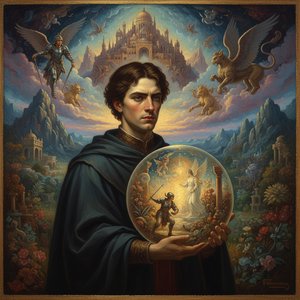
Gustave Moreau: Symbolism's Enigmatic Visionary & Precursors of Modern Fantasy Art
Explore the captivating world of Gustave Moreau, the leading Symbolist painter. Discover his iconic masterpieces, influences, and lasting legacy. Expert analysis for collectors & art enthusiasts.


