Visa i rummet
 Skicka
 Dela
Dela
 Detaljer
 Studentguide för konstverk

 Ladda ner
 Liknande objekt
 Röntgen
 Bildspel
 Besökstatistik
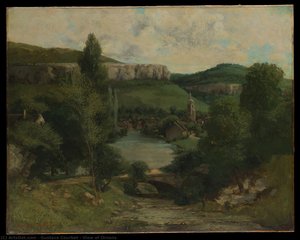
Seascape, the Poplar
 Acrylic On Canvas
- WallArt
- Realism
 1873
1873 50.0 x 61.0 cm
 Läs mer
Handgjord oljereproduktion
Handmålad olja på duk i din valda storlek och ram, tillverkad efter beställning av våra konstnärer. ( Byt till tryckta exemplar Byt till digital bildförsäljning)




P118B $10

P118H $10

P118W $10

P438Z $10

P508JH $12

P508YH $12

P805H $10

P805Z $10

P919BZ $10

P919G $10

P919XJ $10

P959ZH $10

P968JZ $12

W106C $8

W218G $10

W218JH $8

W218Y $10

W307PJ $10

W316G $10

W316PJ $8

W316Y $10

W398PJ $8

W4111J $10

W500HY $15

W500JH $15

W692G $12

W849H $8

W940BG $15

W953PJ $8




Välj bland våra förinställda storlekar som motsvarar konstverkets ursprungliga proportioner.

Du kan ange egna mått för att passa en specifik ram eller yta. Om den valda storleken inte matchar originalbildens proportioner kommer vi antingen att beskära konstverket eller utöka målningen med ytterligare handmålade element. En digital skiss skickas till dig för godkännande innan produktionen påbörjas.
Observera att förhandsvisningen på skärmen inte återspeglar den faktiska beskärningen eller utökningen. Endast skissen visar den slutgiltiga kompositionen korrekt.
Även om anpassade storlekar är möjliga, rekommenderar vi att du väljer en dimension från den fördefinierade listan för att bevara originalproportionerna.
Efter beställning kommer OriginalUniqueArt.com team att mejla kunden för instruktioner och tillhandahålla en skissförhandsvisning
Leverans över hela världen () på 3–4 veckor istället för standard 5 veckor. (25 september). Inga kompromisser med kvaliteten.

Fri expressfrakt över hela världen

Högkvalitativ linnecanvas

Fullständig fraktförsäkring

Garantier för återbetalning av tullavgifter

Garantier för exakt färgåtergivning

100 dagars returrätt vid fabrikationsfel

100% pengarna tillbaka-garanti

Mängdrabatt erbjuds
 Glasalternativet är endast tillgängligt i storlekar under 110 cm.

Seascape, the Poplar
Tryckteknik
Reproduktionsstorlek
-


Totalpris
$ 300
Gustave Courbet: A Pioneer of Realism
Gustave Courbet (1819-1877) stands as a monumental figure in 19th-century French art, recognized for initiating the Realism movement—a radical departure from Romantic idealism that championed portraying everyday life and nature with unflinching honesty. His legacy resides not merely in his artistic output but also in his unwavering commitment to artistic integrity and social commentary. Courbet’s influence reverberates through subsequent generations of artists, establishing him as a cornerstone of modern art history.- Early Life & Education: Born in Ornans, France, Courbet's formative years were marked by familial encouragement for his burgeoning artistic talent—a mother who nurtured his drawing skills from a young age. He pursued formal training at the École des Beaux-Arts in Paris, commencing in 1839, though he consistently challenged academic conventions that prioritized idealized representations over truthful depictions.
- Influences: Courbet’s artistic journey was profoundly shaped by encounters with luminaries like Eugène Delacroix and Théodore Géricault—artists whose Romantic fervor served as a counterpoint to his own burgeoning convictions. While acknowledging their stylistic prowess, Courbet resolutely rejected their romanticized worldview, prioritizing observation and direct engagement with the natural world.
Artistic Development & Key Themes
Courbet’s artistic evolution was characterized by a deliberate rejection of academic painting styles—a conscious decision to liberate art from preconceived notions of beauty and grandeur. He sought to capture the essence of human experience, focusing on scenes of rural life and laboring figures—subjects often marginalized within the artistic landscape of his time. His canvases became vehicles for expressing social realities, confronting viewers with uncomfortable truths about poverty, toil, and societal inequities.- Early Works: Courbet’s initial explorations encompassed landscapes and portraits—genres that allowed him to hone his observational skills and develop a distinctive visual vocabulary. However, he swiftly transitioned towards depicting scenes of daily existence—a pivotal shift that cemented his commitment to Realism's core tenets.
- Notable Paintings: Among his most celebrated works are ‘A Burial at Ornans,’ ‘The Stone Breakers,’ and ‘Luncheon on Cézanne’s Easel’—paintings that exemplify Courbet’s masterful technique and unwavering dedication to portraying the world as he perceived it—without embellishment or romantic idealization.
Composition and Elements
Courbet's artistic vision centered around meticulous attention to detail—a hallmark of Realism that demanded painstaking observation and accurate representation. His canvases are populated by figures rendered with remarkable realism, capturing subtle nuances of expression and physicality—reflecting his belief in portraying human subjects with uncompromising honesty. The artist’s use of color—often muted and earthy—further underscored the movement's commitment to depicting natural landscapes and rural life as they truly appeared.- ‘Seascape, the Poplar’: This particular painting exemplifies Courbet’s stylistic prowess—characterized by a serene seascape dominated by two prominent trees—one on the left and another on the right—creating depth and scale within the composition.
- Symbolism: The inclusion of figures—often depicted in quiet contemplation—served as a deliberate gesture toward exploring themes of human dignity and resilience—affirming Courbet’s conviction that art should engage with social realities and provoke reflection.
Context and Significance
Courbet's artistic endeavors coincided with a period of profound societal transformation—marked by industrialization, urbanization, and growing awareness of social injustices. His unflinching portrayal of the working class challenged prevailing aesthetic conventions—demanding that viewers confront uncomfortable truths about poverty and exploitation. Courbet’s work stands as a testament to his unwavering commitment to artistic integrity—establishing him as a champion of Realism's humanist ideals.- Musée des Beaux-Arts Besançon: ‘Seascape, the Poplar’ resides within the Musée des Beaux-Arts Besançon—a repository of French art history—housing an impressive collection of masterpieces spanning centuries—reflecting Courbet’s enduring influence on artistic discourse.
- Legacy: Courbet's contribution to Realism solidified his position as a pivotal figure in shaping modern art—inspiring subsequent generations of artists to embrace observation and honesty—and advocating for the depiction of everyday life with unflinching realism.
Other Notable Works by Gustave Courbet
- ‘The Trout’: Demonstrates Courbet’s ability to capture the beauty of nature in a realistic manner.
- ‘Chillon Castle’: Demonstrates his skill in depicting landscapes and architectural subjects.
- ‘Self-Portrait at Sainte-Pélagie’: Highlights his self-portraiture skills, reflecting his personal experiences.
For those eager to delve deeper into Courbet’s artistic legacy or explore other masterpieces of Impressionism and Realism, Gustave Courbet: Seascape, the Poplar and Discover the Masterpieces of Musee des Beaux-Arts Besançon, France offer invaluable resources—illuminating Courbet’s artistic vision and its enduring impact on art history.
Om konstnären
A Rebel’s Brush: The Life and Legacy of Gustave Courbet
Jean Désiré Gustave Courbet, born in Ornans, France, on June 10, 1819, stands as a monumental figure in the history of art – a defiant iconoclast who irrevocably altered the trajectory of nineteenth-century painting. More than simply capturing visual impressions; his artistic journey embodies a profound engagement with social realities and an unwavering conviction that art should reflect the world without embellishment. His formative years were marked by a familial upbringing that fostered artistic ambition, nurtured by his mother’s encouragement – a crucial element in shaping him into the revolutionary artist he would become. Formal training commenced at the École des Beaux-Arts in Paris in 1839, yet Courbet swiftly recognized the limitations of academic dogma and Romantic idealism, rejecting them as antithetical to his artistic vision. While acknowledging debts to artists like Eugène Delacroix and Théodore Géricault – figures who championed dramatic emotion and historical narrative – Courbet forged a singular path, prioritizing observation and truthful representation above all else.The Birth of Realism: Challenging Artistic Conventions
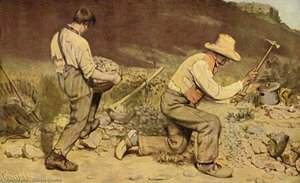
Courbet’s artistic trajectory was defined by an uncompromising rejection of prevailing aesthetic standards. He eschewed mythological tales and heroic portrayals; his gaze remained firmly fixed on the everyday lives of ordinary individuals – particularly laborers and rural communities – a deliberate decision that would propel him to the forefront of Realism. This commitment wasn't merely stylistic; it represented a radical assertion about the inherent dignity and importance of subjects often dismissed by artistic circles of the time. Early canvases explored landscapes and portraits, yet he soon transitioned towards depicting scenes of working-class existence on an unprecedented scale – typically reserved for monumental historical paintings. Critics initially scorned his approach, accustomed to idealized depictions that smoothed over social disparities. Yet Courbet persisted in his conviction that art should bear witness to reality, unflinchingly confronting uncomfortable truths. The masterpiece *The Stone Breakers*, completed in 1849 but tragically destroyed during World War II, exemplifies this ethos – a stark portrayal of two laborers engaged in arduous toil, their faces obscured by exhaustion and grime. This painting served as a powerful rebuke to the prevailing artistic preoccupation with grandeur and beauty, insisting instead on portraying the human condition with uncompromising honesty.Influences and Artistic Development
Courbet’s artistic sensibilities were undeniably shaped by encounters with earlier masters, notably Caravaggio for his masterful use of chiaroscuro – dramatic contrasts between light and dark – which conveyed emotional intensity and psychological depth. However, Courbet transcended mere imitation, forging a distinctive style characterized by thick impasto brushstrokes that emphasized the materiality of pigment and canvas. He deliberately rejected academic conventions, prioritizing direct observation over imaginative embellishment—a stance that resonated deeply with fellow artists who sought to liberate painting from restrictive formulas. His unwavering dedication to portraying the world as he perceived it fueled his artistic evolution, culminating in groundbreaking works like *A Burial at Ornans* (1850), which provoked considerable controversy due to its monumental scale and unflinching realism. This canvas challenged prevailing notions of acceptable subject matter for art, demonstrating that beauty could reside in the commonplace—a conviction that profoundly impacted subsequent generations of artists.Major Achievements and Legacy
Courbet’s artistic accomplishments extended beyond stylistic innovation; he actively engaged with pressing social issues of his era, advocating for artistic freedom and challenging institutional hierarchies. His participation in the Salon des Refusés in 1863 – an audacious defiance of official censorship—solidified his reputation as a rebellious artist committed to upholding artistic integrity. He continued to explore diverse themes throughout his career, from landscapes imbued with subtle tonal nuances to portraits capturing psychological complexity. Courbet’s influence on Impressionism and Post-Impressionism is undeniable; he liberated painters from the constraints of academic tradition, encouraging them to experiment with new techniques and perspectives—a legacy that continues to inspire artists today. Gustave Courbet died in Paris on December 31, 1877, leaving behind a vast oeuvre that stands as a testament to his unwavering conviction that art should serve as a conduit for truth and social awareness – an enduring contribution to the history of modern art.
Gustave Courbet
1819 - 1877 , Frankrike
Snabbfakta
- Artistic Movement Or Style: Realism
- Artists Or Movements Influenced By This Artist:
- Impressionism
- Post-Impressionism
- Artists Who Influenced This Artist:
- Delacroix
- Géricault
- Caravaggio
- Date Of Birth: 10 juni 1819
- Date Of Death: 31 december 1877
- Full Name: Gustave Courbet
- Nationality: Französisk
- Notable Artworks:
- Slottet Chillon
- Porträtt av en ung flicka från Salins
- A Burial at Ornans
- Place Of Birth: Orléans, Frankrike
Relaterade artiklar
Gustav Klimts 25 Mästerverk: En Konstresa för Hemmet & Själens Frid
Utforska Gustav Klimts 25 mest ikoniska målningar! Fördjupa dig i symbolik, Art Nouveau och den gyllene fasen. Hitta inspiration för din heminredning & köp museumkvalitativa reproduktioner på OriginalUniqueArt.com.

Romantic Realism's Finest: 10 Masterpieces for Your Home | OriginalUniqueArt
Explore 10 defining masterpieces of Romantic Realism! Discover Courbet, Millet & Daumier's powerful paintings—capturing emotion and social realities. Find museum-quality reproductions for your home at OriginalUniqueArt.com.
Gustave Courbet: Realism's Revolutionary Vision & the Social Canvas of 19th-Century France
Explore the revolutionary art of Gustave Courbet, pioneer of Realism. Discover his iconic paintings, social commentary, and lasting impact on 19th-century French art history. Expert analysis & insights.
Gustave Loiseau: Capturing the Ephemeral Light of French Landscapes
Explore the captivating landscapes of Gustave Loiseau, a key Post-Impressionist painter. Discover his unique 'en treillis' technique and artistic legacy with our comprehensive guide.
Realismens Mästerverk: Topp 10 Verk som Definierade Epoken – OriginalUniqueArt.com
Utforska realismens 10 mästerverk! Lär känna Courbet, Millet & Daumier – och deras banbrytande konst. Upptäck historien bakom ikoniska målningar och hitta inspiration för ditt hem på OriginalUniqueArt.com. Köp högkvalitativa konsttryck online!