Förhandsvisa
 Skicka
 Dela
Dela
 Visa detaljer
 Guide
Guide

 Ladda ner
 Liknande objekt
 Röntgen
 Bildspel
 Frågor och svar
 Statistik
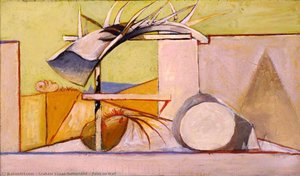
Flying Bomb Depot (recto)

- 95.0 x 89.0 cm


 Visa mer
Konstverket som visas på denna sida skyddas av upphovsrättslagen, vilket innebär att vi inte lagligt kan skapa eller sälja en identisk reproduktion. Detta skydd upprätthålls genom internationella avtal såsom den Bernkonventionen och genom nationella lagar, inklusive de som fastställs av Amerikansk upphovsrättslag – Titel 17. Alla rättigheter förbehållna. Återgivning av konstverk är förbjuden utan skriftligt tillstånd från WahooArt.
Denna metod följer fullt ut upphovsrättsliga regler eftersom den inte innebär kopiering eller duplicering av det skyddade konstverket. Istället är det en kreativ nytolkning – en ny målning som är influerad av originalet men inte identisk med det.
Giclée / Konsttryck
Giclée- eller canvasprint av museumskvalitet med snabb produktion och flexibla ytbehandlingsalternativ. ( Beställ handmålad reproduktion Byt till digital bild)




P118B Skr10

P118H Skr10

P118W Skr10

P438Z Skr10

P508JH Skr12

P508YH Skr12

P805H Skr10

P805Z Skr10

P919BZ Skr10

P919G Skr10

P919XJ Skr10

P959ZH Skr10

P968JZ Skr12

W106C Skr8

W218G Skr10

W218JH Skr8

W218Y Skr10

W307PJ Skr10

W316G Skr10

W316PJ Skr8

W316Y Skr10

W398PJ Skr8

W4111J Skr10

W500HY Skr15

W500JH Skr15

W692G Skr12

W849H Skr8

W940BG Skr15

W953PJ Skr8




Välj bland våra förinställda storlekar som motsvarar konstverkets ursprungliga proportioner.

Ange den bredd och höjd du behöver för att passa din ram eller vägg. Ett tryck kan endast beskäras, aldrig göras större än originalbilden, vilket innebär att ett format med en annan proportion leder till att en del av bilden går förlorad. Vi skickar en digital mockup för godkännande innan vi påbörjar tryckningen. Bilden som visas på denna sida visar inte den faktiska beskärningen — det är endast mockuppen som gör det.
Leverans över hela världen () på 2 veckor istället för standard 4/5 veckor. (5 november)

Fri expressfrakt över hela världen

Högkvalitativ linnecanvas

Fullständig fraktförsäkring

Garantier för återbetalning av tullavgifter

Garantier för exakt färgåtergivning

100 dagars returrätt (endast vid fel)

100% pengarna tillbaka-garanti

Mängdrabatt erbjuds
 Glasalternativet är endast tillgängligt i storlekar under 110 cm.

Flying Bomb Depot (recto)
Giclée / Konsttryck
Storlek på reproduktion
-


Slutgiltigt pris
Skr 811
A Haunting Echo of War: Exploring Sutherland’s “Flying Bomb Depot”
Graham Vivian Sutherland's "Flying Bomb Depot (recto)," painted in 1945, isn’t merely a depiction of wartime architecture; it’s a profound meditation on destruction, isolation, and the unsettling beauty born from devastation. Created during the tumultuous years of World War II, this oil painting offers a starkly evocative glimpse into the hidden realities of Britain's defense efforts – specifically, the clandestine network of caves used to house German flying bombs. Sutherland, an Official War Artist tasked with documenting the home front, moved beyond straightforward military scenes, instead choosing to capture the psychological and atmospheric weight of these subterranean installations.
The painting’s immediate impact is one of muted drama. Dominated by a palette of somber grays, browns, and ochres, it eschews vibrant color in favor of a restrained, almost melancholic tone. The composition centers on a partially collapsed brick structure – the entrance to a cave complex – its jagged edges and broken walls hinting at recent bombardment. The strategic placement of sparse trees, rendered with an unsettlingly organic quality, further amplifies the sense of desolation and the intrusion of nature reclaiming man-made structures. It’s not a heroic portrayal of victory; rather, it's a quiet acknowledgment of loss and the enduring scars left by conflict.
Neo-Romanticism and the Pembrokeshire Landscape
Sutherland’s style in “Flying Bomb Depot” firmly places it within the realm of Neo-Romanticism. This movement, flourishing in Britain during the interwar period and continuing through the war years, sought to reconnect with nature while simultaneously exploring themes of emotion, spirituality, and the sublime. Sutherland's work shares this dual focus – he imbues his landscapes with a sense of profound emotional resonance, mirroring the anxieties and uncertainties of the era. His earlier Pembrokeshire paintings, which profoundly influenced this piece, demonstrated a fascination with the rugged beauty of the Welsh coastline, but here, that interest is filtered through the lens of wartime experience.
Technically, Sutherland employs a layered approach, building up his image through multiple glazes and scumbles. This creates a remarkable sense of texture and depth, particularly evident in the rough-hewn brickwork and the tangled undergrowth. The brushstrokes are loose and expressive, contributing to the painting’s overall feeling of immediacy and vulnerability. He utilizes a technique reminiscent of Impressionism, capturing fleeting moments of light and shadow, yet his subject matter—a scene of destruction—elevates it beyond mere observation.
Symbolism and the Weight of History
Beyond its immediate depiction of wartime infrastructure, “Flying Bomb Depot” is rich in symbolic meaning. The caves themselves represent a hidden world – a space removed from everyday life, shrouded in secrecy and danger. The broken walls symbolize not just physical damage but also the shattered foundations of society during wartime. The lone bird perched on a branch adds an element of unsettling beauty to the scene, suggesting both resilience and vulnerability amidst the ruins. It’s a poignant reminder that even in the darkest of times, life persists.
Considering its creation in 1945, immediately following intense aerial bombardment, the painting serves as a powerful testament to the psychological impact of war on civilians. It's a far cry from celebratory wartime propaganda; instead, it offers a raw and honest portrayal of the human cost of conflict. The work’s enduring power lies in its ability to evoke a sense of unease and contemplation, prompting viewers to reflect on the complexities of history and the fragility of peace.
Collecting a Piece of History
Reproductions of “Flying Bomb Depot” offer a compelling way to bring this evocative artwork into your home or office. Available in various sizes and mediums – from high-quality prints to meticulously crafted oil paintings – it’s a unique addition to any collection. This piece is more than just decoration; it's a window into the past, a reminder of a pivotal moment in history, and a testament to the enduring power of art to capture both beauty and sorrow.
Frågor och svar
Vilka andra namn eller alias använder sig Graham Vivian Sutherland av?
Andra namn registrerade för Graham Vivian Sutherland, skaparen av "Flying Bomb Depot (recto)", inkluderar GV Sutherland.
Var och för vilket ändamål rekommenderas "Flying Bomb Depot (recto)"?
"Flying Bomb Depot (recto)" av Graham Vivian Sutherland rekommenderas för Statement, helst i ett Living Room. Användningsområde och rymd hjälper dig att avgöra var en reproduktion passar bäst.
Kan jag beställa en oljereproduktion av "Flying Bomb Depot (recto)"?
Du kan beställa en handmålad reproduktion av "Flying Bomb Depot (recto)" av Graham Vivian Sutherland direkt på dess Handmålad reproduktion-sida: en handmålad oljereproduktion på linneväv, tillverkad efter beställning.
Konstnärsbiografi
Graham Vivian Sutherlands visionära landskap
Graham Vivian Sutherland, en titan inom den brittiska modernismen, besatt den sällsynta förmågan att förvandla den naturliga världens välbekanta konturer till något djupt oroande och djupt spirituellt. Sutherland föddes i Streatham, London, 1903, och hans resa var en av ständig metamorfos. Även om hans tidiga år präglades av en klassisk utbildning vid Epsom College, framträdde hans sanna kallelse långt från familjens juridiska kretsar. Hans första steg in i den tekniska världen genom en lärlingsperiod vid Midland Railway Locomotive Works gav en grund av precision som senare skulle manifesterade sig i hans intrikata grafik och texturerade oljemålningar. När han övergick till Goldsmiths' School of Art började Sutherland röra sig bort från traditionell representation, då han fann sig dragen till kopparstickets och etsningens evokativa kraft.
Konstnärens tidiga estetik var djupt rotad i Samuel Palmers romantik, men han vägrade att förbli förankrad i det förflutna. Istället fungerade Sutherland som en bro mellan den engelska pastorala traditionen och de europeiska avantgarderörelsernas radikala energi. Genom att absorbera surrealismens drömlika logik och expressionismens råa emotionalitet utvecklade han ett visuellt språk som kunde fånga både det fysiska landskapet och det psykologiska tillståndet. Hans tidiga grafik, kännetecknad av en känsla av mystik och organiska former, lade grunden för en karriär definierad av en besatthet vid naturens "främmandeskap" – ett tema som skulle bli hans mest bestående arv.
Naturens skugga och krigsåren
1940-talet markerade en avgörande era i Sutherlands utveckling, då hans fokus skiftade från grafikens känsliga medium till oljemålningens viscerala impastoteksturer. Det var under denna period som de karga, vindpinade landskapen i Pembrokesktshire blev hans främsta musa. I verk som Thorn Tree kan man bevittna konstnärens mästerskap i att sammanväva botanisk verklighet med surrealistisk förvrängning. Han målade inte bara träd; han målade spänningen, kampen och själva livets skelettartade arkitektur. Denna period såg honom röra sig mot ett mer abstrakt, men djupt symboliskt, sätt att se, där törnen, rötter och vridna grenar tjänade som metaforer för mänsklig sårbarhet och motståndskraft.
Andra världskriget tillförde en annan, mer dyster dimension till hans arbete. I sin roll som officiell krigskonstnär riktade Sutherland sin blick mot de industriella och ofta hemsökande scenerna på den brittiska hemfronten. Hans målningar från denna era, såsom Flying Bomb Depot The Caverns, är mästerklass i atmosfär. Genom tunga texturer och en palett som frammanar både förfall och fasa, fångade han de kusliga ödsliga miljöerna i krigstidens interiörer. Dessa verk var inte bara dokumentation; de var psykologiska porträtt av en era präglad av ångest och den hotande närvaron av förstörelse, vilket speglade den splittrade verkligheten i en värld i krig.
Ett arv av symbolism och storslagenhet
Under efterkrigstiden nådde Sutherlands arbete nya höjder av spirituell och offentlig betydelse. Han började integrera religiös symbolism med sina organiska motiv, vilket skapade en kraftfull syntes av det heliga och det naturliga. Detta kulminerade i en av hans mest monumentala prestationer: utformningen av den massiva centrala vävnaden för den nya katedralen i Coventry, med titeln Christ in Glory in the Tetramorph. Detta verk, som utnyttjade hans förmåga att manipulera form och färg i stor skala, står som ett testamente till hans roll i den kulturella återuppbyggnaden av efterkrigstidens Storbritannien.
Under sin produktiva karriär tillät Sutherlands mångsidighet honom att lämna ett outplånligt avtryck inom flera discipliner:
- Porträttkonst: Hans förmåga att fånga den psykologiska djupet hos offentliga personer, såsom hans värdiga och melankoliska Somerset Maugham.
- Grafik: En livslång hängivenhet till etsningens och kopparstickets precision som formade hans känsla för linje och struktur.
- Konsthantverk: Hans bidrag till vävnadskonst och glaskonst, där han förde in modern abstraktion i den funktionella skönhetens rike.
Slutligen förblir Graham Sutherland en hörnsten i 1900-talets konst eftersom han vågade blicka under landskapets yta. Han fann det surrealistiska inom det verkliga och det gudomliga inom det organiska. Hans arv återfinns inte bara på museer, utan i sättet vi uppfattar den dolda, ofta taggiga skönheten i världen omkring oss – en värld där varje törne bär på en historia och varje skugga rymmer ett mysterium.

Graham Vivian Sutherland
1903 - 1980 , Storbritannien
Kortfakta
- Artistic Movement Or Style: Surrealism
- Artists Or Movements Influenced By This Artist: ['Paul Nash']
- Artists Who Influenced This Artist:
- Samuel Palmer
- F.L. Griggs
- Date Of Birth: August 24, 1903
- Date Of Death: February 17, 1980
- Full Name: Graham Vivian Sutherland
- Nationality: British
- Notable Artworks:
- Flying Bomb Depot
- Entrance to a Lane
- Place Of Birth: London, England
Relaterade artiklar

Evoking Nature's Sublime: A Comprehensive Exploration of 19th-Century Landscape Painting
Explore the captivating world of 19th-century landscape painting! Discover renowned artists like Friedrich & Monet, key movements, and find the perfect artwork to bring nature's serenity into your home. Expert insights at OriginalUniqueArt.

Romantiska landskap: Topp 10 mästerverk som definierade en epok – OriginalUniqueArt.se
Utforska de 10 mest ikoniska mästerverken inom romantisk landskapsmålning! Lär känna Caspar David Friedrich, Turner & andra. Hitta inspiration och köp museumkvalitativa konsttryck på OriginalUniqueArt.com.

John Constables 25 Mästerverk: En Konstnärlig Resa i Det Engelska Landskapet | OriginalUniqueArt
Utforska John Constables 25 mest ikoniska målningar – romantikens mästare av det engelska landskapet. Upptäck historien, tekniken & skönheten i verk som 'Hay Wain'. Köp exklusiva konsttryck på OriginalUniqueArt.com.

Evocations of Place: A Historical Journey Through Landscape Art
Explore the rich history of landscape art with OriginalUniqueArt. Discover renowned artists, movements like Impressionism & tonalism, and expert guidance for collecting timeless pieces. Find your perfect serene escape today!

Evocations of Place: A Historical Journey Through Landscape Art
Explore the rich history of landscape art with OriginalUniqueArt. Discover renowned artists, movements like Impressionism & Romanticism, and expert guidance for collecting timeless pieces. Find your perfect serene escape today!