
 Förhandsvisa
 Skicka
 Dela
Dela
 Visa detaljer

 Ladda ner
 Liknande objekt
 Röntgen
 Bildspel
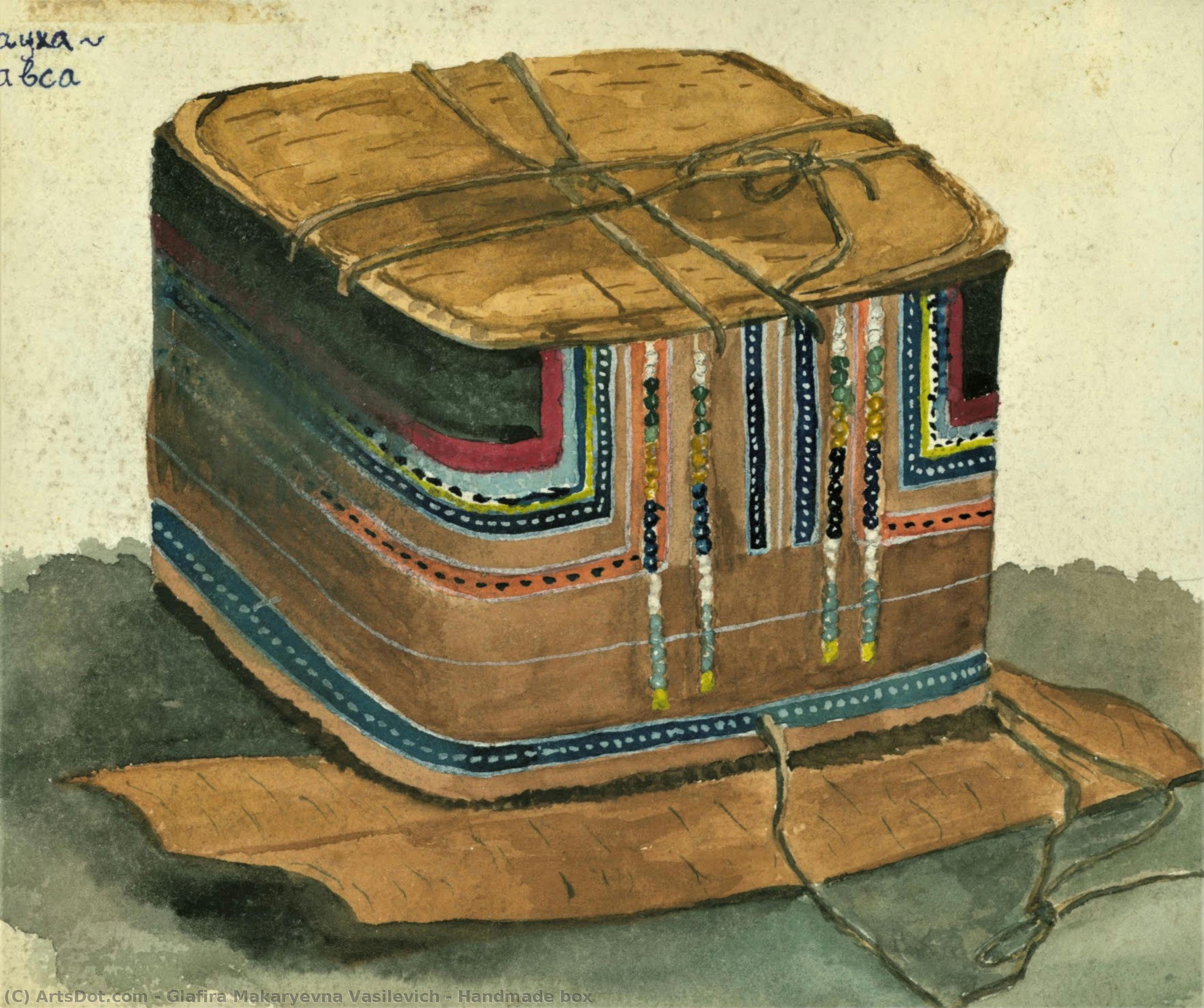
Handmade box

 Visa mer
Giclée / Konsttryck
Giclée- eller canvasprint av museumskvalitet med snabb produktion och flexibla ytbehandlingsalternativ. ( Beställ handmålad reproduktion Köp högupplöst bild)




































Välj bland våra förinställda storlekar som motsvarar konstverkets ursprungliga proportioner.

Du kan ange egna mått för att passa en specifik ram eller yta. Om det valda måttet inte överensstämmer med originalbildens proportioner kommer vi antingen att beskära konstverket eller utöka bilden med en speglad eller enfärgad kant. En digital mockup skickas för ditt godkännande innan produktionen påbörjas.
Vänligen notera att förhandsvisningen på skärmen inte återspeglar den faktiska beskärningen eller utökningen. Endast mockuppen visar den slutgiltiga kompositionen korrekt.
Även om anpassade storlekar är möjliga, rekommenderar vi att du väljer ett mått från den fördefinierade listan för att bevara de ursprungliga proportionerna.
Leverans över hela världen () på 2 veckor istället för standard 4/5 veckor. (20 augusti)

Fri expressfrakt över hela världen

Högkvalitativ linnecanvas

Fullständig fraktförsäkring

Garantier för återbetalning av tullavgifter

Garantier för exakt färgåtergivning

60 dagars returrätt (endast vid fabrikationsfel)

100% pengarna tillbaka-garanti

Mängdrabatt erbjuds
 Glasalternativet är endast tillgängligt i storlekar under 110 cm.

Handmade box
Giclée / Konsttryck
Storlek på reproduktion
-


Slutgiltigt pris
$ 80
Konstnärsbiografi
A Life Dedicated to the Voices of the Evenk: Glafira Makaryevna Vasilevich
Glafira Makaryevna Vasilevich (1895-1971) stands as a remarkable figure in Soviet ethnography and linguistics, a scholar whose life was inextricably linked with the preservation and understanding of the Tungus peoples – particularly the Evenk. Born in Nesterov, Russia, her path diverged from conventional academic pursuits to embrace fieldwork amongst one of Siberia’s most resilient indigenous groups. Vasilevich wasn't merely an observer; she became a dedicated chronicler, immersing herself in the language, folklore, and daily existence of the Evenk, transforming their oral traditions into invaluable written records. Her early education at the Petrovskaya Female Gymnasium in St. Petersburg provided a foundation, but it was her subsequent work with the Geographic Institute’s ethnographic faculty that truly ignited her passion for the Tungus cultures. This marked the beginning of an extraordinary journey spanning decades and eleven expeditions into the remote territories inhabited by the Evenk people.The Tapestry of Fieldwork: Documenting a Vanishing World
Vasilevich's expeditions were not simply academic exercises; they were acts of cultural salvage. The early 20th century witnessed increasing pressures on indigenous communities, threatening their traditional ways of life. Recognizing this urgency, Vasilevich meticulously documented the Evenk language – creating manuals and educational programs to ensure its survival – but her work extended far beyond linguistics. She delved into the rich tapestry of Evenk folklore, recording myths, legends, and songs that had been passed down through generations. Perhaps most significantly, she focused on understanding their social structures, economic practices, and spiritual beliefs, with a particular emphasis on shamanism. Her research wasn’t confined to passive observation; she actively engaged with the Evenk people, learning from elders, participating in ceremonies (where appropriate), and building relationships based on mutual respect. This immersive approach allowed her to capture nuances often missed by more detached researchers. The resulting body of work offered a profound insight into a culture facing rapid change.Art as Ethnographic Record: Beyond Linguistics
While primarily known as a linguist and ethnographer, Vasilevich’s legacy extends into the realm of art. Her reproductions – such as “Dishes of the Nepa Tungus” and “Handmade box” – are not simply decorative objects; they represent tangible expressions of Evenk culture. These pieces, created with traditional materials and techniques, offer a visual window into their daily lives and artistic sensibilities. The "Dishes of the Nepa Tungus" for example, showcase the practical skills and aesthetic preferences embedded in everyday objects. Similarly, the “Handmade box” reveals intricate craftsmanship and symbolic motifs that speak volumes about Evenk beliefs and values. These artworks are invaluable because they provide a material dimension to her ethnographic research, complementing her written records with authentic examples of Evenk artistry. They demonstrate Vasilevich’s understanding that culture is not solely expressed through language or ritual but also through the objects people create and use.Challenges and Resilience: A Life Interrupted
Vasilevich's dedication wasn’t without its challenges. The political climate of the Soviet era presented obstacles for many scholars, and Vasilevich was no exception. She faced arrest in 1952, a period that undoubtedly disrupted her research and personal life. However, she was later rehabilitated in 1955, allowing her to return to her work at the Institute of Ethnography. This resilience speaks volumes about her commitment to her field and her unwavering belief in the importance of preserving Evenk culture. Her ability to overcome adversity underscores her strength as a scholar and her deep connection with the people she studied. She continued her research until her death in 1971, leaving behind a legacy that continues to inspire ethnographers and linguists today.A Lasting Impact: The Enduring Significance of Vasilevich’s Work
Glafira Makaryevna Vasilevich's contributions extend far beyond the immediate documentation of Evenk culture. Her work serves as a powerful reminder of the importance of preserving indigenous languages and traditions in the face of globalization and cultural homogenization.- Linguistic Preservation: Her manuals and educational programs played a crucial role in safeguarding the Evenk language, ensuring its continued vitality.
- Cultural Understanding: Her ethnographic research provided invaluable insights into the social structures, beliefs, and artistic practices of the Evenk people.
- Shamanistic Studies: Her detailed documentation of Evenk shamanism remains a cornerstone of scholarship in this field.
- Art as Evidence: The reproductions of Evenk art offer tangible expressions of their culture, complementing her written records and providing a visual dimension to her research.

glafira makaryevna vasilevich
1895 - 1971 , Russia
Kortfakta
- Artistic Movement Or Style: Ethnographic art
- Date Of Birth: 1895
- Date Of Death: 1971
- Full Name: Glafira Makaryevna Vasilevich
- Nationality: Soviet
- Notable Artworks:
- Dishes of the Nepa Tungus
- Bird
- Handmade box
- Place Of Birth: Nesterov, Russia

