

 Visa i rummet
 Skicka
 Dela
Dela
 Detaljer
 Studentguide för konstverk

 Ladda ner
 Liknande objekt
 Röntgen
 Bildspel
 Besökstatistik
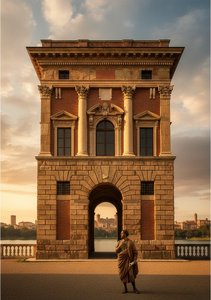
Façade and courtyard view


 Läs mer
Giclée / Konsttryck
Giclée- eller canvasprint av museumskvalitet med snabb produktion och flexibla ytbehandlingsalternativ. ( Köp handmålat konstverk Byt till digital bildförsäljning)




P118B Skr10

P118H Skr10

P118W Skr10

P438Z Skr10

P508JH Skr12

P508YH Skr12

P805H Skr10

P805Z Skr10

P919BZ Skr10

P919G Skr10

P919XJ Skr10

P959ZH Skr10

P968JZ Skr12

W106C Skr8

W218G Skr10

W218JH Skr8

W218Y Skr10

W307PJ Skr10

W316G Skr10

W316PJ Skr8

W316Y Skr10

W398PJ Skr8

W4111J Skr10

W500HY Skr15

W500JH Skr15

W692G Skr12

W849H Skr8

W940BG Skr15

W953PJ Skr8




Välj bland våra förinställda storlekar som motsvarar konstverkets ursprungliga proportioner.

Du kan ange egna mått för att passa en specifik ram eller yta. Om det valda måttet inte överensstämmer med originalbildens proportioner kommer vi antingen att beskära konstverket eller utöka bilden med en speglad eller enfärgad kant. En digital mockup skickas för ditt godkännande innan produktionen påbörjas.
Vänligen notera att förhandsvisningen på skärmen inte återspeglar den faktiska beskärningen eller utökningen. Endast mockuppen visar den slutgiltiga kompositionen korrekt.
Även om anpassade storlekar är möjliga, rekommenderar vi att du väljer ett mått från den fördefinierade listan för att bevara de ursprungliga proportionerna.
Leverans över hela världen () på 2 veckor istället för standard 4/5 veckor. (11 oktober)

Fri expressfrakt över hela världen

Högkvalitativ linnecanvas

Fullständig fraktförsäkring

Garantier för återbetalning av tullavgifter

Garantier för exakt färgåtergivning

100 dagars returrätt vid fabrikationsfel

100% pengarna tillbaka-garanti

Mängdrabatt erbjuds
 Glasalternativet är endast tillgängligt i storlekar under 110 cm.

Façade and courtyard view
Giclée / Konsttryck
Reproduktionsstorlek
-


Totalpris
Skr 776
A Frozen Moment of Renaissance Grandeur: Exploring Giulio Romano’s “Façade and Courtyard View”
Giulio Romano's "Façade and Courtyard View," painted in 1526, isn’t merely a depiction of architecture; it’s a meticulously crafted illusion, a testament to the burgeoning Mannerist style that challenged the established harmony of the High Renaissance. This remarkable work, now available as a stunning reproduction, offers a captivating glimpse into the world of Federico II Gonzaga and his court in Mantua – a realm where art, architecture, and theatrical spectacle converged with breathtaking ambition. The image itself presents a carefully constructed dialogue between two perspectives: a monochrome, almost ghostly view of an older building alongside a vibrant, color-infused representation of its restored state. This juxtaposition immediately invites contemplation on the passage of time, the nature of preservation, and the enduring power of artistic vision.
The original painting, housed in the Palazzo Te, Mantua, was conceived as part of a larger decorative program for the villa’s expansive grounds. Romano, having been summoned to Mantua by Federico Gonzaga after his time with Raphael in Rome, quickly established himself as the court's principal artist and architect. The palazzo itself—a sprawling complex of interconnected buildings, gardens, and fountains—became a showcase for Romano’s innovative style, blending classical influences with a distinctly Mannerist sensibility. “Façade and Courtyard View” captures this spirit perfectly, demonstrating Romano’s mastery of illusionistic painting and his willingness to push the boundaries of artistic convention.
Mannerism: A Dance of Distortion and Drama
To understand "Façade and Courtyard View," one must grasp the essence of Mannerism. Emerging in the wake of Raphael’s death, it rejected the balanced proportions and serene idealism of the High Renaissance in favor of a more subjective, emotionally charged approach. Mannerist artists sought to create works that were unsettling, ambiguous, and often deliberately distorted – a deliberate departure from the classical ideals of beauty and harmony. Romano embraced this aesthetic with gusto, employing techniques such as elongated figures, exaggerated poses, vibrant colors, and complex spatial arrangements. The painting’s monochrome top image immediately establishes this sense of unease, hinting at decay and neglect, while the color rendition offers a stark contrast – a carefully staged restoration that attempts to recapture a lost grandeur.
Notice how Romano utilizes *trompe-l'oeil* techniques—the art of creating an illusion of three-dimensionality on a two-dimensional surface. The rusticated masonry, with its rough, uneven texture, contrasts sharply with the smooth, polished surfaces of the pilasters and windows. This deliberate juxtaposition creates a dynamic visual tension, drawing the viewer’s eye to specific details and inviting them to question what is real and what is merely an illusion. The subtle shifts in perspective between the two images further enhance this effect, suggesting that we are witnessing not just a building but also a carefully constructed narrative.
Symbolism and the Gonzaga Court
The Palazzo Te itself was designed as a lavish pleasure palace for Federico II Gonzaga, reflecting his wealth, power, and refined taste. The “Façade and Courtyard View” is therefore deeply intertwined with the symbolism of the Gonzaga court. The building’s elaborate decoration—including frescoes depicting mythological scenes, allegorical figures, and portraits of Federico’s ancestors—served to reinforce his authority and celebrate his lineage. The choice of a monochrome image for the older façade suggests a sense of loss and decline, while the color rendition of the restored building symbolizes the Gonzaga family's continued patronage of the arts and their commitment to preserving the legacy of Mantua.
The inclusion of both images—the weathered facade and its vibrant restoration—is particularly significant. It speaks to the cyclical nature of time, the impermanence of beauty, and the enduring human desire to recapture the past. It’s a poignant reminder that art, like memory, can be both cherished and reconstructed.
Bringing Romano's Vision Home
A high-quality reproduction of “Façade and Courtyard View” offers a unique opportunity to bring this extraordinary work into your own space. Whether adorning a formal dining room or a study, this image will serve as a constant source of inspiration—a reminder of the power of artistic vision, the beauty of Mannerist style, and the enduring legacy of Giulio Romano. It’s more than just a painting; it's a portal to a bygone era, a testament to the artistry and ambition of the Gonzaga court.
Frågor och svar
Var kan jag köpa ett tryck av "Façade and courtyard view" av Giulio Romano?
För att beställa ett tryck av "Façade and courtyard view" av Giulio Romano, gör helt enkelt din beställning på denna sida: ett konsttryck på bomullscanvas eller arkivbeständigt canvaspapper.
Var i hemmet passar en reproduktion av "Façade and courtyard view" bra?
"Façade and courtyard view" av Giulio Romano rekommenderas för ett Living Room. Detta förslag baseras på verkets motiv, färger och stämning.
Var kan jag se en förhandsvisning av "Façade and courtyard view"?
En förhandsvisning av "Façade and courtyard view" av Giulio Romano finns tillgänglig på konstverkets Förhandsvisning-sida.
Vem har skapat "Façade and courtyard view"?
Konstnären bakom "Façade and courtyard view" är Giulio Romano. Verket är katalogiserat under Giulio Romanos namn.
Under vilket år skapades "Façade and courtyard view" av Giulio Romano?
Skapandet av "Façade and courtyard view" av Giulio Romano dateras till 1526.
Hur gammal var Giulio Romano när "Façade and courtyard view" skapades?
Giulio Romano skapade "Façade and courtyard view" vid 27 års ålder. Konstnären föddes 1499 och verket är daterat 1526.
Är "Façade and courtyard view" typisk för vad Giulio Romano vanligtvis skapade?
"Façade and courtyard view" skildrar architecture, palazzo te, giulio romano, renaissance, fresco, italy, mantua, mannerism, medan Giulio Romanos dokumenterade teman är raphael’s influence, mannerist style, gonzaga court, lavish patronage, roman antiquity, classical motifs, palazzo te, architectural design. En jämförelse mellan dessa visar hur verket förhåller sig till konstnärens vanliga motiv.
Om konstnären
A Roman Beginning and Apprenticeship Under a Master
Giulio Romano, född Giulio Pippi omkring 1499 i Rom, steg fram under en period av enorm konstnärlig turbulens. Detaljer kring hans tidiga liv är fortfarande ganska flyktiga, men det är känt att han snabbt kom in i Raphael’s krets, den mest berömda målaren av den höga renässansen. Detta lärlingskap visade sig vara avgörande, inte bara för att forma hans tekniska färdigheter utan också för att lägga grunden för hans framtida stilistiska utforskningar. Han var inte bara en studioassistent; Giulio blev snabbt en ovärderlig samarbetare, som bidrog till betydande projekt som dekorationen av Vatikanens Stanze – de magnifika rummen som beordrades av påvar Julius II och Leo X. Hans hand kan identifieras i den monumentala fresken *The Fire in the Borgo*, där han assisterade Raphael vid skildringen av en dramatisk scen av mirakulös intervention. Efter Raphael’s plötsliga död 1520, ärftes Giulio ansvaret för att slutföra många oavslutade uppdrag, inklusive den ambitiösa dekorationen av Villa Madama för kardinal Giuliano de' Medici. Denna tidiga exponering för storskaliga projekt och de krav som ställdes av aristokratisk beskyddare instället inom honom en självförtroende och ambition som skulle definiera hans senare karriär.The Birth of Mannerism: A Departure from Classical Harmony
Trots att han var djupt rotad i renässansens tradition, divergerade Giulio Romanos konstnärliga bana snart från den rådande betoningen av klassisk balans och harmoni. Han blev en nyckelperson i utvecklingen av Mannerism – en stil som kännetecknas av dess artificialitet, elegans och ofta störande förvrängningar av form. Influenscerad av Michelangelos kraftfulla figurer och dynamiska kompositioner, samt en bredare klimat av konstnärlig experimentering, började Giulio att omfamna asymmetri, spänning och emotionell intensitet i sitt arbete. Detta var inte ett avslag på renässansidéerna utan snarare en medveten utforskning av deras gränser, pressande bortom de begränsningar som natura ställde. Han experimenterade med att bryta mot traditionella perspektiv och proportioner, vilket ledde till verk som var mer uttrycksfulla och intellektuellt stimulerande. Han modifierade Raphael’s planer i hög grad, och injicerade en ny känsla i romersk konst – ett uttalande om Mannerism på en storskalig nivå. Detta är tydligt synligt i hans skisser, som visar en anmärkningsvärd frihet i linjerna och en benägenhet för dramatiska perspektivförskjutningar.Mantua’s Master: Palazzo Te and Architectural Innovation
År 1524 accepterade Giulio inbjudan från Federico Gonzaga, hertig av Mantua, att bli hovmålare och arkitekt. Detta markerade en vändpunkt i hans karriär, vilket gav honom obegränsad kreativ frihet och resurser. Han blev i princip ansvarig för all konstnärlig aktivitet inom hertigdömet, övervakande inte bara målningar och fresker utan också arkitektoniska projekt, trädgårdar och till och med teaterproduktioner. Hans mest berömda prestation under denna period är utan tvekan Palazzo Te, en extraordinär suburbanvilla som står som ett testamente till hans innovativa geni. Palatsets interiörer är utsmyckade med illusionistiska fresker av betagande komplexitet och psykologisk djup. *Sala dei Giganti* (Hall of the Giants), till exempel, skildrar en kaotisk strid mellan gudar och jättar, som omsluter betraktaren i en virvelvind av figurer och arkitektoniska fragment. Denna mästarliga manipulation av utrymme och perspektiv skapar en uppslukande upplevelse som är både förundrande och störande. Utöver Palazzo Te genomförde Giulio också betydande renoveringar av hertigens ducala palats och katedral, lämnade ett bestående intryck på staden Mantua’s urbana landskap.Legacy and Lasting Influence
Giulio Romano dog i Mantua år 1546, lämnandes ett arv som sträckte sig långt bortom Italiens gränser. Hans skisser värderades högt av samlare, och tryck från hans verk – särskilt de av Marcantonio Raimondi – spelade en nyckelroll i att sprida italienska konststilar genom Europa. Han var så känd efter sin död att han är den enda ”moderna” konstnären som nämns av William Shakespeare i ett drama—ett testamente till hans breda berömmelse. Hans inflytande kan ses i verk från många efterföljande konstnärer, som antog hans dynamiska kompositioner, förlängda figurer och uttrycksfulla användning av färg. Medan Mannerism slutligen gav vika för andra stilistiska rörelser, är hans bidrag essentiella för att förstå utvecklingen av västerländsk konst. Han representerar ett avgörande ögonblick – en övergång från de harmoniska idealen i den höga renässansen till den mer komplexa och emotionellt laddade estetiken under det sena 1500-talet. *Hans verk fortsätter att fängsla och utmana betraktare idag, påminnande oss om konstens kraft att både återspegla och forma vår förståelse av världen.*
Giulio Romano
1499 - 1546 , Italien
Snabbfakta
- Artistic Movement Or Style: Mannerism
- Artists Or Movements Influenced By This Artist: ['Mannerist konstnärer']
- Artists Who Influenced This Artist:
- Raffael
- Michelangelo
- Date Of Birth: c. 1499
- Date Of Death: 1546
- Full Name: Giulio Romano
- Nationality: Italiensk
- Notable Artworks:
- Palazzo Te
- Fire in Borgo
- Place Of Birth: Rom, Italien
Relaterade artiklar

Konsten att leva med dig: Den emotionella kraften i en skräddarsydd interiörfresk
Upptäck freskens tidlösa skönhet! Lär dig om teknik, historia och hur du beställer en skräddarsydd interiörfresk. Expertkunskap & högsta kvalitet hos .

The Enduring Legacy of Fresco Painting: Techniques, History & Contemporary Relevance
Explore the rich history & enduring artistry of fresco painting – from Giotto to Michelangelo! Discover techniques, conservation efforts, & modern applications. Learn how OriginalUniqueArt brings this timeless art form to your home.

The Enduring Legacy of Fresco: Technique, History & Artistic Expression Across Cultures
Explore the rich history & enduring legacy of fresco painting! Discover ancient techniques, Giotto's masterpieces, and modern applications. Expert insights for art lovers & professionals.

Frescens arv som familjetradition: Måla din historia på väggarna
Utforska väggmålningens historia och teknik! Lär dig skapa din egen familjetradition med konst på väggen. Expertguider, inspiration & tips.
Giulio Romano: A Master of Mannerism & the Palazzo Te Legacy
Explore the revolutionary art of Giulio Romano, master of Mannerism & architect of Palazzo Te. Discover his influence, investment potential, and stunning frescoes – a guide for discerning collectors.
