

 Visa i rummet
 Skicka
 Dela
Dela
 Detaljer
 Studentguide för konstverk

 Ladda ner
 Liknande objekt
 Röntgen
 Bildspel
 Besökstatistik
Head of Minerva
 Acrylic On Canvas
- WallArt
- High Renaissance
 1540
1540 280.0 x 197.0 cm
 Kungliga Samlingen
 Läs mer
Handgjord oljereproduktion
Handmålad olja på duk i din valda storlek och ram, tillverkad efter beställning av våra konstnärer. ( Byt till tryckta exemplar Byt till digital bildförsäljning)




P118B Skr10

P118H Skr10

P118W Skr10

P438Z Skr10

P508JH Skr12

P508YH Skr12

P805H Skr10

P805Z Skr10

P919BZ Skr10

P919G Skr10

P919XJ Skr10

P959ZH Skr10

P968JZ Skr12

W106C Skr8

W218G Skr10

W218JH Skr8

W218Y Skr10

W307PJ Skr10

W316G Skr10

W316PJ Skr8

W316Y Skr10

W398PJ Skr8

W4111J Skr10

W500HY Skr15

W500JH Skr15

W692G Skr12

W849H Skr8

W940BG Skr15

W953PJ Skr8




Välj bland våra förinställda storlekar som motsvarar konstverkets ursprungliga proportioner.

Ange den bredd och höjd du behöver för att passa din ram eller din vägg. Eftersom detta är handmålat kan konstnären vid en annan form måla lite mer runt bilden eller beskära den något – du väljer själv. Vi skickar en digital mockup för godkännande innan målningen påbörjas. Bilden som visas på denna sida representerar inte det slutgiltiga resultatet — det är endast mockuppen som visar det.
Efter beställning kommer OriginalUniqueArt.com team att mejla kunden för instruktioner och tillhandahålla en skissförhandsvisning
Leverans över hela världen () på 3–4 veckor istället för standard 5 veckor. (23 oktober). Inga kompromisser med kvaliteten.

Fri expressfrakt över hela världen

Högkvalitativ linnecanvas

Fullständig fraktförsäkring

Garantier för återbetalning av tullavgifter

Garantier för exakt färgåtergivning

100 dagars returrätt vid fabrikationsfel

100% pengarna tillbaka-garanti

Mängdrabatt erbjuds
 Glasalternativet är endast tillgängligt i storlekar under 110 cm.

Head of Minerva
Tryckteknik
Reproduktionsstorlek
-


Totalpris
Skr 2975
Giulio Clovio’s “Head of Minerva”: A Renaissance Masterpiece of Wisdom and Divine Grace
Within the meticulously preserved collection of the Royal Collection Trust resides a captivating miniature by Giulio Clovio, a work that transcends its diminutive scale to offer an extraordinary glimpse into the artistic sensibilities of the Italian High Renaissance. Known as “Head of Minerva,” this chalk drawing, created around 1540, is not merely a portrait; it’s a carefully constructed meditation on Roman mythology, classical ideals, and the very essence of wisdom itself. Clovio, a Croatian illuminator who rose to prominence in Italy, possessed an unparalleled ability to marry the delicate precision of manuscript illumination with the burgeoning dynamism of Renaissance painting, establishing himself as arguably the greatest miniaturist of his era.
The subject is unmistakably Minerva, the Roman goddess associated with wisdom, strategic warfare, and the arts. Clovio’s depiction departs subtly from straightforward iconography, however, incorporating elements that hint at a deeper understanding of her multifaceted nature. The figure is presented in profile, gazing downwards with an expression of serene contemplation – a pose reminiscent of Michelangelo's idealized portraits, particularly those conceived for Tommaso de' Cavalieri. This connection speaks to Clovio’s ambition to elevate the miniature into a form of art comparable to painting and sculpture, demonstrating his mastery of capturing human likeness and emotion within a remarkably small format.
The Art of Chalk: Technique and Detail
Clovio’s choice of chalk as the primary medium is crucial to understanding the artwork's unique character. Unlike oil paints, which offer rich color saturation and blending capabilities, chalk provides a luminous, almost ethereal quality. The delicate lines, meticulously rendered with astonishing precision, create an illusion of depth and texture that belies the material’s limitations. The subtle shading achieved through layering and varying pressure demonstrates Clovio's exceptional control – he masterfully manipulates the chalk to suggest form, volume, and even the sheen of armor. The use of white chalk against a dark ground creates a dramatic contrast, further emphasizing the figure’s presence and highlighting the intricate details of her attire.
The level of detail is breathtaking. The helmet, adorned with an imaginative depiction of a battle scene – perhaps referencing Minerva's role as a warrior goddess – features complex geometric patterns and stylized elements that showcase Clovio’s technical skill. The folds of the garment are rendered with remarkable accuracy, while the delicate curls of her hair cascade down her neck, conveying a sense of regal bearing. The overall effect is one of astonishing realism achieved through a deceptively simple medium.
Symbolism and Historical Context
Beyond its aesthetic qualities, “Head of Minerva” is rich in symbolic meaning. The helmet’s depiction of a battle scene underscores the goddess's strategic prowess – she wasn’t simply a patron of the arts but also a protector of Rome during times of conflict. The inclusion of a winged creature or cherub at the top of the helmet, a common motif associated with divinity and victory, further reinforces this association. The artwork was likely commissioned by Cardinal Marino Grimani around 1535-1540, reflecting the patronage that fueled Clovio’s career and allowed him to explore his artistic vision.
Furthermore, the drawing's resemblance to Michelangelo’s portrait studies—particularly those for Tommaso de’ Cavalieri—highlights a significant influence. Clovio was deeply immersed in the artistic currents of Florence, absorbing the innovations of the Renaissance masters while simultaneously forging his own distinctive style. The “Head of Minerva” stands as a testament to this dynamic interplay between tradition and innovation.
A Timeless Masterpiece: Reproduction and Legacy
Today, reproductions of “Head of Minerva” are available through platforms like OriginalUniqueArt.com, offering art lovers the opportunity to own a piece of history and experience the beauty of Clovio’s masterpiece firsthand. The meticulous attention to detail, combined with the artwork's rich symbolism and historical context, makes it a truly captivating addition to any collection. As a work created in 1540, “Head of Minerva” continues to inspire awe and admiration, serving as a poignant reminder of the enduring power of Renaissance art.
Frågor och svar
Vilka motiv förekommer i "Head of Minerva" av Giulio Clovio?
"Head of Minerva" av Giulio Clovio föreställer: minerva, goddess, chalk, portrait, helmet, armor, renaissance, antiquity.
Hur stark är kontrasten i "Head of Minerva" av Giulio Clovio?
"Head of Minerva" av Giulio Clovio uppvisar en Serene kontrast mellan sina ljusa och mörka partier.
Vem har skapat "Head of Minerva" och i vilken stil är den utförd?
Giulio Clovio skapade "Head of Minerva" inom High Renaissance-rörelsen.
Om konstnären
En kroatisk lysande stjärna under den italienska renässansen
Giulio Clovio, född Juraj Julije Klović år 1498 bland de böljande kullarna i Grižane, Kroatien, framstår som en avgörande gestalt som överbryggade den senmedeltida gotiska traditionen av manuskriptillumination med den spirande högrenässansen. Trots att hans rötter fanns inom det kroatiska kungadömet, var det i Italien som Clovios konstnärliga geni verkligen blomstrade, vilket gav honom ryktbarhet som möjligen sin eras främsta illuminatör och den sista betydande mästaren i en släktlinje som sträck sig århundraden tillbaka. Hans historia är en berättelse om exceptionell talang, klokt mecenatskap och en orubblig hängivenhet till att förvandla miniatyren till en bjudande sofistikerad konstform.
De tidiga åren av Clovios liv förblir höljda i mystik. Det antas att han kan ha fått sin första konstnärliga utbildning inom klostercirklar nära Rijeka, men vid arton års ålder ledde hans ambitioner honom till Italien. Att träda in i kardinal Marino Grimanis hushåll blev en vändpunkt; här, under kardinalens vägledning, förfinade Clovio sina färdigheter som målare och började utveckla den minutiösa teknik som skulle definiera hans karriär. Han sög upp influenser från tidens ledande konstnärer – Giulio Romano och Girolamo dai Libri spelade båda roller i att forma hans stil – men han fann snabbt sin egen väg genom att visa en exceptionell förmåga att översätta renässansmåleriets storslagenhet till miniatyrformat.
Miniatyrens konst: En syntes av stilar
Clovios konstnärskap handlade inte bara om att replikera befintliga stilar; det handlade om att förena dem. Han vävde mästerligt samman den nordeuropeiska illuminationens delikata precision med de dynamiska kompositioner och vibrerande färgpaletter som kännetecknade italienska renässansmästare som Rafael, Michelangelo och Tizian. Denna fusion är särskilt tydlig i hans illuminerade manuskript, där gestalter besitter en skulptural kvalitet, landskap försvinner in i ett atmosfäriskt perspektiv och varje detalj – från draperiernas veck till smyckenas glimt – återges med en häpnadsväckande noggrannhet.
Hans arbete för kardinal Domenico Grimani, inklusive den utsökta kommentaren till Sankt Paulus brev till romarna (numera placerad i Sir John Soane's Museum), uppvisade hans växande talang och säkrade hans rykte. Miniatyrerna i detta manuskript är inte bara illustrationer; de är miniatyrmålningar i egen rätt, fyllda med narrativ kraft och emotionellt djup. Skildringen av Paulus omvändelse framställs med en dramatisk intensitet som sällan skådas i illuminerade manuskript.
Mecenatskap, resor och konstnärlig blomstring
Clovios karriär var oskiljaktigt knuten till de mäktiga mecenater som erkände hans extraordinära förmågor. Efter sin tid hos familjen Grimani tjänstgjorde han vid det ungerska hovet under kung Ludvig II, där han skapade verk som ”Paris omdöme” och ”Lucretia”. Kungens förtidiga död i slaget vid Mohács drev Clovio tillbaka till Rom, där han fortsatte att attrahera inflytelserika beskyddare.
Hans relation med kardinal Alessandro Farnese visade sig vara särskilt fruktbar. Det var för Farnese som Clovio skapade sitt magnum opus: Farnese-timmarna, en praktfullt illuminerad bönbok färdigställd år 1546 efter nio års mödosamt arbete. Detta mästerverk, som nu finns i Morgan Library i New York, innehåller tjugoåtta miniatyrer som skildrar scener från både Gamla och Nya testamentet, kulminerande i en spektakulär uppslagning som representerar Corpus Christi-processionen i Rom. Farnese-timmarna är inte bara ett bevis på Clovios tekniska skicklighet utan också en reflektion av hans djupa förståelse för renässansens ikonografi och teologiska teman.
Ett upplyst arv
Clovios inflytande sträckte sig bortom manuskriptilluminationens rike. Han var en respekterad gestalt i konstnärliga kretsar och knöt vänskap med konstnärer som Pieter Bruegel den äldre – som till och med bidrog med en miniatyr till ett av Clovios verk – samt El Greco, som målade flera porträtt av mästaren och placerade honom sida vid sida med Michelangelo, Rafael och Tizian som sina inspirationskällor. Dessa porträtt fungerar som kraftfulla visuella påståenden om Clovios ställning inom det konstnärliga samfundet.
Trots att han främst arbetade i miniatyrformat var Clovios inverkan på renässanskonsten betydande. Han höjde illuminationens status från ett hantverk till en skön konst och demonstrerade dess potential för uttryckskraft och teknisk virtuositet. Hans förmåga att fånga högrenässansens själ inom de begränsade ramarna i ett litet format säkrade hans plats som en av sin tids mest hyllade konstnärer – en kroatisk lysande stjärna vars arv fortsätter att lysa upp konstvärlden än idag.

Giulio Clovio
1498 - 1578 , Kroatien
Snabbfakta
- Artistic Movement Or Style: Högrenässans
- Artists Or Movements Influenced By This Artist: ['El Greco']
- Artists Who Influenced This Artist:
- Giulio Romano
- Girolamo dai Libri
- Date Of Birth: 1498
- Date Of Death: 1578
- Full Name: Giulio Clovio
- Nationality: Kroatisk-italiensk
- Notable Artworks:
- Farnese Hours
- Towneley Lectionary
- Soane Manuscript
- Place Of Birth: Grižane, Kroatien
Relaterade artiklar

Mastering the Line: A Comprehensive Expert Guide to Technical Precision and Expressive Depth in Drawing
Elevate your artistic practice with this expert guide to mastering the line. Discover advanced techniques in graphite, charcoal, and contour drawing designed for art students seeking technical precision and expressive depth in their fine art studies.
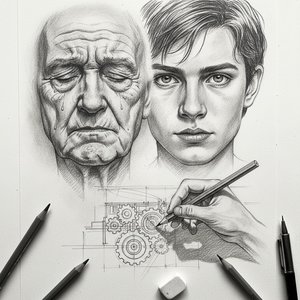
The Nuances of Graphite: Exploring Emotional Depth & Technical Mastery in Pencil Drawing
Explore the captivating world of graphite drawing! Discover its rich history, master essential techniques like chiaroscuro, and learn how artists evoke emotion through this timeless medium. Expert insights for art enthusiasts.
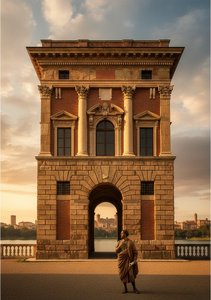
Giulio Romano: A Master of Mannerism & the Palazzo Te Legacy
Explore the revolutionary art of Giulio Romano, master of Mannerism & architect of Palazzo Te. Discover his influence, investment potential, and stunning frescoes – a guide for discerning collectors.
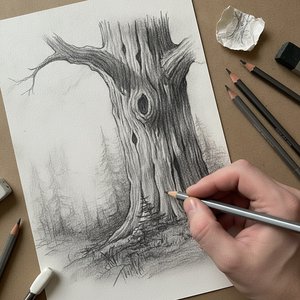
The Power of Graphite: Mastering Depth, Texture, and Detail in the Art of Pencil Drawing
Explore the profound artistry of graphite drawing. Discover professional techniques for mastering depth, texture, and detail through a lens of art history, from classical sketches to modern masterpieces. Elevate your understanding of the pencil medium with our expert guide.

The Enduring Power of Line: Exploring Themes & Techniques in Drawing Across Art History
Explore the rich history of drawing! Discover key techniques like linear perspective & iconic artists from the Renaissance to modern times. Enhance your art appreciation with OriginalUniqueArt.