Visa i rummet
 Skicka
 Dela
Dela
 Detaljer
 Studentguide för konstverk

 Ladda ner
 Liknande objekt
 Röntgen
 Bildspel
 Besökstatistik
Pentecost
 Early Renaissance
 1299
1299 500.0 x 400.0 cm
 Läs mer
Giclée / Konsttryck
Giclée- eller canvasprint av museumskvalitet med snabb produktion och flexibla ytbehandlingsalternativ. ( Köp handmålat konstverk Byt till digital bildförsäljning)




P118B Skr10

P118H Skr10

P118W Skr10

P438Z Skr10

P508JH Skr12

P508YH Skr12

P805H Skr10

P805Z Skr10

P919BZ Skr10

P919G Skr10

P919XJ Skr10

P959ZH Skr10

P968JZ Skr12

W106C Skr8

W218G Skr10

W218JH Skr8

W218Y Skr10

W307PJ Skr10

W316G Skr10

W316PJ Skr8

W316Y Skr10

W398PJ Skr8

W4111J Skr10

W500HY Skr15

W500JH Skr15

W692G Skr12

W849H Skr8

W940BG Skr15

W953PJ Skr8




Välj bland våra förinställda storlekar som motsvarar konstverkets ursprungliga proportioner.

Ange den bredd och höjd du behöver, för att passa din ram eller din vägg. Ett tryck kan endast beskäras, aldrig göras större än bilden, vilket innebär att ett format med en annan formform leder till att en del av bilden går förlorad. Vi skickar en digital mockup för godkännande innan vi trycker något. Bilden som visas på denna sida visar inte den faktiska beskärningen — det är endast mockuppen som gör det.
Leverans över hela världen () på 2 veckor istället för standard 4/5 veckor. (22 oktober)

Fri expressfrakt över hela världen

Högkvalitativ linnecanvas

Fullständig fraktförsäkring

Garantier för återbetalning av tullavgifter

Garantier för exakt färgåtergivning

100 dagars returrätt vid fabrikationsfel

100% pengarna tillbaka-garanti

Mängdrabatt erbjuds
 Glasalternativet är endast tillgängligt i storlekar under 110 cm.

Pentecost
Giclée / Konsttryck
Reproduktionsstorlek
-


Totalpris
Skr 793
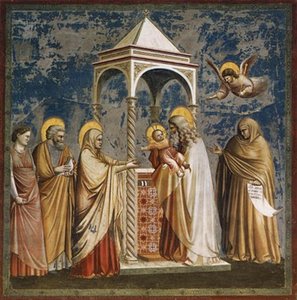
A Moment of Divine Descent: Giotto’s “Pentecost” – A Window into Early Renaissance Faith
Giotto di Bondone's fresco, "Pentecost," painted in 1299, stands as a monumental achievement—a pivotal bridge between the stylized formality of medieval art and the burgeoning realism that would define the Renaissance. This extraordinary work, now meticulously reproduced to breathtaking scale at 500 x 400 cm, isn’t merely a depiction of a biblical event; it's an immersive experience, a profound meditation on faith, community, and the transformative power of the Holy Spirit. Born in Florence around 1267, Giotto, often dubbed “the Shepherd Boy,” possessed an uncanny ability to observe and render the world with startling accuracy – a skill honed initially through sketching sheep as a young boy, a testament to his innate connection with nature.
The Fresco’s Narrative and Composition
The scene unfolds within a richly ornamented archway, reminiscent of Byzantine church architecture but imbued with a newfound sense of spatial depth. At the heart of the composition is Jesus Christ, radiating an almost palpable serenity as he addresses the assembled apostles. Mary stands beside him, her presence both supportive and subtly elevated – a reflection of her role as the divine mother and a symbol of grace. The figures are not presented as distant, ethereal beings; rather, they possess a tangible humanity, their gestures and expressions conveying a sense of immediacy and emotional engagement. Note particularly the dynamic movement captured in the apostles’ postures—a deliberate departure from the static arrangements typical of earlier Byzantine art. The vibrant colors – deep reds, blues, and golds – are applied with a masterful understanding of fresco technique, creating an astonishingly durable and luminous surface.
- Key Figures: Jesus Christ, Mary (the Virgin), and the twelve apostles.
- Setting: An ornate archway, suggesting a sacred space.
- Compositional Focus: The central action of the Holy Spirit descending upon the apostles.
Symbolism and Spiritual Significance
The “Pentecost” is rich in symbolic meaning. The tongues of fire, erupting from above, represent the descent of the Holy Spirit – a tangible manifestation of God’s divine presence among humanity. These flames aren't simply decorative; they symbolize the outpouring of grace and the empowerment of the apostles to preach the Gospel. The act of receiving these fiery gifts is depicted with intense realism, conveying the overwhelming nature of this transformative event. Furthermore, the inclusion of Mary underscores the importance of the Virgin Mother in Christian theology – a powerful symbol of humility, faith, and divine motherhood. The overall effect is one of profound spiritual intensity, inviting viewers to contemplate the origins of Christianity and the role of the Holy Spirit in shaping its message.
Giotto’s Revolutionary Technique: A Shift Towards Naturalism
What distinguishes “Pentecost” from much earlier Christian art is Giotto's groundbreaking approach to perspective, anatomy, and emotional expression. He moved away from the flattened, stylized figures of Byzantine art, employing a more naturalistic representation of human form – evident in the subtly modeled faces and bodies of the apostles. His use of *chiaroscuro*—the dramatic interplay of light and shadow—adds depth and volume to the scene, creating a sense of three-dimensionality previously unseen in fresco painting. Giotto’s innovations weren't merely technical; they represented a fundamental shift in artistic philosophy – a move towards capturing not just the outward appearance of reality but also its emotional essence. This piece is considered a cornerstone in the development of Western art, paving the way for the masterpieces of the Renaissance.
OriginalUniqueArt offers meticulously crafted hand-painted reproductions of Giotto’s “Pentecost,” allowing you to bring this iconic work into your home or office with unparalleled authenticity and beauty. Each reproduction is created using traditional fresco techniques and archival quality materials, ensuring that it will retain its vibrant colors and stunning detail for generations to come. Consider this extraordinary piece not just as a decoration, but as a window into the heart of early Renaissance faith and artistic innovation.
Frågor och svar
Var kan jag köpa ett tryck av "Pentecost" av Giotto di Bondone?
"Pentecost" finns tillgänglig som ett konsttryck på bomullscanvas eller arkivbeständigt canvaspapper. Beställningar görs via dess Konsttryck i hög kvalitet-sida, i den storlek du själv väljer.
Vilken känsla förmedlar Early Renaissance-verket "Pentecost"?
"Pentecost" förmedlar en Spiritual emotionell ton inom Early Renaissance-rörelsen.
Hur möts epok och stil i "Pentecost" av Giotto di Bondone?
I "Pentecost" av Giotto di Bondone möter Early Renaissance-rörelsen Högmedeltiden-eran.
Om konstnären
Från Herdepojke till Renässansens Fader: Giottos Banbrytande Vision
Giotto di Bondone, född omkring 1267 i de böljande kullarna nära Florens, reste sig från ödmjuka förhållanden för att bli en av de mest inflytelserika gestalterna i övergången från medeltidens konstnärliga konventioner till renässansen. Hans tidiga liv är insvept i legender – en herdepojke som upptäcktes rita anmärkningsvärt levande får på klippor, och fångade den florentinska mästaren Cimabues skarpa öga. Oavsett om det är fakta eller folklore, fångar denna berättelse essensen av Giottos geni: en medfödd förmåga att återge naturen med enastående realism och emotionell djup. Efter att ha tagits in som lärling hos Cimabue överträffade Giotto snabbt sin lärare, absorberade tekniska färdigheter men smidde en egen distinkt väg. Den bysantinska stilen, som dominerade under den tiden, favoriserade stiliserade figurer, platta perspektiv och pråliga guldbakgrunder – symboler för andlig transcendens snarare än jordisk representation. Giotto å andra sidan längtade efter att skildra mänskligheten inte som eteriska ikoner, utan som individer genomsyrade av känslor, existerande i ett påtagligt utrymme.
Bryta med Byzantium: En Ny Naturalism
Giottos konstnärliga revolution var ingen plötslig omvälvning, utan en gradvis utveckling. Hans tidiga verk antydde redan förändringen som skulle komma, och visade ett växande fokus på volym, vikt och trovärdig anatomi. Han började observera ljus och skugga inte bara som dekorativa element, utan som verktyg för att forma formen och skapa djup. Denna spirande naturalism är tydlig i hans bidrag till freskerna i den övre basilikan Saint Francis of Assisi – även om upphovsrätten fortfarande diskuteras, känner många forskare igen Giottos hand i scener som visar en markant avvikelse från det rådande bysantinska estetiken. Han förkastade inte traditionen helt enkelt; han byggde på den och injicerade etablerade former med en ny känsla av mänsklighet och emotionell resonans. Han förstod berättandets kraft, skapade kompositioner som berättade historier inte genom rigida symboler, utan genom uttrycksfulla gester, trovärdiga interaktioner och noggrant konstruerade miljöer.
Scrovegni-kapellet: Ett Mästerverk av Berättande
Giottos mästerverk, och kanske ett av de viktigaste verken i västerns konsthistoria, är freskcykeln som pryder Scrovegni-kapellet (även känt som Arena Chapel) i Padua. Slutfört omkring 1305, skildrar denna hisnande serie Kristi och Jungfru Marias liv med en revolutionerande nivå av realism och emotionell intensitet. Varje scen utspelar sig som ett noggrant iscensatt drama, befolkat av figurer som inte bara är representationer av religiösa arketyper, utan fullt förverkligade människor som upplever glädje, sorg, rädsla och hopp. *Den sista domen*, som dominerar en hel vägg, är ett kraftfullt bevis på Giottos förmåga att förmedla både gudomlig majestät och mänsklighetens råa sårbarhet inför dess ultimata uträkning. Användningen av perspektiv, även om det inte är matematiskt exakt enligt senare renässansstandarder, skapar en övertygande illusion av djup, vilket drar in betraktaren i berättelsen. Figurerna är grundade, deras kroppar har vikt och volym, och deras uttryck förmedlar ett spektrum av känslor som tidigare var osedd inom religiös konst.
Utöver Fresker: Arkitektur och Bestående Arv
Giottos talanger sträckte sig bortom målning; han var också en respekterad arkitekt. År 1334 fick han i uppdrag att utforma Campanile – klocktornet – vid Florens katedral, ett projekt som visade hans innovativa tillvägagångssätt för arkitektonisk form. Även om han dog innan det slutfördes lade hans design grunden för detta ikoniska florentinska landmärke. Hans inflytande på efterföljande generationer av konstnärer är omätbart. Han överbryggade klyftan mellan medeltiden och renässansen, banade väg för mästare som Masaccio, Leonardo da Vinci och Michelangelo. Vasari, i sitt seminala *Lives of the Artists*, krediterade Giotto med “att ge målningen den stora konsten att göra saker från livet”, ett bevis på hans djupgående inverkan på konstens gång. Giotto avbildade inte bara världen; han sökte förstå den, fånga dess essens och förmedla den förståelsen genom berättandets kraft. Hans arv fortsätter att inspirera vördnad och beundran århundraden efter hans död, vilket befäster hans plats som en av historiens största konstnärliga innovatörer.
Nyckelprestationer & Bestående Inflytande
- Revolutionerade Målningen: Gick bort från bysantinsk stilisering mot naturalism och emotionell realism.
- Banade Vägen för Perspektiv: Introducerade tekniker för att skapa djup och rumslig medvetenhet i målningar.
- Mästerlig Berättande: Skapade övertygande berättelser genom freskcykler, som Scrovegni-kapellet.
- Arkitektoniska Bidrag: Designade Campanile vid Florens katedral, vilket visar arkitektonisk skicklighet.
- Grund för Renässanskonst: Hans arbete lade grunden för de konstnärliga prestationerna under renässansen.

Giotto di Bondone
1267 - 1337 , Italien
Snabbfakta
- Artistic Movement Or Style: Proto-renässans
- Artists Or Movements Influenced By This Artist: ['Masaccio']
- Artists Who Influenced This Artist: ['Cimabue']
- Date Of Birth: ca 1267
- Date Of Death: 1337
- Full Name: Giotto di Bondone
- Nationality: Italiensk
- Notable Artworks: ['Scrovegni Chapel']
- Place Of Birth: Florens, Italien
Relaterade artiklar

Frescens arv som familjetradition: Måla din historia på väggarna
Utforska väggmålningens historia och teknik! Lär dig skapa din egen familjetradition med konst på väggen. Expertguider, inspiration & tips.
Giotto di Bondones 25 Mästerverk: Konsthistoriens Bästa Verk för Ditt Hem
Utforska Giotto di Bondones 25 mest ikoniska konstverk! Fördjupa dig i italiensk renässans, fresker & tidig konsthistoria. Hitta inspiration och museumskvalitativa reproduktioner på OriginalUniqueArt.com.

The Enduring Legacy of Fresco Painting: Techniques, History & Contemporary Relevance
Explore the rich history & enduring artistry of fresco painting – from Giotto to Michelangelo! Discover techniques, conservation efforts, & modern applications. Learn how OriginalUniqueArt brings this timeless art form to your home.

The Enduring Legacy of Fresco: Technique, History & Artistic Expression
Explore the rich history & enduring artistry of fresco painting. Discover techniques from Giotto to Michelangelo, conservation efforts, & modern applications. Learn how OriginalUniqueArt brings this timeless art form to your home.

The Enduring Legacy of Fresco: Technique, History & Artistic Expression Across Cultures
Explore the rich history & enduring legacy of fresco painting! Discover ancient techniques, Giotto's masterpieces, and modern applications. Expert insights for art lovers & professionals.