Förhandsvisa
 Skicka
 Dela
Dela
 Visa detaljer
 Guide
Guide

 Ladda ner
 Liknande objekt
 Röntgen
 Bildspel
 Statistik
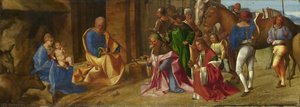
Three Philosophers


 Visa mer
Handgjord oljereproduktion
Handmålad olja på duk i din valda storlek och ram, tillverkad efter beställning av våra konstnärer. ( Byt till tryck Byt till digital bild)




P118B Skr10

P118H Skr10

P118W Skr10

P438Z Skr10

P508JH Skr12

P508YH Skr12

P805H Skr10

P805Z Skr10

P919BZ Skr10

P919G Skr10

P919XJ Skr10

P959ZH Skr10

P968JZ Skr12

W106C Skr8

W218G Skr10

W218JH Skr8

W218Y Skr10

W307PJ Skr10

W316G Skr10

W316PJ Skr8

W316Y Skr10

W398PJ Skr8

W4111J Skr10

W500HY Skr15

W500JH Skr15

W692G Skr12

W849H Skr8

W940BG Skr15

W953PJ Skr8




Välj bland våra förinställda storlekar som motsvarar konstverkets ursprungliga proportioner.

Ange den bredd och höjd du behöver för att passa din ram eller din vägg. Eftersom detta är handmålat kan konstnären, vid ett annat format, måla lite mer runt bilden eller beskära den något – det är du som väljer. Vi skickar en digital mockup för godkännande innan målningen påbörjas. Bilden som visas på denna sida representerar inte det slutgiltiga resultatet — det är endast mockuppen som visar det.
Efter beställning kommer OriginalUniqueArt.com team att mejla kunden för instruktioner och tillhandahålla en skissförhandsvisning
Leverans över hela världen () på 3–4 veckor istället för standard 5 veckor. (26 oktober). Inga kompromisser med kvaliteten.

Fri expressfrakt över hela världen

Högkvalitativ linnecanvas

Fullständig fraktförsäkring

Garantier för återbetalning av tullavgifter

Garantier för exakt färgåtergivning

100 dagars returrätt (endast vid fel)

100% pengarna tillbaka-garanti

Mängdrabatt erbjuds
 Glasalternativet är endast tillgängligt i storlekar under 110 cm.

Three Philosophers
Reproduktionsmetod
Storlek på reproduktion
-


Slutgiltigt pris
Skr 2978
A Venetian Enigma: Unraveling the Layers of “Three Philosophers”
Giorgione’s “Three Philosophers,” painted around 1509, isn't merely a portrait; it’s an invitation to a silent conversation across centuries. The painting, shrouded in mystery and speculation, resides within a captivating web of historical accounts, artistic interpretations, and tantalizing symbolism. Originally conceived as a monumental work for the Venetian merchant Taddeo Contarini, its journey through time – from the opulent collections of Venice to the Brussels court – has subtly altered its appearance, notably with a significant reduction on the left side, diminishing the original expansive landscape but intensifying the focus on the figures themselves. This deliberate alteration speaks volumes about the artist’s intent and the evolving tastes of his patrons.
The scene unfolds within a carefully constructed space: three men, rendered in a palette dominated by earthy tones – ochre, umber, and subtle greens – stand before a rugged cliff face, its weathered rocks providing a dramatic backdrop. The figures are dressed in rich, crimson robes, a striking contrast to the muted landscape, drawing immediate attention to their presence. The youngest man, seated and holding compasses and a square—tools of a painter, perhaps?—suggests an engagement with artistic practice itself. His posture is contemplative, his gaze directed inward, while the central figure, clad in a dark robe, gestures towards the horizon, seemingly lost in thought. The eldest, identifiable by his flowing garments and the book he clutches, exudes an air of learned authority.
The Allure of *Sfumato* and Giorgione’s Unique Style
Giorgione's mastery lies not just in his subject matter but also in his revolutionary technique. He employed a masterful use of *sfumato*, a subtle blurring of lines and edges, creating an atmospheric haze that softens the forms and imbues the scene with a dreamlike quality. This is particularly evident in the rendering of the landscape – the rocks are not sharply defined but rather emerge from the mist, contributing to the painting’s overall sense of mystery. The figures themselves possess a remarkable softness, their features rendered with an almost ethereal grace. Giorgione's approach departed significantly from the more linear and precise styles prevalent at the time, prioritizing mood and atmosphere over strict anatomical accuracy.
The interplay of light and shadow is crucial to the painting’s impact. Giorgione expertly manipulates chiaroscuro – the dramatic contrast between light and dark – to sculpt the forms and create a sense of depth. The figures are bathed in a diffused, golden light that seems to emanate from an unseen source, casting long shadows across the landscape and highlighting their contemplative postures. This masterful use of light not only enhances the painting’s visual appeal but also contributes to its evocative atmosphere.
Decoding the Symbols: Who Are These Philosophers?
The enduring fascination with “Three Philosophers” stems from the persistent debate surrounding the identity of the figures depicted. While initially identified as "philosophers," a multitude of interpretations have been proposed over the centuries, each offering a compelling narrative. The most common theories suggest they represent the Three Kings, astronomers, or even representatives of three distinct religions. More recently, the Pythagorean school – Pythagoras, Thales, and Pherecydes—has gained traction, fueled by the presence of the painter’s tools and astronomical texts.
The compasses and square, undeniably significant, have been interpreted as symbols of artistic creation, but their placement also hints at a deeper intellectual engagement. The varied attire of the figures – suggesting origins from different lands—could represent diverse philosophical schools or cultural influences. The book held by the eldest figure further reinforces this notion of learned discourse and contemplation. Ultimately, Giorgione’s deliberate ambiguity invites viewers to project their own interpretations onto the scene, transforming it into a mirror reflecting the viewer's own intellectual curiosity.
A Timeless Masterpiece: Reproduction and Artistic Legacy
"Three Philosophers" remains a testament to Giorgione’s genius—a painting that transcends its historical context and continues to captivate audiences today. OriginalUniqueArt offers meticulously crafted, hand-painted reproductions of this iconic work, allowing you to experience the depth, nuance, and emotional resonance of Giorgione's masterpiece in your own space. Our reproductions faithfully capture the *sfumato* technique, the atmospheric lighting, and the subtle symbolism that define this enigmatic portrait. Whether for a grand salon or a personal study, a OriginalUniqueArt reproduction of “Three Philosophers” is an investment in art history, a celebration of Venetian artistry, and a window into a world of timeless contemplation.
Frågor och svar
Hur upplevs ljusstyrkan i "Three Philosophers" av Giorgione?
Sammantaget har "Three Philosophers" registrerats som deep_shadow. Upplevd ljusstyrka beskriver hur ljust eller mörkt verket framstår.
Är bilden av "Three Philosophers" av Giorgione fri att återge?
"Three Philosophers" av Giorgione är allmän egendom – upphovsrätten har löpt ut. Denna status avgör hur bilden av verket får återges.
Vilket motiv och vilken atmosfär förenar "Three Philosophers" av Giorgione?
"Three Philosophers" av Giorgione skildrar philosophy, renaissance, landscape, figures, composition, mystery, color i en Calm stämning. Motiv och atmosfär beskriver tillsammans verket.
Konstnärsbiografi
Ett venetianskt mysterium: Giorgiones liv och arv
Giorgio Barbarelli da Castelfranco, av världen känd som Giorgione, förblir en av de mest svårfångade och fängslande gestalterna inom renässansens konst. Han föddes i den lilla staden Castelfranco Veneto nära Venedig omkring 1477 eller 1478 – det exakta året är omdiskuterat – och hans tragiskt korta liv, som fick ett slut omkring ngår 1510 vid trettiotvå eller trettiotre års ålder, döljer en konstnärlig påverkan som fortsätter att eka genom århundradena. Till skillnad från många av hans samtida, vars liv är väl dokumenterade, är Giorgiones historia höljd i dunkel, sammanvävd av knappa historiska uppteckningar och de ofta romantiserade skildringarna av Giorgio Vasari. Det vi vet tyder på en man djupt nedsänkt i Venedigs levande kultur, en stad som främjade både konstnärlig innovation och en sensuell uppskattning för det vackra. Han var sannolikt lärling under Giovanni Bellini, en ledande venetiansk målare, och absorberade de etablerade traditionerna innan han banade sin egen unika väg. Tidiga beställningar inkluderade porträtt av framstående personer som dogen Agostino Barbarigo, vilket demonstrerade en omedelbar talang för att fånga både likhet och status. Det var dock genom sitt avsteg från konventionella motiv och sin revolutionerande inställning till måleriet som Giorgione verkligen utmärkte sig.Poetiska visioner: Stil och innovation
Giorgiones konstnärliga stil markerade ett betydande brott med den rådande florentinska betoningen på linjärt perspektiv och exakt teckning. Han förespråkade färg, atmosfär och en evokativ stämningsfullhet som kom att bli kännetecken för den venetianska skolan. Hans teknik innebar att mjuka upp konturer, använda subtila tonövergångar – sfumato – för att skapa atmosfäriska effekter, och att prioritera en övergripande harmoni framför minutiös detaljrikedom. Detta tillvägagångssätt var inte bara ett tekniskt val; det speglade en fundamentalt annorlunda konstnärlig sensualitet. Giorgione strävade inte efter att replikera verkligheten, utan efter att fånga dess essens, dess flyktiga känslor och dess poetiska resonans. Hans målningar innehåller ofta gåtfulla motiv och tvetydiga berättelser som bjuder in betraktaren till en värld av kontemplation snarare än att erbjaka tydliga historier. Stormen (The Tempest), kanske hans mest kända verk, exemplifierar detta perfekt. Scenen – en soldat och en ammande moder mitt i ett stormigt landskap – har förbryllat konsthistoriker i århundraden, och dess betydelse förblir lockande oåtkomlig. På samma sätt presenterar Pastoral Concert (Fête champêtre) en idyllisk sammankomst av musiker i en pastoral miljö, hyllad inte för något specifikt narrativ utan för sin harmoniska komposition och lyriska kvalitet. Dessa verk var inte tänkta att vara pussel som skulle lösas; de var menade att frammana känslor, stämningar och en känsla av förundran.Mästerverk och bestående inflytande
Trots att hans produktion begränsades av hans förtidiga död, lämnade Giorgione efter sig en liten men djupt inflytelserik samling verk. Den sovande Venus, som sannolikt färdigställdes med hjälp av Tizian efter Giorgiones bortgång, är en ikonisk skildring av gudinnan och visar hans mästerskap i färg och form. Den tillbakalutade posen och de mjuka hudtonerna förkroppsligar den venetianska uppskattningen för sensualitet och skönhet. Andra betydelsefulla verk inkluderar Judit, ett tidigt exempel på hans framväxande stil, samt porträtt som avslöjar en skarp förmåga att fånga sina motivs karaktär och väsen. Giorgiones inflytande sträckte sig långt bortom hans egna målningar. Han var en mentor till Tizian, som skulle bli en av de mest hyllade konstnärerna under högrenässansen och föra vidare Giorgiones innovationer inom färg och atmosfäriskt måleri. Betoningen på färg och atmosfär påverkade den venetianska målningens utveckling djupt, skilde den från den florentinska traditionen och etablerade Venedig som ett betydande centrum för konstnärlig innovation.Ett bestående arv: Giorgiones historiska betydelse
Trots sin korta karriär intar Giorgione en avgörande position i konsthistorien. Han överbryggade gapet mellan tidigare venetianska traditioner och innovationerna hos Tizian och andra senare mästare, vilket fundamentalt förändrade den italienska målningens kurs. Hans betoning på poetisk stämning, atmosfäriska effekter och tvetydiga berättelser banade väg för nya konstnärliga utforskningar och inspirerade generationer av konstnärer. Själva mysteriet kring hans liv och verk har bidragit till hans bestående mystik och lockelse. Han förblir en symbol för konstnärlig frihet, innovation och antydningens kraft – en målare som vågade prioritera känsla framför form, atmosfär framför noggrannhet och poesi framför berättelse.Viktiga verk av Giorgione
- Stormen (ca 1506-1508)
- Pastoral Concert (Fête champêtre) (ca 1509)
- Den sovande Venus (ca 1510)
- Judit (1504)
- Porträtt av en venetiansk herre

Giorgione
1477 - 1510 , Italien
Kortfakta
- Artistic Movement Or Style: High Renaissance, Venetian skola
- Artists Or Movements Influenced By This Artist: ['Titian']
- Artists Who Influenced This Artist:
- Giovanni Bellini
- Mantegna
- Date Of Birth: c.1477/78
- Date Of Death: före november 7, 1510
- Full Name: Giorgio Barbarelli da Castelfranco
- Nationality: Italien
- Notable Artworks:
- Il Tramonto
- Tempest
- Judith
- Laura
- Place Of Birth: Castelfranco Veneto, Italien
Relaterade artiklar

Romantiska landskap: Topp 10 mästerverk som definierade en epok – OriginalUniqueArt.se
Utforska de 10 mest ikoniska mästerverken inom romantisk landskapsmålning! Lär känna Caspar David Friedrich, Turner & andra. Hitta inspiration och köp museumkvalitativa konsttryck på OriginalUniqueArt.com.

Giorgione: Enigma and Innovation in Early Venetian Renaissance Painting
Explore the enigmatic world of Giorgione, a pivotal figure in the Venetian Renaissance. Discover his innovative techniques, iconic paintings like 'The Tempest', and lasting influence on art history. Learn more at OriginalUniqueArt.

Evocations of Place: A Historical Journey Through Landscape Art
Explore the rich history of landscape art with OriginalUniqueArt. Discover renowned artists, movements like Impressionism & Romanticism, and expert guidance for collecting timeless pieces. Find your perfect serene escape today!

John Constables 25 Mästerverk: En Konstnärlig Resa i Det Engelska Landskapet | OriginalUniqueArt
Utforska John Constables 25 mest ikoniska målningar – romantikens mästare av det engelska landskapet. Upptäck historien, tekniken & skönheten i verk som 'Hay Wain'. Köp exklusiva konsttryck på OriginalUniqueArt.com.

Venetian Renaissance: The Mastery of Color, Light, and the Art of Colorito
Explore the luminous mastery of the Venetian Renaissance. Discover how masters like Titian and Giorgione revolutionized art through colorito, light, and atmosphere. An expert guide to the golden age of Italian painting for collectors and enthusiasts.