Förhandsvisa
 Skicka
 Dela
Dela
 Visa detaljer
 Guide
Guide

 Ladda ner
 Liknande objekt
 Röntgen
 Bildspel
 Q&A
Q&A Statistik
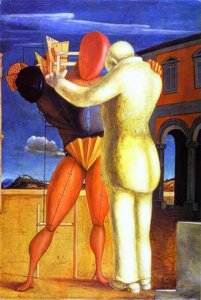
Self Portrait


 Visa mer
Konstverket som visas på denna sida skyddas av upphovsrättslagen, vilket innebär att vi inte lagligt kan skapa eller sälja en identisk reproduktion. Detta skydd upprätthålls genom internationella avtal såsom den Bernkonventionen och genom nationella lagar, inklusive de som fastställs av Amerikansk upphovsrättslag – Titel 17. Alla rättigheter förbehållna. Återgivning av konstverk är förbjuden utan skriftligt tillstånd från WahooArt.
Denna metod följer fullt ut upphovsrättsliga regler eftersom den inte innebär kopiering eller duplicering av det skyddade konstverket. Istället är det en kreativ nytolkning – en ny målning som är influerad av originalet men inte identisk med det.
Giclée / Konsttryck
Giclée- eller canvasprint av museumskvalitet med snabb produktion och flexibla ytbehandlingsalternativ. ( Beställ handmålad reproduktion Byt till digital bild)




P118B Skr10

P118H Skr10

P118W Skr10

P438Z Skr10

P508JH Skr12

P508YH Skr12

P805H Skr10

P805Z Skr10

P919BZ Skr10

P919G Skr10

P919XJ Skr10

P959ZH Skr10

P968JZ Skr12

W106C Skr8

W218G Skr10

W218JH Skr8

W218Y Skr10

W307PJ Skr10

W316G Skr10

W316PJ Skr8

W316Y Skr10

W398PJ Skr8

W4111J Skr10

W500HY Skr15

W500JH Skr15

W692G Skr12

W849H Skr8

W940BG Skr15

W953PJ Skr8




Välj bland våra förinställda storlekar som motsvarar konstverkets ursprungliga proportioner.

Ange den bredd och höjd du behöver för att passa din ram eller vägg. Ett tryck kan endast beskäras, aldrig göras större än originalbilden, vilket innebär att ett format med en annan proportion leder till att en del av bilden går förlorad. Vi skickar en digital mockup för godkännande innan vi påbörjar tryckningen. Bilden som visas på denna sida visar inte den faktiska beskärningen — det är endast mockuppen som gör det.
Leverans över hela världen () på 2 veckor istället för standard 4/5 veckor. (3 november)

Fri expressfrakt över hela världen

Högkvalitativ linnecanvas

Fullständig fraktförsäkring

Garantier för återbetalning av tullavgifter

Garantier för exakt färgåtergivning

100 dagars returrätt (endast vid fel)

100% pengarna tillbaka-garanti

Mängdrabatt erbjuds
 Glasalternativet är endast tillgängligt i storlekar under 110 cm.

Self Portrait
Giclée / Konsttryck
Storlek på reproduktion
-


Slutgiltigt pris
Skr 803
A Portrait of Disquiet: De Chirico’s ‘Self Portrait’ (1911)
Giorgio de Chirico's “Self Portrait,” painted in 1911, is not merely a depiction of an artist; it’s a meticulously crafted evocation of the anxieties and intellectual currents that defined the early years of modernism. This striking image, rendered with a precision born from his training in Athens and honed further in Munich, immediately arrests the viewer with its unsettling stillness. The subject, a man with a thoughtful gaze framed by spectacles and a neatly trimmed beard, stands before a window, lost in contemplation. His clasped hands suggest a profound introspection, while the distant look in his eyes hints at a world beyond immediate perception – a key element of de Chirico’s artistic vision.
The Genesis of Metaphysical Painting
Created during a pivotal moment in art history, “Self Portrait” exemplifies de Chirico's emergence as a leading figure in the movement he termed "metaphysical painting." Influenced profoundly by the philosophical writings of Nietzsche and Schopenhauer, de Chirico sought to depict not reality as it appears, but rather the subjective experience of reality – the unsettling feeling that lies beneath the surface of everyday life. This is achieved through a deliberate manipulation of perspective, scale, and atmosphere, creating an almost dreamlike quality. The painting’s power resides in its ability to evoke a sense of unease and disorientation, mirroring the anxieties of a rapidly changing world.
- Technique: De Chirico masterfully employs oil paint with a meticulous attention to detail, particularly evident in the rendering of textures – the fabric of the man’s clothing, the glass of his spectacles, and the weathered surface of the wall.
- Composition: The use of receding planes and ambiguous spatial relationships is central to the work's impact. The window acts as a portal, drawing the viewer into an indeterminate space, while the clock on the wall subtly reinforces the theme of time’s relentless passage and its potential for distortion.
Symbolism and the Fragmented Self
Beyond its technical brilliance, “Self Portrait” is laden with symbolic meaning. The boat glimpsed through the window – a recurring motif in de Chirico’s work – represents both escape and entrapment, suggesting a yearning for freedom intertwined with an awareness of confinement. The man's pose itself speaks to themes of isolation and alienation, reflecting the artist’s own feelings about his place in the world. The overall effect is one of psychological depth, inviting viewers to confront their own anxieties and uncertainties.
Historical Context and Lasting Influence
Painted in 1911, “Self Portrait” predates de Chirico’s later association with the Surrealists, yet it anticipates many of their key concerns. It stands as a crucial bridge between early modernism and the dreamlike imagery that would come to define the Surrealist movement. De Chirico's influence can be seen in the works of artists such as René Magritte and Max Ernst, demonstrating the enduring power of his vision. This piece continues to resonate with contemporary audiences, offering a poignant meditation on the nature of perception, identity, and the unsettling beauty of the subconscious.
Frågor och svar
Ur vilket land kommer Metaphysical Surrealism-verket "Self Portrait"?
"Self Portrait" skapades av Giorgio de Chirico, född i Grekland, inom Metaphysical Surrealism-rörelsen. Konstnärens ursprung knyter verket till Metaphysical Surrealism så som det utövades av konstnärer från Grekland.
Är "Self Portrait" av Giorgio de Chirico ett välkänt konstverk?
"Self Portrait" klassificeras som Recognized.
Vilken historisk period tillhör "Self Portrait" av Giorgio de Chirico?
"Self Portrait" av Giorgio de Chirico tillhör den historiska perioden 19th Century, en klassificering som placerar verket i sitt konsthistoriska sammanhang.
Konstnärsbiografi
A Dreamscape of the Mind: The Life and Art of Giorgio de Chirico
Giorgio de Chirico, född 10 juli 1888 i Volos, Grekland, till italienska föräldrar – en genueska mor och en sicilianskt far – varf en konstnärs resa som var djupt rotad i både klassisk arv och en växande känsla av modern alienation. Hans tidiga utbildning vid Ateneum i Aten lade ett fundament i traditionella tekniker, men det var hans efterföljande studier i München som verkligen tände hans kreativa anda. Där, mitt i den intellektuella virvelvinden av före-krigstiden i Europa, mötte han verk av Arnold Böcklin och Max Klinger, konstnärer vars symboliska landskap och kusliga bilder resonerade djupt med sin egen utvecklande estetik. Lika inflytelserika var de filosofiska strömningarna på den tiden – skrifterna av Friedrich Nietzsche, Arthur Schopenhauer och Otto Weininger – som utforskade teman om existentialism, det irrationella i människans begär och subjektiviteten i verkligheten. Dessa idéer skulle bli centrala för de Chiricos banbrytande konstnärliga vision.The Birth of Metaphysical Painting
Runt 1909 började en unik stil att uppstå ur de Chiricos utforskningar – en stil som han själv benämnde “metapfysisk” konst. Detta var inte bara ett stilistiskt genombrott; det var ett djupt försök att fånga den dolda verkligheten under ytan av vardagslivet, att avslöja den kusliga poesin som gömde sig inom bekanta rum. Ett avgörande ögonblick inträffade under ett besök i Florens och en upplevelse på Piazza Santa Croce, vilket utlöste hans ikoniska ‘Metaphysical Town Square’ serie. Dessa målningar kännetecknades av deras kusliga stillhet, långa dramatiska skuggor, orlogna perspektiv och närvaron av klassisk arkitektur i kontrast till obehagliga element som likgiltiga statyer och hotfulla monument. Effekten är djupt oroande, och väcker en känsla av nostalgi, isolering och nästan ohanterlig längtan efter något förlorat eller otillgängligt. De Chirico grundade Scuola Metafisica, vilket hade en djupgående inverkan på Surrealismen, även om han senare distanserade sig från dess tolkningar av sitt verk. Hans målningar var inte avsedda att vara illustrationer av drömmar, utan snarare ett försök att skildra en verklighet bortom det synliga – ett rike där tid och rum är flytande och gränserna mellan medvetande och undermedvetande suddas ut. Verk som *The Vexations of the Thinker*, *The Enigma of an Autumn Afternoon* och *The Song of Love* exemplifierar denna kusliga estetik, och bjuder betraktaren in att reflektera över existensens mysterier och den mänskliga perceptions bräcklighet.Influences and Artistic Lineage
De Chiricos verk står som en viktig bro mellan det sena 1800-talets Symboliströrelse och Surrealismens framväxt i början av 1900-talet. Han var direkt influerad av konstnärer som Arnold Böcklin och Max Klinger, vars suggestiva bilder resonerade med hans egen fascination för mytologi och det undermedvetna. Filosofer som Nietzsche och Schopenhauer gav honom en ram för att utforska teman om existentiell ångest, alienation och sökandet efter mening i en verkningsamt meningslös värld. Men de Chiricos inflytande sträckte sig bortom Surrealismen. Konstnärer som René Magritte och Salvador Dalí blev djupt inspirerade av hans metafysiska målningar, och antog hans tekniker för juxtaposition, orlogna perspektiv och symboliska bilder för att skapa sina egna drömlika världar. Hans verk har också påverkat senare rörelser såsom Magic Realism, som sökte skildra vardaglig verklighet med en ökad känsla av mystik och psykologisk djup.A Shift in Style and a Lasting Legacy
Efter första världskriget, runt 1919, tog de Chiricos konstnärliga väg en oväntad vändning. Han förkastade sin tidigare metafysiska approach och omfamnade istället en mer traditionell neoklassisk eller neo-barock stil. Denna förändring möttes med betydande kontroverser; många kritiker ångrade den uppenbara nedgången i kvalitet och anklagade honom för att ha övergett det innovativa anda som definierat hans tidiga verk. Trots kritik stod de Chirico fast vid sina konstnärliga val, återbesökte teman från sitt förflutna men skildrade dem med en annan estetisk känsla. Han fortsatte att måla och utställ under hela sitt liv, utforskade olika stilar och ämnen samtidigt som han bibehöll ett konsekvent åtagande för hantverksskicklighet och teknisk förmåga. Trots kritik kan hans inflytande på efterföljande generationer konstnärer inte överskattas. Hans innovativa användning av utrymme, perspektiv och symbolik utmanade konventionella konstnärliga normer och banade väg för nya former av expression.Key Influences & Artistic Lineage
- Influenced By: Arnold Böcklin, Max Klinger, Friedrich Nietzsche, Arthur Schopenhauer.
- Influenced: Surrealism, particularly artists like René Magritte and Salvador Dalí. His work also impacted later movements such as Magic Realism.

Giorgio de Chirico
1888 - 1978 , Grekland
Kortfakta
- Artistic Movement Or Style: Metafysisk konst
- Artists Or Movements Influenced By This Artist:
- Surrealism
- Magritte
- Artists Who Influenced This Artist:
- Böcklin
- Klinger
- Nietzsche
- Date Of Birth: 10 juli 1888
- Date Of Death: 1978
- Full Name: Giorgio de Chirico
- Nationality: Italiensk
- Notable Artworks:
- Enigma av en
- höst eftermiddag
- Ljudet av kärlek
- Place Of Birth: Volos, Grekland
Relaterade artiklar

OriginalUniqueArt.com F.A.Q.: Elevate Your Decor with Premium Textured Giclée Prints
Discover the distinction of OriginalUniqueArt.com premium textured Giclée prints. Expertly crafted with archival 12-color pigments and museum-grade substrates, our prints offer unparalleled vividness for the discerning collector seeking luxury, durability, and timeless elegance.