

 Förhandsvisa
 Skicka
 Dela
Dela
 Visa detaljer
 Guide
Guide

 Ladda ner
 Liknande objekt
 Röntgen
 Bildspel
 Statistik
Three Beggars
 Oil On Canvas
- WallArt
- Baroque Painting
 1736
1736 131.0 x 95.0 cm
 Fundación Colección Thyssen-Bornemisza
 Visa mer
Handgjord oljereproduktion
Handmålad olja på duk i din valda storlek och ram, tillverkad efter beställning av våra konstnärer. ( Byt till tryck Byt till digital bild)




P118B Skr10

P118H Skr10

P118W Skr10

P438Z Skr10

P508JH Skr12

P508YH Skr12

P805H Skr10

P805Z Skr10

P919BZ Skr10

P919G Skr10

P919XJ Skr10

P959ZH Skr10

P968JZ Skr12

W106C Skr8

W218G Skr10

W218JH Skr8

W218Y Skr10

W307PJ Skr10

W316G Skr10

W316PJ Skr8

W316Y Skr10

W398PJ Skr8

W4111J Skr10

W500HY Skr15

W500JH Skr15

W692G Skr12

W849H Skr8

W940BG Skr15

W953PJ Skr8




Välj bland våra förinställda storlekar som motsvarar konstverkets ursprungliga proportioner.

Ange den bredd och höjd du behöver för att passa din ram eller din vägg. Eftersom detta är handmålat kan konstnären, vid ett annat format, måla lite mer runt bilden eller beskära den något – det är du som väljer. Vi skickar en digital mockup för godkännande innan målningen påbörjas. Bilden som visas på denna sida representerar inte det slutgiltiga resultatet — det är endast mockuppen som visar det.
Efter beställning kommer OriginalUniqueArt.com team att mejla kunden för instruktioner och tillhandahålla en skissförhandsvisning
Leverans över hela världen () på 3–4 veckor istället för standard 5 veckor. (27 oktober). Inga kompromisser med kvaliteten.

Fri expressfrakt över hela världen

Högkvalitativ linnecanvas

Fullständig fraktförsäkring

Garantier för återbetalning av tullavgifter

Garantier för exakt färgåtergivning

100 dagars returrätt (endast vid fel)

100% pengarna tillbaka-garanti

Mängdrabatt erbjuds
 Glasalternativet är endast tillgängligt i storlekar under 110 cm.

Three Beggars
Reproduktionsmetod
Storlek på reproduktion
-


Slutgiltigt pris
Skr 2987
Giacomo Ceruti’s “Three Beggars”: A Study in Human Suffering and Baroque Dignity
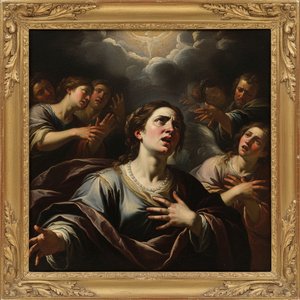
“Three Beggars,” painted by Giacomo Ceruti (Pitocchetto) in 1736, is more than just a depiction of poverty; it's a profoundly moving meditation on human suffering rendered with the characteristic dignity and realism that defined the late Baroque period. This oil-on-canvas masterpiece, currently residing within the esteemed collection at the Fundación Colección Thyssen-Bornemisza in Pedralbes, Spain, offers a stark yet beautiful glimpse into the lives of those marginalized by society – a poignant commentary on social injustice viewed through the lens of an artist deeply attuned to the human condition. Measuring 131 x 95 cm, the painting’s scale invites contemplation, drawing the viewer into the quiet desperation of its subjects.
- The Artist's Vision: Giacomo Ceruti (Pitocchetto), born in Milan in 1698 and passing away in 1767, was a key figure in the Venetian art scene. His work, often characterized by its meticulous detail and realistic portrayal of peasants and beggars, reflects a deep empathy for those less fortunate. He skillfully employed a dark background to elevate his figures, creating a dramatic contrast that intensifies their plight.
- Composition and Technique: Ceruti’s technique is immediately apparent in the rich textures he achieves – from the rough weave of the beggars' clothing to the subtle nuances of expression on their faces. The deliberate use of chiaroscuro, the interplay of light and shadow, further emphasizes the figures and adds a sense of solemnity to the scene.
Subject Matter and Symbolic Representation
The painting’s subject matter is deliberately stark: three individuals – a blind beggar woman, a man with a resigned posture, and another woman seated on a stool clutching a staff – each representing a different facet of hardship. The central figure, the blind beggar woman, immediately commands attention. Her vulnerability and dependence are powerfully conveyed through her slumped form and the suggestion of age etched onto her face. To her right, the man embodies quiet desperation, his posture a silent testament to years of struggle. The third figure, seated and reliant on her staff, symbolizes resilience and the enduring need for support in the face of adversity. These aren't merely portraits of poverty; they are archetypes of human suffering, rendered with an almost sculptural quality.
- Symbolism of the Staff: The beggar woman’s staff is not simply a tool for walking; it represents her reliance on charity and the precariousness of her existence.
- The Blind Woman's Significance: Her blindness adds another layer of symbolism, representing both physical impairment and spiritual darkness – a common motif in Baroque art.
Historical Context and Artistic Legacy
Created during the 18th century, “Three Beggars” stands as a testament to the enduring power of social commentary within the realm of art. Ceruti’s work aligns with the broader trends of the late Baroque period, characterized by its emotional intensity and dramatic compositions. His paintings have been rediscovered and appreciated in recent centuries, finding their place in prominent museums like the Museo Thyssen-Bornemisza in Madrid. The painting's enduring appeal lies not only in its technical skill but also in its ability to evoke a profound sense of empathy and understanding for those who are marginalized.
This reproduction offers an exceptional opportunity to own a piece of art history, allowing you to appreciate the genius of Giacomo Ceruti (Pitocchetto) and his powerful exploration of the human condition. Its evocative imagery continues to resonate with viewers today, solidifying its place as a significant work within the canon of 18th-century art.
Frågor och svar
Hur kan jag köpa ett tryck av "Three Beggars" av Giacomo Ceruti (Pitocchetto)?
"Three Beggars" finns tillgänglig som ett konsttryck på bomullscanvas eller arkivbeständigt canvaspapper. Beställningar görs via dess Konsttryck i hög kvalitet-sida, i den storlek du själv väljer.
Vilken känsla förmedlar "Three Beggars"?
"Three Beggars" av Giacomo Ceruti (Pitocchetto) förmedlar en Melancholic emotionell ton.
Var bör en reproduktion av "Three Beggars" av Giacomo Ceruti (Pitocchetto) hängas?
Format (Portrait) och rekommenderat utrymme (Dining Room) är de två placeringsfakta som finns registrerade för "Three Beggars" av Giacomo Ceruti (Pitocchetto).
Relaterade artiklar
Chiaroscuro and Soul: A Definitive Guide to the Drama and Emotion of Italian Baroque Masterpieces
Embark on a sophisticated journey through Italian Baroque art. Discover the dramatic interplay of light and emotion in Caravaggio’s masterpieces and explore how to bring this timeless grandeur into your collection with expert art insights.

Barockens Mästerverk: Topp 10 konstverk som definierade en epok – OriginalUniqueArt.se
Upptäck barockens 10 största mästerverk! Caravaggio, Rembrandt, Bernini och fler. Lär känna historien bakom ikoniska målningar & skulpturer. Köp reproduktioner av hög kvalitet på OriginalUniqueArt.com – för en lyxig heminredning.

Barockens dramatik: Att föra prakt och känsla in i samtida interiörer
Upptäck barockens dramatik och lyx! Lär dig hur du integrerar denna klassiska stil i ditt hem med våra experttips och inspirerande exempel. Skapa en palatskänsla idag!

The Enduring Power of Painting: A Historical & Contemporary Exploration of Form and Emotion
Explore the rich history & enduring techniques of oil painting with OriginalUniqueArt. Discover masterpieces, learn about art collecting, and find authentic handmade reproductions crafted by skilled artists.

Italian Baroque Unlocked: High-Drama Art That Hits Hard
Dive into the high-drama world of Italian Baroque art. Discover how chiaroscuro, intense emotion, and theatrical lighting redefined aesthetics. Explore the visceral power of the Counter-Reformation through a modern lens with expert insights from OriginalUniqueArt.com.
