
 Förhandsvisa
 Skicka
 Dela
Dela
 Visa detaljer

 Ladda ner
 Liknande objekt
 Röntgen
 Bildspel
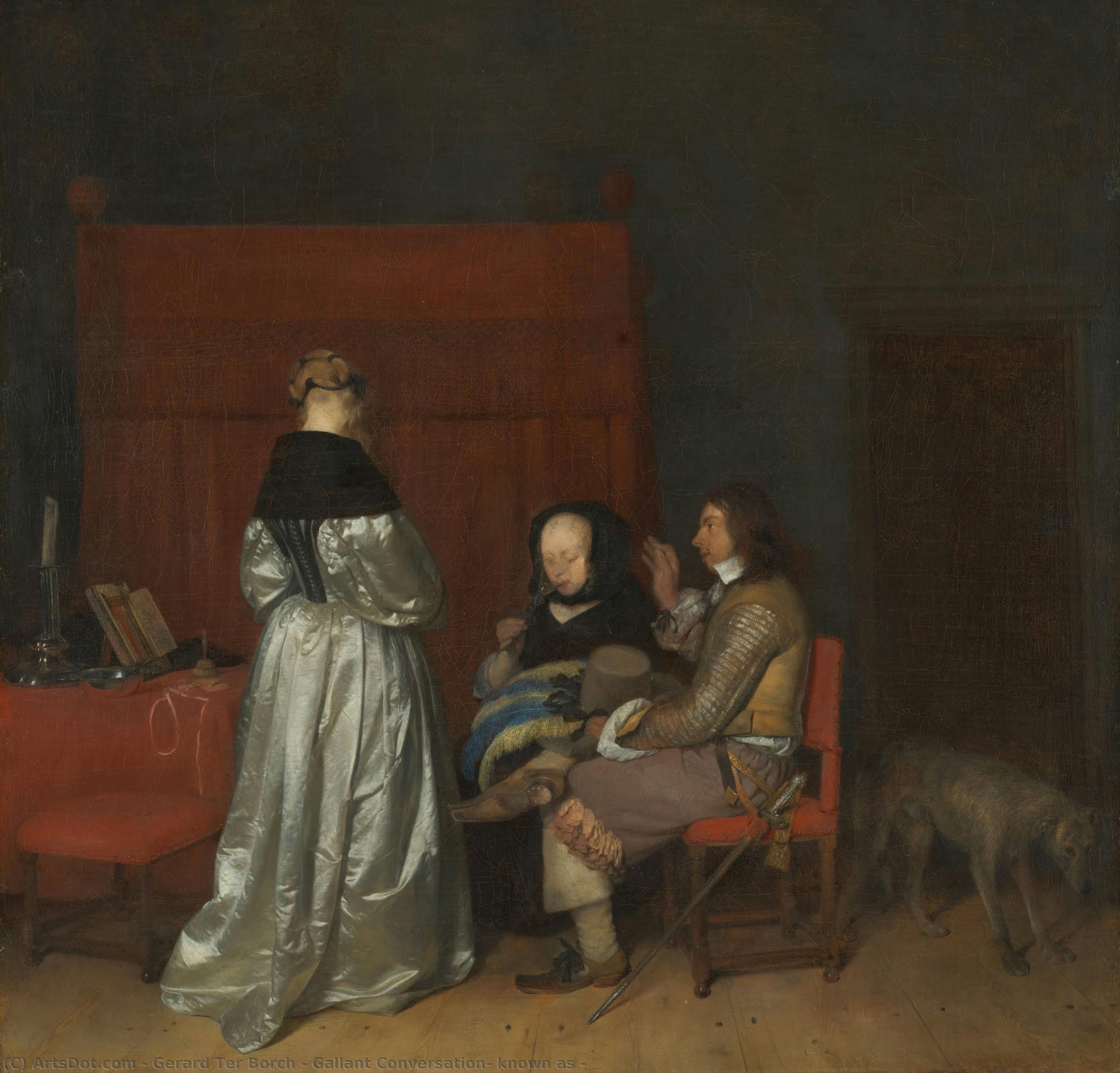
Gallant Conversation, known as
 Acrylic On Canvas
- WallArt
- Dutch Golden Age
 1655
1655 73.0 x 71.0 cm
 Rijksmuseum
 Visa mer
Handgjord oljereproduktion
Handmålad olja på duk i din valda storlek och ram, tillverkad efter beställning av våra konstnärer. ( Beställ tryck Köp högupplöst bild)




P118B $10

P118H $10

P118W $10

P438Z $10

P508JH $12

P508YH $12

P805H $10

P805Z $10

P919BZ $10

P919G $10

P919XJ $10

P959ZH $10

P968JZ $12

W106C $8

W218G $10

W218JH $8

W218Y $10

W307PJ $10

W316G $10

W316PJ $8

W316Y $10

W398PJ $8

W4111J $10

W500HY $15

W500JH $15

W692G $12

W849H $8

W940BG $15

W953PJ $8




Välj bland våra förinställda storlekar som motsvarar konstverkets ursprungliga proportioner.

Du kan ange egna mått för att passa en specifik ram eller yta. Om den valda storleken inte matchar originalbildens proportioner kommer vi antingen att beskära konstverket eller utöka målningen med ytterligare handmålade element. En digital skiss skickas till dig för godkännande innan produktionen påbörjas.
Observera att förhandsvisningen på skärmen inte återspeglar den faktiska beskärningen eller utökningen. Endast skissen visar den slutgiltiga kompositionen korrekt.
Även om anpassade storlekar är möjliga, rekommenderar vi att du väljer en dimension från den fördefinierade listan för att bevara originalproportionerna.
Efter beställning kommer OriginalUniqueArt.com team att mejla kunden för instruktioner och tillhandahålla en skissförhandsvisning
Leverans över hela världen () på 3–4 veckor istället för standard 5 veckor. (20 augusti). Inga kompromisser med kvaliteten.

Fri expressfrakt över hela världen

Högkvalitativ linnecanvas

Fullständig fraktförsäkring

Garantier för återbetalning av tullavgifter

Garantier för exakt färgåtergivning

60 dagars returrätt (endast vid fabrikationsfel)

100% pengarna tillbaka-garanti

Mängdrabatt erbjuds
 Glasalternativet är endast tillgängligt i storlekar under 110 cm.

Gallant Conversation, known as
Reproduktionsmedium
Storlek på reproduktion
-


Slutgiltigt pris
$ 300
Beskrivning av konstverket
A Shadowed Intimacy: Unraveling Gerard ter Borch’s *Gallant Conversation*
Gerard ter Borch's *Gallant Conversation*, painted in 1655, is not merely a portrait; it’s an exquisitely rendered tableau of veiled secrets and subtle anxieties. Initially known as “The paternal admonition,” the painting quickly revealed a far more complex narrative – one that challenged viewers at the time and continues to intrigue today. It's a masterful example of Dutch Golden Age genre painting, showcasing ter Borch’s unparalleled ability to capture not just appearances but the very essence of human interaction, particularly within the confines of a private, almost clandestine setting.
The scene unfolds within a modestly furnished room, bathed in a muted red light that casts long shadows and adds an air of mystery. A young soldier, strikingly handsome yet undeniably youthful, occupies a central position, engaged in conversation with a woman of considerable elegance – likely a courtesan or prostitute. A third figure, a woman holding a glass, observes the interaction from a distance, her expression hinting at both amusement and perhaps a degree of control. The inclusion of a dog, casually observing the scene, further contributes to the feeling that this is a carefully constructed tableau, a staged moment rather than an impromptu gathering. The deliberate ambiguity surrounding the relationships – who is admonishing whom? – is precisely what makes this painting so compelling.
The Delicate Dance of Light and Shadow: Ter Borch’s Technique
Ter Borch's genius lies in his painstaking attention to detail and his revolutionary approach to light. Unlike many of his contemporaries, he eschewed the dramatic chiaroscuro favored by Rembrandt, opting instead for a subtle, almost photographic realism. He meticulously built up layers of translucent glazes, creating an astonishingly delicate surface texture that captures the sheen of silk, the gleam of metal, and the softness of skin with remarkable precision. Notice how the light catches the folds of the woman’s dress, revealing the intricate weave, or how it subtly illuminates the soldier's face, highlighting his youthful features and a hint of vulnerability. This technique wasn’t simply about realism; it was about capturing the *atmosphere* of the scene – a sense of quiet contemplation punctuated by unspoken tensions.
- Glazing Technique: Ter Borch employed countless thin layers of translucent paint, building up color and depth gradually.
- Subtle Modeling: He masterfully used light and shadow to sculpt the figures, creating a sense of volume and form without resorting to harsh contrasts.
- Attention to Texture: The meticulous rendering of fabrics, metal, and skin demonstrates his dedication to capturing the tactile qualities of the scene.
A Brothel in Disguise: Historical Context and Symbolism
The painting’s true subject matter – a clandestine meeting within a brothel – was initially met with considerable debate. The original title, “The paternal admonition,” suggested a familial setting, leading to confusion about the nature of the scene. However, clues abound that point towards a more illicit reality: the bed in the background, the table with a mirror (a common feature in such establishments), and the overall atmosphere of intimacy and veiled intent. This ambiguity reflects the social realities of 17th-century Amsterdam – a city rife with wealth, commerce, and a thriving underworld. Ter Borch’s willingness to depict this darker side of society was remarkably bold for his time.
The soldier's youth is particularly significant. He isn’t a father dispensing wisdom; he’s a young man indulging in the pleasures of the flesh, suggesting themes of youthful folly and the corrupting influence of wealth. The woman observing from afar embodies a certain power – perhaps ownership or control – while the courtesan herself represents allure and danger.
Capturing Emotion: A Portrait of Quiet Tension
*Gallant Conversation* is not a painting that shouts; it whispers. It’s a study in restraint, conveying a complex web of emotions through subtle gestures and averted glances. The figures are caught in a moment of quiet contemplation, their faces betraying a mixture of curiosity, amusement, and perhaps even apprehension. The overall effect is profoundly unsettling – a reminder that appearances can be deceiving and that beneath the surface of polite conversation often lie hidden desires and unspoken truths. This painting’s enduring power lies in its ability to evoke a sense of unease and intrigue, prompting viewers to question what they are seeing and, more importantly, what they *aren't* being told.
Konstnärsbiografi
Gerard Terborch (1617–1681): A Pioneer of Dutch Genre Painting
Gerard ter Borch, även ter Borch eller Terburg, född 1617 i Zwolle och död 1681 i Deventer, var en nederländsk målare som är särskilt känd för sina genrebilder och sitt innovativa sätt att skapa atmosfär och psykologisk realism. Han anses vara en av de mest betydelsefulla konstnärerna inom den nederländska guldåldern och hans verk fortsätter att fascinera forskare och konstälskare än idag.
Early Life and Influences
Terborch föddes i Zwolle, där hans far Gerard ter Borch den Äldre var också en målare och utbildade honom från ung ålder. Hans utbildning inkluderade studier hos Pieter Molyn i Haarlem och senare vid Amsterdam universitetet, vilket gav honom grundläggande kunskaper inom konsthistoria och teknik.
Travels and Artistic Development
Terborch företog omfattande resor genom Europa under hela sin karriär, vilket inkluderade London, Tyskland, Italien och Spanien. Dessa resor exponerade honom för olika konstnärliga influenser och bidrog till hans utveckling som konstnär. Han studerade särskilt vid Pieter de Molijn i Haarlem och fick inspiration från samtida mästare som Rembrandt och Johannes Vermeer.
Notable Works and Achievements
Terborch är främst känd för sina genrebilder, där han fångar vardagslivet med exceptionell detaljrikedom och ljusspel. Bland hans mest berömda verk finns *The Letter*, ett mästerverk som visar hans förmåga att skapa atmosfär och psykologisk realism genom användningen av ljus och skugga samt subtila färger. Han är också erkänd för sitt gruppporträtt *Officer and Laughing Woman* från 1635, vilket är ett exempel på hans förmåga att fånga komplexa känslor och mänskliga relationer.
Influence on Contemporary Artists
Terborch hade en betydande inverkan på sina samtida konstnärer, särskilt Gabriel Metsu och Gerrit Dou. Hans innovativa teknik och stil inspirerade andra målare att utforska nya möjligheter inom genrebildningen och bidrog till utvecklingen av den nederländska konstscenen under guldåldern.
Legacy and Historical Significance
Gerard ter Borch är en ikon inom nederländsk konsthistoria och hans verk fortsätter att vara förebilder för konstnärlig realism och psykologisk komplexitet. Hans förmåga att skapa atmosfär och fånga mänskliga känslor har gjort honom till en av de mest älskade och eftertraktade konstnärerna inom den nederländska guldåldern och hans verk är idag värderade för sin historiska betydelse och konstnärliga kvalitet.

Gerard ter Borch
1617 - 1681 , Nederländerna
Kortfakta
- Artistic Movement Or Style: Dutch Golden Age
- Artists Or Movements Influenced By This Artist: ['Johannes Vermeer']
- Artists Who Influenced This Artist:
- Pieter Molyn
- Willem Cornelisz Duyster
- Date Of Birth: December 1617
- Date Of Death: 8 December 1681
- Full Name: Gerhard Terborch
- Nationality: Nederländska
- Notable Artworks:
- Ung kvinna som läser ett brev vid ett öppet fönster
- Officer och leende ung kvinna
- Place Of Birth: Zwolle, Nederland
Relaterade artiklar

Gerard ter Borch: Intimacy & Light in the Dutch Golden Age
Explore the captivating world of Gerard ter Borch, a master of Dutch Golden Age genre painting. Discover his intimate scenes, masterful light, and lasting influence on art history. Learn more at OriginalUniqueArt.

Golden Age Reflections: Dutch Baroque Painting & Cultural Innovation
Explore the Dutch Golden Age of painting! Discover key artists like Vermeer & ter Borch, their innovative techniques, and the rich cultural context behind these Baroque masterpieces. Learn about collecting & appreciating this iconic art period.
Genre Painting: A Window into Daily Life & Societal Values of the Dutch Golden Age
Explore the captivating world of Dutch Golden Age genre painting! Discover realistic depictions of daily life, masterful artists like Ostade & Metsu, and hidden symbolism. Learn about this influential art movement with OriginalUniqueArt.
Illuminating Realism: Exploring the Dutch Golden Age of Painting (1600-1700)
Explore the Dutch Golden Age of painting (1600-1700) with OriginalUniqueArt. Discover Rembrandt, Vermeer & other masters. Learn about techniques, history & find museum-quality reproductions.
Scenes of Daily Life: A Comprehensive Exploration of Genre Painting Through History
Explore the rich history of genre painting! Discover Dutch Masters & European artists who captured everyday life with stunning realism. Learn about symbolism, techniques & lasting influence.



