Byt till tryck
 Visa mer







































 För konstverk eller reproduktioner som är större än 105 cm (cirka 41 tum) på någon sida, levereras ramen som ett isärplockat kit. Denna metod säkerställer en trygg leverans och förhindrar skador under transport.


A Parisian Icon Reimagined: Georges Seurat’s *The Eiffel Tower* (1889)
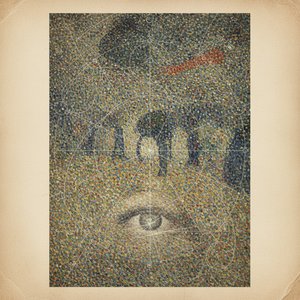
Georges Pierre Seurat's *The Eiffel Tower*, painted in 1889, is far more than a depiction of Gustave Eiffel’s architectural marvel. It’s a pivotal work embodying the burgeoning spirit of modern Paris and a stunning demonstration of Seurat’s revolutionary Pointillist technique. Measuring just 24 x 15 cm, this intimate painting—currently housed at the Fine Arts Museums of San Francisco—packs an enormous visual punch, offering a unique perspective on one of the world's most recognizable landmarks.The Dawn of Neo-Impressionism & Pointillism
Seurat was at the forefront of artistic innovation, rejecting the spontaneity of Impressionism in favor of a more scientific and calculated approach to painting. He developed *Pointillism*, a technique where small, distinct dots of pure color are applied to the canvas. These dots aren’t blended on the palette; instead, the viewer's eye performs this mixing optically, creating a vibrant and luminous effect. This wasn’t merely an aesthetic choice; Seurat was deeply interested in contemporary color theory – specifically the work of Michel Eugène Chevreul – believing that this method would achieve greater brilliance and accuracy in representing light and atmosphere. *The Eiffel Tower* serves as a compelling example of his mastery, showcasing how meticulously placed dots can construct form and evoke emotion.Composition, Color & Atmosphere
The painting presents the Eiffel Tower centrally positioned against a hazy Parisian sky. A bridge subtly appears in the background, adding depth without distracting from the tower’s imposing presence. Sparse figures are scattered throughout, hinting at life unfolding beneath this new symbol of progress. Seurat's palette is dominated by shades of blue and red – not as blended hues but as individual points that coalesce into these colors within our perception. This creates a shimmering effect, capturing the atmospheric conditions of Paris and lending an almost dreamlike quality to the scene. The small scale of the work encourages close viewing, allowing one to fully appreciate the intricacy of Seurat’s technique.Historical Context & Symbolism
Completed in the same year as the tower's unveiling for the Exposition Universelle, *The Eiffel Tower* reflects a moment of immense national pride and technological advancement. The tower itself was initially controversial, seen by some as an eyesore. However, Seurat’s painting subtly champions this modern structure, presenting it not as jarring but as integrated into the Parisian landscape. It symbolizes modernity, industrial progress, and France's position at the forefront of innovation.Emotional Resonance & Lasting Influence
Despite its scientific underpinnings, *The Eiffel Tower* evokes a distinct emotional response. The hazy atmosphere and muted tones create a sense of tranquility and contemplation. It’s not a celebratory fanfare but rather an intimate observation – a quiet moment captured in time. Seurat's influence on modern art is undeniable. His work paved the way for Neo-Impressionism, inspiring artists like Paul Signac and influencing generations to come, even extending into contemporary digital art forms exploring Pointillist principles.A Timeless Masterpiece
*The Eiffel Tower* by Georges Seurat is a testament to the power of artistic innovation and meticulous technique. It’s a work that continues to captivate viewers with its beauty, complexity, and historical significance. For those seeking to bring a touch of Parisian elegance and intellectual depth into their spaces, a high-quality reproduction of this masterpiece offers an enduring source of inspiration. Explore more of Seurat's groundbreaking works and delve deeper into the history of art through resources like OriginalUniqueArt.com and Wikipedia.- Explore 'The Eiffel Tower' at OriginalUniqueArt.com
- Discover the full range of Seurat’s paintings on Wikipedia.
Frågor och svar
Finns det ett faktablad om "The Eiffel Tower" av Georges Pierre Seurat för studenter?
Sidan Faktablad för elever för "The Eiffel Tower" av Georges Pierre Seurat erbjuder ett utskrivbart faktablad på två sidor: konstverket med sin identitetstabell, en tidslinje som placerar det i konstnärens livstid, andra verk av konstnären, den mätta färgpaletten samt färdiga citatmallar i fyra olika stilar.
Var och för vilket ändamål rekommenderas "The Eiffel Tower"?
"The Eiffel Tower" rekommenderas för Signaturverk och passar utmärkt i ett Vardagsrummet.
Hur gammal var Georges Pierre Seurat när hen skapade "The Eiffel Tower"?
Georges Pierre Seurat skapade "The Eiffel Tower" vid 30 års ålder. Konstnären föddes 1859 och verket är daterat 1889.
 Förhandsvisa
 Skicka
 Dela
Dela
 Visa detaljer
 Guide
Guide

 Ladda ner
 Liknande objekt
 Röntgen
 Bildspel
 Frågor och svar
 Statistik