- Hem

- Reproduktion av oljemålning
- Georges Braque
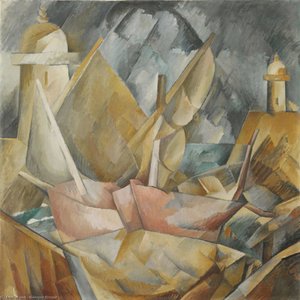
- The Port Of Le Havre

 Köp tryck Köp högupplöst digital bild
 Skicka
 Dela
Dela
 Visa detaljer
 Lägg till i favoriter

 Ladda ner
 Liknande objekt
 Röntgen
 Bildspel
The Port Of Le Havre


 Visa mer
Handgjord oljereproduktion
Handmålad olja på duk i din valda storlek och ram, tillverkad efter beställning av våra konstnärer.




P118B $10

P118H $10

P118W $10

P438Z $10

P508JH $12

P508YH $12

P805H $10

P805Z $10

P919BZ $10

P919G $10

P919XJ $10

P959ZH $10

P968JZ $12

W106C $8

W218G $10

W218JH $8

W218Y $10

W307PJ $10

W316G $10

W316PJ $8

W316Y $10

W398PJ $8

W4111J $10

W500HY $15

W500JH $15

W692G $12

W849H $8

W940BG $15

W953PJ $8




Välj bland våra förinställda storlekar som motsvarar konstverkets ursprungliga proportioner.

Du kan ange egna mått för att passa en specifik ram eller yta. Om den valda storleken inte matchar originalbildens proportioner kommer vi antingen att beskära konstverket eller utöka målningen med ytterligare handmålade element. En digital skiss skickas till dig för godkännande innan produktionen påbörjas.
Observera att förhandsvisningen på skärmen inte återspeglar den faktiska beskärningen eller utökningen. Endast skissen visar den slutgiltiga kompositionen korrekt.
Även om anpassade storlekar är möjliga, rekommenderar vi att du väljer en dimension från den fördefinierade listan för att bevara originalproportionerna.
Efter beställning kommer OriginalUniqueArt.com team att mejla kunden för instruktioner och tillhandahålla en skissförhandsvisning
Leverans över hela världen () på 3–4 veckor istället för standard 5 veckor. (16 juli). Inga kompromisser med kvaliteten.

Fri expressfrakt över hela världen

Högkvalitativ linnecanvas

Fullständig fraktförsäkring

Garantier för återbetalning av tullavgifter

Garantier för exakt färgåtergivning

60 dagars returrätt (endast vid fabrikationsfel)

100% pengarna tillbaka-garanti

Mängdrabatt erbjuds
 Glasalternativet är endast tillgängligt i storlekar under 110 cm.

The Port Of Le Havre
Teknik för reproduktion
Storlek på reproduktion
-


Slutgiltigt pris
-
Beskrivning av konstverket
The Port of Le Havre: A Study in Atmospheric Gray – Georges Braque’s Masterpiece
Georges Braque's “The Port of Le Havre” isn’t merely a depiction of a harbor scene; it’s an immersion into a specific mood, a carefully constructed meditation on light, space, and the quiet power of observation. Painted around 1909, during a pivotal period in his artistic development alongside Pablo Picasso, this monochrome masterpiece exemplifies the nascent principles of Cubism while retaining a deeply evocative emotional resonance. The artwork immediately draws the viewer into a world of subtle tonal shifts and fragmented forms, inviting contemplation rather than immediate recognition.
The composition is strikingly simple yet profoundly effective. A dominant horizontal axis – the line of the water, the pier extending towards the center, and the expansive sky – establishes a sense of stillness and vastness. The long pier acts as a powerful diagonal element, guiding the eye into the heart of the scene and creating an illusion of depth that belies the limited palette. Scattered across the water are several sailboats, rendered with loose brushstrokes that suggest movement and subtly hinting at the bustling activity implied by their presence. Braque’s focus isn't on detailed representation but rather on capturing the *feeling* of the harbor – its atmosphere, its scale, and its inherent solitude.
The artwork’s remarkable restraint in color is central to its impact. Braque employs a meticulously controlled grayscale, ranging from delicate washes of light gray in the sky to dense blacks outlining shapes and casting dramatic shadows. This monochromatic approach isn't limiting; instead, it intensifies the sense of form and texture. The artist masterfully utilizes hatching and cross-hatching techniques – visible through careful examination – to build up tonal variations and create a convincing illusion of three-dimensionality. The effect is remarkably tactile; one can almost feel the roughness of the weathered wood of the pier or the choppy surface of the water.
Impressionistic Roots, Cubist Explorations
“The Port of Le Havre” firmly resides within the Impressionist tradition, particularly in its emphasis on capturing fleeting moments and atmospheric effects. However, it also represents a crucial stepping stone towards Braque’s later embrace of Cubism. The loose brushwork, the fragmented forms, and the deliberate distortion of perspective—all hallmarks of Impressionism—are subtly transformed into elements that foreshadow the geometric deconstruction characteristic of Cubism. Braque's early exposure to Paul Cézanne’s work, particularly his exploration of multiple viewpoints and the simplification of natural forms, is clearly evident in this piece. The artist seems to be grappling with how to represent reality not as a static image but as a series of interconnected perspectives.
The diffused lighting, absent of any strong directional source, contributes significantly to the artwork’s subdued mood. This atmospheric quality reinforces the sense of isolation and contemplation that permeates the scene. The vastness of the harbor—a recurring theme in Braque's work—suggests themes of human insignificance against the backdrop of nature’s power. There’s a quiet melancholy woven into the composition, inviting viewers to consider the passage of time and the enduring beauty of the natural world.
Technique and Materials – A Glimpse Behind the Canvas
Based on available research, “The Port of Le Havre” was likely created using ink or watercolor on paper. The rapid brushstrokes and layered washes suggest a technique prioritizing spontaneity and expressive freedom over meticulous detail. The artist’s use of wet-on-wet techniques – blending colors directly on the canvas without allowing them to dry—creates soft transitions and atmospheric effects, further enhancing the sense of depth and atmosphere. It's fascinating to consider how Braque achieved such a nuanced range of tones with such a limited palette; his mastery of color theory is clearly evident.
Further research reveals that this work was created during a period of intense experimentation for Braque, alongside Picasso, as they explored the foundations of Cubism. The influence of Cézanne’s geometric approach to landscape painting is particularly apparent, demonstrating how Braque built upon established artistic traditions while simultaneously forging new paths. The artwork stands as a testament to their collaborative spirit and their shared desire to challenge conventional notions of representation.
A Reproduction for Your Space – Bringing the Mood Home
OriginalUniqueArt offers meticulously crafted hand-painted reproductions of “The Port of Le Havre,” allowing you to bring this evocative masterpiece into your home or office. Our skilled artists faithfully recreate Braque’s atmospheric style, capturing the subtle tonal shifts and fragmented forms with remarkable precision. Whether you appreciate Impressionism, Cubism, or simply seek a piece that evokes a sense of quiet contemplation, our reproduction provides an authentic representation of this iconic artwork. Consider how the muted palette and evocative composition will complement your existing décor, creating a space filled with understated beauty and artistic depth.
Konstnärsbiografi
Early Life and Artistic Foundations
Georges Braque, född i Argenteuil vid Paris norra strand 1882, inledde en resa djupt sammanflätad med den ständigt föränderliga konstens landskap. Hans barndom inom en familj av husmålare och tapetserare gav inte bara honom teknisk skicklighet i materialen utan också en tidig uppskattning för form och struktur. Trots att han initialt följde faderns yrke, led Braques inneboende konstnärliga ambitioner snart till formell utbildning vid École des Beaux-Arts i Le Havre, vilket markerade början på hans resa mot att bli en av 20:e århundradets mest inflytelserika målare. Denna grund – en blandning av praktisk hantverksskicklighet och akademisk studier – skulle visa sig vara avgörande när han senare dekonstruerade och omformulerade traditionella konstnärliga konventioner.
Vid 1902 flyttade Braque till Paris och fortsatte sina studier vid Académie Humbert, där han fördjupade sig i stadens pulserande konstnärliga miljö. Det var här han mötte konstnärer som Marie Laurencin och Francis Picabia, vilket skapade kontakter som skulle forma hans tidiga utveckling. Hans initiala verk återspeglade de rådande influenserna från Impressionism och Post-Impressionism, men en avgörande kontakt med Fauvisternas djärva färger och uttrycksfulla frihet 1905 tände en ny riktning i hans konstnärliga utforskning.
The Embrace of Fauvism and the Dawn of Cubism
Braques antagande av Fauvistiska principer – kännetecknade av intensiva, icke-naturalistiska färger och emotionellt uttryck – illustreras tydligt i målningar som The Patience. Denna period såg honom arbeta tillsammans med konstnärer som Henri Matisse och André Derain, experimentera med livfulla paletter och förenklade former. Trots att hans engagemang med Fauvism inte var rent imiterande; infogade han en unik känsla, mildrade rörelsens okontrollerade utbrott med ett mer restriktivt och analytiskt tillvägagångssätt.
En vändpunkt inträffade 1907 när han utsattes för retrospektivet av Paul Cézannes verk. Cézannes betoning på geometriska former och multipla perspektiv hade en djupgående inverkan på Braque, vilket lade grunden för hans banbrytande samarbete med Pablo Picasso. Från 1908 började dessa två konstnärliga titan ett intensivt intellektuellt utbyte som gav upphov till Cubism – en revolutionerande rörelse som utmanade traditionella föreställningar om representation.
Tillsammans utvecklade Braque och Picasso Analytisk Kubism, där de sönderdelade objekt i geometriska former och presenterade dem från flera perspektiv samtidigt. Verk som Houses at L'Estaque visar denna tidiga fas, vilket framhäver ett radikalt avstånd från konventionell perspektiv och en fokus på objekts underliggande struktur.
Innovation Through Fragmentation and Collage
Samarbetet mellan Braque och Picasso fortsatte att utmana konstens gränser, vilket ledde till utvecklingen av Syntetisk Kubism runt 1912. Denna fas såg introduktionen av collage – införlivandet av verkliga material som tidningsurklipp och väggpapper i målningar. Denna innovation utmanade den traditionella hierarkin mellan måleri och skulptur, suddade ut gränserna mellan konst och liv.
Braques pionjäranvändning av *papier collé* (pasted paper) markerade en betydande vändpunkt i hans konstnärliga utveckling. Genom att integrera fragment av vardagliga objekt i sina kompositioner, störde han den illusionistiska rymden i traditionellt måleri och introducerade ett nytt lager av materialitet och textur.
Under krigsåren 1914 blev Braque kallad till militärtjänst, vilket ledde till en period av reflektion och förändring. Hans krigserfarenheter påverkade hans konstnärliga vision djupt, vilket ledde honom att utforska mer personliga och lyriska teman i sina post-krigsverk.
Later Years and Enduring Legacy
Efter kriget utvecklades Braques stil bortom de strikta gränserna för tidig Kubism, och införlivade element från klassisk komposition och ett återuppväckt intresse för stilliv. Medan han bibehöll de geometriska influenser som definierat hans tidigare verk, utvecklade han ett mer nyanserat och eftertänksamt tillvägagångssätt för måleri.
Hans senare landskap och interiörer kännetecknas av sin lugna atmosfär och subtila harmonier av färg. Han fortsatte att experimentera med olika material och tekniker, utmanade konstens gränser tills sin död 1963. Hans inflytande på efterföljande generationer av konstnärer är obestridligt, vilket har format konstens gång och inspirerat otaliga målare, skulptörer och collagister.
Influences and Notable Works
- Influenced By: Henri Matisse, André Derain, Paul Cézanne
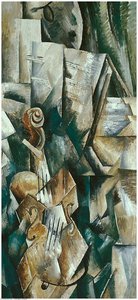
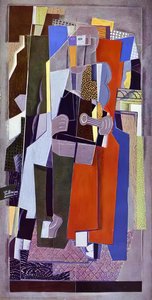
- Key Works: Houses at L'Estaque, The Patience, Violin and Palette, Mandola
- Impact on Art History: Revolutionized 20th-century art through Cubism; challenged traditional notions of perspective and representation.
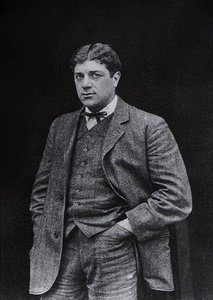
Georges Braque
1882 - 1963 , Frankrike
Kortfattad information
- Artistic Movement Or Style: Kubism, Fauvism
- Artists Or Movements Influenced By This Artist:
- Pablo Picasso
- Modern konst
- Artists Who Influenced This Artist:
- Henri Matisse
- André Derain
- Paul Cézanne
- Date Of Birth: 13 maj 1882
- Full Name: Georges Braque
- Nationality: Fransk
- Notable Artworks:
- Hus vid L'Estaque
- Tålamod
- Violin och palett
- Place Of Birth: Argenteuil, Frankrike
Relaterade artiklar
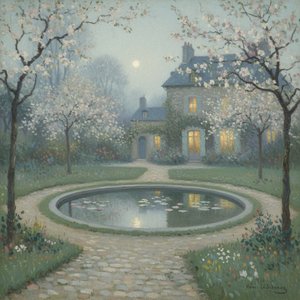
Henri Le Sidaner: Evoking Atmosphere & Intimacy in Post-Impressionist Landscapes
Discover the evocative world of Henri Le Sidaner, a master of Intimist painting. Explore his tranquil landscapes & atmospheric interiors – a celebration of light and intimacy. Learn about his life, style, and lasting legacy.
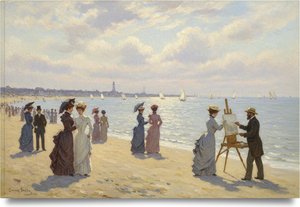
Eugène Boudin: Capturing Fleeting Moments – A Study of Light, Atmosphere & the Birth of Impressionism
Explore the life & art of Eugène Boudin, a pioneer of plein air painting and key influence on Impressionism. Discover his masterful light studies & atmospheric seascapes – a foundational figure in modern art history.
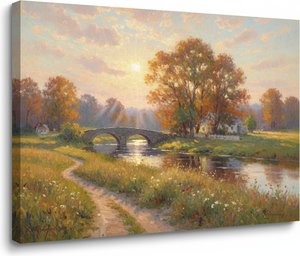
George Harvey: A Study in American Impressionism & the Poetics of Light
Explore the captivating world of George Harvey, a pivotal figure in American Impressionism & Luminism. Discover his stunning landscapes, artistic journey, and lasting influence on 19th-century art. Learn about provenance & appraisal.

Båtar i konsten: Topp 10 mästerverk & inspiration för ditt hem
Utforska de 10 mest ikoniska båtmålningarna! Från Monet till Van Gogh – upptäck historien, tekniken och skönheten i marin konst. Hitta inspiration & museumkvalitativa tryck på OriginalUniqueArt.com.
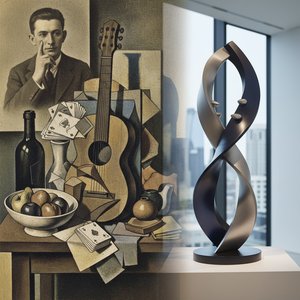
Georges Braque: Pioneering Cubism & the Evolution of Modern Form
Explore the revolutionary art of Georges Braque, a pioneer of Cubism alongside Picasso. Discover his artistic evolution, key works, and lasting impact on modern art. A guide for discerning collectors.