
 Förhandsvisa
 Skicka
 Dela
Dela
 Visa detaljer
 Guide
Guide

 Ladda ner
 Liknande objekt
 Röntgen
 Bildspel
 Frågor och svar
 Statistik
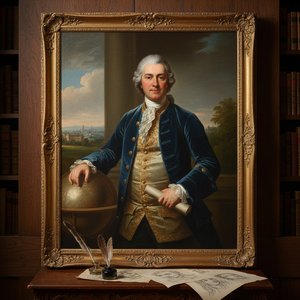
Thomas Hutton Rawlinson (1712–1769)

- 76.0 x 64.0 cm


 Visa mer
Giclée / Konsttryck
Giclée- eller canvasprint av museumskvalitet med snabb produktion och flexibla ytbehandlingsalternativ. ( Beställ handmålad reproduktion Byt till digital bild)




P118B Skr10

P118H Skr10

P118W Skr10

P438Z Skr10

P508JH Skr12

P508YH Skr12

P805H Skr10

P805Z Skr10

P919BZ Skr10

P919G Skr10

P919XJ Skr10

P959ZH Skr10

P968JZ Skr12

W106C Skr8

W218G Skr10

W218JH Skr8

W218Y Skr10

W307PJ Skr10

W316G Skr10

W316PJ Skr8

W316Y Skr10

W398PJ Skr8

W4111J Skr10

W500HY Skr15

W500JH Skr15

W692G Skr12

W849H Skr8

W940BG Skr15

W953PJ Skr8




Välj bland våra förinställda storlekar som motsvarar konstverkets ursprungliga proportioner.

Ange den bredd och höjd du behöver för att passa din ram eller vägg. Ett tryck kan endast beskäras, aldrig göras större än originalbilden, vilket innebär att ett format med en annan proportion leder till att en del av bilden går förlorad. Vi skickar en digital mockup för godkännande innan vi påbörjar tryckningen. Bilden som visas på denna sida visar inte den faktiska beskärningen — det är endast mockuppen som gör det.
Leverans över hela världen () på 2 veckor istället för standard 4/5 veckor. (5 november)

Fri expressfrakt över hela världen

Högkvalitativ linnecanvas

Fullständig fraktförsäkring

Garantier för återbetalning av tullavgifter

Garantier för exakt färgåtergivning

100 dagars returrätt (endast vid fel)

100% pengarna tillbaka-garanti

Mängdrabatt erbjuds
 Glasalternativet är endast tillgängligt i storlekar under 110 cm.

Thomas Hutton Rawlinson (1712–1769)
Giclée / Konsttryck
Storlek på reproduktion
-


Slutgiltigt pris
Skr 810
A Glimpse into Georgian Elegance
In the quiet, dignified presence of George Romney’s 1759 portrait, Thomas Hutton Rawlinson, we find much more than a mere likeness of a British gentleman; we encounter a window into the very soul of the Rococo era. As one of the most sought-after portraitists of his generation, Romney possessed a rare ability to transcend the formal requirements of commission, infusing his subjects with a profound psychological depth. In this particular work, Rawlinson is presented in a half-length pose that strikes a delicate balance between aristocratic poise and introspective vulnerability. The viewer is immediately drawn into his gaze—a look that suggests a man of significant intellect and composed wisdom, perhaps even touched by a hint of the melancholy that often accompanied the era's contemplative nature.
The composition is masterfully orchestrated to command attention. By utilizing a deep, dark background, Romney employs a technique reminiscent of the masters before him, ensuring that every nuance of Rawlinson’s features and attire is illuminated with dramatic clarity. This stark contrast serves to push the subject forward, creating an intimate space where the sitter and the observer meet across the centuries. For the discerning collector or interior designer, such a piece offers a commanding focal point, bringing a sense of historical gravity and sophisticated atmosphere to any curated space.
The Artistry of Light and Texture
Technically, this portrait is a triumph of oil on canvas, showcasing Romney’s meticulous command over light and shadow. The artist’s brushwork is nothing short of exquisite, particularly in the way he renders the textures of 18th-century fashion. One can almost feel the weight of the fabric and the subtle sheen of the gentleman's clothing through the luminous gradations of pigment. Romney’s signature style—characterized by soft lighting and subtle tonal variations—avoids the harshness of the preceding Baroque period, opting instead for a gracefulness that defines the Rococo aesthetic.
The palette is intentionally muted, favoring sophisticated earth tones and soft highlights that enhance the three-dimensionality of the subject. This careful blending of colors allows for a seamless transition between light and shadow, particularly across the contours of Rawlinson’s face, which lends the portrait an almost lifelike vitality. It is this mastery of texture and light that makes a high-quality reproduction of this work so captivating; when captured with precision, the interplay of luminance can breathe new life into a contemporary room, offering a touch of classical luxury.
A Legacy of Status and Sophistication
To understand this portrait is to understand the social fabric of George III’s reign. During this period, the British aristocracy utilized portraiture as a vital tool for documenting lineage, status, and intellectual pursuits. Thomas Hutton Rawlinson, a man noted for his contributions to scientific advancement and philanthropy, serves as an ideal subject for Romney’s refined touch. The painting captures the essence of a gentleman who was not only a landowner but a participant in the burgeoning Enlightenment ideals of his time.
For those looking to decorate with art that tells a story, this piece provides an unparalleled narrative of prestige and refinement. It embodies an era where grace, asymmetry, and delicate ornamentation were celebrated, yet it retains a timeless emotional resonance. Whether placed in a traditional study or used to add a layer of historical texture to a modern gallery wall, Romney’s portrait of Rawlinson remains a profound testament to the enduring power of the human spirit captured through the lens of artistic mastery.
Frågor och svar
Hur knyter "Thomas Hutton Rawlinson (1712–1769)" av George Romney samman Rococo Style med konstnärens hemland?
"Thomas Hutton Rawlinson (1712–1769)" förenar Rococo Style-rörelsen med Storbritannien genom sin skapares födelseplats.
Vad är luminansen i "Thomas Hutton Rawlinson (1712–1769)" av George Romney?
Luminansen som registrerats för "Thomas Hutton Rawlinson (1712–1769)" av George Romney är Dark.
Hur intensiva är färgerna i "Thomas Hutton Rawlinson (1712–1769)" av George Romney?
Färgerna i "Thomas Hutton Rawlinson (1712–1769)" av George Romney har en Monochromatic intensitet.
Konstnärsbiografi
A Life in Portraiture: The World of George Romney
George Romney, född den 15 december 1734 i Dalton-in-Furness, Lancashire, England, och död den 15 november 1802 i Kendal, var en brittisk porträttmålare som steg till berömmelse under det sena 1700-talet. Hans resa från att vara son till en möbeltillverkare till att bli en av de mest eftertraktade konstnärerna i sin tid är en fascinerande berättelse om naturlig talang och obeveklig ambition. Tidiga livstecken gav liten indikation på den konstnärliga väg han skulle följa; initialt anställd hos sin far, var det en inneboende dragning till ritning och hantverksskicklighet som ledde honom till Christopher Steele, en lokal porträttist som hade studerat i Paris. Detta lärlingskap visade sig vara avgörande, och gav Romney grundläggande färdigheter och en introduktion till europeiska konsttraditioner. Han överträffade snabbt sin mästare, dock, vilket visade på en precocious talang som krävde ytterligare kultivering. Ett kort, olyckligt äktenskap och efterföljande separation drev honom mot London 1762, en stad fylld av möjligheter men också med intensiv konkurrens.Etablering av Rykte: Stil och Teknik
London visade sig vara en mullvad för Romneys konstnärliga utveckling. Han etablerade snabbt sig som en formidabel porträttist, utmanande dominansen hos konstnärer som Thomas Gainsborough och Sir Joshua Reynolds. Även om han aldrig sökte medlemskap i Royal Academy – ett beslut som kanske begränsade hans tillgång till viss beskaffenhet – var hans framgång obestridlig. Romneys stil utvecklades över tid, initialt återspeglande Steele och hans parisiska utbildning, men blomstrade snart ut i något distinkt eget. Han hade en exceptionell förmåga att fånga inte bara likheten, utan också personligheten och den sociala ställningen hos sina motiv. Hans porträtt kännetecknas av eleganta poser, ett raffinerat användande av ljus och skugga och en subtil psykologisk insikt som skiljde honom från andra. Romneys teknik präglades av en delikat beröring och en preferens för flytande linjer, ofta inspirerad av klassisk skulptur. Han använde färger skickligt för att förmedla textur och djup, vilket skapade porträtt som var både visuellt slående och emotionellt resonanta. Hans förmåga att flörta med sina motiv samtidigt som han upprätthöll konstnärlig integritet tjänade honom lojaliteten hos en elitklientel. Han förstod kraften i antydningar, pekande på karaktär snarare än att explicit definiera den, en kvalitet som tilltalade de som värderade diskretion och raffinement.Muse och Hennes Inverkan: Emma Hamilton
Romneys liv tog en dramatisk vändning när han stötte på Emma Hart, senare känd som Lady Hamilton, 1782. Hon blev inte bara hans mest berömda modell utan också hans muse, vilket djupt påverkade hans konstnärliga produktion. Emmas skönhet, intelligens och teaterliknande charm fångade Romneys uppmärksamhet, vilket inspirerade en serie porträtt som utforskade teman om klassisk mytologi, dramatisk berättelse och kvinnlig grace. Han avbildade henne i olika roller – som en spinnsöster, som den tragiska Miranda från Shakespeares *Tempel* och i flera allegoriska scener som visade upp hennes uttrycksfulla räckvidd. Dessa verk visar Romneys vilja att experimentera med komposition och symbolik, bortom konventionell porträttkonst in i mer fantasifulla territorier. *Tempel*-serien, särskilt, avslöjar en romantisk känsla som är på väg framåt, vilket förutspår den emotionella intensiteten hos senare konstnärer. Relationen var intensiv och alltlevande för Romney, även om den slutligen var olycklig romantiskt; Emma blev till sist Lord Nelsons älskarinna, en union som cementerade hennes plats i historien. Trots detta lämnade deras konstnärliga samarbete ett bestående intryck på båda deras liv och producerade några av Romneys mest varaktiga mästerverk. Det sägs att han målade över sextio porträtt av henne, var och en avslöjade en annan aspekt av hennes fängslande personlighet.Historisk Betydelse och Arv
George Romney’s inverkan på brittisk porträttkonst är obestridlig. Han formade de estetiska sinnena i det sena 1700-talet, vilket bidrog till en stil som betonar elegans, psykologisk djup och konstnärligt skicklighet. Hans porträtt ger ovärderliga insikter i livet och smakerna hos den brittiska eliten under hans tid, och erbjuder ett visuellt register över deras sociala seder, mode och intellektuella strävanden. Även om han upplevde perioder av självsabotage och led av psykisk ohälsa senare i livet – vilket ledde till en nedgång i produktiviteten innan han dog i Kendal 1802 – hans arv består genom hundratals målningar och teckningar som vittnar om hans skicklighet. Hans verk uppskattas fortfarande för sin tekniska briljans och emotionella resonans. Romneys inflytande kan ses i porträtten hos efterföljande generationer brittiska konstnärer. Hans relation med Emma Hamilton lägger till ett ytterligare lager av intriger till hans historia. Han är en betydelsefull figur i konsthistorien, en skicklig porträttist som fångade andan i en era och lämnade efter sig ett verk som fortsätter att fängsla och inspirera.
George Romney
1734 - 1802 , Storbritannien
Kortfakta
- Artistic Movement Or Style: Porträttmåleri, Romantik
- Artists Or Movements Influenced By This Artist: ['Europiska konstnärer']
- Artists Who Influenced This Artist: ['Christopher Steele']
- Date Of Birth: 15 dec 1734
- Date Of Death: 15 nov 1802
- Full Name: George Romney
- Nationality: Brittisk
- Notable Artworks:
- Peter & James
- General Wolfe
- Place Of Birth: Dalton-in-Furness, UK
Relaterade artiklar
Thomas Hudson: A Study in 18th-Century Portraiture & British Artistic Identity
Explore the life & work of Thomas Hudson, a leading 18th-century British portraitist. Discover his mastery of the 'Grand Manner,' influential style, and lasting impact on British art. Learn about his notable portraits like Judge William Noel & Alexander Van Aken.

George Romney: Portraiture, Patronage & the Shaping of Georgian Society
Explore the life & art of George Romney, leading portraitist of Georgian England. Discover his style, famous patrons like Emma Hamilton, and legacy in British society. Expert insights for collectors.

Rokokons mästerverk: Topp 10 konstverk som definierade epoken | OriginalUniqueArt.com
Upptäck rokokons 10 mest ikoniska mästerverk! Lär känna Boucher, Watteau & andra stora konstnärer. Vackra målningar fyllda av pastellfärger och elegans. Hitta din favorit – utforska hela kollektionen online på OriginalUniqueArt.com.

Georges Braques 25 Mästerverk: En Konsthistorisk Resa för Hemmet
Utforska Georges Braques 25 mest ikoniska verk – en resa genom kubismens värld och fransk modern konst. Lär känna historien bakom mästerverken, tekniken & färglärorna. Köp högkvalitativa konsttryck på OriginalUniqueArt.com.

Georges Seurat: Topp 25 mästerverk – Impressionismens ljus och vetenskap i din konstsamling
Utforska Georges Seurats 25 mest ikoniska verk! Fördjupa dig i impressionismens ljus, pointillismens teknik och fransk konsthistoria. Hitta inspiration & museumkvalitativa konsttryck för ditt hem på OriginalUniqueArt.com.


