
 Förhandsvisa
 Skicka
 Dela
Dela
 Visa detaljer
 Guide
Guide

 Ladda ner
 Liknande objekt
 Röntgen
 Bildspel
 Statistik
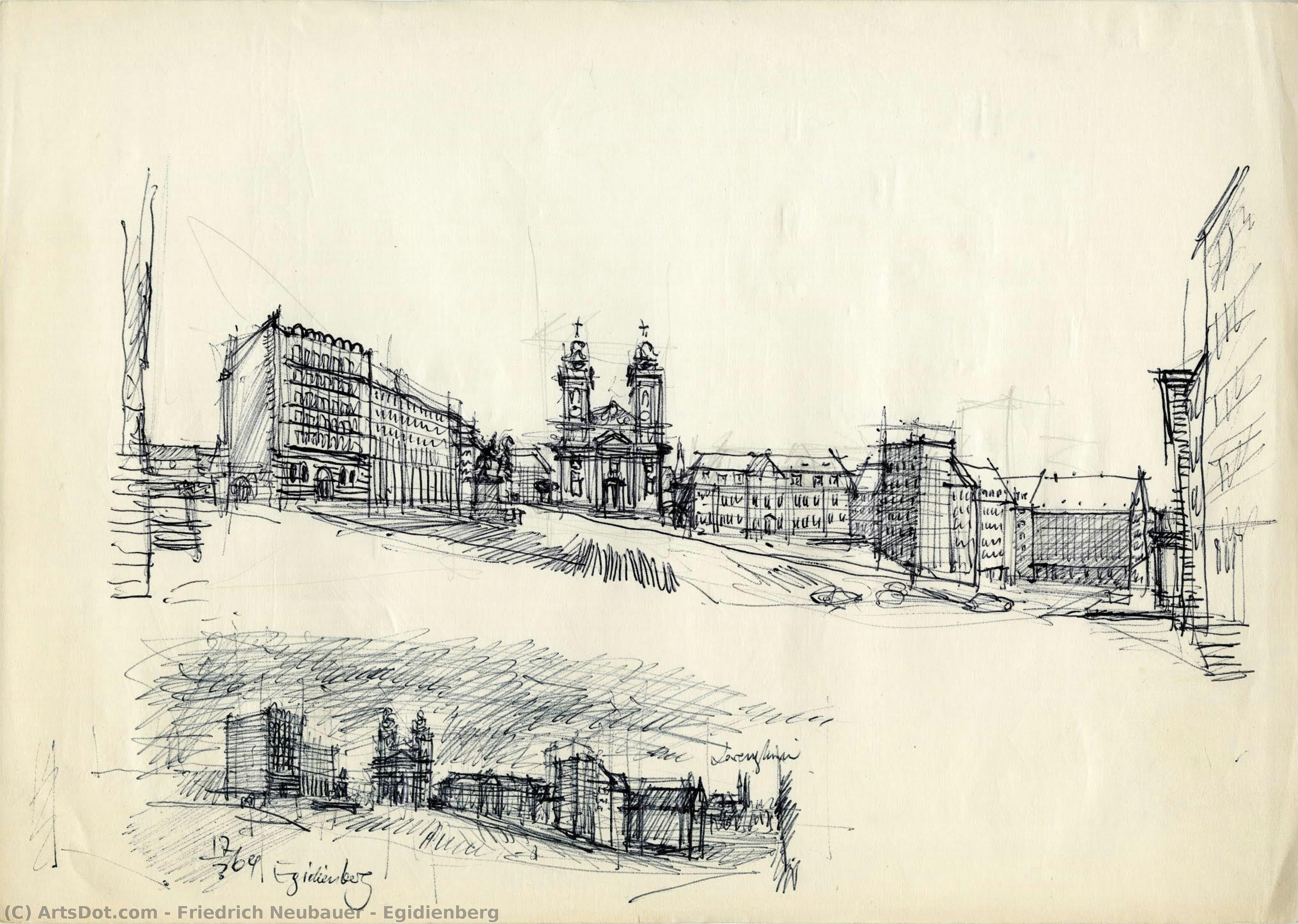
Egidienberg


 Visa mer
Konstverket som visas på denna sida skyddas av upphovsrättslagen, vilket innebär att vi inte lagligt kan skapa eller sälja en identisk reproduktion. Detta skydd upprätthålls genom internationella avtal såsom den Bernkonventionen och genom nationella lagar, inklusive de som fastställs av Amerikansk upphovsrättslag – Titel 17. Alla rättigheter förbehållna. Återgivning av konstverk är förbjuden utan skriftligt tillstånd från WahooArt.
Denna metod följer fullt ut upphovsrättsliga regler eftersom den inte innebär kopiering eller duplicering av det skyddade konstverket. Istället är det en kreativ nytolkning – en ny målning som är influerad av originalet men inte identisk med det.
Giclée / Konsttryck
Giclée- eller canvasprint av museumskvalitet med snabb produktion och flexibla ytbehandlingsalternativ. ( Beställ handmålad reproduktion Byt till digital bild)




































Välj bland våra förinställda storlekar som motsvarar konstverkets ursprungliga proportioner.

Ange den bredd och höjd du behöver för att passa din ram eller vägg. Ett tryck kan endast beskäras, aldrig göras större än originalbilden, vilket innebär att ett format med en annan proportion leder till att en del av bilden går förlorad. Vi skickar en digital mockup för godkännande innan vi påbörjar tryckningen. Bilden som visas på denna sida visar inte den faktiska beskärningen — det är endast mockuppen som gör det.
Leverans över hela världen () på 2 veckor istället för standard 4/5 veckor. (28 oktober)

Fri expressfrakt över hela världen

Högkvalitativ linnecanvas

Fullständig fraktförsäkring

Garantier för återbetalning av tullavgifter

Garantier för exakt färgåtergivning

100 dagars returrätt (endast vid fel)

100% pengarna tillbaka-garanti

Mängdrabatt erbjuds
 Glasalternativet är endast tillgängligt i storlekar under 110 cm.

Egidienberg
Giclée / Konsttryck
Storlek på reproduktion
-


Slutgiltigt pris
Skr 797
Frågor och svar
Var kan jag hitta konstverk som liknar "Egidienberg" av Friedrich Neubauer?
Sidan Liknande verk för "Egidienberg" av Friedrich Neubauer visar liknande konstverk.
Går det att förhandsvisa "Egidienberg" i augmented reality?
"Egidienberg" har en förhandsvisning med förstärkt verklighet: konstverkets Förhandsvisning i AR-sida visar det i ditt eget utrymme på en kompatibel enhet.
Hur harmoniska är färgerna i "Egidienberg" av Friedrich Neubauer?
Färgerna i "Egidienberg" av Friedrich Neubauer uppvisar en Unified Palette harmoni. Harmoni beskriver hur färgerna förhåller sig till varandra.
Konstnärsbiografi
The Architect of Memory: The Life and Vision of Friedrich Neubauer
Friedrich Neubauer stands as a singular figure in German art history, a creator who masterfully blended architectural precision with the raw, emotive power of painting. Born in Nuremberg in 1912, during the turbulent years following World War I, Neubauer’s formative experiences instilled within him an unwavering dedication to preserving cultural heritage while simultaneously exploring artistic expression rooted in psychological depth. His life's work became inextricably linked to the rebuilding effort after the devastation of Kristallnacht and the Second World War, cementing his reputation as a champion of Nuremberg’s architectural legacy and a chronicler of its most profound transformations.
Neubauer pursued formal education at Munich and Stuttgart Universities, specializing in architecture—a discipline that would serve as both his primary profession and an indispensable tool for interpreting the visual world. This rigorous training provided him with more than just technical mastery; it gifted him a profound understanding of spatial relationships and structural integrity, qualities that would later permeate every brushstroke of his artistic endeavors. During this period, he encountered the transformative influence of Expressionism, absorbing its tenets of subjective emotion and intentional distortion as vehicles for conveying inner turmoil and confronting societal anxieties. This exposure proved pivotal, allowing him to bridge the gap between the rigid lines of a blueprint and the fluid, often haunting, landscapes of the human psyche.
A Legacy Written in Stone and Watercolor
The duality of Neubauer’s career is perhaps most evident in his architectural achievements, where he acted as a preservationist with a keen eye for history. His work spanned decades, culminating in significant contributions to Nuremberg’s revitalization following the war years. He undertook numerous projects aimed at restoring historic landmarks, most notably the St. Lorenzkirche and the Rathaus Nürnberg. Through his meticulous drawings and reconstructions, he captured not merely physical structures but the very spirit of a city struggling to reclaim its identity from the ashes of conflict.
Parallel to his architectural restoration was his profound artistic output, where he used various media to document the trauma and beauty of his era. His works often serve as poignant historical documents:
- Nothing but Ruins, and Still No Peace: A haunting 1956 watercolor that utilizes dark plumes of smoke rising over the ruins of Nuremberg to invite viewers into the somber aftermath of war.
- View of Nuremberg from the Sinwellturm (1945): A powerful, stark grayscale work that captures the devastating aerial reality of WWII, reflecting themes of loss and collective trauma.
- St. Lorenzkirche: An expressive piece where he moves away from pure documentation toward a vibrant, Cubist-inspired style, using dynamic lines and emotive abstraction to reimagine sacred spaces.
The Intersection of Expressionism and Documentation
Neubauer’s artistic development was deeply influenced by the masters of emotional intensity, particularly the works of Edvard Munch. This influence is visible in his ability to use color and form to evoke a sense of existential dread or quiet resilience. While his architectural training anchored him in reality, his artistic soul sought the sublime. His paintings often oscillate between the documentary—capturing the literal destruction of German landmarks—and the symbolic, where the ruins become metaphors for the fractured state of the post-war human condition.
Ultimately, the historical significance of Friedrich Neubauer lies in his ability to act as both a builder and a witness. He did not merely rebuild the walls of Nuremberg; he rebuilt its visual memory. Through his unique lens, the structural permanence of architecture and the fleeting, emotional intensity of Expressionism merged, leaving behind a body of work that remains an essential testament to German resilience and the enduring power of the artistic vision.

Friedrich Neubauer
1912 - 2004 , Germany
Kortfakta
- Full Name: Friedrich Neubauer
- Nationality: German
- Date Of Birth: 1912
- Date Of Death: 2004
- Place Of Birth: Nuremberg, Germany
- Notable Artworks:
- Anxiety 2
- St. Lorenzkirche
- View of Nuremberg
- Artistic Movement Or Style: Expressionism & Cubism
- Artists Who Influenced This Artist: ['Edvard Munch']
- Artists Or Movements Influenced By This Artist: ['Expressionism']